For many home cooks, the gas stove remains the heart of the kitchen, offering instant heat control and a responsive flame that electric counterparts simply can’t match. When it comes to durability and a professional aesthetic, stainless steel gas stoves stand out as a top choice. But with so many options available, how do you navigate the market to find the perfect stainless steel gas stove that meets your culinary needs and fits your kitchen’s style? This comprehensive guide will walk you through everything you need to know, from understanding the basics to making an informed purchase, ensuring you select a stove that serves your family efficiently for years to come.
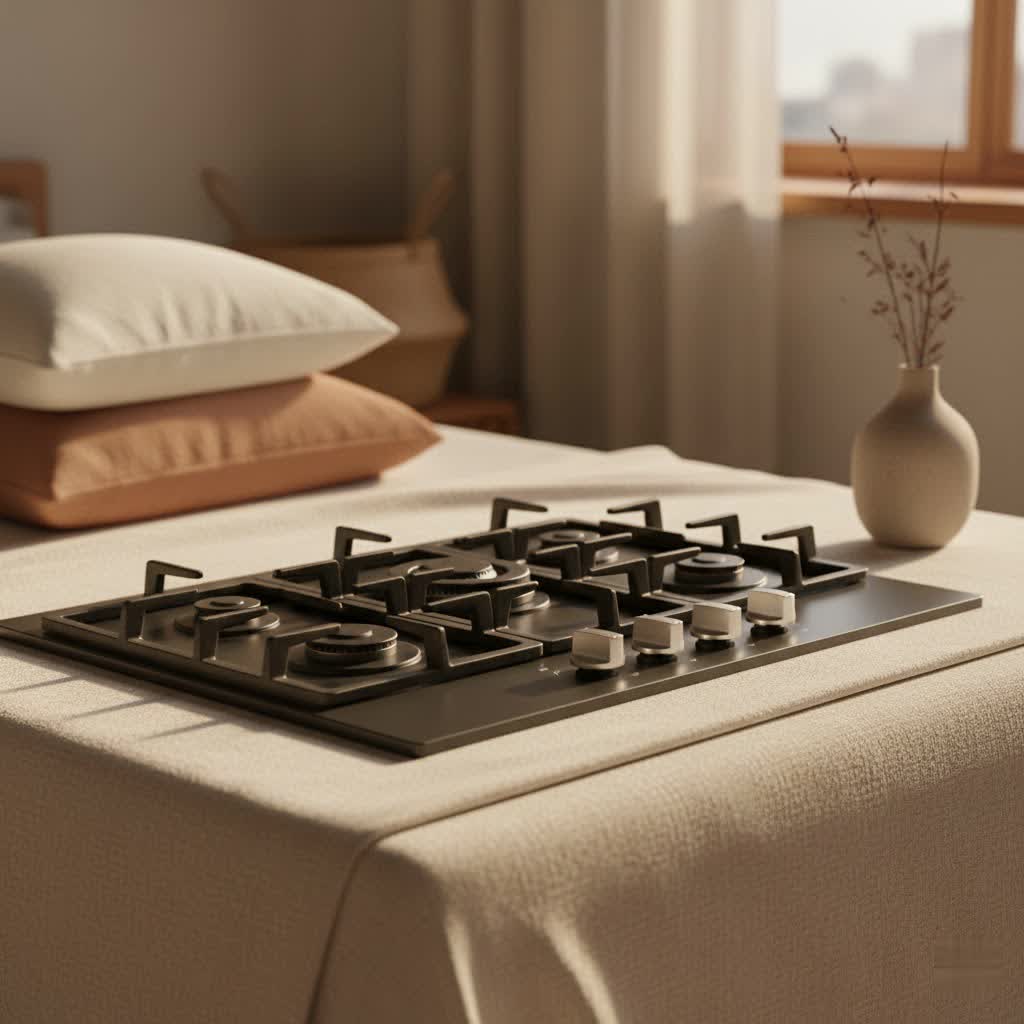
What is a Stainless Steel Gas Stove? Components and How it Works
A stainless steel gas stove is a cooking appliance featuring a durable metal construction, typically with a brushed or polished steel finish. This classic yet timeless design has been a kitchen staple for decades, prized for its robust nature and professional-grade appearance. The material itself is high-grade steel, known for its resistance to corrosion, heat damage, and the wear and tear of daily use. These inherent properties make stainless steel an excellent choice for busy kitchens where both performance and longevity are paramount.
At its core, a gas stove operates on a straightforward principle: natural gas or liquid petroleum gas (LPG) is ignited to create a flame for cooking. Key components include:
- Burners: These are where the gas mixes with air and ignites. Modern stainless steel stoves often feature various burner types, such as brass burners, known for their durability and efficient heat distribution.
- Grates/Pan Supports: Made from cast iron or heavy-duty steel, these support your cookware above the flame, ensuring even heat transfer.
- Gas Inlet and Manifold: This system delivers gas safely from your supply to each burner.
- Ignition System: Gas stoves typically come with either manual ignition (requiring a lighter or matchstick) or automatic ignition, which uses an in-built spark system activated by turning a knob. Automatic ignition offers convenience and enhanced safety.
- Control Knobs: Ergonomically designed knobs allow for precise flame adjustment, giving you immediate control over cooking temperatures.
When you turn a knob, gas flows to the burner and mixes with air. The ignition system then creates a spark, igniting this gas-air mixture to produce a flame. The size and intensity of this flame are regulated by the control knob, allowing you to achieve the perfect heat for simmering, boiling, or frying.
Types of Stainless Steel Gas Stoves: Exploring Popular Options
Stainless steel gas stoves come in various configurations to suit different kitchen layouts and cooking preferences. While the material remains consistent, the design and installation can vary significantly.
Freestanding Stainless Steel Gas Ranges
|
Our Picks for the Best Gas Stove in 2026
As an Amazon Associate I earn from qualifying purchases.
|
||
| Num | Product | Action |
|---|---|---|
| 1 | VEVOR 36 inch Gas Cooktop 5 Burners Gas Stove Top, Max 38300BTU Built-in Stainless Steel Stove Top LPG/NG Convertible Dual Fuel Cooktop Stoves with SABAF Dual-Ring Burner for Kitchen Apartment Rvs |

|
| 2 | Gas One Propane Double Burner Two Burner Camp Stove with Windscreen Outdoor High Pressure Propane 2 Burner Adjustable PSI Regulator and 4ft Steel Braided Hose With Removable Legs |
|
| 3 | GasOne High Pressure Single Propane Burner - Outdoor Cooking with Heat Shield and Guard – Propane Burner Head for Camping, Tailgating, Seafood Boil, Home Brewing - Patent Pending |
|
| 4 | Coleman Triton 2-Burner Propane Stove, Portable Camping Cooktop with 2 Adjustable Burners & Wind Guards, 22,000 BTUs of Power for Camping, Tailgating, Grilling, BBQ, & More |
|
| 5 | Avanti Gas Range Oven, Compact Freestanding Design, 4 Sealed Burners with Electronic Ignition, 2.1 Cu.Ft. Capacity Features Storage Drawer Broiler and Accessories, 20-Inch, Black |
|
| 6 | Empava 30 in. Gas Stove Cooktop 5 Italy Sabaf Sealed Burners NG/LPG Convertible in Black Tempered Glass |
|
| 7 | Kenmore 5.6 cu. ft. Front Control Gas Range Oven with 5 Cooktop Burners - True Convection, Air Fry, Turbo Boil, Self Clean, Dishwasher Safe Grates, Three Chrome Racks, LP Kit - Stainless Steel |
|
| 8 | Avanti Gas Range Oven, Compact Freestanding Design, 4 Sealed Burners with Electronic Ignition, 2.1 Cu.Ft. Capacity Features Framed Glass Door Storage Drawer Broiler and Accessories, 20-Inch, White |
|
| 9 | Gas One GS-3400P Propane or Butane Stove Dual Fuel Stove Portable Camping Stove - Patented - with Carrying Case Great for Emergency Preparedness Kit |
|
| 10 | Vivicreate High Pressure Propane Gas Regulator 20 PSIG Outdoor Camping BBQ Grill Stove Burner Estufas de Gas para Cocinar Afuera Es gas propano |
|
These are all-in-one units that combine a cooktop and an oven. Freestanding ranges are designed to stand alone and often feature finished sides, allowing for flexible placement anywhere in the kitchen. They are a popular choice for larger kitchens and families who frequently use both the stovetop and oven functionalities.
Slide-in Stainless Steel Gas Ranges
Similar to freestanding models, slide-in ranges also feature a cooktop and an oven. However, they are designed to be installed flush with your countertops, offering a more seamless, built-in appearance. The controls are typically located at the front, providing an integrated look that complements modern kitchen aesthetics.
Stainless Steel Gas Cooktops/Hobs
For those who prefer a separate wall oven or have limited kitchen space, stainless steel gas cooktops are an excellent solution. These appliances are installed directly into your countertop, offering two to six burners without an integrated oven. They free up floor space and allow for more flexible kitchen design.
Portable Stainless Steel Gas Stoves (Gas Mini)
Often referred to as gas mini stoves, these compact, lightweight units are designed for portability and occasional use. While less common in a full stainless steel finish, some models feature stainless components. They are ideal for camping, outdoor cooking, or as an auxiliary burner, though their smaller power output makes them unsuitable for regular heavy-duty cooking.
Advantages and Disadvantages of Stainless Steel Gas Stoves
Choosing a stainless steel gas stove involves weighing its unique benefits against its potential drawbacks. Understanding these can help you determine if it’s the right fit for your kitchen and lifestyle.
Advantages of Stainless Steel Gas Stoves:
- Exceptional Durability: Stainless steel is renowned for its strength, resisting heavy use, impacts, and extreme temperature variations without damage. It can withstand daily wear and tear, contributing to a significantly longer lifespan compared to other materials.
- Professional Performance: Many professional chefs prefer stainless steel gas stoves due to their superior heat distribution and retention capabilities, which are crucial for consistent and precise cooking results.
- Corrosion Resistance: High-grade stainless steel is naturally resistant to rust, corrosion, and staining, maintaining its integrity and appearance over time, even in moist kitchen environments.
- Cost-Effective: While some premium stainless steel models can be expensive, they are generally more affordable than glass-top alternatives, offering excellent longevity and a great return on investment.
- Forgiving Maintenance: Stainless steel surfaces are relatively forgiving and can handle a variety of cleaning methods, making them practical for everyday kitchen spills and messes.
- Timeless Aesthetic: A stainless steel finish provides a classic, professional, and timeless look that complements a wide range of kitchen styles, from traditional to contemporary.
Disadvantages of Stainless Steel Gas Stoves:
- Visible Fingerprints and Smudges: The smooth, reflective surface of stainless steel readily shows fingerprints, water spots, and smudges, requiring regular cleaning to maintain its pristine appearance.
- Traditional Appearance: While timeless, the traditional look of stainless steel may not align with ultra-modern kitchen designs seeking the sleek, uniform aesthetic of a glass top.
- Cleaning Challenges: While the surface itself is forgiving, cleaning around raised burner components, grates, and crevices can be more involved and time-consuming compared to flat glass surfaces.
- Thermal Conductivity: Some sources suggest stainless steel has poorer thermal conductivity compared to certain other materials, which could theoretically hinder efficient cooking processes in some specific applications, though this is often negligible in practical gas stove use as heat is directly applied by flame.
Comparing Stainless Steel with Other Popular Gas Stove Materials
While stainless steel offers a compelling blend of durability and classic style, it’s helpful to compare it with other common gas stove materials, primarily glass tops and sometimes cast iron.
| Comparison Factor | Stainless Steel Gas Stoves | Glass Top Gas Stoves |
|---|---|---|
| Appearance | Professional, traditional, timeless look. | Modern, sleek, sophisticated aesthetic. |
| Durability | Excellent – highly impact and wear resistant. Withstands heavy use. | Moderate – susceptible to cracking or shattering from heavy impacts or thermal shock. Requires gentle care. |
| Cleaning & Maintenance | More involved around burners, but very forgiving on the surface. Shows fingerprints easily. | Easy surface cleaning due to flat design, but requires gentle, non-abrasive care to avoid scratches. Less prone to fingerprints. |
| Cost | Generally more budget-friendly. | Higher initial investment due to specialized tempered glass construction. |
| Heat Resistance | Excellent – handles extreme temperatures well. | Good, but sensitive to thermal shock (sudden temperature changes). |
| Scratch Resistance | High – very resistant to scratching. | Moderate – can scratch with improper care or abrasive cleaning. |
| Longevity | Excellent – can last decades with proper care. | Good with proper care, but more vulnerable to catastrophic damage. |
| Cookware Compatibility | Accommodates all standard cookware types; very sturdy for heavy pots. | Accommodates all standard cookware, but advise lifting heavy cookware rather than sliding to prevent scratches. |
For those prioritizing a modern aesthetic and ease of wiping flat surfaces, a glass top might be appealing, despite its higher cost and fragility. However, for maximum durability, professional-grade performance, and a robust appliance that can withstand intensive use, stainless steel remains the superior choice.
Top Stainless Steel Gas Stove Brands and Models
When investing in a stainless steel gas stove, choosing a reputable brand is essential for quality, durability, and after-sales support. Here’s a look at some leading brands and types of models they offer:
Reputable Brands in the Market:
- Rinnai: Known for innovation and high-efficiency burners.
- Sunhouse: Offers a range of affordable and reliable gas stoves.
- Paloma: Recognized for quality and robust construction.
- Electrolux: Provides stylish designs with advanced features.
- Maytag: Often features fingerprint-resistant stainless steel and robust construction.
- Bosch: Known for sleek designs, sealed burners, and convection ovens in range models.
- GE Profile: Offers smart features, powerful burners, and fingerprint-resistant finishes.
- LG: Praised for baking evenness, air fry modes, and smart connectivity in their ranges.
- Faber: Offers durable stainless steel cooktops with efficient brass burners.
- Prestige/Judge by Prestige: Provides a wide range of ISI-certified stainless steel gas stoves with brass burners, focusing on durability and efficient cooking.
Exemplary Stainless Steel Gas Stove Models:
Many brands offer stainless steel gas stoves across different burner configurations (2, 3, 4 burners) and styles (freestanding, slide-in, cooktops). Look for models that emphasize:
- High-efficiency brass burners: For faster and more even cooking.
- Spill-proof designs: To contain messes and simplify cleaning.
- Ergonomic knobs: For comfortable and precise flame control.
- Sturdy pan supports: Often cast iron, to provide stable bases for heavy cookware.
- Safety features: Such as flame failure protection and automatic ignition.
For instance, models like the Prestige Prime Stainless Steel Gas Stove or Prestige Perfect Manual Stainless Steel 3 Burners Gas Stove offer robust stainless steel bodies, tri-pin burners, and ergonomic designs, catering to both functionality and durability.
How to Choose the Right Stainless Steel Gas Stove for Your Home
Selecting the perfect stainless steel gas stove requires careful consideration of your cooking habits, kitchen space, budget, and desired features.
1. Assess Your Cooking Needs and Habits:
- Family Size & Cooking Frequency: A 2-burner stove might suffice for small households or occasional cooking, while 3 or 4 burners are better for average to large families and frequent cooking. If you entertain often or cook multiple dishes simultaneously, consider a 4 or 5-burner model.
- Types of Dishes: Do you primarily boil, simmer, or stir-fry? Look for burners with varying BTU outputs to accommodate different cooking styles, including a high-power burner for quick boiling and a simmer burner for delicate sauces.
- Oven Use: If you frequently bake or roast, a stainless steel gas range with a spacious and efficient oven (perhaps with convection features) would be ideal.
2. Consider Your Kitchen Space and Layout:
- Dimensions: Carefully measure the available space for your stove (width, depth, height). Standard widths are often 30 or 36 inches for ranges, while cooktops vary. Ensure there’s enough clearance and proper ventilation.
- Installation Type: Decide between a freestanding unit, a slide-in model that integrates with your countertop, or a built-in cooktop that requires a separate oven. Each has specific installation requirements.
- Aesthetics: While stainless steel is versatile, consider if a brushed or polished finish best suits your overall kitchen design. Some models offer fingerprint-resistant stainless steel, a significant plus for busy kitchens.
3. Key Features to Look For:
- Burner Configuration: Beyond the number of burners, check their layout and BTU ratings. Some stoves have a central power burner or specialized simmer burners.
- Ignition Mechanism: Choose between convenient automatic ignition (electric or battery-operated) or simpler manual ignition. Automatic ignition eliminates the need for external lighters.
- Grates: Opt for heavy-duty cast iron grates that provide stable support for cookware and distribute heat evenly. Individual grates are easier to clean.
- Safety Features: This is crucial. Look for features like flame failure protection (which automatically cuts off the gas supply if the flame extinguishes) and auto shut-off. An ISI certification in India indicates adherence to safety and quality standards.
- Ease of Cleaning: Sealed burners prevent spills from seeping into the stove’s interior, making cleanup easier. Fingerprint-resistant finishes can also reduce maintenance.
- Control Knobs: Ergonomic, easy-to-grip knobs that offer smooth and precise flame adjustment enhance user comfort and control.
- Oven Features (for ranges): Look for convection baking, self-cleaning cycles, and adequate oven capacity if you plan to use the oven frequently.
4. Brand Reputation, Warranty, and Budget:
- Reputable Brands: Stick to well-known brands like Rinnai, Prestige, Faber, Maytag, or LG, which are known for quality and reliability.
- Warranty and After-Sales Support: A good warranty (e.g., 2 years on product, 10 years on glass top/burners) provides peace of mind. Check for accessible service centers.
- Budget: Stainless steel gas stoves vary widely in price. Basic models can start around $500, while premium ranges with advanced features can exceed $5,000. Determine your budget and balance it with the features you need.
Tips for Using and Maintaining Your Stainless Steel Gas Stove Safely and Efficiently
Proper usage and regular maintenance are crucial for extending the lifespan of your stainless steel gas stove, ensuring its efficiency, and most importantly, maintaining safety in your kitchen.
Installation and First Use:
- Professional Installation: Always have your gas stove installed by a certified professional to ensure proper gas line connection and ventilation.
- Leak Check: After installation, perform a gas leak test (e.g., using soapy water) to confirm there are no leaks from connections.
- Ventilation: Ensure adequate ventilation in your kitchen, especially when using multiple burners or for prolonged periods, to disperse combustion byproducts.
Safe and Efficient Usage:
- Appropriate Cookware: Use cookware with a flat bottom that matches the burner size to ensure even heating and prevent heat loss. Stainless steel, cast iron, and carbon steel are excellent choices for gas stoves.
- Flame Control: Adjust the flame so it stays under the pot, avoiding flames licking up the sides, which wastes gas and can damage cookware handles.
- Never Leave Unattended: Always supervise cooking on a gas stove to prevent boil-overs and potential fire hazards.
- Gas Leak Awareness: If you smell gas, immediately turn off all burners and the main gas supply, open windows, and evacuate the area. Do not use electrical switches or phones.
- Children and Pets: Keep children and pets away from the stove during operation.
Regular Cleaning and Maintenance:
- Daily Wipe-Down: After each use, wipe down the stainless steel surface with warm, soapy water and a soft microfiber cloth, following the grain of the steel to prevent streaks. Dry immediately to avoid water spots.
- Cleaning Burners and Grates: Remove grates and burner caps regularly. Wash them with warm, soapy water. For stubborn residue, you can soak them. Ensure they are completely dry before reassembling. Clean burner ports with a brush or toothpick if clogged to ensure even flame.
- Stubborn Stains & Burnt-On Grease: For tough spots, create a paste of baking soda and liquid dish soap. Apply it to the stain, let it sit for 5-10 minutes, then gently scrub with a non-abrasive sponge or soft nylon brush, moving with the grain. Rinse thoroughly and dry.
- Vinegar and Olive Oil for Shine: A mixture of equal parts white vinegar and warm water in a spray bottle can clean and shine stainless steel. For a protective layer against smudges and to restore luster, apply a few drops of olive oil to a soft cloth and rub with the grain, then buff dry.
- Avoid Harsh Cleaners: Never use abrasive pads (like steel wool), abrasive powders, ammonia, citrus-based cleaners, or oven cleaners on stainless steel, as they can damage the finish. Always use cleaners specifically designed for stainless steel.
- Regular Inspections: Periodically check gas lines, hoses, and connections for any signs of wear, cracks, or leaks. Ensure control knobs turn smoothly.
Specific Considerations for Stainless Steel:
- Fingerprint Resistance: If your stove doesn’t have a fingerprint-resistant coating, be prepared for more frequent wiping, especially in high-traffic kitchens.
- Scratch Prevention: While durable, stainless steel can still scratch. Use non-abrasive cloths and avoid dragging heavy cookware across the surface.
> “A stainless steel gas stove is an investment in durability and efficiency. Proper care ensures it remains a shining centerpiece of your kitchen for a lifetime.” – Chef Elena Rodriguez, Culinary Appliance Specialist.
Common Stainless Steel Gas Stove Issues and Troubleshooting
Even the most robust appliances can encounter issues. Here are some common problems with gas stoves and how to approach their resolution:
1. Burner Not Igniting:
- Cause: Clogged burner ports, wet burner components, faulty igniter, or no gas supply.
- Troubleshooting:
- Check for Clogs: Ensure burner ports are clean and clear of food debris. Use a toothpick or needle to clear small holes.
- Dry Components: If recently cleaned, ensure burner caps and bases are completely dry. Moisture can prevent ignition.
- Igniter Spark: Listen for a clicking sound. If no spark, check if the igniter is dirty or damaged. Clean around it carefully.
- Gas Supply: Confirm the gas supply valve to the stove is open and there isn’t a general gas outage.
2. Uneven Flame or Yellow/Orange Flame:
- Cause: Clogged burner ports, incorrect air-to-gas mixture, or dirty burner components.
- Troubleshooting:
- Clean Burner: Thoroughly clean the burner assembly, including all ports, to ensure an even distribution of gas.
- Air Shutter: For some models, the air shutter might need adjustment to ensure the correct air-to-gas ratio. A healthy gas flame should be mostly blue. If persistently yellow or orange, indicating incomplete combustion, it might require professional adjustment.
3. Gas Odor/Leak:
- Cause: Loose connections, damaged gas line, or burner left on without ignition.
- Troubleshooting (IMMEDIATE ACTION REQUIRED):
- Safety First: If you smell gas, immediately turn off the main gas supply valve.
- Ventilate: Open all windows and doors to air out the kitchen.
- NO Sparks/Flames: Do NOT turn on or off any electrical appliances, lights, or use a phone near the stove.
- Evacuate & Call: Evacuate everyone from the house and call your gas provider or emergency services from a safe distance. Do not re-enter until declared safe by professionals.
4. Control Knobs Sticking or Difficult to Turn:
- Cause: Food residue, grease buildup, or worn components.
- Troubleshooting:
- Clean Thoroughly: Remove knobs and clean the area underneath with warm, soapy water to remove any grease or food particles.
- Inspect Components: Check if any internal components are visibly damaged or corroded. If so, professional repair might be needed.
For any issues beyond simple cleaning, especially those involving gas supply or internal components, it’s always best to consult the manufacturer’s manual or call a certified service technician. Attempting complex repairs yourself can be dangerous and void your warranty.
Stainless Steel Gas Stoves and Safety: Essential Precautions
Safety should always be the top priority when operating any gas appliance. While stainless steel gas stoves are generally safe and reliable, understanding potential risks and implementing preventive measures is crucial.
Risks Associated with Gas Stoves:
- Gas Leaks: The most severe risk, leading to potential explosions or carbon monoxide poisoning if not detected and addressed promptly.
- Fire Hazards: Unattended cooking, flammable materials near burners, grease fires, or improper use can lead to kitchen fires.
- Burns: Direct contact with flames, hot grates, or hot cookware can cause severe burns.
- Carbon Monoxide Poisoning: Incomplete combustion (often indicated by a yellow/orange flame) can produce carbon monoxide, an odorless, colorless, and deadly gas.
Essential Safety Measures:
- Professional Installation & Maintenance: Ensure your stove is installed by a certified technician and have it inspected periodically.
- Ventilation: Always use your range hood or ensure proper kitchen ventilation while cooking to remove fumes and heat.
- Working Smoke & Carbon Monoxide Detectors: Install and regularly test smoke and carbon monoxide detectors in your home, especially near the kitchen.
- Never Leave Cooking Unattended: This is the golden rule of kitchen safety. Many kitchen fires start when cooking is left unsupervised.
- Keep Flammable Materials Away: Store dish towels, oven mitts, paper products, curtains, and food packaging away from burners.
- Correct Pot Size: Use pots and pans appropriate for the burner size to prevent flames from extending beyond the base of the cookware.
- Handle Grease Fires Safely: If a grease fire occurs, immediately turn off the gas, cover the pan with a metal lid or baking sheet to cut off oxygen, or use a Class K fire extinguisher. Never use water on a grease fire.
- Child Safety: Use knob covers or consider stoves with child lock features if you have young children. Keep pot handles turned inward to prevent accidental knocking.
- Check for Gas Leaks: Familiarize yourself with the smell of natural gas (often described as rotten eggs). If you detect it, follow emergency procedures immediately.
- Blue Flame Indicator: A healthy gas flame is mostly blue. If you notice persistent yellow or orange flames, have your stove inspected by a professional as it could indicate inefficient combustion and potential carbon monoxide production.
- Cleanliness: Regularly clean your stove to prevent grease and food buildup, which can be fire hazards.
By being vigilant and adhering to these safety guidelines, you can significantly reduce risks and enjoy the benefits of cooking on your stainless steel gas stove with peace of mind.
Where to Purchase Reliable Stainless Steel Gas Stoves
Finding a trustworthy retailer is just as important as choosing the right model. Whether you prefer to shop in person or online, here are your best options:
1. Appliance Retailers and Department Stores:
- Major Appliance Stores: Stores like Lowe’s, Home Depot, Best Buy, and local appliance specialists offer a wide selection of brands and models. They often have floor models you can inspect, and sales associates can provide expert advice.
- Department Stores: Larger department stores with home goods sections may also carry a curated selection of gas stoves.
- Benefits: In-person viewing, professional installation services, often include warranty and extended service plans, and immediate assistance.
2. Online Retailers:
- Manufacturer Websites: Many brands sell directly from their websites, often offering exclusive deals or models.
- E-commerce Giants: Websites like Amazon, Wayfair, and other large online retailers carry extensive selections, often with competitive pricing and user reviews.
- Specialized Online Appliance Stores: There are online-only stores that focus specifically on kitchen appliances, potentially offering a broader niche selection.
- Benefits: Wider selection, competitive pricing, convenience of home delivery.
- Considerations for Online Purchases:
- Reputable Seller: Always buy from trusted and verified sellers.
- Detailed Product Information: Read product descriptions, specifications, and customer reviews thoroughly.
- Shipping and Delivery: Understand delivery costs, timelines, and installation services.
- Return Policy: Familiarize yourself with the return and exchange policy in case the stove doesn’t meet expectations or arrives damaged.
- Check for Damage on Arrival: Inspect the stove for any shipping damage immediately upon delivery before signing off.
3. Specialty Kitchen Stores:
- These stores focus on high-end or professional-grade kitchen equipment and can offer premium stainless steel gas stoves with unique features and designs, along with personalized service.
When making your purchase, always compare prices from different retailers, look for sales or promotions, and inquire about installation and warranty details. Remember that a good warranty and reliable after-sales support are invaluable for long-term satisfaction.
Stainless Steel Gas Stove Price Guide (Estimated)
The price of a stainless steel gas stove can vary significantly based on brand, number of burners, features, and whether it’s a cooktop, freestanding range, or slide-in model. Here’s a general price guide to help you budget:
| Type of Stainless Steel Gas Stove | Estimated Price Range (USD) | Key Factors Influencing Price |
|---|---|---|
| 2-Burner Cooktop | $100 – $300 | Basic functionality, compact size, manual ignition. |
| 3-Burner Cooktop | $150 – $500 | Increased cooking capacity, often includes auto-ignition. |
| 4-Burner Cooktop | $200 – $800 | Standard family size, higher quality burners, safety features. |
| Freestanding Gas Range (30-inch) | $500 – $2,000+ | Includes oven, basic to mid-range features, brand reputation. |
| Slide-in Gas Range (30-inch) | $1,000 – $3,000+ | Sleeker integrated look, often includes more advanced features like convection ovens, fingerprint-resistant finishes. |
| Professional/High-End Gas Ranges | $3,000 – $10,000+ | Premium brands (e.g., Viking, Bosch 800 Series), multiple high-BTU burners, smart technology, commercial-grade components, larger sizes (e.g., 36-inch, 48-inch). |
Factors that can increase the price:
- Brand Prestige: Premium brands generally command higher prices.
- Advanced Features: Convection ovens, smart technology (Wi-Fi connectivity), built-in griddles, multiple burner sizes with varying BTU outputs.
- Fingerprint-Resistant Finish: A popular feature that adds to the cost but reduces maintenance effort.
- Safety Certifications: Stoves with advanced safety mechanisms often fall into a slightly higher price bracket.
- Design & Aesthetics: Sleeker, more integrated designs (like slide-in models) are typically more expensive than basic freestanding units.
It’s advisable to compare specific models and their features across different retailers, as prices can fluctuate due to sales, promotions, and regional differences. Always consider the long-term value, including durability and efficiency, rather than just the initial cost.
Conclusion: Making a Smart Choice for Your Kitchen
Choosing the right stainless steel gas stove is a significant decision that impacts your daily cooking experience and the overall aesthetic of your kitchen. Stainless steel gas stoves offer an unbeatable combination of durability, professional performance, and a timeless design, making them a smart, long-term investment for any home. While they may require diligent cleaning to ward off fingerprints, their robust construction and resistance to corrosion ensure they stand up to the rigors of frequent use.
By carefully considering factors such as your family’s cooking needs, available kitchen space, essential safety features, and desired budget, you can narrow down the vast array of options. Prioritizing reputable brands known for their quality and reliable after-sales support will further ensure your satisfaction for years to come. Whether you opt for a sleek cooktop or a feature-rich freestanding range, a well-chosen stainless steel gas stove will undoubtedly elevate your culinary adventures.
Ready to transform your kitchen with the perfect appliance? Which feature of a stainless steel gas stove appeals most to your cooking style?
Frequently Asked Questions
Are stainless steel gas stoves durable?
Yes, stainless steel gas stoves are highly durable. They are constructed with high-grade steel that is resistant to impacts, heavy use, temperature variations, and corrosion, ensuring a long lifespan in busy kitchens. This makes them a robust and reliable choice for most households.
Is a stainless steel gas stove easy to clean?
The surface of a stainless steel gas stove is generally forgiving and easy to wipe clean with warm, soapy water. However, it is prone to showing fingerprints and smudges, requiring regular wiping. Cleaning around raised burner components and grates can also be more involved than with flat glass-top stoves.
What are the main differences between stainless steel and glass top gas stoves?
Stainless steel gas stoves offer superior durability, heat resistance, and a professional, traditional aesthetic, often at a more affordable price. Glass top stoves, conversely, provide a sleek, modern look and easier surface cleaning, but they are more susceptible to cracking from impact or thermal shock and are generally more expensive.
What safety features should I look for in a stainless steel gas stove?
Key safety features include flame failure protection, which automatically cuts off the gas supply if the flame goes out, and automatic ignition for safer startup. Also, look for certifications like ISI mark (in some regions) and ensure sturdy, well-designed control knobs for precise flame adjustments.
Can I use any type of cookware on a stainless steel gas stove?
Yes, stainless steel gas stoves are compatible with all standard gas stove cookware, including stainless steel, cast iron, aluminum, and non-stick pans. The robust grates are designed to support heavy pots and provide stable cooking surfaces.
