For many home cooks, the gas range stove top is the heart of the kitchen, offering the instant heat and precise flame control that culinary enthusiasts cherish. The visual feedback of a flickering blue flame allows for nuanced adjustments, from a rolling boil to a delicate simmer, making it a favorite for diverse cooking styles. If you’re looking to upgrade your kitchen or simply understand your appliance better, this ultimate guide will help you navigate the world of gas range stove tops, ensuring you find the perfect match for your culinary aspirations and household needs.
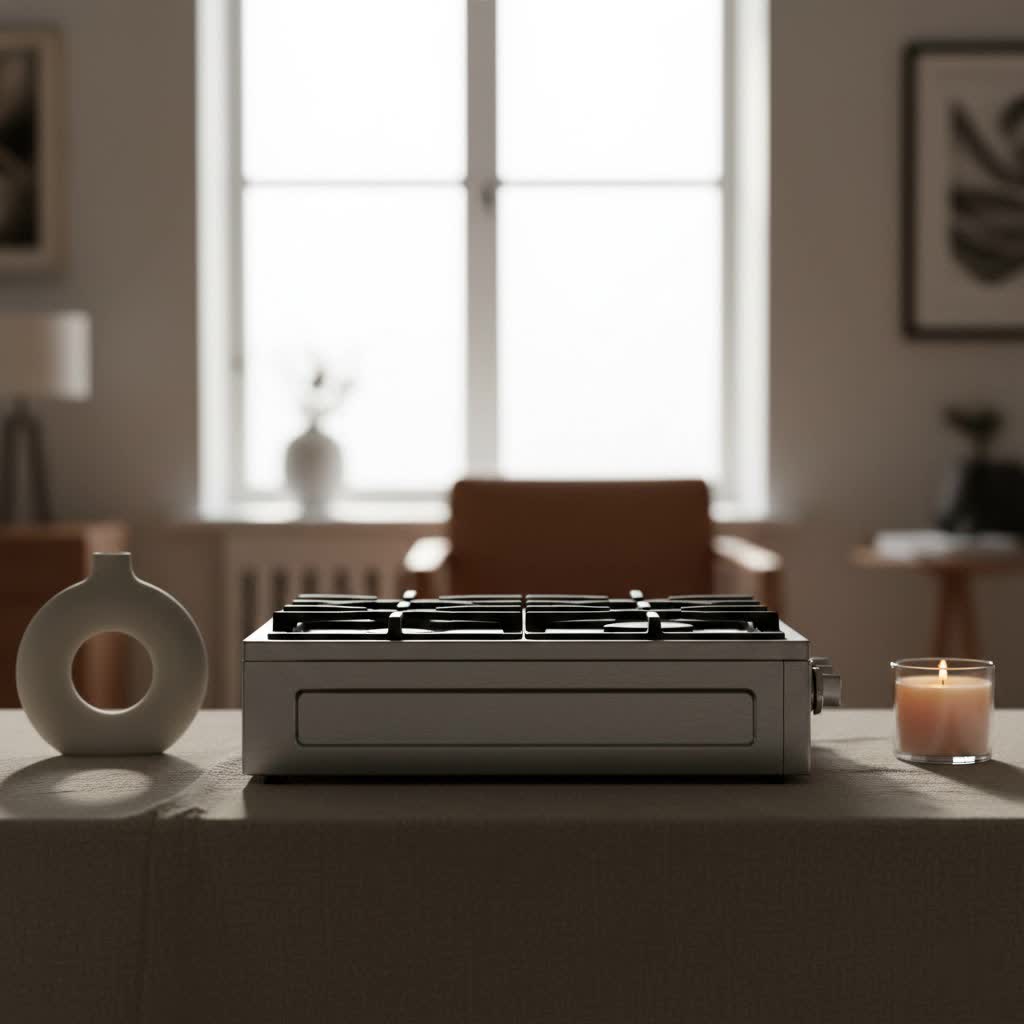
What is a Gas Stove Top? Construction and Working Principle
A gas stove top, often referred to as a gas cooktop, is the cooking surface of an appliance that uses natural gas or propane as fuel. While “gas range” typically refers to a unit that combines a stove top and an oven, a gas cooktop focuses solely on the burner section, either as a standalone unit or integrated into a full range. These versatile appliances come in various configurations, including freestanding, slide-in, built-in (drop-in), and even portable mini versions for compact needs.
At its core, a gas stove top is engineered for efficient heat delivery. Key components include:
- Burners: These are the primary heat sources, varying in size and power (measured in BTUs – British Thermal Units) to accommodate different cooking tasks, from searing to simmering.
- Grates: Usually made of cast iron or steel, these sit above the burners and support your cookware. Continuous grates, allowing you to slide pots across burners, are a popular feature.
- Ignition System: Most modern gas stove tops use an electronic ignition that creates a spark to light the gas. Older models might use a standing pilot light.
- Gas Valves and Control Knobs: These regulate the flow of gas to each burner, allowing you to precisely control the flame intensity.
- Gas Line Connection: The appliance connects to your home’s natural gas supply or a propane tank.
The working principle is straightforward: when a burner is turned on, gas flows through a valve and mixes with air. The ignition system then creates a spark (or the gas is lit by a pilot flame), igniting this gas-air mixture to produce a controlled flame. This flame directly heats the bottom of your pots and pans, providing immediate and responsive heat for cooking.
Types of Gas Stove Tops: Pros and Cons
Understanding the different types of gas stove tops is crucial for choosing one that fits your kitchen layout and cooking habits. Each design offers distinct advantages and potential drawbacks.
Freestanding Gas Ranges
- Pros: These are the most common and typically the most budget-friendly option. They feature finished sides, allowing them to be placed anywhere in your kitchen. They integrate both a cooktop and an oven, offering a complete cooking solution. Installation is often simpler as they slide into an existing space.
- Cons: The finished sides can sometimes make them look less integrated than slide-in or built-in models. Controls are usually located on a back panel, which can be difficult to reach over hot pots.
|
Our Picks for the Best Gas Stove in 2026
As an Amazon Associate I earn from qualifying purchases.
|
||
| Num | Product | Action |
|---|---|---|
| 1 | Avanti Gas Range Oven, Compact Freestanding Design, 4 Sealed Burners with Electronic Ignition, 2.1 Cu.Ft. Capacity Features Framed Glass Door Storage Drawer Broiler and Accessories, 20-Inch, White |

|
| 2 | Vivicreate High Pressure Propane Gas Regulator 20 PSIG Outdoor Camping BBQ Grill Stove Burner Estufas de Gas para Cocinar Afuera Es gas propano |
|
| 3 | Gas One Propane Double Burner Two Burner Camp Stove with Windscreen Outdoor High Pressure Propane 2 Burner Adjustable PSI Regulator and 4ft Steel Braided Hose With Removable Legs |
|
| 4 | Empava 30 in. Gas Stove Cooktop 5 Italy Sabaf Sealed Burners NG/LPG Convertible in Black Tempered Glass |
|
| 5 | Coleman Triton 2-Burner Propane Stove, Portable Camping Cooktop with 2 Adjustable Burners & Wind Guards, 22,000 BTUs of Power for Camping, Tailgating, Grilling, BBQ, & More |
|
| 6 | Gas One GS-3400P Propane or Butane Stove Dual Fuel Stove Portable Camping Stove - Patented - with Carrying Case Great for Emergency Preparedness Kit |
|
| 7 | Kenmore 5.6 cu. ft. Front Control Gas Range Oven with 5 Cooktop Burners - True Convection, Air Fry, Turbo Boil, Self Clean, Dishwasher Safe Grates, Three Chrome Racks, LP Kit - Stainless Steel |
|
| 8 | VEVOR 36 inch Gas Cooktop 5 Burners Gas Stove Top, Max 38300BTU Built-in Stainless Steel Stove Top LPG/NG Convertible Dual Fuel Cooktop Stoves with SABAF Dual-Ring Burner for Kitchen Apartment Rvs |
|
| 9 | Avanti Gas Range Oven, Compact Freestanding Design, 4 Sealed Burners with Electronic Ignition, 2.1 Cu.Ft. Capacity Features Storage Drawer Broiler and Accessories, 20-Inch, Black |
|
| 10 | GasOne High Pressure Single Propane Burner - Outdoor Cooking with Heat Shield and Guard – Propane Burner Head for Camping, Tailgating, Seafood Boil, Home Brewing - Patent Pending |
|
Slide-in Gas Ranges
- Pros: Designed to fit flush with countertops, offering a sleek, built-in look. Controls are typically located on the front, providing easier access and a more modern aesthetic. They also include an integrated oven.
- Cons: Generally more expensive than freestanding models. They require precise cabinet cutouts for a seamless fit, which might involve professional installation.
Drop-in (Built-in) Gas Cooktops
- Pros: These units are installed directly into a countertop, with no integrated oven, creating an exceptionally clean and minimalist look. This design frees up space below the counter for drawers or a separate wall oven. They offer the ultimate in kitchen design flexibility.
- Cons: Higher price point than many freestanding options, and professional installation is almost always required due to the precise cutout and gas line connections. They do not include an oven, meaning a separate purchase is necessary.
Portable Gas Cooktops (Gas Mini)
- Pros: Extremely compact and convenient for camping, outdoor cooking, or as an auxiliary burner. They are lightweight and easy to move, making them ideal for small spaces or occasional use.
- Cons: Typically have lower BTU output, making them less suitable for heavy-duty or frequent cooking. They run on small propane canisters, which need regular replacement. Safety requires good ventilation.
Comparing Popular Gas Stove Top Brands
The market is rich with gas stove top brands, each bringing its own strengths in terms of quality, features, and price. When selecting an appliance, it’s helpful to consider what each brand is known for.
- Bosch: Renowned for precision engineering and a sleek, minimalist European design. Bosch cooktops often feature high-temperature burners and excellent build quality, though they come with a higher price tag and potentially more complex installation.
- GE: A popular American brand that balances performance with accessibility. GE cooktops are praised for consistent burner performance, and higher-end models often include smart features. They benefit from a strong service network across the U.S.
- Samsung: Offers high-tech gas cooktops with intuitive controls, modern styling, and smart-home integration. Many models feature touch controls and Wi-Fi connectivity, though these advanced features can make them pricier.
- Whirlpool: Known for solid, reliable, and practical gas stoves. While they might not be the flashiest, Whirlpool delivers dependable value over time with durable construction and readily available service parts.
- Frigidaire: A go-to for budget-conscious consumers seeking dependable appliances with straightforward controls. Frigidaire cooktops offer affordable options and are widely available.
- Miele: A premium brand known for exceptional quality and performance, often featuring robust burners with high BTU outputs, lightweight cast iron grates, and advanced safety functions like GasStop. Miele caters to serious home cooks looking for professional-level meal preparation.
- LG: Offers feature-packed ranges with innovative additions like air fry and air sous vide in their ovens, alongside cooktops that provide even heat distribution and quick boiling times. Their designs often include intuitive controls and smart diagnosis features.
- Maytag: Delivers strong value, often featuring powerful burners like a center burner ideal for oversized pots or griddles. Maytag emphasizes durability and consistent cooking results.
These brands represent a spectrum from luxury and innovation to reliability and affordability, ensuring there’s a gas stove top to meet nearly any need and budget.
Detailed Comparison of Essential Gas Stove Top Features
While specific model comparisons are dynamic, focusing on key features allows you to evaluate any gas stove top effectively.
Burner Power and Variety (BTUs)
The British Thermal Unit (BTU) rating indicates a burner’s maximum heat output. Look for a range of BTUs across burners:
- High-BTU Burners (15,000-20,000+ BTUs): Ideal for rapid boiling, searing, and stir-frying. Many premium models feature a powerful “power burner” or a dual-ring burner for versatile high-heat cooking.
- Low-BTU Burners (5,000-9,000 BTUs): Perfect for simmering delicate sauces, melting butter, or keeping food warm without scorching. Precision simmer capabilities are a significant advantage.
- Specialty Burners: Some cooktops include oval-shaped burners for griddles or dedicated wok rings for specialized cooking.
Grate Design and Material
- Continuous Cast-Iron Grates: A highly desired feature that allows you to easily slide heavy pots and pans across the cooktop surface without lifting them. Cast iron retains heat well and is very durable.
- Individual Grates: While functional, these may require more lifting of cookware and can be less stable for larger pots.
- Dishwasher-Safe Grates: A convenience feature that simplifies cleaning.
Ignition System
- Automatic Electronic Ignition: Most modern stove tops ignite burners with a simple turn of a knob, producing an electrical spark. This is safer and more convenient than manual lighting.
- Flame Failure Safety Device (FFD): Also known as a thermocouple, this essential safety feature automatically cuts off the gas supply if a burner’s flame accidentally extinguishes (e.g., due to a draft or liquid spill), preventing gas leaks.
Cleaning and Maintenance Features
- Sealed Burners: These burners are sealed to the cooktop surface, preventing spills from dripping down into the interior of the appliance, making cleanup significantly easier.
- Smooth Surfaces: Stainless steel or toughened glass surfaces are popular for their aesthetic appeal and ease of wiping down. Fingerprint-resistant finishes are also available.
- Removable Burner Caps: Allow for thorough cleaning of burner components.
Aesthetic and Design
- Material: Stainless steel offers a professional, durable look, while tempered glass tops provide a sleek, modern aesthetic. Your choice depends on your kitchen’s overall design.
- Control Knobs: Front-mounted knobs offer a streamlined look, while backlit knobs can indicate when a burner is in use.
- Sizes: Common cooktop sizes include 24, 30, and 36 inches, with some larger options available, impacting the number and spacing of burners.
Guide to Choosing a Suitable Gas Stove Top
Selecting the right gas stove top involves a thoughtful evaluation of your cooking needs, kitchen space, and budget.
-
Determine Your Usage Needs:
- Household Size: A 2-burner model might suffice for singles or couples, while a 3-4 burner is suitable for small families. Larger families or those who frequently entertain might need 5 or more burners.
- Cooking Frequency: Daily cooks will benefit from durable, high-performance models. Occasional cooks might find more budget-friendly options sufficient.
- Cooking Style: Do you often simmer delicate sauces, or do you need high heat for stir-frying? Look for varied BTU outputs. Do you use oversized pots or a griddle? Consider a center burner or larger spacing.
-
Choose the Right Type of Gas Stove Top:
- Kitchen Space: A freestanding range is flexible. A slide-in or drop-in cooktop offers a more integrated look, especially if you have a modern kitchen or limited counter space.
- Budget: Freestanding ranges are generally the most affordable, followed by slide-in ranges, and then built-in cooktops and professional-grade ranges.
- Aesthetics: Consider how the stove top will integrate with your existing kitchen decor and desired style (e.g., modern, traditional, professional).
-
Prioritize Safety Features:
- Flame Failure Safety Device (FFD): This is paramount. It automatically cuts off the gas if the flame goes out, preventing dangerous gas leaks.
- Automatic Shut-off: Some models include features that turn off burners after a set period.
- Child Lock: If you have young children, this feature can prevent accidental activation.
-
Assess Product Quality and Durability:
- Brand Reputation: Stick to reputable brands known for quality and good customer service. Read reviews from other users.
- Materials: Look for robust construction materials like heavy-duty cast iron grates, thick stainless steel, or durable tempered glass.
- Certifications: Ensure the product has relevant safety certifications (e.g., ISI certified in some regions).
Tips for Safe and Efficient Gas Stove Top Use and Maintenance
To ensure your gas stove top operates safely and efficiently for years, proper installation, regular cleaning, and diligent maintenance are key.
Correct Installation
- Professional Installation: Always recommend professional installation for built-in cooktops and ranges to ensure proper gas line connection and ventilation.
- Ventilation: Ensure adequate ventilation, such as a range hood, to remove cooking fumes and byproducts of combustion.
- Leveling: The appliance should be level to prevent spills and ensure even cooking.
Regular Cleaning
- Daily Wipe-down: Wipe down the cooktop surface after each use to prevent food from baking on.
- Grate Cleaning: Remove and clean grates regularly, either by hand with soap and water or, if they are dishwasher-safe, in the dishwasher.
- Burner Cap Cleaning: Periodically remove and clean burner caps and heads to ensure ports are free of food debris, which can affect flame consistency.
- Sealed Burners: Take advantage of sealed burners for easier spill containment and cleanup.
Periodic Maintenance
- Gas Line Inspection: Have your gas lines, connections, and valves inspected periodically by a qualified professional for any signs of leaks or wear.
- Igniter Check: Ensure the igniters are clean and sparking correctly. If an igniter isn’t working, it could be clogged with food debris.
- Flame Appearance: A healthy gas flame should be mostly blue with a small yellow tip. If you see significant yellow or orange flames, or flames lifting off the burner, it could indicate an issue with the gas-to-air mixture or a clogged burner, requiring professional attention.
- Portable Cooktops: When using mini gas stoves, ensure you use the correct gas canisters, never refill disposable canisters, and always operate them in a well-ventilated area, away from flammable materials.
Common Gas Stove Top Problems and Solutions
Even the most reliable gas stove tops can encounter issues. Knowing how to identify and address common problems can save you hassle and potentially prevent more serious concerns.
Gas Stove Top Not Igniting
- Cause: This is often due to a clogged igniter, a loose connection, a power outage (for electronic ignition), or a lack of gas supply.
- Solution: First, ensure the gas supply valve is open. Check if there’s power to the unit. If the igniter clicks but no flame appears, the burner ports or the igniter itself might be clogged with food debris. Gently clean the igniter and burner ports with a soft brush or toothpick. If the problem persists, it could be a faulty igniter or a deeper gas supply issue, requiring a professional.
Uneven Flame or Weak Flame
- Cause: Usually a sign of clogged burner ports or an issue with gas pressure.
- Solution: Ensure the burner caps and heads are correctly positioned and free of debris. Use a stiff wire or paperclip to clear any blockages in the tiny burner ports. If cleaning doesn’t help, a gas pressure regulator might be faulty, which requires a technician.
Gas Leak Detection
- Cause: A damaged gas line, a faulty valve, or a loose connection can lead to gas leaks.
- Detection: The most obvious sign is the distinct smell of rotten eggs (sulfur additive). You can also mix dish soap with water to create a sudsy solution and apply it to gas connections; bubbles forming indicate a leak.
- Safe Handling: If you suspect a gas leak, immediately turn off the main gas supply valve, open windows and doors for ventilation, evacuate the area, and call your gas provider or emergency services from a safe distance. Do not operate electrical switches, light matches, or use phones inside the house.
Gas Stove Top Safety: Key Considerations
Safety is paramount when operating any gas appliance. Being aware of potential risks and implementing preventive measures can protect your home and family.
Risks of Gas Stove Tops
- Fire Hazards: Open flames can ignite flammable materials, including clothing, curtains, or cooking oils.
- Gas Leaks: Undetected gas leaks can lead to fire, explosions, or carbon monoxide poisoning, which is odorless and colorless.
- Burns: Hot surfaces and open flames pose a burn risk, especially for children.
- Indoor Air Quality: Gas combustion releases pollutants, including nitrogen dioxide and carbon monoxide, which can affect indoor air quality if ventilation is insufficient.
Prevention and Safe Practices
- Proper Installation and Maintenance: As discussed, professional installation and regular inspections are crucial.
- Adequate Ventilation: Always use a range hood or open a window while cooking to vent fumes and heat.
- Stay Attentive: Never leave cooking food unattended. Keep flammable items (paper towels, dishcloths) away from burners.
- Appropriate Cookware: Use pots and pans that are appropriately sized for the burner to ensure efficient heating and prevent flames from extending beyond the base.
- Child Safety: Use child locks on knobs if available, or consider removing knobs when the stove is not in use. Always supervise children in the kitchen.
- Carbon Monoxide Detectors: Install carbon monoxide detectors in your home, especially if you have gas appliances.
Emergency Response
- Small Grease Fires: If a small grease fire erupts, slide a lid over the pan to smother the flames. Do NOT use water, as it can spread the fire.
- Larger Fires: If a fire cannot be quickly contained, evacuate immediately and call emergency services.
- Gas Leak Emergency: Follow the steps outlined in the “Gas Leak Detection” section: shut off gas, ventilate, evacuate, and call for help.
Where to Buy a Gas Stove Top?
Purchasing a gas stove top involves considering both the product and the vendor to ensure a satisfactory experience.
Reputable Retailers
- Appliance Stores: Specialized appliance stores often have knowledgeable staff who can provide detailed information, arrange professional installation, and offer extended warranties.
- Big Box Stores: Major retailers (like Lowe’s, Home Depot, Best Buy) offer a wide selection of brands and models across various price points. They frequently have sales and can arrange delivery and installation.
- Department Stores: Some department stores with home sections also carry a range of gas stove tops.
Buying Online
- Manufacturer Websites: Purchasing directly from the manufacturer can sometimes offer exclusive deals or direct access to customer support.
- Online Retailers: E-commerce giants provide extensive selections and customer reviews, which can be invaluable for research.
- Considerations: When buying online, always:
- Verify Seller Reputation: Ensure you are buying from an authorized and reputable seller.
- Read Product Information Carefully: Double-check dimensions, fuel type (natural gas or propane), features, and warranty details.
- Review Return Policies: Understand the return and refund policy before making a purchase.
- Check Delivery and Installation Options: Confirm whether installation services are included or can be arranged.
Reference Gas Stove Top Pricing (Latest Update)
The price of a gas stove top can vary significantly based on its type, brand, features, and materials. Here’s a general overview to help you budget:
- Entry-Level (Budget-Friendly): $400 – $800
- Typically 2-4 burner freestanding models, often with basic features and standard finishes. Brands like Frigidaire, Whirlpool, or Gasland might offer models in this range.
- Mid-Range: $800 – $1,800
- Offers a wider selection of freestanding or slide-in ranges with 4-5 burners, improved BTU output, continuous grates, and better materials like stainless steel. Brands like GE, Maytag, or Samsung often have strong contenders here.
- Premium/High-End: $1,800 – $5,000+
- Features advanced designs, powerful burners (high BTU, multiple specialty burners), smart technology, superior build quality, and high-end aesthetics. Brands such as Bosch, Miele, Thermador, Wolf, ZLINE, KitchenAid, and LG fall into this category, particularly for drop-in cooktops or professional-style ranges.
Always remember that prices are subject to change and vary by retailer and promotions. It’s advisable to compare prices from multiple sources before making a decision.
Conclusion: Making a Smart Gas Stove Top Choice for Your Home
Choosing the perfect gas range stove top is an investment in your home and your culinary journey. With their instant heat, precise control, and ability to handle a wide array of cooking techniques, gas stove tops remain a cornerstone in kitchens worldwide. By carefully considering your cooking habits, kitchen design, and prioritizing essential features like powerful burners, continuous grates, and crucial safety mechanisms such as flame failure detection, you can confidently select an appliance that not only meets your needs but also elevates your cooking experience.
Are you ready to embrace the art of flame-controlled cooking and find the gas stove top that sparks your culinary creativity?
Frequently Asked Questions
What is the main difference between a gas range and a gas cooktop?
A gas range is a single appliance that combines a gas stove top with a gas oven. A gas cooktop, on the other hand, is just the cooking surface (burners) that is installed into a countertop, requiring a separate oven.
Are gas stove tops safe to use in a modern kitchen?
Yes, modern gas stove tops are safe when properly installed and maintained. They include safety features like flame failure detection, which automatically cuts off gas if the flame goes out. Adequate ventilation (like a range hood) is essential to ensure good indoor air quality.
How often should I clean my gas stove top?
For optimal performance and hygiene, it’s recommended to wipe down your gas stove top after each use. A deeper clean, including removing and washing grates and burner caps, should be done weekly or as needed to prevent buildup and maintain efficiency.
What BTU range is best for a versatile gas stove top?
A versatile gas stove top typically offers a range of BTUs. Look for at least one high-BTU burner (15,000-20,000+ BTUs for boiling and searing) and at least one low-BTU burner (around 5,000-9,000 BTUs for simmering) to cover various cooking needs.
Can I convert a gas stove top from natural gas to propane?
Many gas stove tops are convertible between natural gas and liquid propane (LP) with a conversion kit, usually included or available from the manufacturer. However, this conversion typically requires professional installation to ensure safety and proper operation.
