Choosing a new gas stove and oven, often called a gas range, is a significant decision for any home chef. With a plethora of options available, understanding the nuances of different models, features, and brands is key to finding an appliance that perfectly fits your culinary style, kitchen space, and budget. This guide will walk you through everything you need to know to make an informed purchase, ensuring your next gas range empowers your cooking for years to come.
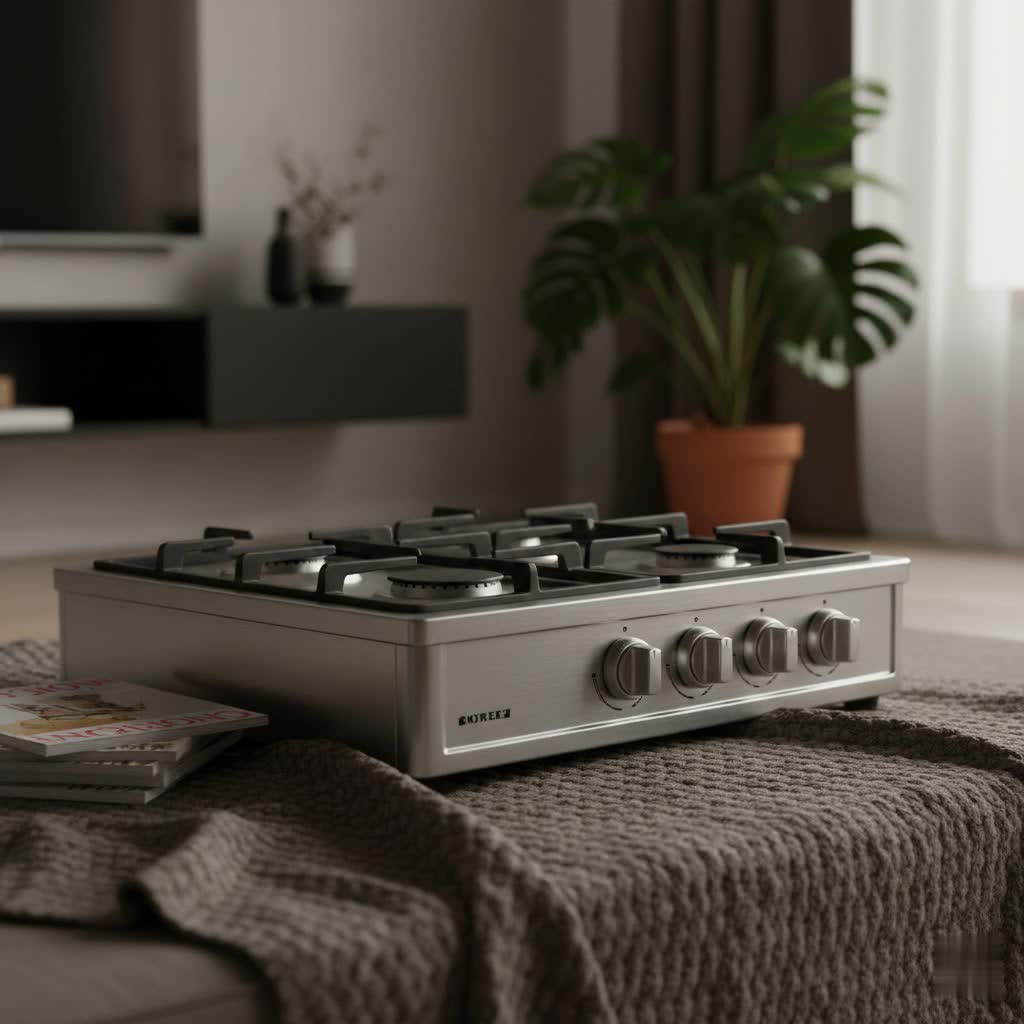
What is a Gas Stove and Oven? Components and Working Principle
A gas stove and oven, or gas range, is a single appliance combining a cooktop with burners and an oven, both powered by natural gas or propane. It’s a cornerstone in many kitchens, favored for its immediate heat and precise temperature control.
Types of Gas Ranges:
- Freestanding: The most common type, with finished sides allowing it to stand alone or between cabinets. Controls are typically on a backguard.
- Slide-in: Designed to fit seamlessly between cabinets, offering a built-in look with front-mounted controls.
- Dual-Fuel: Features a gas cooktop for instant flame control and an electric oven for more even and consistent baking.
- All-Gas: Both the cooktop and oven operate on gas, offering a unified fuel source.
Key Components:
- Burners: The cooktop typically features four to six burners of varying sizes and British Thermal Unit (BTU) outputs, allowing for tasks from a gentle simmer to a powerful sear.
- Grates: Heavy-duty grates sit over the burners, supporting cookware. Continuous grates allow for easy sliding of pots and pans across the cooktop.
- Ignition System: Modern gas ranges use electronic or spark ignition, eliminating the need for a continuously burning pilot light, which saves energy.
- Oven Cavity: The enclosed space below the cooktop used for baking, roasting, and broiling. Many feature convection fans for even heat distribution.
- Control Panel: Located on the front or backguard, it provides knobs or digital displays to manage burner flames and oven settings.
Working Principle:
Gas ranges operate by drawing natural gas or propane from your home’s supply. When a burner knob is turned and the ignition system activated, gas flows to the burner, where it mixes with air and ignites, creating a flame. For the oven, gas flows into a burner at the bottom of the cavity, ignites, and heats the air inside, which then circulates to cook food.
Types of Gas Ranges: Pros and Cons
Understanding the different configurations helps determine which best suits your kitchen and cooking preferences.
Freestanding Gas Ranges
- Pros: Generally more affordable, easy to install and replace, finished sides offer flexibility in placement, often come with a backguard that protects the wall.
- Cons: May not offer the sleek, integrated look of slide-in models, controls on the backguard can sometimes be harder to reach over hot pots.
|
Our Picks for the Best Gas Stove in 2026
As an Amazon Associate I earn from qualifying purchases.
|
||
| Num | Product | Action |
|---|---|---|
| 1 | Gas One GS-3400P Propane or Butane Stove Dual Fuel Stove Portable Camping Stove - Patented - with Carrying Case Great for Emergency Preparedness Kit |

|
| 2 | GasOne High Pressure Single Propane Burner - Outdoor Cooking with Heat Shield and Guard – Propane Burner Head for Camping, Tailgating, Seafood Boil, Home Brewing - Patent Pending |
|
| 3 | Coleman Triton 2-Burner Propane Stove, Portable Camping Cooktop with 2 Adjustable Burners & Wind Guards, 22,000 BTUs of Power for Camping, Tailgating, Grilling, BBQ, & More |
|
| 4 | Vivicreate High Pressure Propane Gas Regulator 20 PSIG Outdoor Camping BBQ Grill Stove Burner Estufas de Gas para Cocinar Afuera Es gas propano |
|
| 5 | Gas One Propane Double Burner Two Burner Camp Stove with Windscreen Outdoor High Pressure Propane 2 Burner Adjustable PSI Regulator and 4ft Steel Braided Hose With Removable Legs |
|
| 6 | Avanti Gas Range Oven, Compact Freestanding Design, 4 Sealed Burners with Electronic Ignition, 2.1 Cu.Ft. Capacity Features Framed Glass Door Storage Drawer Broiler and Accessories, 20-Inch, White |
|
| 7 | Avanti Gas Range Oven, Compact Freestanding Design, 4 Sealed Burners with Electronic Ignition, 2.1 Cu.Ft. Capacity Features Storage Drawer Broiler and Accessories, 20-Inch, Black |
|
| 8 | Kenmore 5.6 cu. ft. Front Control Gas Range Oven with 5 Cooktop Burners - True Convection, Air Fry, Turbo Boil, Self Clean, Dishwasher Safe Grates, Three Chrome Racks, LP Kit - Stainless Steel |
|
| 9 | Empava 30 in. Gas Stove Cooktop 5 Italy Sabaf Sealed Burners NG/LPG Convertible in Black Tempered Glass |
|
| 10 | VEVOR 36 inch Gas Cooktop 5 Burners Gas Stove Top, Max 38300BTU Built-in Stainless Steel Stove Top LPG/NG Convertible Dual Fuel Cooktop Stoves with SABAF Dual-Ring Burner for Kitchen Apartment Rvs |
|
Slide-in Gas Ranges
- Pros: Provide a custom, built-in appearance by sitting flush with countertops, front controls are convenient and safer as you don’t reach over hot burners.
- Cons: Typically more expensive, require precise cabinet cutouts for installation, and usually have unfinished sides that must be concealed by cabinets.
Dual-Fuel Ranges (Gas Cooktop, Electric Oven)
- Pros: Combines the best of both worlds – the responsiveness and instant control of a gas flame for stovetop cooking, with the dry, consistent, and even heat of an electric convection oven for superior baking and roasting results.
- Cons: Higher price point due to the dual energy systems, requires both a gas line and a 240V electrical outlet for installation.
All-Gas Ranges
- Pros: Uses a single fuel source (gas) for both cooktop and oven, often more energy-efficient and cost-effective to operate than electric, provides a cohesive cooking experience for those who prefer gas.
- Cons: Gas ovens can sometimes have less consistent heat distribution compared to electric ovens, which can affect delicate baked goods, though modern convection features mitigate this.
Comparing Popular Gas Stove and Oven Brands
The market is rich with reputable brands, each offering unique features, designs, and price points. Here’s a look at some leading names:
- LG: Known for smart features, large oven capacities, and innovative functions like Air Fry and Air Sous Vide. Often praised for modern aesthetics and intuitive controls.
- Samsung: Offers stylish designs, smart connectivity, and unique features such as Flex Duo ovens that can convert one large cavity into two smaller ones.
- GE Profile: Delivers strong performance with features like no-preheat air fry and robust burner power, often at a competitive price point, and with a focus on smart home integration.
- Bosch: Renowned for sleek, European-inspired designs, precise engineering, and advanced cooking modes. Bosch ranges often feature excellent heat distribution in their ovens.
- KitchenAid: Targets serious home cooks with commercial-style aesthetics, high-BTU burners, and professional-grade performance.
- Whirlpool: Offers reliable and user-friendly gas ranges, focusing on practical features for everyday cooking and easy maintenance.
- Maytag: Emphasizes durability and robust performance, often including powerful burners and reliable oven functions designed for heavy use.
- ILVE & ZLINE: These brands cater to a more premium segment, offering professional-style ranges with luxurious aesthetics, high-performance burners, and advanced oven capabilities, often with a focus on handcrafted quality and unique finishes.
Detailed Comparison of Best-Selling Gas Range Models
When looking for a gas range, specific models stand out for their blend of features, performance, and value. While exact pricing and availability vary, here are common criteria found in popular models:
| Feature/Model Type | Budget-Friendly (e.g., Basic Freestanding) | Mid-Range (e.g., Smart Freestanding/Slide-in) | Premium (e.g., Dual-Fuel Pro-Style) |
|---|---|---|---|
| Oven Capacity | 4.5 – 5.0 cu. ft. | 5.0 – 6.3 cu. ft. | 5.0 – 7.0+ cu. ft. (often double) |
| Burner BTUs | 5,000 – 12,000 BTU | 5,000 – 17,000 BTU (incl. power burner) | 8,000 – 25,000 BTU (multiple power) |
| Special Features | Manual clean, basic bake/broil | Convection, self-clean, griddle, air fry | True convection, smart tech, steam, multiple oven modes |
| Design | Standard finish, backguard controls | Stainless steel, front controls, varied finishes | Commercial-style, designer colors, pro knobs |
| Price Range | $600 – $1,200 | $1,200 – $2,500 | $2,500 – $8,000+ |
Models often include desirable features such as:
- Convection Cooking: A fan circulates hot air for faster, more even baking and roasting, especially useful when cooking on multiple racks.
- Self-Cleaning Function: High-heat cycles burn food residue into easily wiped ash, simplifying oven maintenance.
- Air Fry Mode: Integrated air frying capabilities in the oven cavity, eliminating the need for a separate countertop appliance.
- Griddle/Grill Plate: Often comes with a reversible cast iron griddle that fits over a center burner or two burners, perfect for pancakes or searing.
- Smart Connectivity: Wi-Fi enabled ranges allow for remote control, monitoring, and troubleshooting via a smartphone app.
How to Choose the Right Gas Range for Your Home
Selecting the ideal gas range involves a thoughtful assessment of your lifestyle and kitchen.
1. Determine Your Usage Needs
- Family Size: A larger family or frequent entertaining might benefit from a larger oven capacity (5.0+ cu. ft. or a double oven) and more burners (5 or 6).
- Cooking Frequency: Daily cooks will appreciate robust construction and advanced features, while occasional users might prioritize value and ease of use.
- Cooking Style: If you love searing and wok cooking, look for high-BTU power burners. Bakers might prefer dual-fuel for the electric oven’s precise heat.
2. Evaluate Your Kitchen Space and Installation
- Dimensions: Measure the width, depth, and height of your designated space. Standard ranges are often 30 inches wide, but 20-inch to 60-inch models are available. Ensure sufficient clearance from adjacent cabinets and walls.
- Fuel Type: Confirm you have an existing natural gas line, or if you’ll need to convert to propane (many gas ranges are convertible). If considering dual-fuel, verify a 240V electrical outlet is also available.
- Ventilation: Proper ventilation is crucial for gas ranges. Consider the type and power of your range hood.
3. Prioritize Safety Features
Modern gas ranges come equipped with critical safety mechanisms. Look for:
- Automatic Gas Shut-off: Sensors that detect if a flame extinguishes and automatically cut off the gas supply, preventing leaks.
- Electronic Ignition: Safer than pilot lights as gas only flows when igniting.
- Sturdy Grates: Heavy-duty grates provide a stable surface for cookware.
- Cool-Touch Oven Doors: Multiple panes of glass keep the exterior cool, reducing burn risks.
4. Assess Quality, Brand Reputation, and Warranty
- Brand Reputation: Choose brands known for reliability and good customer service. Read reviews to gauge real-world performance and durability.
- Certifications: Ensure the model is certified by a nationally recognized testing laboratory.
- Warranty: A comprehensive warranty (typically 1-2 years parts and labor) provides peace of mind. Some brands offer extended warranties.
Tips for Safe and Efficient Gas Range Use and Maintenance
To ensure your gas range performs optimally and safely, proper installation, use, and routine maintenance are essential.
Proper Installation
Always have your gas range installed by a qualified professional. This ensures correct connection to the gas line, proper ventilation, and adherence to local codes. Improper installation can lead to gas leaks or inefficient operation.
Regular Cleaning
- Cooktop: Wipe down spills immediately with a damp cloth. For sealed burners, clean around them, avoiding spray into the ignition ports. Removable grates can often be cleaned in the sink with warm, soapy water or, for some models, in the dishwasher.
- Oven: Utilize the self-cleaning function if available. For non-self-cleaning ovens, use oven-safe cleaning products and follow instructions carefully. Clean up significant spills to prevent baked-on residue and odors.
Periodic Checks
- Gas Lines and Valves: Regularly inspect the gas hose and connections for any signs of wear, kinks, or leaks. If you smell gas, immediately turn off the gas supply and ventilate your home.
- Burners and Igniters: Ensure burner ports are clear of debris for an even flame. Clean igniters gently with a brush if they are not sparking reliably.
Ventilation
Always use your range hood or exhaust fan when cooking to remove smoke, grease, and combustion byproducts, improving air quality and kitchen safety.
Common Gas Range Problems and Troubleshooting
Even with the best models, issues can arise. Here are some common problems and initial troubleshooting steps:
- Burner Not Lighting:
- Cause: Gas supply off, igniter dirty/wet, burner cap misaligned.
- Fix: Check if the gas valve is open. Clean the igniter with a dry toothbrush. Ensure burner caps are properly seated.
- Flame is Uneven or Weak:
- Cause: Clogged burner ports, low gas pressure.
- Fix: Clean burner ports with a thin wire or needle. If the issue persists across all burners, consult a professional for gas pressure assessment.
- Oven Not Heating Properly:
- Cause: Igniter malfunction, gas valve issue, temperature sensor fault.
- Fix: For gas ovens, if you don’t hear the igniter click or see the glow, it might be faulty. This usually requires professional service.
- Smelling Gas:
- Cause: Gas leak.
- Fix: Immediate action is critical. Turn off the gas supply to the range and your home. Open windows and doors. Do not use any electrical switches or phones. Evacuate the premises and call your gas company or fire department from a safe distance.
Gas Ranges and Safety: What You Need to Know
Gas appliances, while highly efficient, require careful attention to safety to prevent hazards.
Risks
- Fire and Explosion: Gas leaks, if ignited, can cause severe fires or explosions.
- Carbon Monoxide Poisoning: Incomplete combustion can produce carbon monoxide, an odorless, colorless, and highly toxic gas. Ensure good ventilation.
Prevention
- Professional Installation: Always have gas appliances installed by certified technicians.
- Ventilation: Use a range hood or open windows to ensure adequate air circulation.
- Regular Maintenance: Inspect gas lines, connections, and burners routinely.
- Carbon Monoxide Detector: Install a CO detector near your kitchen for an early warning of leaks.
- Never Leave Cooking Unattended: Especially when using high heat or frying.
Emergency Response
If you suspect a gas leak (smell of rotten eggs, hissing sound):
- Immediately turn off the gas supply valve to the range.
- Open all windows and doors to ventilate the area.
- Evacuate everyone from the building.
- Once outside and at a safe distance, call your gas utility company or fire department.
- Do NOT use any electrical switches, phones, or ignite any flames inside the house until deemed safe by professionals.
Where to Buy a Gas Range
Gas ranges are available through various retail channels, each offering different advantages.
- Appliance Stores & Department Stores: These often have showrooms where you can see, touch, and compare different models in person. Sales associates can provide expert advice, and stores typically offer installation and removal services.
- Home Improvement Centers: Retailers like Lowe’s or Home Depot carry a wide selection and often have competitive pricing, especially during sales events.
- Online Retailers: Websites like Amazon, Best Buy, or directly from manufacturer sites (e.g., LG, Samsung) offer convenience and a vast selection. Be sure to check return policies, shipping costs, and customer reviews.
- Outlet Stores: For budget-conscious shoppers, appliance outlets can offer discounted prices on floor models, open-box items, or slightly damaged goods. Always inspect these thoroughly for functionality and cosmetic issues before buying.
When buying online, always verify the seller’s reputation, read product specifications carefully, and understand the warranty and return process.
Reference Price Guide for Gas Ranges (Latest Update)
Prices for gas ranges can fluctuate based on brand, features, size, and sales. Here’s a general guide:
- Entry-Level Freestanding Gas Ranges: Typically range from $600 to $1,200. These offer basic features, manual cleaning, and standard burner configurations.
- Mid-Range Freestanding/Slide-in Gas Ranges: Expect to pay $1,200 to $2,500. These often include convection, self-cleaning, more powerful burners, and improved aesthetics.
- Premium & Dual-Fuel Gas Ranges: Prices can vary from $2,500 to $8,000+. This category features professional-style designs, dual-fuel options, smart technology, advanced cooking modes (e.g., steam, air sous vide), and high-end materials.
Look for seasonal sales (e.g., Black Friday, holiday weekends) and appliance bundles which can offer significant savings.
Conclusion: Making an Informed Choice for Your Family’s Gas Range
Choosing the right gas stove and oven for sale involves carefully weighing your cooking needs, kitchen layout, desired features, and budget. From the instant heat of gas burners to the precise baking capabilities of a convection oven, a well-chosen gas range can truly transform your culinary experience. Prioritizing safety, understanding installation requirements, and considering long-term maintenance will ensure your investment brings years of delicious meals and dependable performance.
What innovative dishes will you create with your new gas range?
Frequently Asked Questions
What is the average lifespan of a gas stove and oven?
A well-maintained gas stove and oven can typically last between 13 to 15 years, with some models extending to 20 years. Regular cleaning and timely professional checks contribute significantly to its longevity and efficient operation.
Can I convert a natural gas range to propane, or vice versa?
Yes, most gas ranges can be converted between natural gas and liquid propane (LP) with a conversion kit. This process usually involves replacing or adjusting orifices and typically requires a qualified technician to ensure safety and proper functionality.
Is a self-cleaning oven worth the extra cost?
For many, a self-cleaning oven is a worthwhile investment. It uses high temperatures to burn off food residue, reducing it to ash that can be easily wiped away. This feature saves significant time and effort compared to manual cleaning with chemical cleaners.
How many BTUs do I need for my gas range burners?
Burner BTU requirements depend on your cooking style. Standard burners range from 5,000 to 12,000 BTUs for general cooking. For quick boiling, searing, or wok cooking, look for at least one power burner offering 15,000 BTUs or more.
What’s the difference between a freestanding and a slide-in gas range?
A freestanding gas range has finished sides and a backguard with controls, allowing it to be placed anywhere in the kitchen. A slide-in gas range is designed for a custom, built-in look, fitting between cabinets with unfinished sides and front-mounted controls.
