For home chefs who demand precision, power, and peerless design, a KitchenAid gas stove top is more than an appliance—it’s an invitation to elevate your culinary journey. Whether you’re a seasoned cook perfecting complex dishes or an aspiring enthusiast experimenting with new flavors, the right cooktop can transform your kitchen experience. KitchenAid, a brand synonymous with quality and innovation, offers a range of gas cooktops and rangetops engineered to meet the highest standards of performance and style. This comprehensive guide will explore the intricacies of KitchenAid gas stove tops, from their fundamental mechanics to specific model comparisons and essential buying considerations, ensuring you find the perfect match for your kitchen and cooking aspirations.
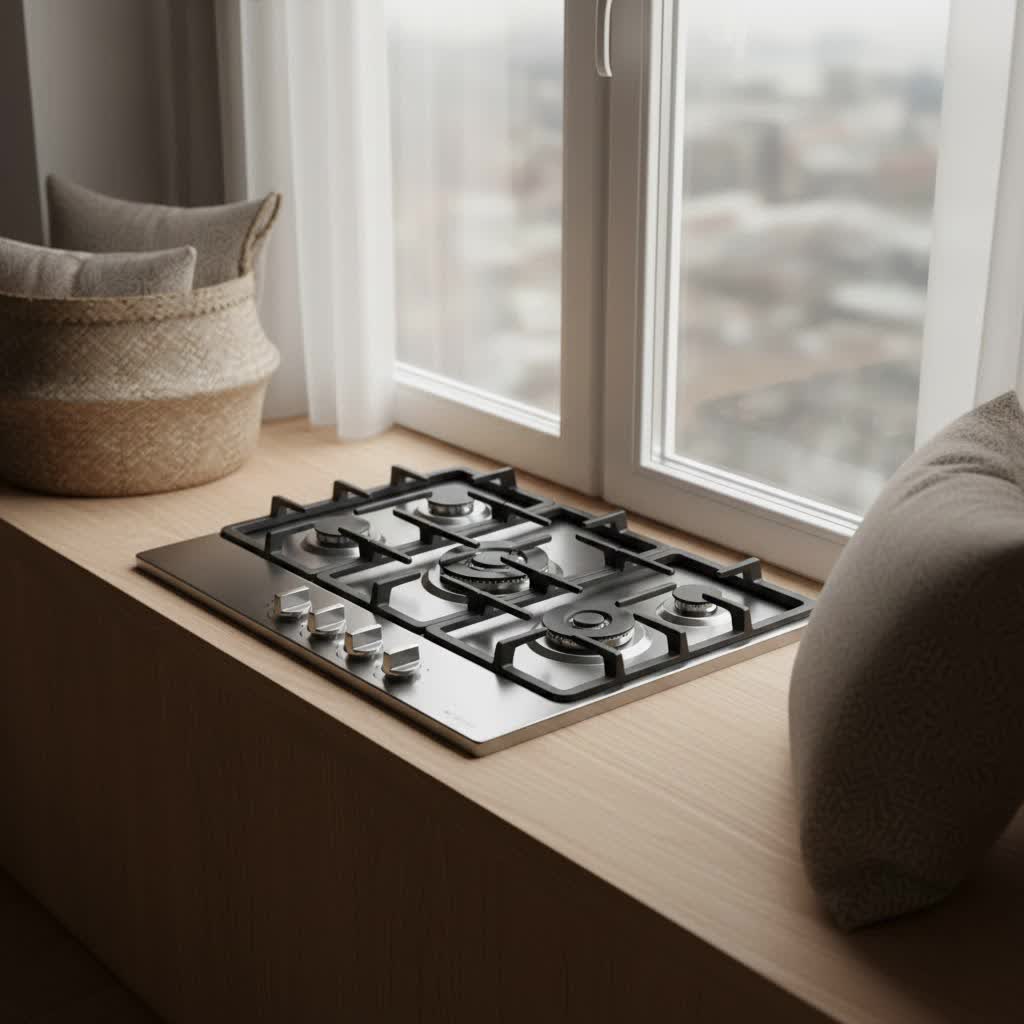
Gas Cooktops: An Overview of Structure and Function
At its core, a gas cooktop operates on a simple yet effective principle: mixing natural gas or propane with air and igniting it to create a controlled flame for cooking. KitchenAid designs these essential appliances with meticulous attention to detail, focusing on features that enhance both performance and user experience.
What Makes a KitchenAid Gas Stove Top?
KitchenAid gas cooktops are primarily built-in drop-in units, seamlessly integrating into your countertop with controls located on the cooktop surface itself. In contrast, rangetops, often referred to as commercial-style gas stove tops, feature a deeper front face with controls positioned at the front, mimicking a professional range without the integrated oven.
The construction typically includes robust components engineered for longevity and precise cooking:
- Burners: KitchenAid gas cooktops often feature various burner types, including powerful dual-ring burners for rapid boiling and high-heat searing, alongside Even-Heat™ Simmer Burners designed for delicate tasks like melting chocolate or simmering sauces. Many models incorporate sealed burners to prevent spills from entering the burner box, simplifying cleanup.
- Grates: Most KitchenAid gas cooktops come with full-width cast-iron grates. These heavy-duty grates provide a stable, continuous surface, allowing you to easily slide pots and pans from one burner to another without lifting. They are built for durability and can be removed for cleaning.
- Ignition System: Modern gas cooktops utilize an electronic ignition system that creates a spark to light the gas. Features like automatic re-ignition ensure that if a flame goes out, it will automatically relight, adding a layer of safety and convenience.
- Control Knobs: KitchenAid cooktops feature ergonomic control knobs, often made with a premium multi-finish, providing precise flame adjustment for optimal cooking control.
- Cooktop Surface: Surfaces vary from classic stainless steel to sleek gas-on-glass options. The CookShield Finish, found on some stainless steel models, helps protect the surface from stains, making it easier to wipe away spills and grease.
|
Our Picks for the Best Gas Stove in 2026
As an Amazon Associate I earn from qualifying purchases.
|
||
| Num | Product | Action |
|---|---|---|
| 1 | Coleman Triton 2-Burner Propane Stove, Portable Camping Cooktop with 2 Adjustable Burners & Wind Guards, 22,000 BTUs of Power for Camping, Tailgating, Grilling, BBQ, & More |

|
| 2 | Avanti Gas Range Oven, Compact Freestanding Design, 4 Sealed Burners with Electronic Ignition, 2.1 Cu.Ft. Capacity Features Framed Glass Door Storage Drawer Broiler and Accessories, 20-Inch, White |
|
| 3 | Empava 30 in. Gas Stove Cooktop 5 Italy Sabaf Sealed Burners NG/LPG Convertible in Black Tempered Glass |
|
| 4 | Kenmore 5.6 cu. ft. Front Control Gas Range Oven with 5 Cooktop Burners - True Convection, Air Fry, Turbo Boil, Self Clean, Dishwasher Safe Grates, Three Chrome Racks, LP Kit - Stainless Steel |
|
| 5 | GasOne High Pressure Single Propane Burner - Outdoor Cooking with Heat Shield and Guard – Propane Burner Head for Camping, Tailgating, Seafood Boil, Home Brewing - Patent Pending |
|
| 6 | Gas One Propane Double Burner Two Burner Camp Stove with Windscreen Outdoor High Pressure Propane 2 Burner Adjustable PSI Regulator and 4ft Steel Braided Hose With Removable Legs |
|
| 7 | VEVOR 36 inch Gas Cooktop 5 Burners Gas Stove Top, Max 38300BTU Built-in Stainless Steel Stove Top LPG/NG Convertible Dual Fuel Cooktop Stoves with SABAF Dual-Ring Burner for Kitchen Apartment Rvs |
|
| 8 | Gas One GS-3400P Propane or Butane Stove Dual Fuel Stove Portable Camping Stove - Patented - with Carrying Case Great for Emergency Preparedness Kit |
|
| 9 | Avanti Gas Range Oven, Compact Freestanding Design, 4 Sealed Burners with Electronic Ignition, 2.1 Cu.Ft. Capacity Features Storage Drawer Broiler and Accessories, 20-Inch, Black |
|
| 10 | Vivicreate High Pressure Propane Gas Regulator 20 PSIG Outdoor Camping BBQ Grill Stove Burner Estufas de Gas para Cocinar Afuera Es gas propano |
|
The fundamental operating principle involves a regulated flow of gas to the burner, where it mixes with ambient air. When the ignition system sparks, this gas-air mixture ignites, producing a blue flame. Adjusting the control knob changes the gas flow, allowing precise control over the flame size and heat intensity, a key advantage for many home chefs.
Types of KitchenAid Gas Stove Tops: Advantages and Considerations
KitchenAid offers a diverse range of gas stove tops, each designed to cater to different kitchen layouts and culinary preferences. Understanding the distinctions between these types is crucial for making an informed decision.
Built-in Gas Cooktops
These are the most common type, installed directly into a cutout in your countertop. They offer a sleek, integrated look, freeing up space below for drawers or a wall oven.
- Advantages:
- Aesthetics: Seamlessly blends with your kitchen design for a modern, uncluttered appearance.
- Installation Flexibility: Can be installed on kitchen islands or peninsulas, creating a versatile cooking station.
- Variety: Available in multiple configurations (e.g., 30-inch with 4 or 5 burners, 36-inch with 5 burners) to suit different cooking needs.
- Considerations:
- Requires a separate oven, which might increase overall appliance cost.
- Installation involves precise countertop cutting and gas line hookup.
Commercial-Style Gas Rangetops
Designed for those seeking a professional kitchen aesthetic, rangetops are deeper than traditional cooktops and sit proudly on top of the counter, with controls located at the front.
- Advantages:
- Professional Look: Offers a high-end, commercial-grade appearance that can be a focal point in your kitchen.
- Front Controls: Provides easy access to burner controls without reaching over hot pots.
- Higher Power: Often feature more powerful burners (e.g., 20,000 BTU Ultra Power™ burners) for rapid heating.
- Considerations:
- Typically require more counter depth and space than standard cooktops.
- Generally come with a higher price point.
- May require enhanced ventilation due to higher BTU output.
Downdraft Gas Cooktops
These innovative cooktops integrate a ventilation system directly into the cooking surface, eliminating the need for an overhead range hood.
- Advantages:
- Space-Saving: Ideal for kitchens where an overhead hood isn’t feasible or desired, such as islands or open-concept designs.
- Streamlined Look: Maintains clean sightlines in the kitchen.
- Considerations:
- Downdraft ventilation can sometimes be less effective than powerful overhead hoods for capturing all smoke and steam.
- Some users report that the downdraft fan can be noisy or can pull flames away from smaller pots.
Gas-on-Glass Cooktops
Combining the precision of gas with the sleekness of a glass surface, these models offer a unique aesthetic.
- Advantages:
- Modern Design: Provides a sophisticated, high-gloss appearance.
- Easier Cleaning: The flat glass surface can be simpler to wipe down compared to intricate stainless steel and grates for everyday spills.
- Considerations:
- The glass surface can be susceptible to scratches or, in rare cases, cracking from heavy impact.
- Some reviews suggest the glass can retain heat, making cleanup immediate after cooking more challenging.
KitchenAid vs. Leading Gas Stove Top Brands
When choosing a gas stove top, KitchenAid stands as a premium contender in a market with several reputable brands. KitchenAid, part of the Whirlpool Corporation, is known for blending robust performance with iconic design, often targeting the discerning home chef.
- KitchenAid: Focuses on precision cooking, powerful burners (e.g., Dual-Ring and Even-Heat Simmer burners), durable continuous cast-iron grates, and distinctive design elements like multi-finish knobs. They aim for a blend of professional functionality and elegant home aesthetics. Reviews often highlight control and aesthetics, though some older models received mixed reviews on consistent heating across all burners.
- Bosch: Renowned for sleek, minimalist design and advanced technology. Bosch cooktops often feature precise temperature control and intuitive interfaces, appealing to those who value modern aesthetics and consistent performance.
- GE Profile: Offers a strong balance of features, performance, and value. GE Profile models are known for their reliable burner power, versatile configurations, and often incorporate smart home technology.
KitchenAid differentiates itself through its commitment to fostering culinary creativity, offering features like the CookShield Finish for easier maintenance and versatile burner configurations designed for varied cooking styles. While other brands excel in specific areas, KitchenAid strives to provide a comprehensive package of power, control, and sophisticated design that resonates with serious cooks.
Detailed Comparison of Popular KitchenAid Gas Stove Top Models
To help you navigate KitchenAid’s offerings, here’s a comparison of some popular gas cooktop and rangetop models, showcasing their key features and typical price points.
| Model | Type | Size (Width) | # Burners | Max BTU Burner | Key Features | Approx. Price Range (USD) |
|---|---|---|---|---|---|---|
| KCGS350ESS | Built-in Cooktop | 30″ | 5 | 17,000 BTU | Stainless Steel, Continuous Grates | $999 – $1,100 |
| KCGS550ESS | Built-in Cooktop | 30″ | 5 | 17,000 BTU | Stainless Steel, Continuous Grates, ADA Compliant | $1,200 – $1,300 |
| KCGS556ESS | Built-in Cooktop | 36″ | 5 | 19,000 BTU | Stainless Steel, Continuous Grates, ADA Compliant | $1,300 – $1,400 |
| KCGD500GSS | Downdraft Cooktop | 30″ | 4 | 17,000 BTU | Downdraft Ventilation, Stainless Steel | $2,250 – $2,400 |
| KCGG530PBL | Gas-on-Glass | 30″ | 5 | 17,000 BTU | Black Glass Surface, Continuous Grates | $1,400 – $1,500 |
| KCGC506JSS | Commercial-Style Rangetop | 36″ | 6 | 20,000 BTU | Front Controls, Commercial Look, Ultra Power™ | $3,500 – $3,700 |
| KCGC558JSS | Commercial-Style Rangetop | 48″ | 6 + Griddle | 20,000 BTU | Front Controls, Integrated Griddle, Ultra Power™ | $4,300 – $4,500 |
Prices are approximate and can vary based on retailer, promotions, and location.
Guide to Choosing the Right KitchenAid Gas Stove Top
Selecting the perfect KitchenAid gas stove top requires careful consideration of your cooking habits, kitchen space, and desired features. Here’s a detailed guide to help you make an informed decision.
Determine Your Culinary Needs
Your cooking style and frequency are paramount. Consider:
- Family Size and Cooking Frequency: For larger families or frequent entertainers, a 36-inch cooktop with five burners or a 48-inch rangetop with six burners and a griddle might be more suitable, offering ample space for multiple pots and pans. Smaller households or occasional cooks might find a 30-inch, 4 or 5-burner model perfectly adequate.
- Types of Dishes You Prepare:
- If you frequently sear meats, stir-fry, or boil large pots of water, prioritize models with high-BTU (British Thermal Unit) burners, such as those offering 17,000 BTU or the powerful 20,000 BTU Ultra Power™ burners found on commercial-style rangetops.
- For delicate sauces, melting chocolate, or simmering soups, look for an Even-Heat™ Simmer Burner, which typically provides a very low, controlled flame (around 5,000-6,000 BTU).
Assess Your Kitchen Space and Design Preferences
The physical layout and aesthetic of your kitchen will heavily influence your choice.
- Available Countertop Space: Measure your cutout precisely. KitchenAid offers 30-inch, 36-inch, and larger rangetop options. Ensure you have sufficient clearance around the appliance.
- Ventilation:
- If you have an existing overhead range hood or plan to install one, a standard built-in gas cooktop is a great choice.
- If overhead ventilation isn’t an option (e.g., an island installation without a ceiling-mounted hood), a downdraft gas cooktop with its integrated ventilation system could be a solution, pulling smoke and odors downwards.
- Aesthetics:
- For a modern, seamless look, a built-in cooktop with a stainless steel finish or a gas-on-glass surface is ideal.
- If you desire a professional, robust aesthetic, a commercial-style rangetop with its prominent front controls and heavy-duty grates will fit perfectly.
- Consider the color and material of your current appliances to ensure a cohesive look.
Prioritize Safety and Convenience Features
Modern KitchenAid gas stove tops incorporate features designed for safer and more enjoyable cooking.
- Automatic Re-ignition: This is a crucial safety feature that automatically relights a burner if the flame extinguishes, preventing gas from accumulating.
- Sturdy Grates: Look for continuous, full-width cast-iron grates that provide a stable surface for all cookware sizes and prevent tipping.
- ADA Compliance: Some KitchenAid cooktops are ADA compliant, featuring controls positioned at the front for easier access, which can be beneficial for users with mobility considerations.
- Easy-to-Clean Surfaces: Features like the CookShield Finish on stainless steel or the smooth surface of gas-on-glass models can significantly reduce cleanup time. Dishwasher-safe grates are another convenience to look for.
Evaluate Burner Power (BTU Ratings)
BTU (British Thermal Units) measures the heat output of a burner. KitchenAid offers a range of BTU options to suit different cooking needs:
- High-Power Burners (15,000-20,000 BTU): Essential for rapid boiling, searing, and wok cooking. These are often dual-ring burners, providing intense heat.
- Medium Burners (9,000-12,000 BTU): Ideal for everyday cooking tasks like sautéing, frying, and general simmering.
- Simmer Burners (5,000-6,000 BTU): Designed for precise, low-temperature cooking, perfect for delicate sauces, melting butter or chocolate, and keeping food warm without scorching.
By carefully considering these factors, you can confidently choose a KitchenAid gas stove top that perfectly aligns with your culinary ambitions and kitchen environment.
Tips for Safe and Efficient KitchenAid Gas Stove Top Use and Maintenance
To ensure your KitchenAid gas stove top performs optimally and safely for years, proper installation, regular cleaning, and routine maintenance are essential.
Correct Installation
- Professional Hookup: Always have a certified professional install your gas stove top. This ensures correct connection to the gas line and adherence to all local codes, preventing leaks and other hazards.
- Proper Ventilation: Ensure adequate ventilation is in place. Whether it’s an overhead hood or a downdraft system, it must be properly installed and sized to handle the heat and fumes from your cooktop.
Routine Cleaning
Regular cleaning not only keeps your cooktop looking pristine but also maintains its efficiency and hygiene.
- Daily Wipe-Down: After each use, wipe down the cooktop surface with a damp cloth and mild soap. For stainless steel, follow the grain to avoid streaks.
- Cast-Iron Grates: KitchenAid’s full-width cast-iron grates are designed to be durable and often dishwasher-safe. For everyday cleaning, let them cool, then remove and wash them in warm, soapy water or place them in the dishwasher if indicated by the manufacturer. Dry thoroughly to prevent rust.
- Burner Caps: Remove burner caps and wash them periodically to remove food debris that can block flame ports and cause uneven flames. Ensure they are completely dry before placing them back.
- CookShield Finish: If your stainless steel cooktop features the CookShield Finish, utilize its stain-resistant properties by simply wiping spills with a soft cloth and soapy water.
- Gas-on-Glass Surface: For gas-on-glass models, use a non-abrasive cleaner specifically designed for glass cooktops to prevent scratches and maintain its sleek appearance. Avoid harsh scrubbing pads.
Periodic Maintenance
Beyond daily cleaning, periodic checks can prevent issues and prolong the life of your appliance.
- Check Gas Lines: Annually, inspect the flexible gas line for any signs of wear, kinks, or leaks. If you detect a gas odor, immediately turn off the gas supply and call a professional.
- Burner Ports: Over time, food particles can clog the small holes (ports) around the burner, leading to uneven flames. Use a thin wire or a paperclip to clear these ports gently when the cooktop is cold.
- Ignition System: Ensure the igniters are clean and free from debris. A dirty igniter can lead to difficulty lighting the burner.
“Consistent maintenance is key to unlocking the full potential and longevity of your KitchenAid gas stove top. A clean burner means a more efficient flame, and regular checks can prevent minor issues from becoming major headaches.” – Chef Elena Rodriguez, Appliance Review Specialist.
Common KitchenAid Gas Stove Top Problems and Solutions
Even with a high-quality appliance like a KitchenAid gas stove top, occasional issues can arise. Knowing how to troubleshoot common problems can save you time and potentially a service call.
Burner Not Igniting
This is a frequent complaint, often with simple solutions.
- Causes:
- No Power: The cooktop might not be receiving electrical power for the igniter.
- Gas Supply Off: The gas valve to the cooktop or main house supply might be closed.
- Wet or Clogged Burner Ports/Igniter: Moisture or food debris can prevent the spark from igniting the gas.
- Burner Cap Misalignment: An improperly seated burner cap can obstruct the flame.
- Solutions:
- Check if the cooktop is plugged in (if applicable for ignition) or if a circuit breaker has tripped.
- Ensure the gas shut-off valve (usually behind or under the cooktop) is open.
- Clean the burner cap and the area around the igniter. Ensure all parts are dry.
- Realign the burner cap properly.
Uneven Flame
A lopsided or weak flame indicates a problem with gas flow or distribution.
- Causes:
- Clogged Burner Ports: Food particles or grease can block the tiny holes in the burner head.
- Wet Burner: Moisture from cleaning can interfere with gas flow.
- Improperly Seated Burner Cap: The cap might not be sitting flat on the burner head.
- Solutions:
- Ensure the burner and cap are completely cool. Remove the burner cap and use a straightened paperclip or a small wire to carefully clear any debris from the burner ports.
- Wipe down the burner components and ensure they are dry before reassembling.
- Ensure the burner cap is correctly aligned and seated firmly.
Gas Odor or Leak
This is a serious issue requiring immediate attention.
- Causes:
- Loose Gas Line Connection: Connections can loosen over time, leading to minor leaks.
- Damaged Gas Line: A punctured or deteriorated gas line.
- Burner Knob Left On: A burner might be on without igniting.
- Solutions:
- DO NOT operate any electrical switches or open flames.
- Ventilate: Open windows and doors to air out the area.
- Turn Off Gas: Immediately turn off the main gas supply valve to your home or the dedicated valve for the cooktop.
- Evacuate: Leave the premises.
- Call for Help: From a safe distance, call your gas company or emergency services and a qualified appliance technician.
- Never try to find a gas leak with an open flame.
Downdraft Fan Noise
Some downdraft cooktop users report fan noise.
- Causes:
- Normal Operation: Fans naturally produce some sound, especially on higher settings.
- Blocked Ducts: Obstructions in the ventilation ductwork can make the fan work harder and louder.
- Solutions:
- Ensure filters are clean and ductwork is clear. If the noise is excessive or unusual, consult the user manual or a technician.
KitchenAid Gas Stove Tops and Safety: Essential Considerations
Safety should always be the top priority when operating any gas appliance. While KitchenAid designs its gas stove tops with various safety features, user awareness and adherence to safety guidelines are crucial to prevent accidents.
Risks Associated with Gas Stove Tops
- Gas Leaks: The most significant risk is a gas leak, which can lead to fire, explosion, or carbon monoxide poisoning. Natural gas has an added odor (like rotten eggs) to help detect leaks.
- Carbon Monoxide (CO) Poisoning: Improper combustion or inadequate ventilation can produce carbon monoxide, an odorless, colorless, and highly toxic gas.
- Burns and Fires: Open flames, hot surfaces, and flammable materials near the cooktop can cause burns or kitchen fires.
- Overheating: Leaving pots unattended can lead to overheating, burning food, and potential pan fires.
Prevention and Safe Practices
- Professional Installation and Regular Inspections: Always have your gas stove top installed by a certified professional. Schedule periodic inspections of your gas lines and appliance by a qualified technician.
- Adequate Ventilation: Always use your range hood or downdraft ventilation system when cooking, especially when searing or frying. Ensure your kitchen is well-ventilated.
- Carbon Monoxide Detectors: Install carbon monoxide detectors in your home, particularly near sleeping areas and the kitchen. Test them regularly.
- Keep Flammable Materials Away: Store towels, curtains, paper products, and cooking oils away from the burners.
- Monitor Cooking: Never leave cooking food unattended. Grease fires can ignite quickly.
- Proper Cookware: Use pots and pans that are appropriately sized for the burners to ensure even heating and prevent flames from extending beyond the pan.
- Child Safety: Install child safety locks on burner knobs if you have young children. Teach children about kitchen safety and keep them away from the cooktop area.
- Cleanliness: Regularly clean your cooktop and surrounding areas to prevent grease buildup, which can be a fire hazard.
Emergency Procedures for Gas Leaks or Fires
- Gas Leak:
- If you smell gas, immediately turn off all gas supply to the house or cooktop.
- Do NOT turn on or off any lights or electrical appliances.
- Open windows and doors to ventilate the area.
- Evacuate everyone from the building.
- From a safe distance, call your gas company and emergency services.
- Kitchen Fire:
- Grease Fire: If a small grease fire starts in a pan, do NOT use water. Turn off the burner, slide a lid over the pan to smother the flames, and leave it covered until completely cool.
- Oven Fire: Turn off the oven, keep the door closed to suffocate the flames, and call emergency services if the fire doesn’t extinguish quickly.
- General Fire: If a fire grows or cannot be controlled, evacuate immediately and call emergency services. Have a fire extinguisher readily available and know how to use it.
Prioritizing these safety measures will allow you to enjoy the full potential of your KitchenAid gas stove top with peace of mind.
Where to Purchase Your KitchenAid Gas Stove Top
Investing in a KitchenAid gas stove top means choosing a quality appliance that will be a centerpiece of your kitchen for years. Knowing where to buy ensures you get an authentic product, reliable service, and competitive pricing.
Authorized Dealers and Major Retailers
- KitchenAid Official Website (KitchenAid.com): The official site is always a reliable source, offering the full range of models, detailed specifications, and direct customer support. They frequently have promotions like free delivery and haul away on major appliances.
- Major Appliance Retailers: Stores like Best Buy, Lowe’s, The Home Depot, and Abt are authorized KitchenAid dealers. These retailers often have showrooms where you can see the cooktops in person, compare models, and speak with sales associates. They also offer installation services and extended warranties.
- Specialty Appliance Stores: Independent appliance stores, such as Spencer’s TV & Appliance (Phoenix, AZ), often provide personalized service and in-depth product knowledge, which can be invaluable when making a significant purchase. These stores may offer competitive local deals and specialized installation.
Considerations for Online Purchases
- Verify Seller Authenticity: If buying from a third-party online seller, ensure they are an authorized KitchenAid dealer to guarantee product authenticity and warranty validity.
- Read Reviews and Policies: Check customer reviews for the seller and specific models. Carefully review the return policy, shipping costs, and delivery/installation options.
- Check for Promotions: Online retailers and KitchenAid’s official site frequently run promotions, including discounts, free delivery, or special financing options. Be sure to check for these to maximize your savings.
Reference KitchenAid Gas Stove Top Price List (Latest Update)
KitchenAid gas stove tops offer a range of price points, reflecting their features, size, and style. Prices are subject to change based on sales, promotions, and retailers, but here’s a general guide:
- 30-inch Built-in Gas Cooktops (4-5 Burners): Typically range from $999 to $1,300. These models offer excellent functionality for most homes, with stainless steel finishes and versatile burner configurations.
- 36-inch Built-in Gas Cooktops (5 Burners): Generally fall between $1,300 and $1,900. The larger size provides more cooking space, often with more powerful central burners.
- Downdraft Gas Cooktops (30-inch & 36-inch): These models, with integrated ventilation, are priced higher, usually from $2,250 to $2,500.
- Gas-on-Glass Cooktops (30-inch): Offer a sleek, modern aesthetic and typically cost around $1,400 to $1,500.
- Commercial-Style Gas Rangetops (30-inch, 36-inch, 48-inch): These premium, professional-grade appliances represent the higher end of the spectrum, ranging from $2,900 to $4,500+, especially for models with integrated griddles or higher burner counts.
Always check current prices from authorized retailers, as promotions can significantly impact the final cost.
Conclusion: Making the Smart Choice for Your KitchenAid Gas Stove Top
Choosing a KitchenAid gas stove top means investing in an appliance that combines robust performance, precise control, and elegant design, empowering you to create restaurant-quality meals in your own home. From the powerful dual-ring burners for rapid searing to the delicate Even-Heat™ Simmer Burners, KitchenAid provides tools tailored for every culinary task. By considering your specific cooking needs, kitchen layout, and desired features—whether it’s the sleek integration of a built-in cooktop, the professional appeal of a commercial-style rangetop, or the innovative design of a downdraft model—you can confidently select the perfect fit. Remember the importance of proper installation, consistent maintenance, and adherence to safety guidelines to ensure your KitchenAid gas stove top remains a reliable and inspiring centerpiece of your kitchen for years to come.
Are you ready to ignite your passion for cooking with a KitchenAid gas stove top?
Frequently Asked Questions
What is a dual-stacked burner on a KitchenAid gas cooktop?
A dual-stacked burner, commonly found in KitchenAid gas cooktops, features two flame rings stacked atop each other. This design provides exceptional versatility, allowing for high-power output from the larger ring for searing and boiling, while the smaller ring offers precise low-heat control for delicate simmering and melting.
Is stainless steel or gas-on-glass better for a KitchenAid gas cooktop?
The choice between stainless steel and gas-on-glass depends on your priorities. Stainless steel offers a classic, professional look and is highly durable, though it can show scratches and smudges. Gas-on-glass provides a sleek, modern aesthetic and is generally easier to wipe clean, but it may be more susceptible to impacts or thermal shock.
What is the advantage of continuous grates on a KitchenAid gas stove top?
Continuous grates on a KitchenAid gas stove top offer the significant advantage of allowing you to slide heavy pots and pans effortlessly from one burner to another without having to lift them. This enhances safety, convenience, and cooking workflow, especially when managing multiple dishes simultaneously.
Do KitchenAid gas stove tops require special installation?
Yes, KitchenAid gas stove tops require professional installation. This involves correctly connecting the unit to your home’s gas supply line and ensuring proper ventilation according to local codes. Professional installation guarantees safety and optimal performance.
How do I clean the cast-iron grates on my KitchenAid gas cooktop?
KitchenAid’s cast-iron grates are designed for durability and often convenience. For cleaning, allow them to cool completely, then remove them and wash in warm, soapy water. Many models also feature dishwasher-safe grates, offering an even easier cleanup option. Ensure they are thoroughly dried to prevent rust.
