Cooking on a gas stove brings undeniable culinary joy, but let’s be honest, the aftermath often brings a less pleasant experience: stubborn spills, greasy splatters, and baked-on food that demand rigorous scrubbing. As an Admin for ReviewBajar.com with over a decade of experience reviewing kitchen appliances, especially gas stoves, I’ve seen firsthand how quickly a beautiful new cooktop can lose its luster. What if there was a simple, effective solution to keep your gas stove pristine and your kitchen cleanup effortless? Enter the gas stove guard—your silent partner in maintaining a sparkling, safe kitchen. This comprehensive guide will walk you through everything you need to know, from understanding different types and features to choosing the perfect guard for your home, ensuring your gas stove stays looking new for years to come.
What is a Gas Stove Guard? Anatomy and Function
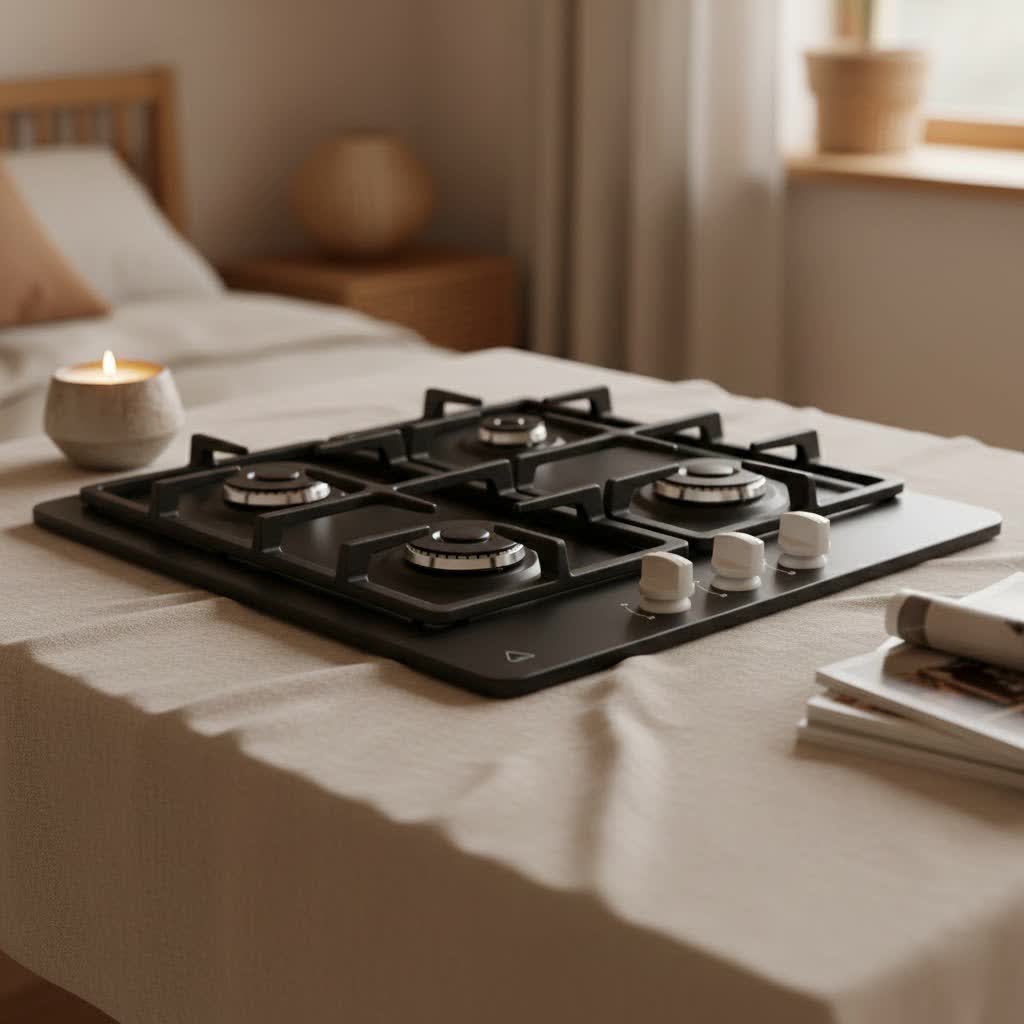
At its core, a gas stove guard is a protective barrier designed to shield your stovetop from the inevitable spills, splatters, and general mess that comes with cooking. These guards are typically thin, heat-resistant mats or covers placed directly on your gas stovetop, with pre-cut or customizable openings for your burners. Their primary function is to catch food debris and liquids before they reach your stove’s surface, preventing stains, scratches, and the laborious cleaning that often follows.
Common materials for gas stove guards include high-quality, heat-resistant silicone and PTFE (polytetrafluoroethylene), often marketed as Teflon-coated fiberglass. These materials are chosen for their non-stick properties, durability, and ability to withstand high temperatures, typically up to 500°F (260°C). Some guards are also crafted from tempered glass or stainless steel, offering a different aesthetic and level of protection. The design usually features precise cutouts that fit snugly around your burner heads, ensuring maximum coverage while allowing the flame to operate freely and safely.
Types of Gas Stove Guards: Pros and Cons
The market offers a variety of gas stove guards, each with distinct features and benefits. Understanding the different types will help you select one that best suits your cooking habits and kitchen needs.
Silicone/PTFE-Coated Liners
These are perhaps the most popular type, often made from fiberglass fabric coated with PTFE (like Teflon) or food-grade silicone. They are characterized by their flexibility and non-stick surface.
- Pros:
- Reusable and Easy to Clean: Most can be easily wiped clean, hand-washed with mild soap and water, or even tossed into the dishwasher.
- Heat-Resistant: Capable of withstanding temperatures up to 500°F (260°C) without deforming.
- Trimmable/Customizable: Many come in universal sizes that can be cut with scissors to fit your specific burner configuration, allowing for a tailored fit.
- Non-Toxic: Reputable brands offer BPA and PFOA-free options, ensuring safety in your kitchen.
- Cons:
- Not Always a Perfect Fit: While trimmable, achieving a factory-like fit can be challenging.
- Durability Varies: Thinner versions might tear or show wear faster.
- Direct Flame Contact: Most are not 100% fireproof and should not be exposed to direct flame, requiring careful placement.
|
Our Picks for the Best Gas Stove in 2026
As an Amazon Associate I earn from qualifying purchases.
|
||
| Num | Product | Action |
|---|---|---|
| 1 | GasOne High Pressure Single Propane Burner - Outdoor Cooking with Heat Shield and Guard – Propane Burner Head for Camping, Tailgating, Seafood Boil, Home Brewing - Patent Pending |

|
| 2 | VEVOR 36 inch Gas Cooktop 5 Burners Gas Stove Top, Max 38300BTU Built-in Stainless Steel Stove Top LPG/NG Convertible Dual Fuel Cooktop Stoves with SABAF Dual-Ring Burner for Kitchen Apartment Rvs |
|
| 3 | Vivicreate High Pressure Propane Gas Regulator 20 PSIG Outdoor Camping BBQ Grill Stove Burner Estufas de Gas para Cocinar Afuera Es gas propano |
|
| 4 | Coleman Triton 2-Burner Propane Stove, Portable Camping Cooktop with 2 Adjustable Burners & Wind Guards, 22,000 BTUs of Power for Camping, Tailgating, Grilling, BBQ, & More |
|
| 5 | Gas One GS-3400P Propane or Butane Stove Dual Fuel Stove Portable Camping Stove - Patented - with Carrying Case Great for Emergency Preparedness Kit |
|
| 6 | Gas One Propane Double Burner Two Burner Camp Stove with Windscreen Outdoor High Pressure Propane 2 Burner Adjustable PSI Regulator and 4ft Steel Braided Hose With Removable Legs |
|
| 7 | Empava 30 in. Gas Stove Cooktop 5 Italy Sabaf Sealed Burners NG/LPG Convertible in Black Tempered Glass |
|
| 8 | Kenmore 5.6 cu. ft. Front Control Gas Range Oven with 5 Cooktop Burners - True Convection, Air Fry, Turbo Boil, Self Clean, Dishwasher Safe Grates, Three Chrome Racks, LP Kit - Stainless Steel |
|
| 9 | Avanti Gas Range Oven, Compact Freestanding Design, 4 Sealed Burners with Electronic Ignition, 2.1 Cu.Ft. Capacity Features Framed Glass Door Storage Drawer Broiler and Accessories, 20-Inch, White |
|
| 10 | Avanti Gas Range Oven, Compact Freestanding Design, 4 Sealed Burners with Electronic Ignition, 2.1 Cu.Ft. Capacity Features Storage Drawer Broiler and Accessories, 20-Inch, Black |
|
Custom-Fit Protectors
Brands like StoveGuard and Stove Shield specialize in precision-cut protectors designed for exact stove models. These are often made from thicker, more robust PTFE-coated materials.
- Pros:
- Perfect Fit: Custom-engineered for your specific stove model, ensuring complete coverage and a seamless look.
- Superior Durability: Often thicker than generic liners, providing enhanced longevity and protection. Stove Shield, for instance, claims its products are twice as thick as some competitors.
- Enhanced Aesthetics: Blends more naturally with your stovetop, giving a built-in appearance.
- Easy Installation: No cutting required; simply place it on your clean stovetop.
- Cons:
- Higher Price Point: Generally more expensive due to customization.
- Model Specific: Not transferable to different stove models.
- Limited Availability: Might not be available for all older or less common stove models.
Aluminum Foil Protectors
These are typically disposable, pre-cut aluminum foil squares or sheets.
- Pros:
- Very Affordable: One of the cheapest options available.
- Disposable: Convenient for quick cleanups—simply remove and discard.
- Cons:
- Single-Use: Not environmentally friendly for long-term use.
- Less Durable: Prone to tearing and wrinkling.
- Aesthetics: Can look less refined than silicone or custom-fit options.
Child Safety Stove Knob Covers
While not directly protecting the stovetop surface, these plastic or silicone covers enclose stove knobs, preventing young children from accidentally turning on burners or adjusting flames.
- Pros:
- Critical for Child Safety: Prevents accidental gas leaks or burns.
- Easy to Install: Typically clear, heat-resistant, and simple to attach.
- Cons:
- No Surface Protection: Offers no defense against spills or splatters on the cooktop itself.
- Can Be Cumbersome: May require removal or manipulation by adults to use the knobs.
Comparing Popular Gas Stove Guard Brands and Models
When considering a gas stove guard, you’ll encounter several reputable brands known for their quality and specific features. Here’s a comparative overview of what to expect:
Stove Shield
- Focus: Premium, custom-fit stovetop protectors for gas and electric coil stoves.
- Materials: Non-stick, PTFE-coated material, often thicker (0.5mm to 0.6mm) than competitors.
- Key Features: Precision cut for exact stove models, shipped flat to maintain shape, heat resistant up to 500°F (260°C), PFOA & BPA free.
- Benefit: Offers superior, tailored protection with minimal effort, designed to blend seamlessly with your appliance.
StoveGuard
- Focus: Custom-cut stovetop protectors. Offers various lines like “StoveGuard PRO” for ultimate protection, “StoveGuard Grip” for heavy-duty, non-slip, and “StoveGuard Lite” as a cost-effective option.
- Materials: Various grades of protective materials, with a focus on durability and different thicknesses.
- Key Features: Precision-cut for a wide range of gas, electric coil, and RV models, easy to clean, aims to protect against grease and grime.
- Benefit: Provides highly customized solutions across different price points and durability levels, catering to diverse consumer needs.
Generic Silicone/PTFE-Coated Liners (e.g., fabquality, MSDADA, Stockyfy)
- Focus: Universal, trimmable liners sold in multi-packs.
- Materials: PTFE (Teflon) coated fiberglass or silicone, often 0.2mm thick.
- Key Features: Reusable, non-stick, heat-resistant up to 500°F, BPA and PFOA-free. Designed to be cut to fit various stove sizes. Many are dishwasher safe.
- Benefit: An economical and flexible solution for protecting multiple burners, with the convenience of easy cleaning and disposability (if needed).
These brands exemplify the two main approaches: the precision and premium feel of custom-cut guards, and the versatility and affordability of universal trimmable liners. Both types share the core benefits of making cleanup easier and protecting your stove’s surface from everyday cooking mishaps.
How to Choose the Right Gas Stove Guard for Your Kitchen
Selecting the perfect gas stove guard involves considering several factors to ensure it meets your specific needs and seamlessly integrates into your kitchen routine.
- Stove Model and Fit: Start by determining if a custom-fit protector is available for your exact gas stove model. If so, this often provides the best aesthetic and protection. If not, or if you prefer a more budget-friendly option, consider trimmable liners that you can cut to size. Measure your stovetop and burner diameters accurately if choosing trimmable options.
- Material Preference:
- PTFE/Teflon-coated fiberglass: Excellent non-stick properties, easy to wipe clean, and highly heat-resistant. Ensure it’s BPA and PFOA-free for safety.
- Silicone: Also highly heat-resistant and flexible, often dishwasher-safe. Some users prefer silicone for its grip.
- Aluminum Foil: Best for temporary use or if budget is the absolute primary concern.
- Cleaning Convenience: Look for “non-stick” and “dishwasher safe” labels if easy cleaning is a priority. Most high-quality liners are designed for hassle-free cleaning, whether by hand or machine.
- Safety Features: Prioritize guards that are certified BPA and PFOA-free to avoid harmful chemical exposure. If you have young children, consider investing in child safety stove knob covers in addition to surface protectors to prevent accidental gas leaks or burns.
- Budget: Custom-fit guards tend to be more expensive but offer a precise fit and superior durability. Universal trimmable liners are more economical, especially when bought in multi-packs.
- Aesthetics: Decide if you want the guard to blend in seamlessly (often black or clear options) or if you’re comfortable with a more noticeable protective layer.
Installation and Maintenance Tips for Your Gas Stove Guard
Installing and maintaining your gas stove guard correctly ensures both its effectiveness and longevity. The process is generally straightforward.
Installation Guide
- Preparation: Ensure your gas stovetop is completely cool and clean. Remove all grates, burner caps, and burner heads.
- Placement: Carefully place the stove guard onto the stovetop. For custom-fit guards, align the pre-cut openings with your corresponding burners. For trimmable liners, place the liner over the stovetop, mark the outline of your stove and the center of each burner.
- Trimming (for universal liners): Using sharp scissors or a utility knife, cut the liner to match your stovetop’s shape. Then, carefully cut circular holes for each burner. It’s recommended to cut the holes about 0.5 inches larger than the burner base to prevent direct contact with the flame, which can cause burning or melting.
- Secure Fit: Gently press down on the protector to ensure it lies flat and is fully seated around all burners. There should be a small gap around the outside of the burner, avoiding direct contact with the material.
- Reassemble: Once the guard is in place, reinstall your burner heads, burner caps, and stove grates.
Maintenance Tips for Extended Life
- Cool Down First: Always allow your stove and the guard to cool completely before attempting to remove or clean it.
- Immediate Cleanup: For most spills, a quick wipe with a damp cloth is sufficient.
- Deep Cleaning: For tougher, baked-on messes, remove the guard. Many PTFE-coated and silicone guards are dishwasher safe, or you can hand wash them with warm, soapy water and a soft sponge.
- Avoid Abrasives: Do not use abrasive cleaners, scrubbing pads, or harsh chemicals, as these can damage the non-stick coating or material.
- Drying: Air dry the protector or wipe it with a clean cloth before reinstalling it on your stove.
- Regular Inspection: Periodically check the guard for any signs of wear, tear, or damage. Replace it if you notice significant degradation to ensure continued protection.
Gas Stove Guards and Kitchen Safety: What You Need to Know
While primarily designed for cleanliness, gas stove guards play a significant role in enhancing kitchen safety, preventing accidents, and providing peace of mind.
“The primary benefit of installing a stove guard for gas stoves is the enhanced safety it provides. Gas stoves pose several risks due to their open flame nature and potential for accidental fires.”
- Prevention of Accidental Fires: Gas stoves, with their open flames, carry an inherent risk of accidental fires, especially from unattended cooking or flammable items accidentally coming into contact with a burner. A stove guard creates a physical barrier, preventing paper towels, dishcloths, or other flammable materials from touching the burner flame, thereby reducing the likelihood of a fire starting.
- Child Safety: For households with curious little ones, gas stoves present a serious hazard. Stove guards, particularly those combined with child safety knob covers, act as crucial barriers. They prevent children from reaching hot burners or accidentally turning on gas knobs, which could lead to burns or gas leaks. These knob covers often feature childproof locks, making it difficult for kids to tamper with them.
- Material Safety: When selecting a stove guard, always prioritize products that are certified BPA and PFOA-free. These certifications ensure that the materials used do not release harmful chemicals, particularly when exposed to heat, safeguarding the health of your family.
- Proper Use is Key: To ensure safety, always place the stove guard correctly, ensuring it does not obstruct the gas flow or cover the burner holes. Maintain a small gap around the burner to prevent direct flame contact with the material. Good ventilation in the kitchen is also important when using a gas stove.
- Mitigating Risks: Without a stove guard, accumulated grease and food residue can become fire hazards. By keeping the stovetop clean and protected, these guards indirectly contribute to a safer cooking environment by preventing the buildup of flammable debris.
Where to Buy Reliable Gas Stove Guards
Finding a high-quality gas stove guard is easier than ever, with several convenient purchasing options available:
- Online Marketplaces: Major online retailers like Amazon and Walmart offer a vast selection of gas stove guards from various brands, including both universal trimmable liners and some custom-fit options. You can often find multi-packs of silicone/PTFE liners at competitive prices.
- Direct from Brands: For custom-fit protectors, purchasing directly from brands like StoveGuard.com or StoveShield.com ensures you get a product specifically designed for your stove model and allows access to their customer service for any questions or custom requests.
- Home Appliance Stores: Some larger home improvement or appliance stores may carry a limited selection of universal stove guards.
When buying online, always:
- Check Reviews: Read customer reviews to gauge product quality, fit, and durability.
- Verify Model Compatibility: If buying a custom-fit guard, double-check your stove’s model number against the product description.
- Read Product Details: Pay attention to material specifications (e.g., heat resistance, BPA/PFOA-free), cleaning instructions, and package contents.
Gas Stove Guard Pricing Guide (Estimated)
The price of a gas stove guard can vary significantly based on its type, material, brand, and whether it’s a universal or custom-fit product.
- Basic Trimmable Silicone/PTFE Liners: These are typically sold in multi-packs (e.g., 4 to 10 pieces) and range from $10 to $25.
- Mid-Range Universal Liners (Thicker/Enhanced Features): Expect to pay between $25 and $40 for multi-packs of higher-quality, thicker, or uniquely featured universal liners.
- Custom-Fit Protectors (e.g., Stove Shield, StoveGuard): These premium, model-specific guards usually cost between $40 and $80+, depending on the stove size, number of burners, and material thickness.
- Aluminum Foil Protectors: Very inexpensive, often sold in large packs for $5 to $15.
- Child Safety Knob Covers: Typically available in multi-packs for $10 to $25.
Investing in a gas stove guard is a small expense that offers substantial returns in terms of cleanliness, convenience, and protection for your appliance.
Conclusion: Smart Choice for a Sparkling, Safe Kitchen
The humble gas stove guard is a powerful tool in your kitchen arsenal, transforming the daunting task of stovetop cleanup into a simple wipe-down. By acting as a robust barrier against spills, splatters, and daily cooking messes, it not only preserves the pristine look of your appliance but also extends its lifespan and contributes to a safer cooking environment. From the versatile, trimmable liners to the precision-engineered custom-fit protectors, there’s a solution for every kitchen and every budget. Choosing a high-quality, heat-resistant, and non-toxic guard is a smart investment that saves time, reduces effort, and enhances peace of mind, especially for families.
Which stove guard will revolutionize your kitchen cleanup and elevate your cooking experience?
Frequently Asked Questions
Are stove guards safe for gas stoves?
Yes, gas stove guards are safe when used correctly. They are made from heat-resistant materials like PTFE-coated fiberglass or silicone that can withstand high temperatures up to 500°F (260°C). It is crucial to ensure the guard does not directly touch the open flame by cutting burner holes slightly larger than the burner base.
How often should I clean my stove guard?
For optimal hygiene and performance, it’s best to wipe down your stove guard after each cooking session to remove fresh spills. For a deeper clean, remove the guard and wash it by hand with mild soap and water or place it in the dishwasher if it’s certified dishwasher-safe, ideally after significant splatters or weekly.
Can I use a stove guard with any gas stove?
Most universal stove guards are designed to be trimmable to fit various gas stove models and burner configurations. However, for a precise and seamless fit, consider custom-cut stove guards specifically manufactured for your stove’s make and model number.
What materials are gas stove guards typically made from?
Gas stove guards are commonly made from heat-resistant materials such as PTFE (Teflon-coated fiberglass), silicone, or sometimes aluminum foil. Reputable options are usually non-stick, durable, and free from harmful chemicals like BPA and PFOA.
