Embarking on an outdoor adventure or simply enjoying your backyard shouldn’t mean sacrificing delicious, home-cooked meals. An outdoor gas stove is an indispensable tool, transforming any open-air setting into a functional kitchen. With a myriad of options available, from compact backpacking units to robust multi-burner systems, choosing the right one can seem daunting. This comprehensive guide will help you navigate the features, benefits, and safety essentials of outdoor gas stoves, ensuring you find the perfect match for your culinary aspirations and outdoor lifestyle.
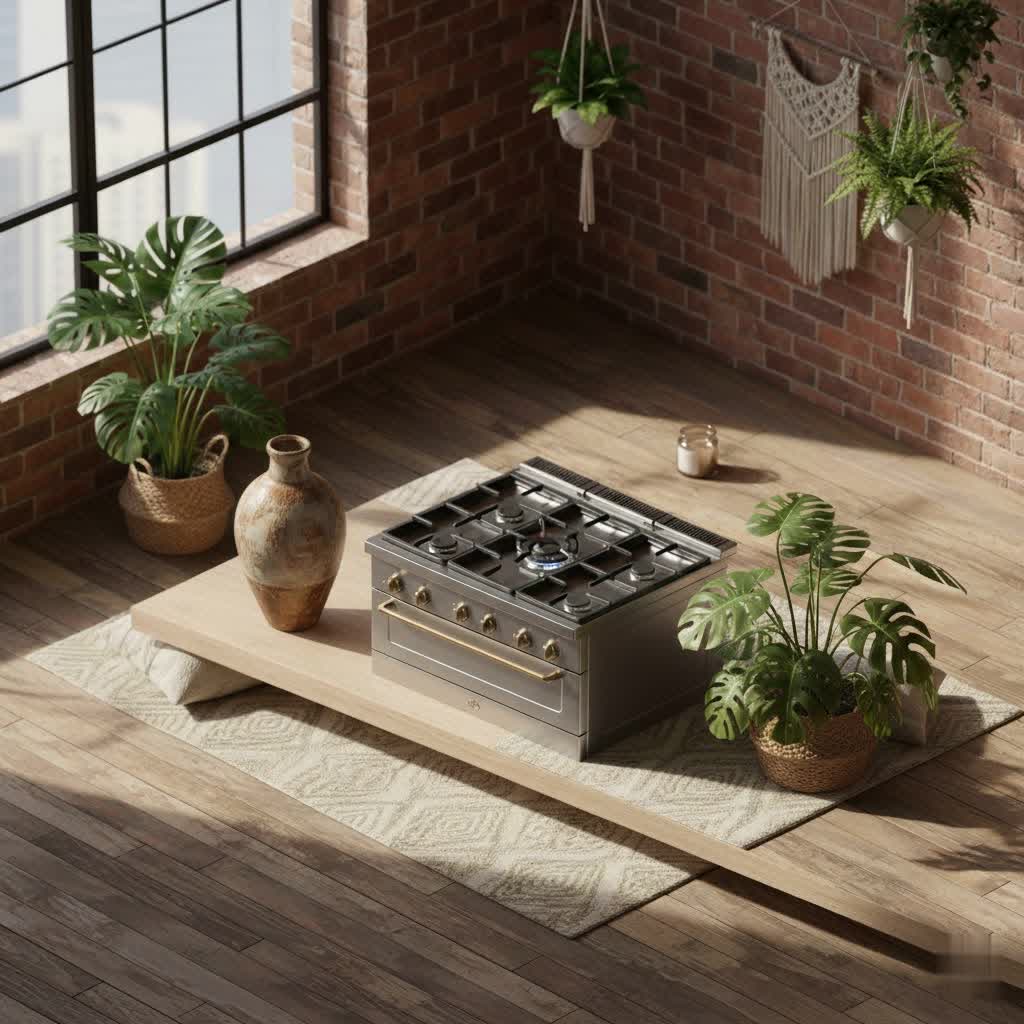
What is an Outdoor Gas Stove? Construction and Operation Principles
An outdoor gas stove is a portable cooking appliance designed for use outside, powered primarily by propane or butane gas. Unlike a fixed indoor range, these stoves prioritize portability, durability, and performance in varying environmental conditions.
At its core, an outdoor gas stove comprises several key components:
- Burner Head(s): The component where gas ignites and the flame is produced. Outdoor stoves may feature single or multiple burners, often designed for efficient heat distribution.
- Grate/Pot Support: A sturdy surface, typically made of metal, that holds cookware securely above the flame.
- Ignition System: Most modern outdoor gas stoves feature a piezo-electric auto-igniter for convenient, matchless lighting. Simpler models may require a manual ignition source.
- Fuel Regulator and Hose: This system controls the gas flow from the fuel source to the burner, allowing for flame adjustment.
- Fuel Source: This can be a small, disposable gas canister (butane or propane/butane mix) that attaches directly to the stove, or a larger, refillable propane tank connected via a hose.
- Wind Shields: Many outdoor gas stoves incorporate integrated or detachable wind shields to protect the flame from gusts, a critical feature for maintaining cooking efficiency outdoors.
The operating principle is straightforward: gas is released from the fuel source, passes through the regulator, mixes with air, and is then ignited at the burner head. The controlled combustion creates a flame, providing the heat necessary for cooking. Designed to withstand elements like wind and fluctuating temperatures, these stoves are engineered to deliver reliable performance where conventional kitchen appliances cannot.
Types of Outdoor Gas Stoves: Pros and Cons
Outdoor gas stoves come in various forms, each suited for different activities and cooking needs. Understanding their distinct advantages and drawbacks is crucial for making an informed choice.
Canister Stoves (Backpacking and Compact Use)
These are typically lightweight, single-burner units that screw directly onto small gas canisters.
- Pros: Highly portable, extremely compact, easy to set up, and often feature convenient auto-igniters. They are ideal for backpackers, solo travelers, or those needing a minimalist cooking solution.
- Cons: Can be less stable for large pots, and their butane-heavy fuel blends perform poorly in cold weather or at high altitudes. Fuel canisters are usually disposable, which can be less eco-friendly and more costly over time. The Snow Peak Home & Camp Butane Stove is a popular example, lauded for its sleek design and portability, though it runs exclusively on butane.
|
Our Picks for the Best Gas Stove in 2026
As an Amazon Associate I earn from qualifying purchases.
|
||
| Num | Product | Action |
|---|---|---|
| 1 | Gas One GS-3400P Propane or Butane Stove Dual Fuel Stove Portable Camping Stove - Patented - with Carrying Case Great for Emergency Preparedness Kit |

|
| 2 | Empava 30 in. Gas Stove Cooktop 5 Italy Sabaf Sealed Burners NG/LPG Convertible in Black Tempered Glass |
|
| 3 | Vivicreate High Pressure Propane Gas Regulator 20 PSIG Outdoor Camping BBQ Grill Stove Burner Estufas de Gas para Cocinar Afuera Es gas propano |
|
| 4 | Avanti Gas Range Oven, Compact Freestanding Design, 4 Sealed Burners with Electronic Ignition, 2.1 Cu.Ft. Capacity Features Storage Drawer Broiler and Accessories, 20-Inch, Black |
|
| 5 | VEVOR 36 inch Gas Cooktop 5 Burners Gas Stove Top, Max 38300BTU Built-in Stainless Steel Stove Top LPG/NG Convertible Dual Fuel Cooktop Stoves with SABAF Dual-Ring Burner for Kitchen Apartment Rvs |
|
| 6 | Kenmore 5.6 cu. ft. Front Control Gas Range Oven with 5 Cooktop Burners - True Convection, Air Fry, Turbo Boil, Self Clean, Dishwasher Safe Grates, Three Chrome Racks, LP Kit - Stainless Steel |
|
| 7 | Gas One Propane Double Burner Two Burner Camp Stove with Windscreen Outdoor High Pressure Propane 2 Burner Adjustable PSI Regulator and 4ft Steel Braided Hose With Removable Legs |
|
| 8 | GasOne High Pressure Single Propane Burner - Outdoor Cooking with Heat Shield and Guard – Propane Burner Head for Camping, Tailgating, Seafood Boil, Home Brewing - Patent Pending |
|
| 9 | Avanti Gas Range Oven, Compact Freestanding Design, 4 Sealed Burners with Electronic Ignition, 2.1 Cu.Ft. Capacity Features Framed Glass Door Storage Drawer Broiler and Accessories, 20-Inch, White |
|
| 10 | Coleman Triton 2-Burner Propane Stove, Portable Camping Cooktop with 2 Adjustable Burners & Wind Guards, 22,000 BTUs of Power for Camping, Tailgating, Grilling, BBQ, & More |
|
Propane Stoves (Car Camping, Larger Groups, and Backyard Cooking)
These are more robust, often featuring one or two burners and typically powered by 1-pound propane canisters or larger refillable propane tanks.
- Pros: Offer significant power (high BTU output), excellent stability for larger pots and pans, and are available in multi-burner configurations, making them suitable for families or groups. Propane is widely available and performs well in varied temperatures and altitudes. The Camp Chef Everest 2X and Coleman Cascade 3-in-1 are prime examples known for their powerful output and durability.
- Cons: Generally heavier and bulkier than canister stoves, making them less suitable for backpacking or situations where space and weight are critical.
Dual-Fuel Stoves
These versatile stoves can operate on both propane and butane fuel types.
- Pros: Offers flexibility, allowing users to choose the most suitable or available fuel. This is particularly advantageous for year-round use, as propane handles cold better than butane, while butane is lighter and more efficient in warmer conditions.
- Cons: Some dual-fuel models, like the Gas ONE GS-3400P, may have minor compromises, such as inconsistent low-temperature settings or a lack of integrated wind protection.
Integrated Systems
These are all-in-one cooking solutions where the stove, pot, and sometimes other accessories are designed to work seamlessly together.
- Pros: Exceptionally fuel-efficient and boast very fast boil times due to optimized heat transfer. They often pack down into a compact unit.
- Cons: Can be more expensive and less versatile than traditional burners as they are typically designed for specific cookware. The Jetboil Genesis Basecamp System is a well-known integrated system, praised for its efficiency and compact storage, though it can be pricey.
Comparing Popular Outdoor Gas Stove Brands
The market for outdoor gas stoves features several reputable brands, each with its strengths. Here’s a look at some of the leaders:
- Camp Chef: Renowned for high-power, durable multi-burner stoves like the Everest 2X and Mountaineer 2X. These models are favored for their excellent wind resistance, robust construction, and ability to handle large cooking tasks, making them ideal for serious car campers and backyard chefs.
- Coleman: A household name in camping gear, Coleman offers a broad range of reliable and often budget-friendly stoves. Models like the Coleman Classic 2-Burner are celebrated for their dependability and ease of use, while the Cascade 3-in-1 provides versatility with included grill and griddle attachments.
- Gas ONE: Known for offering excellent value, Gas ONE provides budget-friendly single-burner options that are lightweight and portable. Their dual-fuel models, like the GS-3400P, offer great versatility for their price point.
- Jetboil: Specializes in integrated cooking systems that prioritize speed and efficiency, perfect for quick meals and boiling water. The Genesis Basecamp System exemplifies their innovative, self-contained designs.
- Primus: Offers a range of quality camping stoves, including compact and efficient models known for their solid performance and sleek designs.
- Snow Peak: Combines elegant design with effective performance, particularly with their compact butane stoves like the Home & Camp Butane Stove, which is highly regarded for its power relative to its size.
- GSI Outdoors: Features innovative and durable stoves, with models like the Selkirk series offering good power and packability for various outdoor cooking needs.
Detailed Comparison of Best-Selling Outdoor Gas Stove Models
To further assist in your decision, here’s a detailed comparison of some top-rated and best-selling outdoor gas stove models based on performance metrics and features:
| Model | Type | Fuel Type | Burners | BTU/Burner | Weight (lbs) | Boil Time (1L, min:sec) | Key Features | Price Range |
|---|---|---|---|---|---|---|---|---|
| Camp Chef Everest 2X | Tabletop | Propane | 2 | 20,000 | 13.97 | 3:21 | Powerful, excellent wind resistance, fast boil, great simmer | Premium |
| Coleman Cascade 3-in-1 | Tabletop | Propane | 2 | 12,000 | 14.8 | 9:24 | Versatile (stove, grill, griddle), good packability, wind guards | Mid-Range |
| Gas ONE GS-3400P | Single-Burner | Butane/Propane | 1 | 8,000 | 3.1 | 8:29 | Dual fuel, lightweight, portable, auto-igniter | Budget |
| Jetboil Genesis Basecamp System | Integrated | Propane | 2 | 10,000 | 9.1 | 7:21 | Self-contained system, fast boil, highly packable, includes cookware | Premium |
| Snow Peak Home & Camp Butane Stove | Single-Burner | Butane | 1 | 8,333 | 3 | 5:11 | Compact, sleek design, powerful for its size, fast boil | Mid-Range |
| Coleman Classic 2-Burner | Tabletop | Propane | 2 | 10,000 | 11.65 | 10:26 | Dependable, adjustable windshields, easy to pack | Budget/Mid-Range |
| Camp Chef EX60LW Explorer | Freestanding | Propane (large tank) | 2 | 30,000 | 36 | 6:59 | Very powerful, large cooking surface, modular, removable legs | Mid-Range |
(Boil times are approximate and can vary based on conditions like elevation and wind.)
How to Choose the Right Outdoor Gas Stove
Selecting the ideal outdoor gas stove requires a careful assessment of your specific needs and preferences. Consider these factors to find a stove that truly enhances your outdoor cooking experience.
Determine Your Usage Needs
- Activity Type: Are you backpacking, car camping, tailgating, or setting up a long-term camp kitchen? Backpackers prioritize lightweight and compact stoves, while car campers or those hosting backyard cookouts can opt for heavier, more powerful multi-burner units.
- Group Size: A single-burner stove is sufficient for solo adventurers or small groups preparing simple meals. For families or larger gatherings that require cooking multiple dishes simultaneously, a dual-burner or even a modular freestanding stove is a better choice.
- Cooking Style and Frequency: If you plan on gourmet cooking, look for stoves with excellent simmer control and ample cooking surface. For quick boils or rehydrating meals, high BTU output and integrated systems are efficient.
Fuel Type Considerations
- Propane: Known for its reliability across various temperatures and altitudes, and canisters are widely available. Ideal for general camping and colder conditions.
- Butane: Lighter and often more efficient in warm weather, but its performance significantly degrades below freezing temperatures or at high altitudes. Best for summer camping.
- Dual Fuel: Offers the best of both worlds, providing flexibility to switch fuels based on environmental conditions and availability.
Essential Features to Look For
- BTU Output: British Thermal Units (BTUs) indicate the stove’s heating power. Higher BTUs mean faster cooking, especially useful for large pots or in windy conditions.
- Wind Resistance: Integrated windshields or a recessed burner design are crucial for maintaining flame stability and efficiency outdoors.
- Ignition: A piezo auto-igniter offers convenience, eliminating the need for matches or a lighter.
- Simmer Control: Important for delicate dishes that require precise, low heat to prevent burning.
- Portability and Packed Size: Consider the stove’s weight, dimensions, and whether it comes with a carrying case if you need to transport it frequently.
- Durability: Look for robust construction materials like stainless steel or aluminized steel to ensure longevity.
Budget and Accessories
Outdoor gas stoves range from under $50 for basic models to several hundred dollars for premium, feature-rich systems. Determine your budget, but also consider the long-term value, as more durable and efficient stoves can save money on fuel and replacements. Some stoves come with valuable accessories like griddle or grill plates, expanding their cooking versatility.
Tips for Safe and Effective Outdoor Gas Stove Use and Maintenance
To ensure your outdoor culinary experiences are both enjoyable and safe, proper use and diligent maintenance of your gas stove are paramount.
Proper Setup and Installation
- Level Surface: Always place your stove on a stable, flat, non-combustible surface to prevent tipping and spills.
- Ventilation: Ensure adequate airflow around the stove. Never use a gas stove inside a tent, enclosed RV, or other unventilated spaces to prevent carbon monoxide buildup.
- Fuel Connection: Follow manufacturer instructions for connecting fuel canisters or tanks. Ensure connections are tight and check for leaks immediately after setup.
Safe Usage Practices
- Keep Combustibles Away: Maintain a clear perimeter around the stove, free from flammable materials like tents, clothing, paper, and dry leaves.
- Correct Cookware: Use pots and pans appropriate for the burner size. Oversized cookware can deflect heat, leading to inefficient cooking or potential fire hazards.
- Monitor Flames: Never leave a lit stove unattended. Always ensure flames are completely extinguished after use and turn off the gas supply.
- Wind Protection: Utilize integrated or external wind guards to protect the flame from gusts, which improves efficiency and safety.
Essential Cleaning and Maintenance
Regular cleaning not only keeps your stove looking good but also ensures optimal performance and safety.
- After Each Use (Daily): Once the stove has cooled, wipe down the stovetop and under the burners with a damp cloth and mild soap to remove grease and food spills. This prevents buildup that can lead to fires.
- Weekly Cleaning: For burner grates, soak them in hot, soapy water, then scrub with a non-abrasive pad. Clean burner heads with a brush to remove debris. Ensure all parts are thoroughly dry before reassembling to prevent rust.
- Monthly Deep Cleaning: For stubborn grime, create a paste of baking soda and water and apply it to affected areas, letting it sit before scrubbing. Soaking parts in a vinegar and water solution can also help loosen tough stains. Use a pipe cleaner to clear any debris from the burner channels, ensuring even flame distribution and proper gas flow.
- Avoid Direct Water: Never pour water directly onto your gas stove, as this can damage gas lines and electrical components.
- Check for Leaks: Regularly inspect gas hoses and connections for signs of wear, cracks, or loose fittings. Perform a soap-and-water test periodically (apply a soapy solution to connections; bubbles indicate a leak).
- Professional Inspection: Consider an annual professional inspection of your gas lines and stove components to catch any underlying issues.
- Proper Storage: Disconnect all fuel sources, clean the stove thoroughly, and store it in a clean, dry place, ideally in its original carrying case, when not in use.
Common Outdoor Gas Stove Problems and Troubleshooting
Even with proper care, outdoor gas stoves can encounter issues. Knowing how to diagnose and address common problems can save your meal and ensure safety.
-
Stove Not Igniting:
- No Fuel: Check if the gas canister is empty or if the tank valve is open.
- Cold Butane: If using butane, performance drops in cold weather. Try warming the canister gently or switch to a propane-based fuel.
- Clogged Igniter/Burner Ports: Debris can block the igniter or gas ports. Clean them gently with a small wire or brush.
- Loose Connection: Ensure the fuel canister or hose is securely attached and the regulator is correctly seated.
- Faulty Igniter: If manual ignition works but the auto-igniter doesn’t, it may need cleaning or replacement.
-
Uneven or Discolored Flame (Yellow/Orange):
- Clogged Burner Ports: Food debris or grease can block gas flow, causing an uneven or discolored flame. Clean the burner ports.
- Incorrect Air-Gas Mixture: A yellow or orange flame often indicates incomplete combustion due to an improper air-gas mix. Ensure the burner cap is correctly aligned. If the issue persists, professional adjustment may be needed. A healthy gas flame should be blue.
-
Gas Leaks:
- Smell of Rotten Eggs: The most obvious sign. Natural gas and propane are odorless, but a chemical (mercaptan) is added to give them a distinctive “rotten egg” smell.
- Hissing Sound: A subtle hissing sound near the gas lines or connections.
- Bubbling (Soap Test): Apply a soapy water solution to suspected leak areas; bubbles will form where gas is escaping.
- Immediate Action: If you suspect a gas leak, immediately turn off the gas supply, ventilate the area, and move away. Do not ignite any flames or use electrical switches. Call for professional assistance right away.
-
Poor Performance in Wind or Cold:
- Lack of Windscreen: If your stove lacks adequate wind protection, strong breezes can diminish flame power. Use integrated windscreens or create a barrier with rocks or a DIY shield.
- Butane in Cold: Butane’s boiling point is around 31°F (0°C). If using butane in cold conditions, switch to a propane mix or keep the canister warm (safely, not directly over a flame).
Outdoor Gas Stove Safety: What You Need to Know
While outdoor gas stoves offer incredible convenience, they involve open flames and pressurized fuel, necessitating strict safety precautions. Prioritizing safety will protect you and your companions during every outdoor cooking session.
Preventing Gas Leaks and Carbon Monoxide Poisoning
- Gas Leak Detection: Always be vigilant for the signs of a gas leak: the distinct “rotten egg” smell, a hissing sound, or bubbling if you apply a soap solution to connections.
- Immediate Response to Leaks: If a leak is detected, turn off the gas supply immediately. Ventilate the area thoroughly. Do not use any ignition sources (lighters, matches, electrical switches) that could spark an explosion. Evacuate and call your gas provider or emergency services.
- Adequate Ventilation: This is critical. While cooking outdoors generally provides sufficient ventilation, never use a gas stove inside tents, RVs, cabins, or any unventilated space. All fuel-burning appliances produce carbon monoxide (CO), an odorless, colorless, and deadly gas.
- Carbon Monoxide Detectors: For any use in partially enclosed spaces (e.g., covered patios, RVs), install and regularly check carbon monoxide detectors. These devices provide early warning of dangerous CO levels.
Fire Safety Best Practices
- Clearance from Combustibles: Maintain a safe distance between your lit stove and any flammable materials, including dry leaves, grass, tents, clothing, paper products, and even overhanging branches.
- Constant Supervision: Never leave a lit outdoor gas stove unattended. Flames can flare up unexpectedly, or wind can spread sparks.
- Proper Extinguishers: Keep a multipurpose fire extinguisher (rated for gas and grease fires) easily accessible when cooking outdoors. A bucket of sand or water can also be helpful for small flare-ups, though water should not be used on grease fires.
- Turn Off Completely: Ensure all burner knobs are in the “off” position and the fuel supply is disconnected when you are finished cooking or leaving the stove.
- Sturdy Placement: Always place the stove on a level, stable, non-combustible surface to prevent accidental tipping.
General Safety Reminders
- Follow Manufacturer Instructions: Always read and adhere to the operating and safety instructions provided by the stove manufacturer.
- Supervise Children and Pets: Keep children and pets away from the hot stove and open flames.
- Never Heat Your Home: Do not use an outdoor gas stove to heat an enclosed space, as this poses a severe risk of carbon monoxide poisoning.
- Inspect Regularly: Routinely check hoses, connections, and burner components for wear or damage. Replace any faulty parts promptly.
Where to Buy Reliable Outdoor Gas Stoves
Finding a trustworthy retailer for your outdoor gas stove is just as important as choosing the right model. Reliable sources ensure product authenticity, warranty support, and access to knowledgeable customer service.
Specialty Outdoor Retailers
Stores like REI, Backcountry, and dedicated brand websites (e.g., Camp Chef, Jetboil, Snow Peak) are excellent choices. They often have staff with extensive product knowledge, allowing you to get expert advice on specific models and their suitability for various outdoor activities. These retailers typically carry a wide selection of high-quality, durable stoves designed for outdoor enthusiasts.
Large Retailers and Home Improvement Stores
Big-box stores such as Walmart, Amazon, Lowe’s, and Home Depot also offer a broad range of outdoor gas stoves, often at competitive prices. You can find everything from basic single-burner models to larger patio and tailgating units. When buying from these sources, pay close attention to product reviews and ensure the seller is reputable, especially on online marketplaces.
Tips for Buying Online
- Read Reviews: Customer reviews can provide valuable insights into a stove’s real-world performance, durability, and common issues.
- Check Warranty and Return Policies: Understand the manufacturer’s warranty and the retailer’s return policy before purchasing.
- Verify Seller Reputation: On platforms like Amazon, ensure you are buying from a reputable seller or directly from the brand to avoid counterfeit products.
- Compare Prices: Online shopping allows for easy price comparison across different retailers, but be wary of deals that seem too good to be true.
Outdoor Gas Stove Price Guide (Latest Update)
The cost of an outdoor gas stove varies significantly based on its type, features, brand reputation, and BTU output. Here’s a general price guide to help you budget for your purchase (prices are approximate and subject to change):
- Budget-Friendly Options (Under $75): This category typically includes compact, single-burner butane stoves or entry-level two-burner propane stoves. Examples might be the Gas ONE GS-3400P or the Coleman Classic 1-Burner. These are excellent for occasional use, small groups, or as backup stoves.
- Mid-Range Stoves ($75 – $250): In this bracket, you’ll find more powerful dual-burner propane stoves, some versatile multi-purpose units with griddle/grill attachments, and more durable constructions. The Coleman Classic 2-Burner, Camp Chef EX60LW Explorer, and Coleman Cascade 3-in-1 often fall into this range, offering a great balance of features and value for car camping and family use.
- Premium & Specialty Systems ($250+): These are high-performance, often integrated, or heavy-duty stoves designed for demanding conditions, frequent use, or specialized cooking. This category includes models like the Camp Chef Everest 2X, Jetboil Genesis Basecamp System, and Camp Chef Mountaineer 2X, which boast superior boil times, wind resistance, and overall durability. Their higher price reflects advanced features, robust build quality, and comprehensive cooking systems.
Factors that influence the price include the number of burners, total BTU output, material quality, presence of integrated features (like windscreens or auto-igniters), and included accessories (e.g., carrying cases, griddle tops, pots). Investing in a slightly more expensive, high-quality stove often pays off in the long run through greater efficiency, durability, and a more enjoyable cooking experience.
Conclusion: Choosing Your Smart Outdoor Gas Stove for Family Adventures
Selecting the ideal outdoor gas stove is about more than just finding a cooking device; it’s about empowering your outdoor experiences, whether that’s a gourmet meal under the stars or a quick hot coffee on a chilly morning. By understanding the different types—from the ultralight canister stoves perfect for solo backpacking to the robust multi-burner propane units ideal for family camping and backyard entertaining—you can pinpoint the features that matter most to you. Prioritizing aspects like BTU output, wind resistance, simmer control, and fuel versatility will ensure your stove performs reliably in any setting.
Remember, safety is paramount. Diligent maintenance, routine leak checks, and adhering to safe operating practices are non-negotiable for protecting yourself and your loved ones. With the right outdoor gas stove, you’re not just cooking; you’re creating cherished memories and enjoying the unparalleled satisfaction of a delicious meal prepared in the heart of nature. Which outdoor adventure will your new gas stove ignite first?
Frequently Asked Questions
Can I use an outdoor gas stove indoors?
No, outdoor gas stoves are designed exclusively for outdoor use. Operating them indoors, even in well-ventilated areas like garages or tents, can lead to dangerous carbon monoxide buildup, which is odorless, colorless, and deadly.
What is the difference between propane and butane fuel for outdoor gas stoves?
Propane performs better in colder temperatures and at higher altitudes, making it a more versatile choice for year-round camping. Butane is lighter and more efficient in warmer conditions but its performance significantly degrades below freezing. Many modern stoves support both or a propane/butane blend for versatility.
How do I check for a gas leak on my outdoor stove?
If you smell a “rotten egg” odor or hear a hissing sound, a leak may be present. For a visual check, apply a soapy water solution to all gas connections and hoses; bubbles will form at the point of a leak. If a leak is detected, immediately turn off the gas supply, ventilate the area, and do not use the stove.
Are outdoor gas stoves difficult to clean?
Most outdoor gas stoves are designed for relatively easy cleaning. Regular wiping down after each use, along with weekly and monthly deep cleans of grates, burner heads, and surfaces using mild soap, vinegar, or baking soda paste, will keep your stove in top condition. Always ensure parts are completely dry before reassembling.
How many BTUs do I need for an outdoor gas stove?
The ideal BTU (British Thermal Unit) output depends on your cooking needs. For most campers cooking for up to four people, a stove with around 10,000 BTUs per burner is sufficient. If you cook for larger groups, in cold/windy conditions, or desire faster boil times, consider stoves with 15,000-30,000 BTUs per burner.
