Cooking enthusiasts often seek precision and power in their kitchen appliances, a quest that frequently leads them to gas stoves. Within this culinary landscape, KitchenAid has carved out a reputation for combining professional-grade performance with elegant design. This comprehensive guide delves into the world of KitchenAid gas stoves, helping you understand their core features, diverse benefits, and how to select the perfect model to elevate your cooking experience.
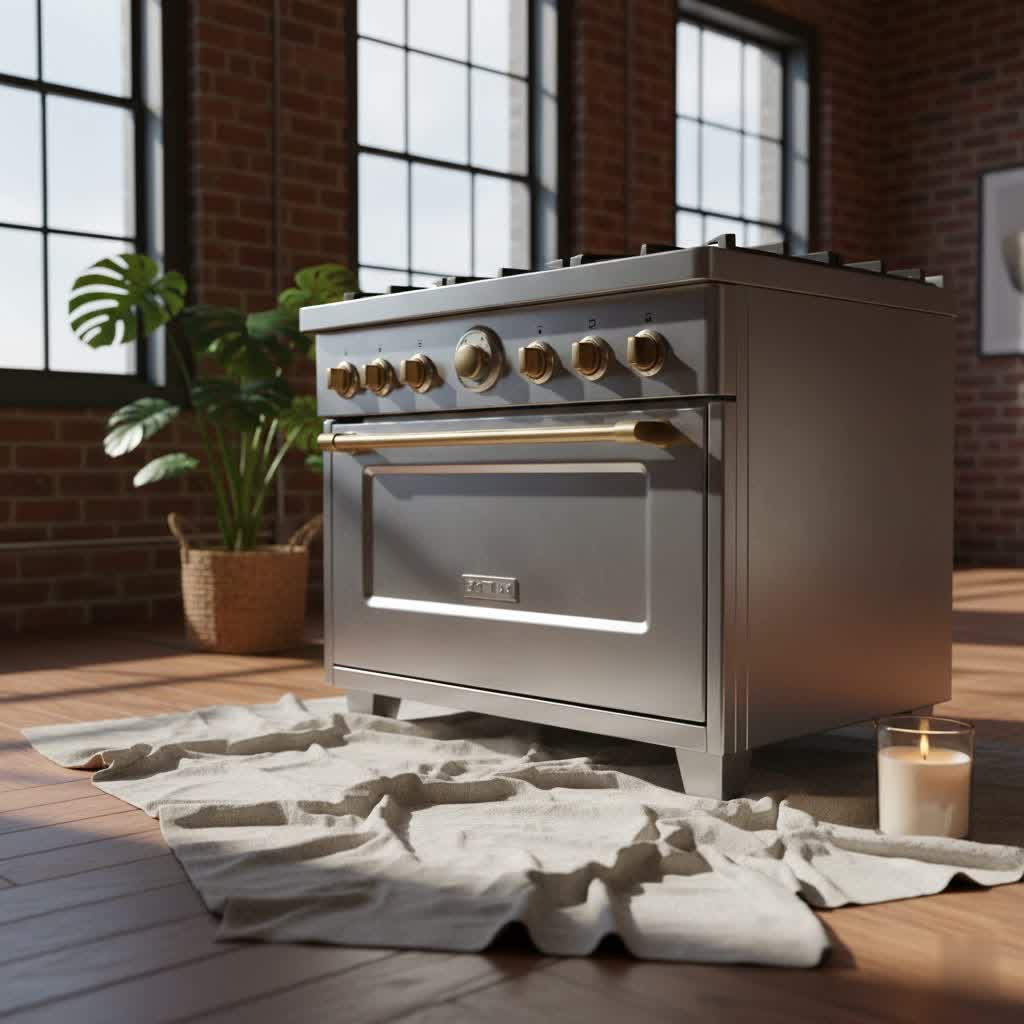
KitchenAid Gas Stoves: An Overview of Design and Functionality
A gas stove operates by igniting natural gas or liquid propane (LP) to produce a flame, which then directly heats cookware. This method offers immediate and precise temperature control, a favorite among many home chefs. KitchenAid integrates this fundamental principle with thoughtful design, durable construction, and advanced performance features to create a range of high-quality cooking appliances.
At the heart of a KitchenAid gas stove are its key components. The cooktop typically features multiple burners, varying in BTU (British Thermal Unit) output to accommodate different cooking needs, from high-heat searing to delicate simmering. These burners are often sealed for easier cleaning, and some models include multi-ring burners for concentrated heat or Ultra Power burners for rapid boiling. Continuous cast-iron grates allow for easy movement of heavy pots and pans across the cooktop surface. Ignition systems, typically electronic, provide reliable lighting, while robust control knobs offer intuitive flame adjustments. For gas ranges, the oven cavity often boasts features like Even-Heat™ True Convection, multiple racks, and various cooking modes, all encased within a stylish, often professional-inspired, exterior.
Types of KitchenAid Gas Stoves: Ranges, Cooktops, and Fuel Options
KitchenAid offers a versatile lineup of gas cooking appliances, primarily categorizing them into gas ranges and gas cooktops, each designed to fit different kitchen layouts and cooking preferences.
KitchenAid Gas Ranges: These are all-in-one units combining a gas cooktop with a gas oven.
- Freestanding Ranges: These models are designed to stand alone and can be placed almost anywhere there’s a gas line and electrical outlet, offering installation flexibility. They typically have finished sides, making them suitable for end-of-cabinet runs or standalone placement.
- Slide-in Ranges: Characterized by their built-in look, slide-in ranges fit snugly between countertops, providing a seamless, custom appearance. Their controls are usually located at the front, enhancing accessibility and preventing reaching over hot burners.
- Dual-Fuel Ranges: While primarily focusing on gas, it’s worth noting KitchenAid also offers dual-fuel ranges, which pair a gas cooktop with an electric convection oven, combining the best of both fuel types for ultimate versatility in cooking and baking.
KitchenAid Gas Cooktops: Designed to be installed into a countertop, these units separate the cooking surface from the oven.
- They are ideal for custom kitchen designs, island installations, or when paired with a separate wall oven.
- KitchenAid gas cooktops are available in various widths, from 30-inch to 48-inch commercial-style models, often featuring multiple burners, including downdraft ventilation options that pull smoke and steam downwards.
Fuel Options: All KitchenAid gas stoves are designed to operate on either natural gas or can be converted to liquid propane (LP) with a conversion kit, offering flexibility depending on your home’s utility setup.
Distinctive Features and Technologies of KitchenAid Gas Stoves
KitchenAid gas stoves are equipped with an array of features and technologies aimed at enhancing culinary performance, safety, and convenience.
High-Performance Burners: KitchenAid gas stoves are renowned for their powerful and versatile burners. Many models include:
- Ultra Power™ Dual-Flame Burners: Delivering intense heat for searing and rapid boiling, often reaching 18,000 to 20,000 BTUs.
- Multi-Ring Burners: Providing concentric flames for greater control over a wide range of heat outputs.
- Even-Heat™ Simmer Burners: Designed for delicate tasks like melting chocolate or simmering sauces without scorching, typically offering as low as 5,000 BTUs.
- Continuous Cast-Iron Grates: These heavy-duty grates span across the cooktop, allowing you to easily slide pots and pans from one burner to another without lifting. Some even feature three-level convertible grates to adapt to various cookware sizes.
Oven Technologies (for Ranges):
- Even-Heat™ True Convection: A hallmark of KitchenAid ovens, this system uses a unique bow-tie shaped design and a fan to circulate heated air throughout the oven cavity, ensuring consistent and even baking and roasting results across multiple racks.
- EasyConvect™ Conversion System: Automatically converts traditional baking temperatures and times to their convection equivalents, simplifying the use of convection cooking.
- AquaLift® Self-Cleaning Technology: This low-temperature, odor-free steam cleaning method helps clean the oven interior without harsh chemicals, though some users find it requires additional manual effort for heavier soils.
Design and Convenience:
- Professional-Inspired Design: Characterized by bold lines, premium materials like stainless steel, and substantial control knobs, KitchenAid appliances often bring a commercial kitchen aesthetic to the home.
- PrintShield™ Finish: Available on select models, this fingerprint-resistant stainless steel finish helps maintain a cleaner look.
- Removable Griddle: Many ranges and cooktops come with a removable griddle accessory, expanding cooking possibilities for items like pancakes, bacon, or grilled sandwiches.
- Storage or Baking Drawers: Some ranges feature a bottom drawer that can be used for extra storage or, in some premium models, as a dedicated baking or warming drawer.
While KitchenAid excels in core cooking performance and durable design, some older models might not include advanced smart features like Wi-Fi connectivity or built-in air frying capabilities, which are more common in some competitor brands.
Comparing Top KitchenAid Gas Stove Models
KitchenAid offers a diverse range of gas stoves, each with unique features to suit different cooking styles and budgets. Here’s a comparative overview of some popular models and types:
| Model Type/Series | Key Features | Burner BTU Range (Approx.) | Oven Capacity (Ranges) | Special Functions | Estimated Price Range |
|---|---|---|---|---|---|
| Freestanding Gas Range (e.g., KFGG500ESS) | Even-Heat™ True Convection, 5 burners, large oven capacity, storage drawer | 5,000 – 17,000 BTU | 5.8-6.4 cu. ft. | AquaLift™ Self-Cleaning, Removable Griddle | $1,500 – $2,500 |
| Slide-in Gas Range (e.g., KSGB900ESS, KSGG700ESS) | Front controls, seamless look, Even-Heat™ True Convection, multi-ring/power burners | 5,000 – 19,000 BTU | 5.8-6.5 cu. ft. | Baking Drawer (select), Glass Touch Controls | $2,000 – $3,500 |
| Gas Cooktop (e.g., KCGS550ESS, KCGC506JSS) | 4 or 5 burners, continuous grates, Ultra Power™ Dual-Flame burners, simmer burner | 5,000 – 20,000 BTU | N/A (cooktop only) | Downdraft Ventilation (select), Melt Burner | $1,000 – $3,000 |
| Commercial-Style Range (e.g., KFGS930SSS) | High-BTU output, rugged design, griddle option, large oven | 5,000 – 20,000 BTU | Up to 6.3 cu. ft. | Professional design, larger widths (36″, 48″) | $3,500 – $9,000+ |
- KFGG500ESS (Freestanding): Often highlighted for its excellent oven performance and overall value, making it a solid choice for families. Users appreciate the clear glass door and three oven racks.
- KSGG700ESS (Slide-in): A popular front-control range known for its large oven size and good basic features, including two power burners. Some users note that the top controls reduce cooktop space slightly.
- KCGC506JSS (Professional-Style Gas Cooktop): Praised for its powerful 20,000 BTU Ultra Power burners, ideal for restaurant-level heat, and versatile 6-burner configurations on a 36-inch surface.
When reviewing models, consider user feedback. While many praise the performance and aesthetics, some users report that stainless steel surfaces can scratch easily and require diligent cleaning to maintain their pristine look. Initial “burn-off” smells are also common for new ovens.
How to Choose the Right KitchenAid Gas Stove for Your Kitchen
Selecting the perfect KitchenAid gas stove involves a thoughtful assessment of your specific cooking needs, kitchen space, budget, and aesthetic preferences.
1. Determine Your Usage Needs:
- Family Size and Frequency of Cooking: Larger families or frequent entertainers might benefit from larger ovens (6.0+ cu. ft.) and more powerful burners for multiple dishes.
- Cooking Style: If you often stir-fry or sear, prioritize models with high-BTU Ultra Power™ burners. For delicate sauces, a dedicated simmer burner is crucial. Bakers will appreciate Even-Heat™ True Convection for consistent results.
- Specialty Dishes: Consider if you need a griddle attachment or a warming drawer for specific recipes.
2. Evaluate Your Kitchen Layout and Space:
- Freestanding vs. Slide-in Range: Freestanding ranges offer flexibility and are easy to install, while slide-in ranges provide a more integrated, custom look that blends seamlessly with countertops.
- Gas Cooktop: If you prefer a separate wall oven or wish to install your cooking surface on an island, a gas cooktop is the ideal choice. Measure your countertop cutout precisely for cooktop installation.
- Size: KitchenAid offers ranges and cooktops in standard 30-inch widths, as well as 36-inch and 48-inch commercial-style options for larger kitchens.
3. Budget Considerations:
- KitchenAid gas stoves span a wide price range, from roughly $1,000 for basic cooktops to over $9,000 for high-end commercial-style ranges. Define your budget early to narrow down options. Entry-level models still offer core KitchenAid quality.
4. Prioritize Safety Features:
- Automatic Reignitions: Ensures that if a flame goes out, it automatically reignites, preventing gas leaks.
- Flame-Sensing Technology: Some advanced systems detect if a flame is present and will shut off the gas supply if not, further enhancing safety.
- Child Lock (for ovens): Important for families with young children.
5. Consider Aesthetics and Finishes:
- KitchenAid appliances often come in stainless steel, black stainless steel, and traditional black or white. Choose a finish that complements your existing kitchen decor and appliances. The PrintShield™ finish can be a significant advantage for maintaining a clean appearance.
6. Check Quality and Warranty:
- Always purchase from authorized dealers to ensure genuine products and valid manufacturer warranties. KitchenAid generally offers a 1-year limited warranty, with extended service plans often available. Reading customer reviews can provide insights into real-world reliability and potential long-term issues.
Installation, Usage, and Maintenance Tips for Your KitchenAid Gas Stove
Proper installation, safe usage, and regular maintenance are crucial for maximizing the performance and longevity of your KitchenAid gas stove, which can last 10-15 years with good care.
Installation:
- Professional Installation is Recommended: Gas stoves require a properly installed gas line and electrical outlet. It’s highly advisable to have a certified professional handle the gas connection to prevent leaks and ensure compliance with local codes.
- Ventilation: Ensure adequate ventilation with a range hood above your gas stove to effectively remove smoke, steam, and cooking odors.
- First Use: Before initial cooking, run the oven (for ranges) at a high temperature for about 30 minutes to an hour to burn off any manufacturing oils or residues. This may produce an initial unpleasant odor and light smoke, which is normal.
Usage:
- Proper Cookware: Use flat-bottomed pots and pans that are appropriately sized for the burners to ensure efficient heat transfer.
- Flame Adjustment: Use the precise control of gas flames to match the size of your cookware and the cooking task, preventing heat loss around the edges.
- Oven Preheat: Allow the oven to fully preheat before placing food inside for best baking and roasting results, especially when using convection.
Maintenance and Cleaning:
- Daily Wipe-Down: After each use, wipe down the cooktop surface with a mild soap and water solution or a specialized stainless steel cleaner to prevent food particles and grease from caking on.
- Grates: KitchenAid’s continuous cast-iron grates are durable. For cleaning, remove them and wash with warm, soapy water. For stubborn residue, some grates are dishwasher-safe, or you can use a non-abrasive scrubber. Ensure they are completely dry before placing them back to prevent rust.
- Burner Caps and Heads: Periodically remove and clean burner caps and heads. Clogged burner ports can cause uneven flames. Use a small brush or needle to clear any blockages.
- Oven Cleaning: Utilize the AquaLift® Self-Cleaning technology for light soils. For heavier buildup, additional manual scrubbing with a non-abrasive cleaner may be necessary after the cycle. Regularly wipe the oven interior, especially the door.
- Gas Line Inspection: Have your gas lines and connections inspected periodically by a professional to check for any leaks or wear.
Common KitchenAid Gas Stove Issues and Troubleshooting
Even with reliable appliances like KitchenAid, occasional issues can arise. Knowing how to identify and address common problems can save time and potential repair costs.
- Burner Not Igniting:
- Cause: Gas supply issue, clogged burner port, wet or dirty igniter, misplaced burner cap.
- Troubleshooting: Check if the gas supply valve is open. Ensure burner caps are correctly seated and burner ports are clear of debris. Dry any moisture around the igniter. If multiple burners fail to ignite, there might be a larger gas supply or ignition module problem requiring professional service.
- Uneven Flame:
- Cause: Clogged burner ports, moisture around the burner.
- Troubleshooting: Turn off the burner and allow it to cool. Remove the burner cap and burner head, then use a small brush or a toothpick to clear any food particles from the ports. Ensure all parts are dry before reassembling.
- Gas Smell:
- Cause: Minor gas leak, burner left on without ignition, or initial “new stove” smell.
- Troubleshooting: If the smell is faint and dissipates quickly after lighting a burner, it might be residual gas. However, a persistent or strong gas odor is a serious safety concern. Immediately turn off all burners, open windows, evacuate the area, and contact your gas company or emergency services. Do NOT operate any electrical switches or devices.
- Oven Not Heating (for Ranges):
- Cause: Faulty igniter, temperature sensor issue, or control board problem.
- Troubleshooting: For gas ovens, a common culprit is a weak or failing igniter. If the oven isn’t heating or taking too long, this may require professional diagnosis and replacement. Ensure the oven controls are set correctly.
- Stainless Steel Scratching:
- Cause: Abrasive cleaners, rough scrubbing pads, or heavy cookware dragging on the surface.
- Troubleshooting: Use only soft cloths and non-abrasive cleaners specifically designed for stainless steel. Lift rather than drag pots and pans. While not a functional issue, it impacts aesthetics.
Gas Stove and Safety: Essential Guidelines for KitchenAid Gas Stove Operation
Safety is paramount when operating any gas appliance. Understanding the risks and implementing preventive measures is vital for a safe kitchen environment.
Risks Associated with Gas Stoves:
- Fire Hazards: Improper use, such as leaving flammable materials near burners, can lead to fires. Overheating oil can also cause grease fires.
- Gas Leaks: Although rare with proper installation and maintenance, gas leaks can lead to a build-up of flammable gas, posing a severe explosion risk. Natural gas is odorless, but a distinct odor (like rotten eggs) is added by utility companies to make leaks detectable.
- Carbon Monoxide Poisoning: Incomplete combustion of gas, often due to clogged burners or poor ventilation, can produce carbon monoxide (CO), an odorless, colorless, and highly toxic gas.
Preventive Measures for Safe Use:
- Install Carbon Monoxide Detectors: Place CO detectors near your kitchen and sleeping areas.
- Ensure Proper Ventilation: Always use your range hood when cooking on a gas stove to remove combustion byproducts and cooking fumes.
- Keep Flammable Materials Away: Store towels, curtains, paper products, and other flammable items away from the cooktop and oven vents.
- Monitor Cooking: Never leave cooking food unattended, especially when using high heat or oil.
- Regular Cleaning: Keep burners and oven interiors clean to ensure efficient combustion and prevent grease fires.
- Check Gas Lines: Have gas lines and connections professionally inspected periodically for wear, kinks, or leaks.
- Children and Pet Safety: Establish a “no-go” zone around a hot stove. Use rear burners when possible, and turn pot handles inward.
Handling Emergencies:
- If you smell gas: Immediately turn off the gas supply to the stove (if safe to do so), open windows and doors, evacuate everyone from the house, and call your gas company or emergency services from a safe distance. Do NOT use light switches, phones, or anything that could create a spark.
- If a small grease fire occurs: Do NOT use water. Cover the pan with a metal lid, use a fire extinguisher, or smother it with baking soda (not flour). If it grows, evacuate and call emergency services.
Where to Purchase KitchenAid Gas Stoves
When investing in a KitchenAid gas stove, choosing a reputable vendor ensures product authenticity, reliable warranty support, and professional service.
- Authorized KitchenAid Dealers: These specialized appliance stores often have knowledgeable staff who can provide in-depth information, offer installation services, and assist with warranty claims. They may also have exclusive models or packages.
- Major Appliance Retailers: Large chain stores like Best Buy, Lowe’s, and Home Depot carry a wide selection of KitchenAid appliances. They often offer competitive pricing, financing options, and delivery and installation services. Check their return policies and customer service ratings.
- Online Retailers: Websites like Abt.com, AJ Madison, and the official KitchenAid website itself offer convenience and a broad product catalog. When buying online, carefully review product specifications, read customer reviews, and confirm the seller’s reputation for delivery, installation, and after-sales support. Ensure they are authorized to sell KitchenAid products to validate your warranty.
Always compare prices across several vendors, inquire about delivery and installation fees, and understand the warranty and return policies before making a purchase.
KitchenAid Gas Stove Price Guide (Estimated)
The price of a KitchenAid gas stove varies significantly based on its type (range vs. cooktop), size, features, finish, and the retailer. Here’s a general estimated price range:
| Product Type | Estimated Price Range (USD) | Factors Influencing Price |
|---|---|---|
| 30-inch Gas Cooktop | $1,000 – $2,500 | Number of burners, BTU power, downdraft ventilation, material. |
| 36-inch Gas Cooktop | $1,500 – $3,000 | More burners, higher BTU, professional-style features. |
| 30-inch Freestanding Gas Range | $1,500 – $2,500 | Convection oven, self-cleaning, number/power of burners. |
| 30-inch Slide-in Gas Range | $2,000 – $3,500 | Front controls, seamless design, convection, baking drawer, finish. |
| Commercial-Style Gas Range (36″ & 48″) | $3,500 – $9,000+ | High-BTU output, multiple ovens, griddle, professional-grade components. |
| Dual-Fuel Range | $3,000 – $5,000+ | Electric convection oven combined with gas cooktop. |
Prices can fluctuate due to sales, promotions, and specific retailer pricing strategies. It’s advisable to check current pricing from multiple authorized dealers to find the best deal.
Conclusion: Choosing a Smart KitchenAid Gas Stove for Your Home
A KitchenAid gas stove represents a significant investment in your home kitchen, offering a blend of precision cooking, durable construction, and professional aesthetics. From the powerful Ultra Power™ burners for searing to the even heat distribution of True Convection ovens, these appliances are designed to empower culinary creativity and deliver consistent results. Understanding the distinctions between freestanding and slide-in ranges, or the versatility of a dedicated gas cooktop, allows you to make an informed decision tailored to your kitchen’s unique needs and your cooking aspirations. With proper installation, consistent maintenance, and a vigilant approach to safety, a KitchenAid gas stove can be a reliable and inspiring centerpiece for your culinary adventures for years to come.
Which KitchenAid gas stove feature excites you most for your culinary adventures?
Frequently Asked Questions
Are KitchenAid gas stoves convertible to LP?
|
Our Picks for the Best Gas Stove in 2026
As an Amazon Associate I earn from qualifying purchases.
|
||
| Num | Product | Action |
|---|---|---|
| 1 | Avanti Gas Range Oven, Compact Freestanding Design, 4 Sealed Burners with Electronic Ignition, 2.1 Cu.Ft. Capacity Features Storage Drawer Broiler and Accessories, 20-Inch, Black |

|
| 2 | Gas One GS-3400P Propane or Butane Stove Dual Fuel Stove Portable Camping Stove - Patented - with Carrying Case Great for Emergency Preparedness Kit |
|
| 3 | GasOne High Pressure Single Propane Burner - Outdoor Cooking with Heat Shield and Guard – Propane Burner Head for Camping, Tailgating, Seafood Boil, Home Brewing - Patent Pending |
|
| 4 | Gas One Propane Double Burner Two Burner Camp Stove with Windscreen Outdoor High Pressure Propane 2 Burner Adjustable PSI Regulator and 4ft Steel Braided Hose With Removable Legs |
|
| 5 | Vivicreate High Pressure Propane Gas Regulator 20 PSIG Outdoor Camping BBQ Grill Stove Burner Estufas de Gas para Cocinar Afuera Es gas propano |
|
| 6 | Empava 30 in. Gas Stove Cooktop 5 Italy Sabaf Sealed Burners NG/LPG Convertible in Black Tempered Glass |
|
| 7 | VEVOR 36 inch Gas Cooktop 5 Burners Gas Stove Top, Max 38300BTU Built-in Stainless Steel Stove Top LPG/NG Convertible Dual Fuel Cooktop Stoves with SABAF Dual-Ring Burner for Kitchen Apartment Rvs |
|
| 8 | Coleman Triton 2-Burner Propane Stove, Portable Camping Cooktop with 2 Adjustable Burners & Wind Guards, 22,000 BTUs of Power for Camping, Tailgating, Grilling, BBQ, & More |
|
| 9 | Avanti Gas Range Oven, Compact Freestanding Design, 4 Sealed Burners with Electronic Ignition, 2.1 Cu.Ft. Capacity Features Framed Glass Door Storage Drawer Broiler and Accessories, 20-Inch, White |
|
| 10 | Kenmore 5.6 cu. ft. Front Control Gas Range Oven with 5 Cooktop Burners - True Convection, Air Fry, Turbo Boil, Self Clean, Dishwasher Safe Grates, Three Chrome Racks, LP Kit - Stainless Steel |
|
Yes, most KitchenAid gas stoves are designed to operate on either natural gas or liquid propane (LP) and typically come with an LP conversion kit. It is recommended to have a qualified professional perform the conversion to ensure safety and proper operation.
How often should I clean my KitchenAid gas stove?
For optimal performance and appearance, it’s best to wipe down the cooktop surface and grates after each use to prevent food buildup. Deeper cleaning of burner caps, burner heads, and the oven (for ranges) should be done periodically, depending on usage.
What is the difference between a freestanding and slide-in KitchenAid gas range?
A freestanding gas range has finished sides and can be placed almost anywhere, whereas a slide-in gas range is designed to fit seamlessly between cabinets, often with controls at the front, providing a custom, built-in appearance.
Do KitchenAid gas stoves come with a warranty?
Yes, KitchenAid gas stoves typically come with a limited manufacturer’s warranty, often covering parts and labor for one year from the date of purchase. It’s important to register your product and keep your proof of purchase for warranty claims.
Are KitchenAid gas stoves energy efficient?
Gas stoves are generally efficient in terms of cooktop heat delivery, as the flame directly heats the cookware. However, “energy efficiency” can be a complex term, and specific ratings vary by model. Look for Energy Star certifications where applicable, especially for ovens, to assess energy consumption.
