Navigating the world of compact living or outdoor adventures often means making smart choices about appliances, and a small gas stove is a prime example of versatility meeting efficiency. Whether you’re furnishing a cozy apartment, outfitting an RV, preparing for emergency situations, or simply seeking a portable cooking solution for camping, a small gas stove can be an invaluable asset. This comprehensive guide will walk you through everything you need to know, from understanding their mechanics to choosing the perfect model and ensuring safe, long-lasting use.
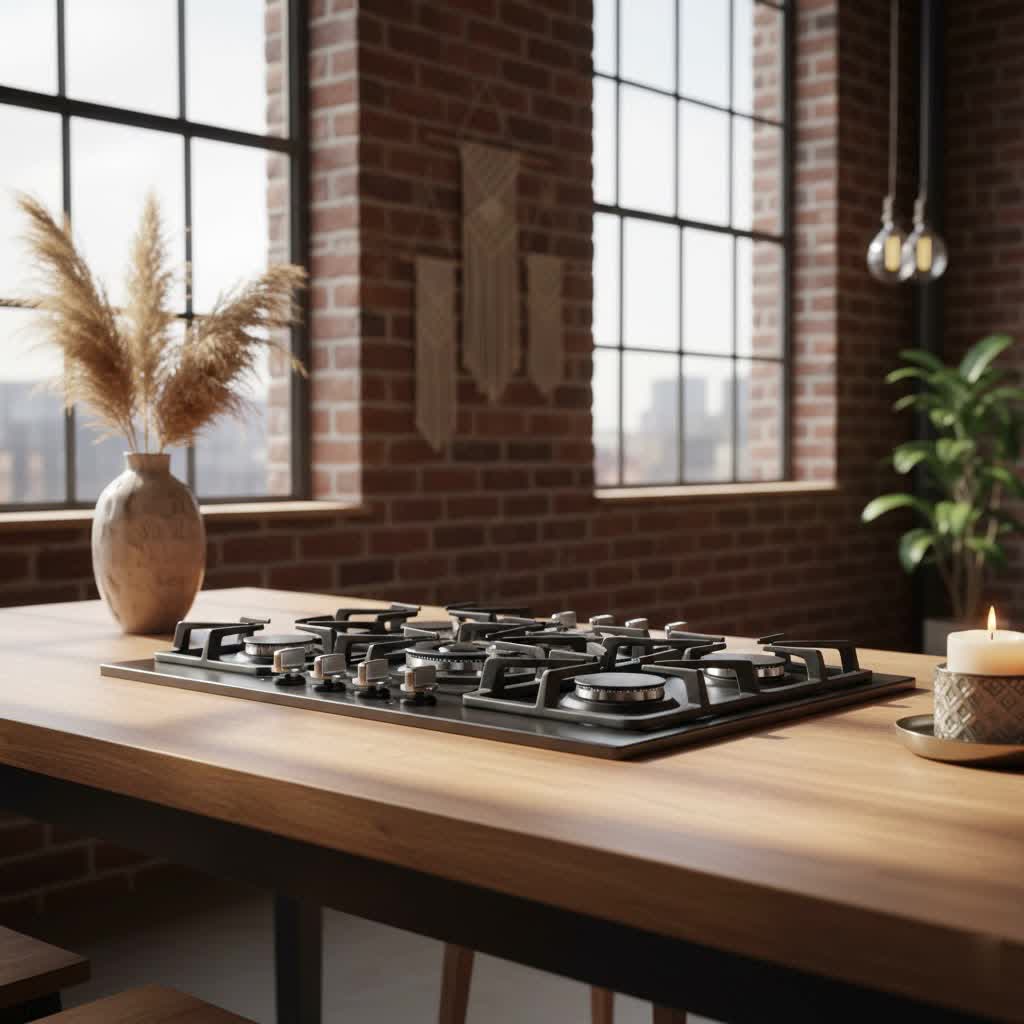
What is a Small Gas Stove? Structure and Operating Principle
A small gas stove is a compact cooking appliance, specifically engineered for limited spaces or mobile environments where traditional full-sized ranges are impractical. These stoves typically feature one or two burners and are powered by liquefied petroleum gas (LPG) sources like propane or butane. They prioritize portability, fuel efficiency, and ease of setup, making them distinct from their larger kitchen counterparts.
Common types include:
- Portable Gas Stoves: Often single-burner, highly compact, and designed for easy transport for outdoor activities like camping, backpacking, or picnics.
- Tabletop Gas Stoves: Usually feature one or two burners, sit on a counter, and are suitable for small apartments, dorms, or as auxiliary cooking appliances.
- Built-in Small Gas Hobs: Designed to be integrated into a kitchen countertop, offering a sleek, permanent solution for tiny homes or RVs.
The basic structure of a small gas stove comprises a burner (or multiple burners), a grate to support cookware, a flame spreader to ensure even heat distribution, and an ignition system (either manual, using a lighter, or automatic, via a piezo igniter). The operating principle is straightforward: gas flows from the fuel source (e.g., a propane canister or gas line) to the burner, where it mixes with air and is ignited. This controlled combustion generates a stable flame, providing instant and adjustable heat for cooking.
Types of Small Gas Stoves: Pros and Cons
Small gas stoves come in various configurations, each with distinct advantages and disadvantages tailored to different user needs.
Portable Gas Stoves
These are the epitome of mobile cooking, often found at campsites, tailgates, or as emergency backup.
- Pros:
- High Portability: Lightweight and compact, easy to pack and carry.
- Quick Setup: Designed for fast deployment and takedown.
- Energy Independence: Operates without electricity, crucial for off-grid scenarios.
- Cons:
- Limited Power: Often have lower BTU output compared to larger stoves, which can mean longer cooking times for larger meals.
- Fuel Constraints: Rely on disposable canisters, which need to be replenished and properly disposed of.
- Vulnerability to Wind: Many basic models lack effective wind shielding, impacting performance outdoors.
|
Our Picks for the Best Gas Stove in 2026
As an Amazon Associate I earn from qualifying purchases.
|
||
| Num | Product | Action |
|---|---|---|
| 1 | VEVOR 36 inch Gas Cooktop 5 Burners Gas Stove Top, Max 38300BTU Built-in Stainless Steel Stove Top LPG/NG Convertible Dual Fuel Cooktop Stoves with SABAF Dual-Ring Burner for Kitchen Apartment Rvs |

|
| 2 | Avanti Gas Range Oven, Compact Freestanding Design, 4 Sealed Burners with Electronic Ignition, 2.1 Cu.Ft. Capacity Features Framed Glass Door Storage Drawer Broiler and Accessories, 20-Inch, White |
|
| 3 | Avanti Gas Range Oven, Compact Freestanding Design, 4 Sealed Burners with Electronic Ignition, 2.1 Cu.Ft. Capacity Features Storage Drawer Broiler and Accessories, 20-Inch, Black |
|
| 4 | Vivicreate High Pressure Propane Gas Regulator 20 PSIG Outdoor Camping BBQ Grill Stove Burner Estufas de Gas para Cocinar Afuera Es gas propano |
|
| 5 | Empava 30 in. Gas Stove Cooktop 5 Italy Sabaf Sealed Burners NG/LPG Convertible in Black Tempered Glass |
|
| 6 | Gas One Propane Double Burner Two Burner Camp Stove with Windscreen Outdoor High Pressure Propane 2 Burner Adjustable PSI Regulator and 4ft Steel Braided Hose With Removable Legs |
|
| 7 | Kenmore 5.6 cu. ft. Front Control Gas Range Oven with 5 Cooktop Burners - True Convection, Air Fry, Turbo Boil, Self Clean, Dishwasher Safe Grates, Three Chrome Racks, LP Kit - Stainless Steel |
|
| 8 | GasOne High Pressure Single Propane Burner - Outdoor Cooking with Heat Shield and Guard – Propane Burner Head for Camping, Tailgating, Seafood Boil, Home Brewing - Patent Pending |
|
| 9 | Coleman Triton 2-Burner Propane Stove, Portable Camping Cooktop with 2 Adjustable Burners & Wind Guards, 22,000 BTUs of Power for Camping, Tailgating, Grilling, BBQ, & More |
|
| 10 | Gas One GS-3400P Propane or Butane Stove Dual Fuel Stove Portable Camping Stove - Patented - with Carrying Case Great for Emergency Preparedness Kit |
|
Tabletop Gas Stoves
Ideal for small kitchens, secondary cooking areas, or rental units where built-in options aren’t feasible.
- Pros:
- Space-Saving: Takes up minimal counter space.
- Easy Installation: Simply connect to a gas line or portable tank.
- Affordability: Generally less expensive than built-in models.
- Cons:
- Aesthetics: May not offer the seamless look of an integrated hob.
- Stability: Can be less stable than built-in units if not placed on a level surface.
- Cleaning: Can sometimes be challenging to clean around and underneath.
Built-in Small Gas Hobs
These offer a sophisticated and permanent cooking solution for compact kitchens, RVs, and tiny homes.
- Pros:
- Aesthetic Appeal: Seamlessly integrates into kitchen design, creating a clean, modern look.
- Easy to Clean: Flat surfaces make wiping spills straightforward.
- Stable and Secure: Fixed installation ensures maximum stability during cooking.
- Cons:
- Higher Cost: Generally more expensive due to design and installation requirements.
- Professional Installation: Often requires expert fitting into a countertop.
- Less Flexible: Once installed, relocation is difficult.
Comparing Popular Small Gas Stove Brands
When exploring small gas stoves, several brands stand out for their quality, innovation, and reliability. While specific models vary, here’s a general comparison based on key criteria:
| Brand Category | Quality & Durability | Key Features | Price Range | Typical Use Case |
|---|---|---|---|---|
| Camping/Outdoor Specialists | High-grade materials (stainless steel, aluminum), robust construction for outdoor conditions. | Piezo ignition, simmer control, integrated wind protection, fast boil times, compact storage. | Mid to Premium | Backpacking, camping, emergency preparedness. |
| Home Appliance Brands (Compact) | Durable enamel or tempered glass surfaces, sturdy grates, reliable ignition. | Automatic ignition, flame failure device, easy-clean surfaces, precise flame control. | Budget to Mid | Small apartments, secondary kitchens, dorms. |
| Hybrid/Dual-Purpose Brands | Blend of outdoor ruggedness and home convenience, often stainless steel. | Dual fuel compatibility (propane/butane), convertible designs (tabletop/stand), high BTU output. | Mid to Premium | RVs, tiny homes, versatile outdoor/indoor use. |
Brands like Camp Chef and Jetboil are often recognized for their robust, high-performance camping stoves, emphasizing quick boil times and fuel efficiency in outdoor settings. For compact home use, brands like Candes (as seen in search results) or general compact models from wider appliance manufacturers offer reliable performance with a focus on ease of use and aesthetics for small kitchens. Many smaller brands also offer excellent budget-friendly portable options.
Detailed Comparison Table of Best-Selling Small Gas Stove Models
Choosing the “best-selling” model often depends on the specific niche (e.g., camping vs. apartment). Here’s a comparative overview of common types of small gas stoves and their typical features, helping you identify what might suit your needs:
| Model Type | Burners | Power (BTU/Burner) | Material | Design Features | Safety Features | Approx. Price Range |
|---|---|---|---|---|---|---|
| Single Burner Portable | 1 | 8,000 – 10,000 | Stainless Steel/Plastic | Lightweight, compact, carrying case. | Pressure sensor, automatic shut-off. | $20 – $50 |
| Dual Burner Tabletop | 2 | 10,000 – 15,000 | Stainless Steel/Tempered Glass | Wide cooking surface, integrated handles. | Flame failure device, stable grates. | $40 – $90 |
| Compact Built-in Hob | 1 or 2 | 8,000 – 12,000 | Tempered Glass/Stainless Steel | Flush mount, modern aesthetic. | Auto-ignition, thermocouple. | $90 – $200+ |
| Camping High-Output | 2 | 15,000 – 20,000+ | Steel/Aluminum | Wind shields, strong grate, robust construction. | Pressure regulator, Piezo ignition. | $70 – $150+ |
Note: BTU (British Thermal Unit) indicates heat output. Higher BTU means faster heating. Prices are approximate and can vary based on brand, features, and retailer.
How to Choose the Right Small Gas Stove
Selecting the ideal small gas stove involves a thoughtful assessment of your specific requirements and available options.
-
Determine Your Usage Needs:
- Family Size & Cooking Frequency: A single-burner might suffice for solo adventurers or occasional use, while a two-burner is better for couples or small families cooking regularly.
- Types of Dishes: Consider if you need high heat for stir-frying or precise simmering for delicate sauces.
- Location: Is it for indoor kitchen use, outdoor camping, or an emergency backup? This dictates portability and installation needs.
-
Evaluate Stove Type and Space:
- Kitchen Space: Measure your available counter space carefully for tabletop models. For built-in hobs, consider installation requirements and permanent integration. Always account for adequate clearance from combustible surfaces, typically at least 6 inches on sides and 15 inches above the cooking surface.
- Budget: Small gas stoves range from budget-friendly portable units to premium built-in hobs.
-
Prioritize Safety Features:
- Automatic Gas Shut-off: A crucial feature that cuts off the gas supply if the flame extinguishes, preventing leaks.
- Flame Failure Protection (FFD): Automatically stops gas flow if the flame goes out.
- Pressure Sensors: Especially important for portable stoves using canisters, preventing overpressure.
- Child Locks: For households with young children, this feature adds an extra layer of protection.
-
Check for Quality and Certifications:
- Reputable Brands: Opt for brands known for manufacturing quality cooking appliances.
- Safety Certifications: Look for certifications that indicate the product meets national safety standards.
Tips for Safe and Efficient Small Gas Stove Use and Maintenance
To ensure your small gas stove performs optimally and safely for years, proper usage and regular maintenance are essential.
Installation Guidelines
- Level Surface: Always place the stove on a stable, level, non-combustible surface.
- Ventilation: Ensure adequate ventilation. If using indoors, an exhaust fan or open window is crucial to prevent carbon monoxide buildup.
- Gas Cylinder Placement: If using a portable gas cylinder, place it in a well-ventilated area, away from heat sources and electrical appliances. Maintain a minimum distance of approximately 5 feet between the stove and the cylinder.
- Hose Inspection: Regularly inspect gas hoses for cracks, kinks, or wear. Replace damaged hoses immediately.
Regular Cleaning
- Burners and Grates: Remove burner grates and caps regularly. Clean them with warm, soapy water to prevent clogging and ensure even flame distribution. Use a small brush or needle for burner holes if flames appear uneven.
- Stovetop Surface: Wipe down the stovetop after each use to prevent grease and food buildup, which can become a fire hazard. For stubborn stains, a baking soda paste can be effective.
Periodic Checks
- Gas Leak Detection: Periodically check gas connections for leaks. A simple method is to apply a soapy water solution; if bubbles form, there’s a leak requiring immediate attention.
- Flame Appearance: Observe the burner flames. They should be steady and blue. Yellow or flickering flames can indicate incomplete combustion or a blockage in the burner.
- Carbon Monoxide Detectors: Install carbon monoxide detectors, preferably at eye level or higher, in your home (not directly in the kitchen to avoid false alarms from normal cooking). Test them monthly.
Safety Precautions
- Keep Area Clear: Maintain at least 12 inches of clear space around the stove, free from flammable items like paper towels, dishcloths, or plastic containers.
- Unattended Cooking: Never leave a lit stove unattended. If you must step away, turn off the burners completely.
- Appropriate Cookware: Use flat-bottomed pots and pans that match the burner size to ensure even heating and prevent flames from extending beyond the pot. Turn pot handles inwards to avoid accidental knocks.
- Emergency Shut-off: Know the location of your main gas shut-off valve and how to operate it in an emergency.
- Portable Stove Specifics: For mini gas stoves using canisters, ensure the canister is correctly inserted and never exposed to excessive heat, which could cause it to explode. Do not use a gas stove to heat your home.
Common Small Gas Stove Problems and Solutions
Even with proper maintenance, small gas stoves can occasionally encounter issues. Here are some common problems and how to address them:
Problem: Stove Not Igniting
- Cause: No gas supply, clogged burner ports, faulty igniter, or low gas pressure.
- Solution:
- Check if the gas cylinder is full and properly connected, or if the main gas valve is open.
- Clean burner ports with a small wire or needle to remove debris.
- If using an automatic igniter, check for sparks. If none, the igniter may need cleaning or replacing. For manual ignition, ensure you have a working lighter or match.
Problem: Flame is Uneven or Yellow/Orange
- Cause: Clogged burner ports, improper air-to-gas mixture, or faulty regulator.
- Solution:
- Thoroughly clean the burner caps and ports.
- Ensure the stove is clean and free of spills.
- If cleaning doesn’t resolve it, the air shutter might need adjustment or there could be an issue with the gas regulator, which may require professional assistance.
Problem: Suspected Gas Leak
- Cause: Loose connections, damaged hose, or faulty appliance components. Gas has a distinctive rotten egg smell added to it.
- Solution:
- Immediately: Do not ignite any flames or turn on electrical appliances. Open windows and doors to ventilate the area.
- Evacuate: Get everyone out of the house.
- Call for Help: From outside the home, call your gas provider or emergency services. Do not return until the situation is declared safe by professionals.
- Prevention: Regularly inspect gas lines and connections.
Small Gas Stoves and Safety: What You Need to Know
The convenience of gas stoves comes with inherent safety responsibilities. Understanding the potential risks and implementing preventive measures is paramount.
Risks
- Fire Hazards: Unattended cooking, flammable materials near the burner, or grease fires.
- Gas Leaks: Can lead to explosions if ignited, or health hazards from asphyxiation.
- Carbon Monoxide (CO) Poisoning: Incomplete combustion or poor ventilation can produce odorless, colorless, and deadly carbon monoxide.
Prevention
- Install CO Detectors: Essential for any home with gas appliances. Install them outside sleeping areas and on every level.
- Ventilation: Always use an exhaust fan or open a window when cooking to ensure fresh air circulation.
- Clear Cooking Area: Keep all flammable items (towels, plastic, aerosols) away from the stovetop.
- Never Leave Unattended: Stay in the kitchen while cooking.
- Regular Maintenance: Follow cleaning and inspection schedules for the stove and gas lines.
- Professional Checks: Schedule annual inspections by a qualified technician.
Emergency Response
In case of a gas leak:
- Do NOT: Turn on/off lights, use phones inside, or ignite anything.
- Do: Immediately open windows/doors, evacuate everyone, and call emergency services from a safe distance.
For minor kitchen fires (e.g., grease fire):
- Do NOT: Use water.
- Do: Turn off the gas, slide a lid over the pan to smother the flames, or use a fire extinguisher. If the fire grows, evacuate and call emergency services.
Where to Buy a Reliable Small Gas Stove?
Finding a reliable small gas stove is easier than ever with various purchasing options available.
-
Brick-and-Mortar Stores:
- Appliance Stores: Offer a range of small gas stoves, including tabletop and built-in models, with knowledgeable staff who can provide advice and installation services.
- Department Stores & Home Improvement Centers: Often carry popular brands of portable and tabletop gas stoves, especially during peak camping seasons or for general home use.
- Outdoor Retailers: Specializing in camping and outdoor gear, these stores are excellent for finding high-performance portable gas stoves.
-
Online Retailers:
- E-commerce Giants: Websites like Amazon, eBay, and major retailers’ online stores (e.g., Walmart, Target) offer an extensive selection, often with competitive pricing and user reviews.
- Specialty Online Stores: Websites dedicated to camping gear, RV supplies, or small home appliances may offer a more curated selection and expert advice.
Tips for Online Purchases:
- Check Seller Reputation: Buy only from reputable sellers with positive reviews.
- Read Product Information Carefully: Verify specifications, fuel type, dimensions, and safety features.
- Review Return Policies: Understand the return and warranty policies before purchasing.
- Inspect Upon Arrival: As soon as your stove arrives, inspect it thoroughly for any damage or defects before use.
Reference Price Table for Small Gas Stoves (Latest Update)
Prices for small gas stoves can vary significantly based on brand, features, type, and where you purchase them. Here’s a general pricing guide:
| Category | Typical Price Range (USD) | Description |
|---|---|---|
| Budget Portable | $20 – $40 | Basic single-burner models, often for occasional camping or emergencies. Limited features, simple construction. |
| Mid-Range Portable/Tabletop | $40 – $90 | Dual-burner options, better materials, improved ignition systems, suitable for regular camping or small home kitchens. Good value. |
| Premium Portable/Specialty | $90 – $150+ | High-end backpacking stoves or integrated RV units with advanced safety, efficiency features, precise control, and durable builds. |
| Compact Built-in Hobs | $90 – $250+ | Designed for permanent installation in small kitchens, offering a sleek look with robust features. |
Note: These prices are estimates and can fluctuate with sales, new models, and market demand.
Conclusion: Smart Choices for Compact Cooking
Choosing the right small gas stove can significantly enhance your cooking flexibility, whether you’re dealing with limited kitchen space, embracing the mobile lifestyle, or ensuring preparedness for any situation. By understanding the different types, prioritizing essential safety features, and committing to regular maintenance, you can enjoy the efficiency and convenience these compact appliances offer. From the simplicity of a single-burner portable unit to the sleek integration of a built-in hob, there’s a small gas stove designed to meet every unique need.
Which small gas stove will perfectly fit your culinary adventures?
