Choosing the right gas burner stove is a pivotal decision for any kitchen, impacting daily cooking experiences and overall kitchen aesthetics. With over a decade of hands-on experience in kitchen appliances, particularly gas stoves, I understand the nuances that make a significant difference in performance, durability, and user satisfaction. This comprehensive guide aims to demystify the world of gas burner stoves, helping you navigate through the myriad options to find a model that perfectly aligns with your culinary needs, kitchen space, and budget. Get ready to discover the secrets to unlocking effortless cooking and enhanced safety with your ideal gas burner stove.
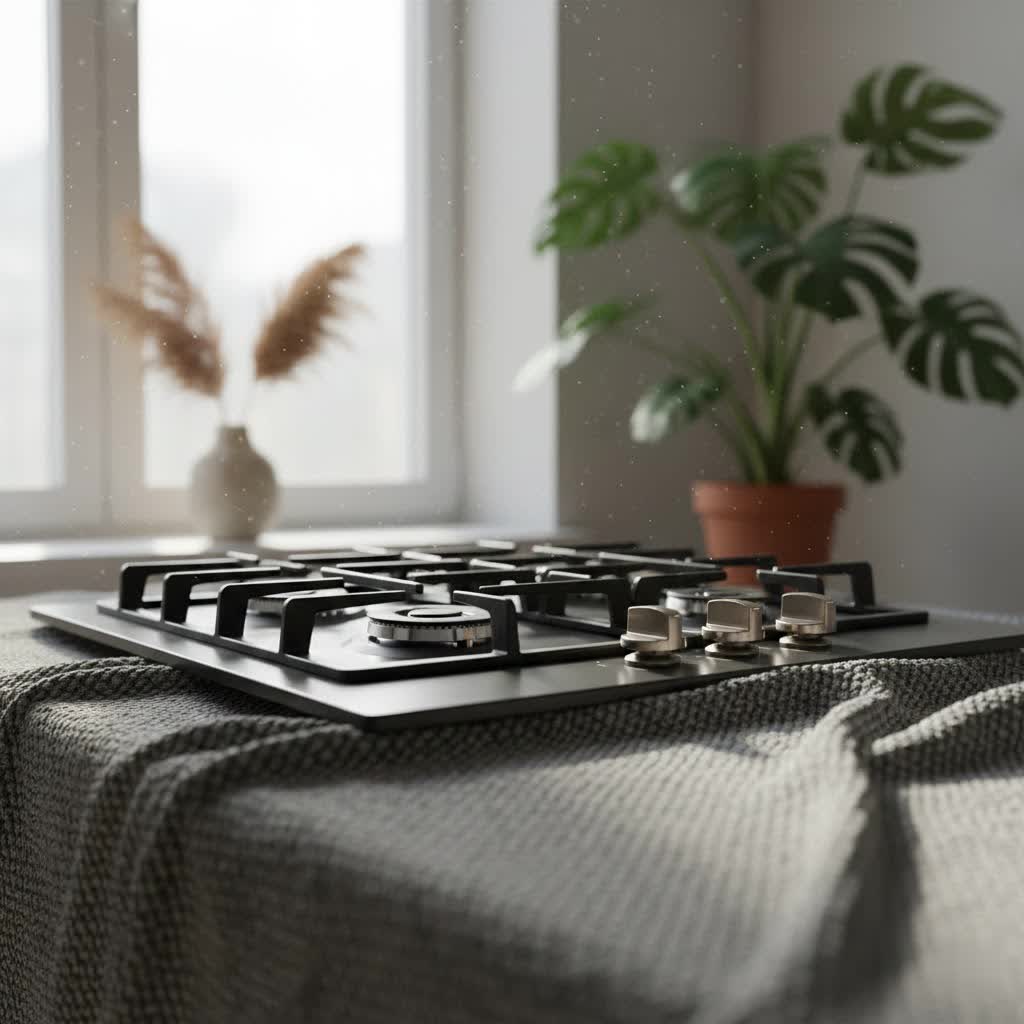
Understanding Gas Burner Stoves: Components and Operation
A gas burner stove is an essential kitchen appliance that uses natural gas or propane to generate an open flame for cooking. Unlike electric or induction alternatives, gas stoves offer instant heat control and immediate visual feedback on flame intensity, making them a favorite among home cooks and professional chefs alike.
At its core, a gas stove comprises several key components working in harmony:
- Burner Heads: These are the heart of the cooktop, where gas mixes with air and ignites. They come in various sizes and BTU (British Thermal Unit) outputs, catering to different cooking requirements from simmering delicate sauces to rapidly boiling water.
- Burner Caps: Detachable covers that sit atop the burner heads, ensuring the flame is distributed evenly and protecting the burner ports from spills and debris.
- Grates (Trivets): These supports hold cookware above the flame. Often made of cast iron, they provide stability and even heat distribution. Some designs feature continuous grates, allowing pots and pans to slide easily across the cooktop.
- Ignition System: This generates the spark to ignite the gas. Modern stoves typically use electronic ignition, while older models might use a pilot light.
- Control Knobs: These regulate the gas flow to each burner, allowing precise control over flame intensity and, consequently, cooking temperature.
- Gas Supply Line & Regulator: The supply line connects the stove to the main gas source, and a regulator controls the gas pressure, ensuring consistent and safe operation.
The operational principle is straightforward: when a control knob is turned and the ignition activated, gas flows through the burner head, mixes with air, and is ignited by a spark or pilot light, creating a controlled flame. The flame’s size and heat output are directly adjusted by manipulating the gas flow via the control knob.
Classifying Gas Burner Stoves: Types, Pros, and Cons
Gas burner stoves come in various configurations, each with distinct advantages and disadvantages tailored to different kitchen setups and cooking styles.
1. Freestanding Gas Ranges
These are all-in-one units combining a gas cooktop with an oven, designed to fit into a cutout between cabinets.
- Pros: Generally more affordable, easier to install as they don’t require custom cabinetry, and offer a complete cooking solution.
- Cons: Less integrated look, can be harder to clean spills that run down the sides, and might not offer the same high-end features as separate cooktops and wall ovens.
|
Our Picks for the Best Gas Stove in 2026
As an Amazon Associate I earn from qualifying purchases.
|
||
| Num | Product | Action |
|---|---|---|
| 1 | Gas One GS-3400P Propane or Butane Stove Dual Fuel Stove Portable Camping Stove - Patented - with Carrying Case Great for Emergency Preparedness Kit |

|
| 2 | Vivicreate High Pressure Propane Gas Regulator 20 PSIG Outdoor Camping BBQ Grill Stove Burner Estufas de Gas para Cocinar Afuera Es gas propano |
|
| 3 | Gas One Propane Double Burner Two Burner Camp Stove with Windscreen Outdoor High Pressure Propane 2 Burner Adjustable PSI Regulator and 4ft Steel Braided Hose With Removable Legs |
|
| 4 | Avanti Gas Range Oven, Compact Freestanding Design, 4 Sealed Burners with Electronic Ignition, 2.1 Cu.Ft. Capacity Features Storage Drawer Broiler and Accessories, 20-Inch, Black |
|
| 5 | Avanti Gas Range Oven, Compact Freestanding Design, 4 Sealed Burners with Electronic Ignition, 2.1 Cu.Ft. Capacity Features Framed Glass Door Storage Drawer Broiler and Accessories, 20-Inch, White |
|
| 6 | VEVOR 36 inch Gas Cooktop 5 Burners Gas Stove Top, Max 38300BTU Built-in Stainless Steel Stove Top LPG/NG Convertible Dual Fuel Cooktop Stoves with SABAF Dual-Ring Burner for Kitchen Apartment Rvs |
|
| 7 | GasOne High Pressure Single Propane Burner - Outdoor Cooking with Heat Shield and Guard – Propane Burner Head for Camping, Tailgating, Seafood Boil, Home Brewing - Patent Pending |
|
| 8 | Kenmore 5.6 cu. ft. Front Control Gas Range Oven with 5 Cooktop Burners - True Convection, Air Fry, Turbo Boil, Self Clean, Dishwasher Safe Grates, Three Chrome Racks, LP Kit - Stainless Steel |
|
| 9 | Empava 30 in. Gas Stove Cooktop 5 Italy Sabaf Sealed Burners NG/LPG Convertible in Black Tempered Glass |
|
| 10 | Coleman Triton 2-Burner Propane Stove, Portable Camping Cooktop with 2 Adjustable Burners & Wind Guards, 22,000 BTUs of Power for Camping, Tailgating, Grilling, BBQ, & More |
|
2. Built-In Gas Cooktops (Hobs)
These units are installed directly into a countertop, with the controls typically located on the cooktop surface or on the front edge.
- Pros: Sleek, integrated appearance, frees up floor space, often easier to clean due to the sealed surface. Many high-end models offer advanced features.
- Cons: Higher price point, requires professional installation and custom countertop cutouts, and cannot be easily moved.
3. Portable/Mini Gas Stoves
Compact, lightweight units typically powered by butane or propane canisters, ideal for outdoor use, camping, or as an emergency backup.
- Pros: Highly portable, convenient for outdoor cooking, and quick to set up.
- Cons: Lower BTU output, not suitable for heavy-duty or frequent indoor cooking, and requires regular canister replacement.
Burner Types: Open vs. Sealed
Beyond stove configuration, the type of burner design significantly impacts cooking performance and cleaning.
- Open Burners: Feature exposed flames directly heating the cookware.
- Pros: Offer precise and instant heat control, quicker heating, and often higher BTU outputs ideal for searing and stir-frying. The visible flame provides immediate feedback.
- Cons: More challenging to clean as spills can fall into the burner components, posing safety concerns with exposed flames.
- Sealed Burners: The burners are housed beneath a continuous grate, preventing spills from reaching the internal components.
- Pros: Easier to clean, sleek aesthetic, and typically better heat retention, potentially improving energy efficiency.
- Cons: May offer less precise heat control compared to open burners, and can take longer to heat up.
Burner Materials: Brass, Aluminum, and Cast Iron
The material of the burner also plays a role in its performance and longevity.
- Brass Burners: Known for durability, corrosion resistance, and excellent heat retention. They offer optimal, evenly distributed heat, making them a premium, long-lasting option.
- Aluminum Burners: More affordable and lighter, they heat up quickly but may not retain heat as effectively as brass. They have a shorter lifespan.
- Cast Iron Burners: Robust and offer uniform heat distribution, ideal for high-heat cooking. They are heavier and more durable than aluminum, often compared to brass in functionality.
Comparing Leading Gas Burner Stove Brands
The market offers a wide array of reputable brands, each with unique strengths. Here’s a comparative overview of some popular choices:
| Brand | Key Strengths | Typical Price Range | Ideal For |
|---|---|---|---|
| Rinnai | High-quality, durable, excellent safety features, strong focus on energy efficiency. | Mid to High | Consumers prioritizing reliability, safety, and long-term value. |
| Sunhouse | Affordable, widely available, good basic functionality for everyday use. | Low to Mid | Budget-conscious buyers needing a functional, no-frills gas stove. |
| Paloma | Known for sleek design, advanced safety features like flame failure devices, and user-friendly operation. | Mid to High | Design-focused users who value aesthetics and enhanced safety. |
| Electrolux | Innovative features, stylish designs, good balance of performance and efficiency. | Mid to High | Modern kitchens, users seeking smart features and contemporary design. |
| LG | Smart features, sleek design, often high BTU burners, and good overall performance. | Mid to High | Tech-savvy users, those looking for modern aesthetics and consistent cooking. |
| Maytag | Value for money, durable construction, powerful burners. | Mid | Practical buyers seeking robust performance without a premium price tag. |
| Samsung | High-tech features, intuitive controls, modern styling, smart home integration options. | Mid to High | Users wanting smart features, contemporary design, and advanced controls. |
| Bosch | Precision engineering, sleek European design, high-quality craftsmanship, powerful burners. | High | Homeowners valuing precision, quality, and a modern, minimalist aesthetic. |
| GE Profile | Smart features, variety of BTU outputs, reliable performance. | Mid to High | Busy households looking for smart technology and versatile cooking options. |
| Prestige | Durable, efficient heat distribution (often with brass burners), innovation, and safety. | Mid | Those seeking reliable performance, durability, and traditional cooking methods. |
| Frigidaire Gallery | Good performance, often with total convection ovens, competitive pricing. | Mid | Value-conscious buyers who still desire modern features and reliable performance. |
> “The choice of a gas stove brand often boils down to balancing desired features, build quality, and budget. While premium brands offer advanced functionalities and durable materials, many mid-range brands provide excellent performance and reliability for everyday cooking.”
Detailed Comparison of Popular Gas Burner Stove Models
To make an informed decision, it’s beneficial to look at specific popular models and their key specifications. Here’s a general example of what to compare:
| Feature/Model | Freestanding 4-Burner (Entry-Level) | Built-In 5-Burner (Mid-Range) | High-End Professional Range |
|---|---|---|---|
| Type | Freestanding Range | Built-in Cooktop | Freestanding Range |
| Burners | 4 sealed burners | 5 sealed burners (1 wok/power burner) | 6 open or sealed burners (high BTU) |
| BTU Output | 5,000 – 15,000 BTUs | 5,000 – 18,000 BTUs | 9,000 – 21,000+ BTUs per burner |
| Material | Enamel/Stainless Steel | Stainless Steel/Glass | Stainless Steel |
| Design | Basic, functional | Sleek, integrated | Commercial-style, robust |
| Safety Features | Manual ignition, basic safety valve | Flame failure device, auto-ignition | Flame failure, automatic re-ignition |
| Special Features | None | Continuous grates, rapid boil burner | Dual-fuel options, true convection oven, smart features |
| Price Range | $400 – $800 | $800 – $1,500 | $2,000 – $5,000+ |
| Ideal For | Small families, infrequent cooking | Medium families, daily cooking, modern kitchens | Serious home cooks, large families, gourmet cooking |
When comparing models, always check the exact BTU ratings for each burner, the material of the grates (cast iron is generally preferred for durability and stability), and any unique features like wok rings or bridge burners for griddles.
How to Choose the Right Gas Burner Stove
Selecting the perfect gas burner stove involves carefully considering your lifestyle, cooking habits, and kitchen environment.
-
Assess Your Cooking Needs:
- Family Size & Frequency: A 4-burner stove is sufficient for medium families and daily tasks. Larger families or those who cook frequently and entertain might benefit from a 5-burner or even 6-burner model, offering more cooking space and flexibility.
- Cooking Style: If you often stir-fry or need to boil large pots quickly, look for high-BTU power burners (20,000+ BTUs) or a dedicated wok burner. For delicate simmering, a low-BTU simmer burner is essential.
- Dish Types: Consider if you need diverse heat settings for various dishes.
-
Choose the Right Type of Stove:
- Space & Aesthetics: Freestanding ranges are versatile and often more budget-friendly. Built-in cooktops offer a seamless, modern look and save counter space if placed above an oven. Portable mini stoves are great for mobility and outdoor use. Ensure adequate ventilation space for built-in models and rangehood requirements.
- Budget: Gas stoves range widely in price. Determine how much you’re willing to invest, balancing features with cost.
-
Prioritize Safety Features:
- Automatic Shut-off/Flame Failure Device: This crucial feature automatically cuts off the gas supply if the flame accidentally extinguishes, preventing gas leaks.
- Child Lock/Knob Covers: Essential for households with young children to prevent accidental ignition.
- Sturdy Grates: Ensure the trivets are flat, stable, and allow you to slide pots without lifting them, ideally with rubber feet to prevent scratching.
-
Consider Material and Build Quality:
- Cooktop Surface: Stainless steel is popular for durability and aesthetics, while tempered glass offers a sleek look and is easy to clean.
- Burner Material: Brass and cast iron burners are preferred for their durability, heat retention, and even distribution.
- Knobs: Look for heat-resistant materials that are easy to grip and operate.
-
Check for Additional Features:
- Auto-Ignition: Eliminates the need for matches or lighters, reducing accidental burns.
- Continuous Grates: Allow for easy movement of pots and pans across burners.
- Spill-Proof Design: Features like sealed burners and spill-proof trays make cleaning easier and prevent liquids from entering the stove’s internal components.
- Smart Features: Some modern ranges offer Wi-Fi and voice control for remote adjustments.
Safe Usage and Maintenance Tips for Your Gas Burner Stove
Proper usage and regular maintenance are paramount for ensuring the longevity, efficiency, and most importantly, safety of your gas burner stove.
Installation and Initial Setup
- Professional Installation: Always have your gas stove installed by a licensed professional to ensure correct gas line connections and prevent leaks.
- Proper Ventilation: Ensure your kitchen has adequate ventilation, such as a range hood or exhaust fan, to expel combustion byproducts like carbon monoxide. Regularly clean the exhaust hood.
Regular Cleaning and Maintenance
- Daily Wipe-Down: After each use, wipe down the cooktop surface with a damp cloth or sponge to remove spills and splatters.
- Weekly Scrub: Regularly clean burner grates and caps. Remove them when cool, soak them in warm, soapy water, and scrub away food residue. For stubborn stains, a paste of baking soda and water can be effective. Rinse and dry thoroughly before reassembling.
- Monthly Deep Clean: Perform a thorough deep clean of the entire appliance, including burner components and drip pans.
- Never Pour Water on Hot Stove: Avoid pouring water directly onto a hot gas stove, as it can cause electrical problems or seep into gas lines.
Safety Checks and Precautions
- Inspect Gas Connections Periodically: Regularly check the gas line for signs of wear or corrosion. Use a soapy water solution to check for bubbles along connections while the gas is on but the stove is off – bubbles indicate a leak. Ensure all connections are tight and secure.
- Monitor Gas Pressure: Ensure your gas pressure is at optimal levels for consistent flame.
- Install Carbon Monoxide Detectors: Gas stoves produce carbon monoxide, so installing detectors in your home is a critical safety measure.
- Keep Flammable Items Away: Never place flammable materials like paper towels, drapes, or plastics near the gas burner cooktop.
- Use Proper Cookware: Use cookware that fits the size of the burner to prevent uneven cooking and potential hazards.
- Never Leave Unattended: Do not leave a gas stove on unattended.
- Turn Off After Cooking: Always ensure burners are turned off after cooking and, if applicable, disconnect portable gas sources.
Common Gas Stove Issues and Troubleshooting
Even with proper maintenance, gas stoves can encounter occasional issues. Here are some common problems and their potential solutions:
- Burner Not Lighting:
- Cause: Clogged burner ports, wet igniter, loose gas connection, or no gas supply.
- Solution: Clean burner ports with a brush, ensure igniter is dry, check if the gas valve is open, and inspect gas connections. If issues persist, call a professional.
- Uneven Flame/Yellow Flame:
- Cause: Clogged burner ports, dirty burner cap, or improper air-to-gas mixture.
- Solution: Thoroughly clean burner heads and caps. A yellow or orange flame indicates incomplete combustion, which can produce carbon monoxide, requiring immediate attention and potentially professional adjustment.
- Gas Leak (Smell of Gas):
- Cause: Loose connections, damaged gas line, or faulty valve.
- Solution: Immediately turn off the gas supply, open windows and doors for ventilation, and evacuate if the smell is strong. Do not use any electrical switches. Call the gas company or a certified technician immediately.
Gas Stove Safety: Essential Considerations
While gas stoves offer excellent cooking performance, safety must always be a top priority due to the use of a flammable fuel source.
- Carbon Monoxide (CO) Risk: Gas combustion produces carbon monoxide, an odorless, colorless gas that can be deadly. Proper ventilation and CO detectors are non-negotiable.
- Fire Hazards: Grease fires can occur if cookware is left unattended or due to excessive grease buildup. Always monitor cooking and keep a fire extinguisher readily available.
- Gas Leaks: Early detection is crucial. Trust your nose – a distinct rotten egg smell indicates a gas leak. Act swiftly and responsibly if you suspect one.
- Child Safety: Implement child safety locks on knobs and keep children away from the cooking area.
Taking these precautions seriously will create a safer cooking environment for you and your family.
Where to Buy a Gas Burner Stove
Purchasing a gas burner stove requires choosing a reputable vendor that offers quality products, competitive pricing, and reliable after-sales service.
- Appliance Retailers & Department Stores: Large retailers like Good Housekeeping-approved appliance stores, or department stores often have a wide selection, allowing you to see models in person and compare features. They typically offer installation services and warranty options.
- Specialty Kitchen Stores: These stores focus on high-end or professional-grade appliances, often with knowledgeable staff who can provide expert advice.
- Online Marketplaces: Websites like Amazon, Flipkart, or brand-specific online stores offer convenience and often competitive pricing. However, be diligent in checking seller reviews, product specifications, and return policies. Ensure the seller is authorized and that the product comes with a valid warranty.
When buying, always confirm the warranty details, available spare parts, and the brand’s customer service reputation.
Indicative Gas Burner Stove Price Guide (Latest Update)
Prices for gas burner stoves can vary significantly based on type, brand, number of burners, material, and features. This table provides a general reference:
| Type of Gas Stove | Price Range (USD) | Key Factors Influencing Price |
|---|---|---|
| Portable/Mini Gas Stove | $20 – $100 | Simplicity, single/double burner, fuel type (butane/propane canister). |
| Entry-Level 2-4 Burner | $150 – $400 | Basic models, manual ignition, standard materials (e.g., enamel, aluminum burners). |
| Mid-Range 3-5 Burner | $400 – $1,200 | Auto-ignition, stainless steel or tempered glass, sealed burners, flame failure device, popular brands. |
| Premium Built-In Cooktop | $800 – $2,500 | High-end brands, multiple power burners, advanced safety, smart features, designer aesthetics. |
| Professional Gas Range | $1,500 – $5,000+ | Commercial-grade, high BTU output, durable construction, advanced oven features (convection), smart tech. |
Prices are subject to change and may vary by region and retailer. It’s always advisable to compare prices from different vendors and look out for promotions.
Making a Smart Choice for Your Family’s Kitchen
Choosing the right gas burner stove is an investment in your home’s culinary heart. From understanding the fundamental components and different types available to meticulous comparison of brands and models, this guide has aimed to equip you with the knowledge to make a confident decision. Prioritizing safety features, adhering to maintenance schedules, and selecting a stove that genuinely matches your cooking style will ensure years of reliable and enjoyable cooking.
What unique cooking experiences are you looking forward to creating with your new gas burner stove?
Frequently Asked Questions
What is the ideal BTU range for a good gas burner stove?
For versatility, a good gas burner stove should offer a variety of BTUs. Look for power burners with 15,000-21,000+ BTUs for rapid boiling and searing, and simmer burners as low as 5,000 BTUs for delicate sauces. An average of 9,000-12,000 BTUs per burner is suitable for most everyday cooking tasks.
Are sealed burners better than open burners?
The “better” choice depends on your priorities. Sealed burners are easier to clean and offer a sleek look, making them popular for modern kitchens. Open burners provide more precise, instant heat control and are often preferred by professional chefs for high-heat cooking due to their direct flame.
How often should I clean my gas stove burners?
For optimal performance and safety, you should wipe down your cooktop daily, scrub burner grates and caps weekly, and perform a deep clean of the entire appliance monthly. Regular cleaning prevents grease buildup and clogs that can lead to uneven flames or gas leaks.
Is it safe to use a gas stove during a power outage?
Yes, a significant advantage of gas stoves is their ability to function during power outages, as they do not rely on electricity for the flame (though electronic ignition systems may not work without power, requiring manual ignition with a match). This makes them a reliable backup cooking solution.
What does it mean if my gas stove flame is yellow or orange?
A healthy gas stove flame should be blue. A yellow or orange flame typically indicates incomplete combustion, which can produce carbon monoxide and soot. This is often caused by clogged burner ports or an improper air-to-gas mixture, and usually requires cleaning or professional adjustment.
How many burners do I really need on my gas stove?
For most medium-sized families, a 4-burner gas stove is sufficient for daily cooking. If you frequently cook multiple dishes simultaneously, use large cookware, or have a larger family, a 5-burner stove provides more space and flexibility. Professional chefs or large households might consider 6 or more burners.
