Stepping into the world of gas cooktop stoves can transform your culinary journey, offering a level of control and responsiveness that many home chefs crave. These kitchen workhorses are celebrated for their ability to deliver instant heat and precise flame adjustments, making them a favorite for everything from a gentle simmer to a roaring stir-fry. But with a myriad of options, features, and safety considerations, choosing the right gas cooktop can feel overwhelming. This comprehensive guide will illuminate every aspect of gas cooktop stoves, helping you select, use, and maintain the perfect appliance for your kitchen, ensuring both exceptional cooking performance and peace of mind.
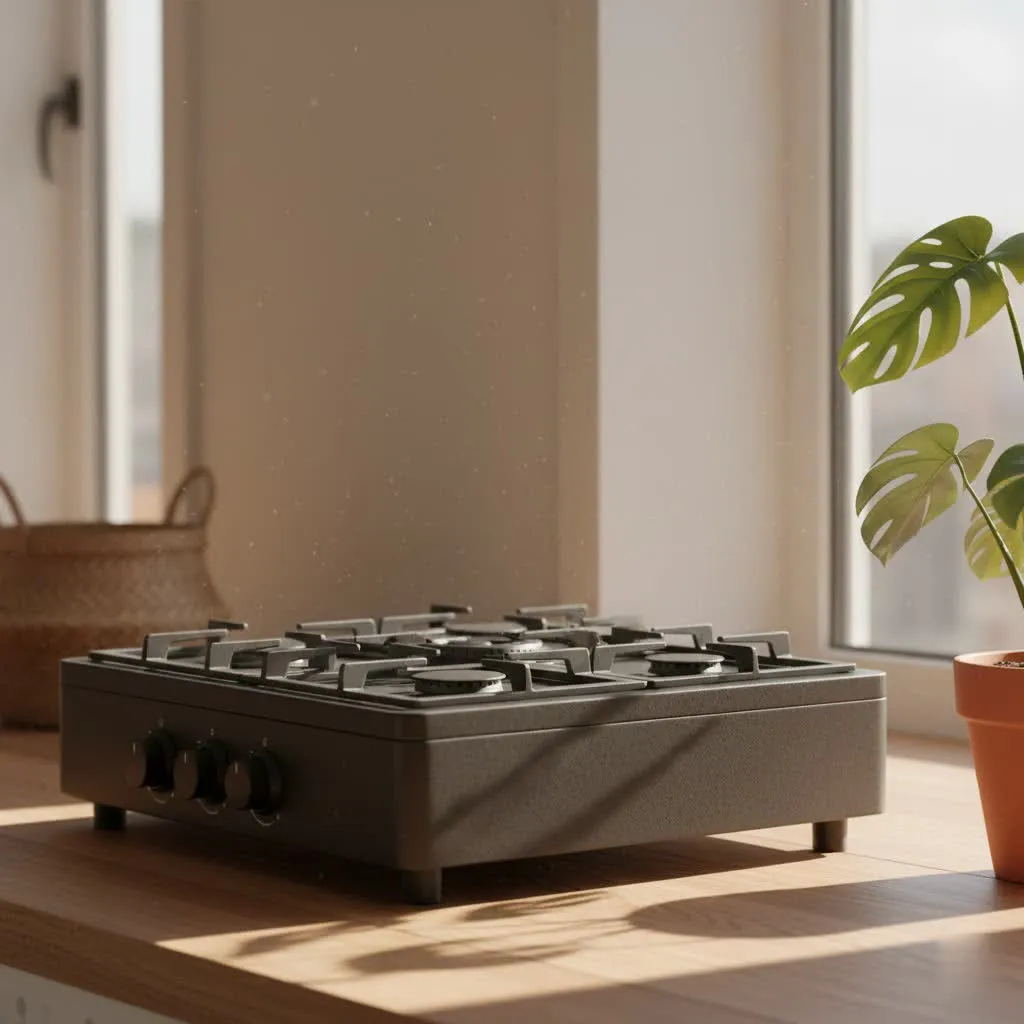
Understanding Gas Cooktop Stoves: Definition, Structure, and Operation
A gas cooktop stove is a cooking appliance that uses natural gas or propane to produce an open flame, directly heating cookware. Unlike a full gas range which combines a cooktop with an oven, a gas cooktop is typically installed into a countertop, often above cabinets or a separate wall oven, offering flexibility in kitchen design.
There are primarily two types based on installation:
- Drop-in/Built-in Gas Cooktops: These sit flush with the countertop, providing a seamless, integrated look. They require a cutout in the counter for installation.
- Gas Rangetops: While similar to cooktops, rangetops usually have commercial-style aesthetics with front-mounted knobs and more robust construction, often overlapping the countertop slightly.
The core components of a gas cooktop include:
- Burners: The heart of the cooktop, consisting of a burner base, cap, and igniter.
- Grates: Typically made of cast iron, these sit above the burners and support pots and pans. Continuous grates allow for easy sliding of cookware.
- Control Knobs: Manual dials that regulate the gas flow to each burner, controlling flame intensity.
- Ignition System: An electronic system that creates a spark to light the gas. Older models might use a pilot light.
- Gas Supply Line: Connects the cooktop to your home’s gas supply.
The principle of operation is straightforward: when a burner knob is turned, gas flows to the burner. Simultaneously, the ignition system creates a spark, igniting the gas to produce a flame. Adjusting the knob varies the gas flow, allowing for precise control over the flame size and heat output.
Pros and Cons of Gas Cooktop Stoves
Gas cooktops offer distinct advantages and a few considerations:
Advantages:
- Precise Temperature Control: The most significant benefit is the immediate visual feedback and control over heat. You can instantly raise or lower the flame, allowing for quick adjustments crucial for delicate sauces or rapid searing.
- Even Heat Distribution: The direct flame typically spreads heat evenly across the bottom of cookware, minimizing hot spots and promoting consistent cooking.
- Versatility with Cookware: Gas cooktops work with virtually any type of cookware, including those with slightly uneven bottoms, unlike induction cooktops that require magnetic pots.
- Functionality During Power Outages: In many models, gas cooktops can be manually lit with a match during an electricity outage, providing a reliable cooking option.
- High-Heat Cooking: Many gas cooktops feature high-BTU (British Thermal Unit) burners, perfect for stir-frying, wok cooking, and rapid boiling.
Disadvantages:
- Installation Costs and Complexity: If your kitchen lacks an existing gas line, installing one can be a significant additional expense and requires professional work.
- Heat and Safety Concerns: Open flames inherently pose a burn risk. Gas leaks, though rare with proper maintenance, are a potential hazard, and gas combustion releases carbon monoxide (CO), necessitating good ventilation.
- Environmental Impact: Burning natural gas releases greenhouse gases, which can be a concern for environmentally conscious consumers.
- Cleaning Challenges: The grates, burner caps, and crevices around the burners can accumulate spills and food debris, making cleaning more involved than a smooth-surface electric or induction cooktop.
- Less Energy Efficient: A portion of the heat from the flame escapes into the air, making gas cooktops generally less energy-efficient than induction models.
Exploring Types and Configurations of Gas Cooktop Stoves
Gas cooktops come in various designs and configurations, each impacting your cooking experience:
Burner Types:
- Standard Gas Burners: The most common type, providing reliable heat for general cooking tasks.
- Brass Burners: Often found in high-end models, brass conducts heat efficiently and is more durable, ideal for intense, high-heat cooking.
- Sealed Burners: Designed to prevent spills from seeping into the cooktop’s internal components, making cleanup significantly easier and enhancing longevity.
- High-Output Burners: Boasting higher BTU ratings (12,000-20,000+ BTUs), these are for rapid boiling, searing, and stir-frying.
- Simmer Burners: Designed for very low heat output (as low as 5,000 BTUs), ideal for delicate sauces or keeping food warm without scorching.
- Wok Burners: Specifically designed with a concave shape and intense heat to accommodate woks for authentic stir-frying.
Burner Count and Layout:
Gas cooktops typically feature 4 or 5 burners. A 4-burner setup is standard, while 5-burner models provide more cooking flexibility. Consider the spacing and layout of burners; well-spaced burners allow you to use multiple large pots simultaneously without crowding. A central wok burner is common in 5-burner layouts.
Surface Materials:
- Stainless Steel: A popular choice for its durability, sleek modern appearance, and ease of cleaning.
- Tempered Glass: Offers a sophisticated, contemporary look and a smooth surface that is generally easy to wipe down.
- Enamel: A more traditional and often more affordable option, known for its resilience and variety of colors.
BTU Ratings:
British Thermal Units (BTUs) measure the heat output of gas burners. Burners typically range from 5,000 BTUs for simmer settings to 15,000 BTUs for standard high heat, with some professional-style burners exceeding 20,000 BTUs. Consider your cooking style when evaluating BTU ratings; frequent searing or stir-frying warrants higher BTU burners.
Top Gas Cooktop Stove Brands: A Comparative Overview
The market offers a wide array of reputable gas cooktop stove brands, each with its unique strengths. Here’s a look at some leading names:
- Bosch: Known for its precision engineering, sleek European design, and robust build quality. Bosch cooktops often feature powerful burners and premium materials, though they can be at a higher price point.
- GE: A popular choice in American households, GE offers a balance of performance and accessibility. Their models often include smart features in higher-end lines and boast a strong service network.
- Samsung: These cooktops integrate high-tech features, intuitive controls, and modern styling, often with smart-home connectivity options. They are excellent for those seeking contemporary design.
- Whirlpool: Provides dependable everyday performance with a focus on convenience and durability. Whirlpool models are often praised for their continuous cast-iron grates and easy-to-clean surfaces.
- Frigidaire: Offers affordable yet functional options, making them a good choice for smaller kitchens or budget-conscious buyers seeking reliable performance in a compact design.
- Thermador: Positioned at the luxury end, Thermador is celebrated for its professional-grade performance, unique star-shaped burners for superior heat distribution, and bold designs.
- Miele: A premium brand known for exceptional quality, elegant design, and high-performance features like multiple dual-wok burners and advanced safety functions.
- LG: Offers modern designs, good cooking power, and often includes user-friendly features like EasyClean surfaces and high BTU rates.
When comparing brands, consider not just the initial cost but also long-term durability, available features, warranty, and customer service reputation.
Detailed Comparison of Best-Selling Gas Cooktop Stove Models
To further assist your decision, here’s a comparative look at features commonly found in popular gas cooktop models:
| Feature/Model Type | Standard 4-Burner (Budget-Friendly) | Mid-Range 5-Burner (Balanced) | Premium 5-Burner (High-Performance) |
|---|---|---|---|
| Typical Brand Example | Frigidaire, Empava (select models) | GE Profile, Samsung (select models) | Thermador, Miele, Bosch (select models) |
| Burner Count | 4 | 5 | 5-6 |
| BTU Range | 5,000 – 12,000 BTU | 5,000 – 17,000 BTU | 5,000 – 20,000+ BTU |
| Surface Material | Stainless Steel, Enamel | Stainless Steel, Tempered Glass | Stainless Steel, Porcelain Enamel |
| Grate Type | Individual or basic Continuous | Continuous Cast Iron | Heavy-duty Continuous Cast Iron |
| Special Features | Manual ignition, Basic controls | Flame failure safety, Auto re-ignition, Simmer burner, Wok burner | Dual-stack burners, ExtraLow simmer, Wok rings, Illuminated knobs, Integrated griddle options |
| Approx. Price Range | $300 – $700 | $700 – $1,500 | $1,500 – $4,000+ |
| Target User | Everyday cooking, compact kitchens | Diverse cooking, families | Enthusiastic home chefs, frequent entertainers |
This table provides a general overview; specific models within each brand will vary in features and price. Always check individual product specifications to ensure they meet your exact needs.
Your Guide to Choosing the Right Gas Cooktop Stove
Selecting the ideal gas cooktop stove involves a thoughtful assessment of your cooking habits, kitchen layout, and budget.
-
Determine Your Cooking Needs:
- Family Size & Cooking Frequency: A smaller household with infrequent cooking might be fine with a 4-burner cooktop. Larger families or those who entertain often may benefit from 5 or more burners and a diverse range of BTU outputs.
- Cooking Style: If you frequently sear, stir-fry, or use a wok, prioritize models with high-BTU power burners. For delicate sauces and simmering, look for precise simmer burners.
-
Consider Your Kitchen Space and Layout:
- Dimensions: Measure your existing countertop cutout precisely if replacing an old unit. Standard widths are 30 or 36 inches, but 60, 70, 80, and 90 cm options exist. Ensure adequate clearance from walls and overhead cabinets.
- Gas Line Availability: Confirm you have an existing gas line. If not, factor in the cost and logistics of professional installation for a new line.
- Ventilation: A gas cooktop requires proper ventilation. Ensure you have an adequately sized range hood installed above the cooktop to remove combustion byproducts and cooking odors.
-
Prioritize Safety Features:
- Flame Failure Safety Device: This crucial feature automatically cuts off the gas supply if the flame accidentally extinguishes (e.g., due to a draft or boil-over), preventing gas leaks.
- Automatic Re-ignition: Some advanced models will automatically attempt to re-ignite a burner if the flame goes out.
- Child Lock Controls: If you have young children, consider models with child-lock features for the knobs.
-
Evaluate Quality, Durability, and Aesthetics:
- Material: Stainless steel is durable and easy to clean. Tempered glass offers a sleek look. Cast iron grates are robust; continuous grates are convenient for moving pots.
- Brand Reputation: Choose reputable brands known for quality and reliability. Read reviews from other users.
- Ease of Cleaning: Sealed burners and smooth cooktop surfaces simplify cleanup. Dishwasher-safe grates are a bonus.
-
Set a Realistic Budget: Gas cooktop stoves vary widely in price, from a few hundred dollars to several thousand. Factor in not just the purchase price but also potential installation costs.
Essential Usage and Maintenance Tips for Gas Cooktop Stoves
Proper usage and regular maintenance are crucial for the safety, efficiency, and longevity of your gas cooktop stove.
Installation:
- Always have a qualified professional install your gas cooktop. This ensures correct gas line connection, proper ventilation setup, and adherence to safety codes.
- Ensure the gas shut-off valve is easily accessible in case of an emergency.
Regular Cleaning:
- After Each Use: Wipe down the cooktop surface with a damp cloth or sponge to remove spills and food residue. Avoid abrasive cleaners that can scratch the finish.
- Weekly Cleaning: Remove burner grates and caps. Wash them in warm, soapy water. For stubborn stains, a paste of baking soda and water can be effective. Ensure all parts are completely dry before reassembling to prevent ignition issues.
- Monthly Deep Clean: Pay attention to burner ports (the small holes where gas exits). Use a soft brush or a pin to gently clear any debris that might clog them, which can lead to uneven flames or ignition problems. Clean the igniter electrodes if they are dirty.
- Ventilation System: Regularly clean your range hood filters. Grease buildup can impair their effectiveness and pose a fire risk.
Periodic Checks:
- Check for Gas Leaks: Periodically inspect the gas supply line and connections. Apply a soapy water solution to the connections; if bubbles appear, it indicates a leak. Turn off the gas supply immediately and call a professional.
- Inspect Ignition System: If a burner clicks but doesn’t light, check the igniter for clogs or moisture. If it’s dirty, carefully clean it.
- Flame Appearance: The flame should be steady and blue. A yellow or orange flame, or a flickering flame, can indicate an issue with gas-to-air mixture or a clog, and may require professional adjustment.
- Cookware Usage: Use pots and pans with flat bottoms that match the size of the burner for optimal heat transfer and efficiency. Avoid sliding heavy cookware across the cooktop surface to prevent scratches.
Common Gas Cooktop Stove Problems and Troubleshooting
Even with proper maintenance, gas cooktops can encounter issues. Here’s how to troubleshoot common problems:
1. Burner Not Lighting / Clicking but No Flame:
- Cause: Clogged burner ports, wet igniter, misaligned burner cap, gas supply issue, electrical problem.
- Troubleshooting:
- Ensure the burner cap is correctly seated.
- Allow any moisture around the igniter to dry.
- Gently clean burner ports with a pin to remove debris.
- Check if the main gas supply valve is open and if other gas appliances are working.
- For electronic ignition, check if the cooktop is plugged in and the circuit breaker hasn’t tripped.
- When to Call a Pro: If the issue persists after these steps, or if you suspect a faulty igniter electrode or spark module.
2. Weak or Uneven Flame:
- Cause: Clogged burner ports/orifice, misaligned burner parts, low gas pressure, dirty gas regulator.
- Troubleshooting:
- Clean burner ports thoroughly.
- Ensure burner caps and heads are aligned and seated properly.
- If other gas appliances also have low flame, contact your gas provider about low pressure.
- Check for blockages in the venturi tubes (requires careful access).
- When to Call a Pro: If cleaning and realignment don’t resolve the issue, or if you suspect a faulty gas regulator.
3. Odor of Gas:
- Cause: A gas leak.
- Troubleshooting:
- IMMEDIATE ACTION REQUIRED: If you smell gas, turn off the cooktop and the main gas supply valve. Open windows and doors for ventilation. Do NOT operate light switches, phones, or any electrical appliances.
- If the smell is strong or persists, evacuate your home and immediately call your gas utility company or emergency services from a safe distance.
- When to Call a Pro: ALWAYS call a professional for gas leaks.
4. Burner Stays On Low Heat Only (No High Flame):
- Cause: Clogged gas orifice or issues with the pressure regulator.
- Troubleshooting: Clean the burner heads and inspect the gas orifice for debris.
- When to Call a Pro: If these steps don’t fix it, the regulator might need inspection or replacement.
Gas Cooktop Stove Safety: Crucial Considerations
Safety should always be paramount when using gas appliances.
- Carbon Monoxide (CO) Detection: Gas combustion produces carbon monoxide, an odorless and colorless gas that can be deadly. Install CO detectors on every level of your home, and ensure they are tested regularly. Do not place them directly in the kitchen where normal cooking fumes might trigger false alarms.
- Proper Ventilation: Always use your range hood or exhaust fan when cooking with a gas cooktop to remove combustion byproducts, grease, smoke, and odors. Ensure the ventilation system is clean and functioning correctly.
- Flame Management:
- Never let the flame extend beyond the bottom of your pot or pan. Flames licking up the sides are inefficient and can be a fire hazard, potentially igniting handles or surrounding materials.
- Do not leave cooking unattended, especially when using high heat.
- Flammable Materials: Keep towels, paper, plastics, and other flammable items away from the cooktop and open flames.
- Gas Leaks: Know the smell of natural gas (often described as rotten eggs). If you detect a gas odor, follow the immediate action steps outlined in the troubleshooting section.
- Children and Pets: Keep children and pets away from the cooktop during operation. Consider safety knob covers if children are in the home.
- Professional Servicing: Schedule periodic professional inspections (e.g., every 1-2 years) to ensure all components, especially gas lines and connections, are in good working order.
Where to Purchase a Gas Cooktop Stove
When you’re ready to buy, you have several reliable options:
- Appliance Stores: Dedicated appliance retailers often have a wide selection, knowledgeable sales staff, and can offer installation services. They might also provide competitive package deals.
- Department Stores: Major department stores with home goods sections often carry a range of gas cooktop brands and models.
- Home Improvement Stores: Large chains offer various options and may have display models to view.
- Online Retailers: Websites of manufacturers, appliance specialists, or large e-commerce platforms provide extensive choices, user reviews, and often competitive pricing.
Tips for Buying Online:
- Check Seller Reputation: Ensure you are buying from a reputable seller with clear return and warranty policies.
- Read Product Information Carefully: Verify dimensions, fuel type (natural gas or propane, conversion kits), and included features.
- Review Installation Requirements: Understand what’s needed for installation and if the retailer offers professional installation services.
- Examine Warranty and Support: Be clear on the manufacturer’s warranty and what after-sales support is available.
Estimated Pricing for Gas Cooktop Stoves (Latest Update)
The price of a gas cooktop stove can vary significantly based on brand, size, materials, burner configuration, and special features. As of early 2026, here’s a general price reference:
- Entry-Level (Basic 4-burner, stainless steel/enamel): $300 – $700
- Mid-Range (5-burner, enhanced features, better materials): $700 – $1,500
- High-End/Luxury (Professional-grade, advanced technology, premium design): $1,500 – $4,000+
Factors influencing cost:
- Brand: Premium brands like Thermador or Miele will naturally command higher prices than brands like Frigidaire or Empava.
- Burner Power & Type: Higher BTU ratings, brass burners, or specialized wok burners typically increase the cost.
- Materials: Tempered glass surfaces or heavy-duty continuous cast-iron grates can add to the price.
- Safety & Smart Features: Automatic re-ignition, flame failure safety devices, or Wi-Fi connectivity contribute to a higher price tag.
- Installation: Remember to budget for professional installation, especially if a new gas line needs to be run. This can add several hundred dollars to the overall cost.
Conclusion: Making a Smart Choice for Your Kitchen
A gas cooktop stove is more than just an appliance; it’s a centerpiece for culinary creativity, offering unparalleled control and a satisfying cooking experience. By understanding the various types, weighing the pros and cons, and considering essential factors like safety features and maintenance, you can confidently choose a model that perfectly aligns with your lifestyle and kitchen needs. Prioritizing both performance and safety will ensure your gas cooktop serves as a reliable and cherished tool in your home for years to come. What culinary masterpieces will you create with your new gas cooktop?
Frequently Asked Questions
What is the main difference between a gas cooktop and a gas range?
|
Our Picks for the Best Gas Stove in 2026
As an Amazon Associate I earn from qualifying purchases.
|
||
| Num | Product | Action |
|---|---|---|
| 1 | Empava 30 in. Gas Stove Cooktop 5 Italy Sabaf Sealed Burners NG/LPG Convertible in Black Tempered Glass |

|
| 2 | Vivicreate High Pressure Propane Gas Regulator 20 PSIG Outdoor Camping BBQ Grill Stove Burner Estufas de Gas para Cocinar Afuera Es gas propano |
|
| 3 | GasOne High Pressure Single Propane Burner - Outdoor Cooking with Heat Shield and Guard – Propane Burner Head for Camping, Tailgating, Seafood Boil, Home Brewing - Patent Pending |
|
| 4 | VEVOR 36 inch Gas Cooktop 5 Burners Gas Stove Top, Max 38300BTU Built-in Stainless Steel Stove Top LPG/NG Convertible Dual Fuel Cooktop Stoves with SABAF Dual-Ring Burner for Kitchen Apartment Rvs |
|
| 5 | Coleman Triton 2-Burner Propane Stove, Portable Camping Cooktop with 2 Adjustable Burners & Wind Guards, 22,000 BTUs of Power for Camping, Tailgating, Grilling, BBQ, & More |
|
| 6 | Gas One Propane Double Burner Two Burner Camp Stove with Windscreen Outdoor High Pressure Propane 2 Burner Adjustable PSI Regulator and 4ft Steel Braided Hose With Removable Legs |
|
| 7 | Gas One GS-3400P Propane or Butane Stove Dual Fuel Stove Portable Camping Stove - Patented - with Carrying Case Great for Emergency Preparedness Kit |
|
| 8 | Avanti Gas Range Oven, Compact Freestanding Design, 4 Sealed Burners with Electronic Ignition, 2.1 Cu.Ft. Capacity Features Framed Glass Door Storage Drawer Broiler and Accessories, 20-Inch, White |
|
| 9 | Avanti Gas Range Oven, Compact Freestanding Design, 4 Sealed Burners with Electronic Ignition, 2.1 Cu.Ft. Capacity Features Storage Drawer Broiler and Accessories, 20-Inch, Black |
|
| 10 | Kenmore 5.6 cu. ft. Front Control Gas Range Oven with 5 Cooktop Burners - True Convection, Air Fry, Turbo Boil, Self Clean, Dishwasher Safe Grates, Three Chrome Racks, LP Kit - Stainless Steel |
|
A gas cooktop is a standalone cooking surface installed into a countertop, while a gas range combines the cooktop with a built-in oven in a single, freestanding unit. Cooktops offer more design flexibility as they can be paired with separate wall ovens.
Are gas cooktops safe to use?
Yes, gas cooktops are safe when properly installed, maintained, and used according to guidelines. Modern models include safety features like flame failure devices. However, good ventilation is crucial to manage combustion byproducts like carbon monoxide, and awareness of gas leak signs is essential.
How often should I clean my gas cooktop?
You should wipe down the cooktop surface after each use. A weekly cleaning of grates and burner caps in warm, soapy water is recommended. A deeper clean of burner ports and igniters should be done monthly or as needed to prevent clogs and ensure efficient operation.
Can I install a gas cooktop myself?
No, gas cooktops should always be installed by a qualified professional. This ensures correct and safe connection to the gas line, proper ventilation, and adherence to local building codes, significantly reducing the risk of gas leaks or other hazards.
What does BTU mean for gas cooktops?
BTU stands for British Thermal Unit, and it measures the heat output of a gas burner. Higher BTU ratings (e.g., 15,000-20,000+ BTUs) indicate more powerful burners suitable for rapid boiling, searing, and stir-frying, while lower BTU burners are ideal for simmering.
