Stepping into a kitchen equipped with a 36-inch gas stove instantly signals a passion for cooking. These impressive appliances, designed for those who demand more space, power, and precision, transform everyday meal preparation into a culinary adventure. Whether you’re a seasoned chef or a home cook aspiring to professional results, a 36-inch gas stove offers the expansive workspace and robust performance needed to tackle multiple dishes simultaneously and master complex recipes. This comprehensive guide will navigate you through everything you need to know about selecting, using, and maintaining the perfect 36-inch gas stove to elevate your kitchen experience.
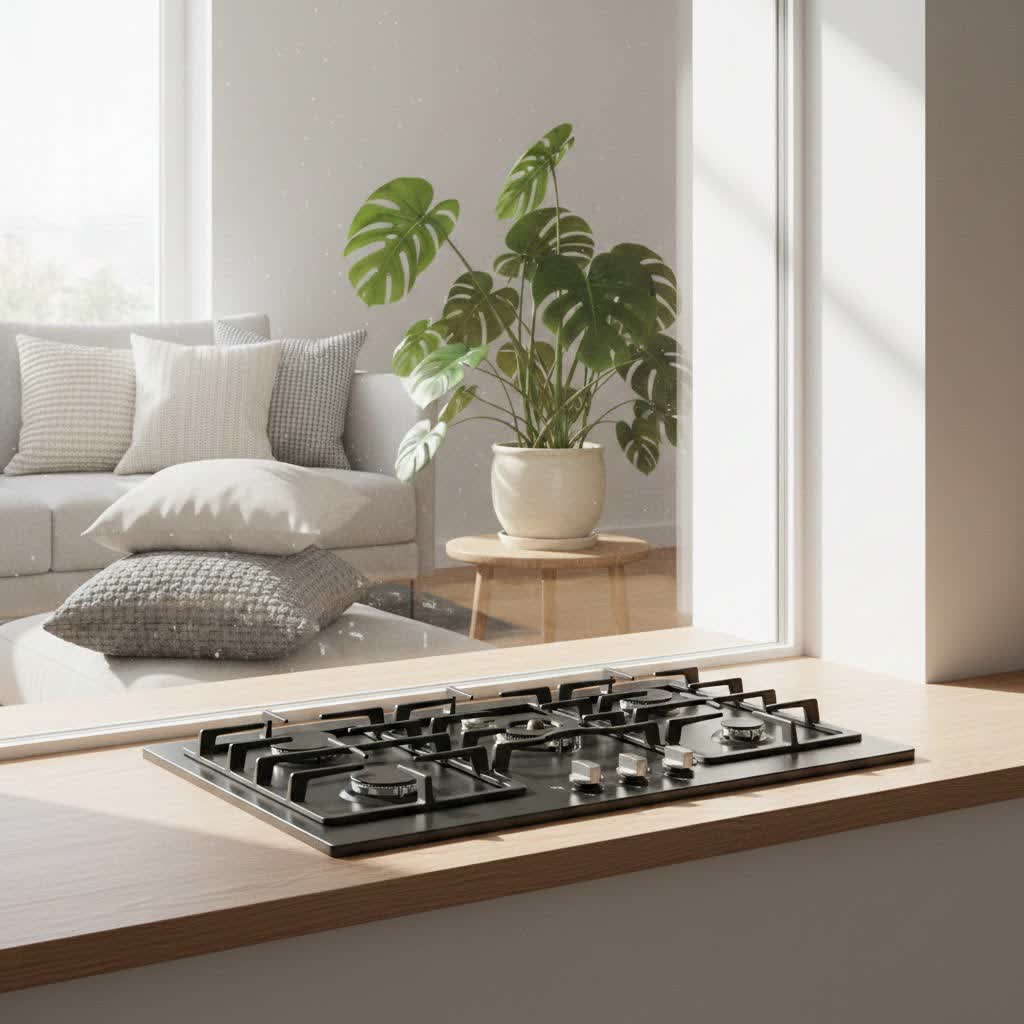
What is a Gas Stove? Structure and Operating Principle
At its core, a gas stove utilizes natural gas or propane to generate heat for cooking. A 36-inch gas stove, specifically, refers to a cooking appliance with a width of 36 inches, providing a significantly larger cooking surface compared to standard 30-inch models. This extra width typically accommodates five or even six burners, along with a spacious oven if it’s a range.
The primary components of a gas stove include:
- Burners: These are where the gas mixes with air and ignites, producing a flame. High-performance 36-inch models often feature a mix of burner types, including powerful high-BTU burners for rapid boiling and searing (often 18,000-25,000 BTUs) and delicate simmer burners for low-heat tasks (around 750-5,000 BTUs).
- Grates: Typically made of cast iron, these sit above the burners and support cookware. Continuous grates, common on 36-inch models, allow you to easily slide pots and pans across the cooktop without lifting.
- Ignition System: Modern gas stoves use electronic ignition, sparking to light the gas. Advanced systems include automatic re-ignition, which relights a burner if the flame accidentally goes out, enhancing safety.
- Oven (for ranges): Found beneath the cooktop, the oven cavity uses gas to heat the air for baking and roasting. Many 36-inch gas ranges boast convection technology for even heat distribution.
- Gas Line and Safety Valve: Connects the stove to the household gas supply, with a manual shut-off valve for safety.
The operating principle is simple yet effective: gas flows to the burner, mixes with air, and is ignited by the spark. The resulting flame directly heats cookware, offering instant and precise temperature control—a favorite feature among many cooks.
Types of Gas Stoves: Pros and Cons
When considering a 36-inch gas stove, you’ll primarily encounter two main categories: gas ranges and gas cooktops. Each offers distinct advantages and disadvantages depending on your kitchen layout, cooking habits, and aesthetic preferences.
36-inch Gas Ranges
A gas range combines a gas cooktop and a gas oven into a single, cohesive unit. These are often chosen for their all-in-one convenience and professional appearance.
- Freestanding Ranges: These are the most common type, with finished sides, allowing them to be placed anywhere in the kitchen, either between cabinets or at the end of a countertop run. They are generally the easiest to install.
- Slide-in Ranges: Designed to fit seamlessly between existing cabinets, slide-in models typically have controls located on the front, providing a more custom, built-in look with no backguard.
- Drop-in Ranges: These offer the most integrated look, sitting within a custom cabinet cutout. They require specialized cabinetry and installation.
Pros of 36-inch Gas Ranges:
- Complete Cooking Station: Offers both stovetop and oven functionalities in one appliance.
- Professional Aesthetic: Often feature robust designs, large knobs, and stainless steel finishes that evoke a commercial kitchen feel.
- Large Oven Capacity: Most 36-inch ranges provide 4.5 to over 6 cubic feet of oven space, ample for roasting large turkeys or baking multiple trays simultaneously.
- Multiple Burners: Provides 5-6 burners, offering flexibility for diverse cooking tasks.
Cons of 36-inch Gas Ranges:
- Space Commitment: Requires a dedicated 36-inch opening in your kitchen.
- Cost: Generally more expensive than separate cooktops and wall ovens, especially professional-grade models.
- Design Limitations: Can break up the continuous line of countertops if a seamless look is preferred.
|
Our Picks for the Best Gas Stove in 2026
As an Amazon Associate I earn from qualifying purchases.
|
||
| Num | Product | Action |
|---|---|---|
| 1 | Coleman Triton 2-Burner Propane Stove, Portable Camping Cooktop with 2 Adjustable Burners & Wind Guards, 22,000 BTUs of Power for Camping, Tailgating, Grilling, BBQ, & More |

|
| 2 | Empava 30 in. Gas Stove Cooktop 5 Italy Sabaf Sealed Burners NG/LPG Convertible in Black Tempered Glass |
|
| 3 | Avanti Gas Range Oven, Compact Freestanding Design, 4 Sealed Burners with Electronic Ignition, 2.1 Cu.Ft. Capacity Features Storage Drawer Broiler and Accessories, 20-Inch, Black |
|
| 4 | Gas One GS-3400P Propane or Butane Stove Dual Fuel Stove Portable Camping Stove - Patented - with Carrying Case Great for Emergency Preparedness Kit |
|
| 5 | VEVOR 36 inch Gas Cooktop 5 Burners Gas Stove Top, Max 38300BTU Built-in Stainless Steel Stove Top LPG/NG Convertible Dual Fuel Cooktop Stoves with SABAF Dual-Ring Burner for Kitchen Apartment Rvs |
|
| 6 | Gas One Propane Double Burner Two Burner Camp Stove with Windscreen Outdoor High Pressure Propane 2 Burner Adjustable PSI Regulator and 4ft Steel Braided Hose With Removable Legs |
|
| 7 | Kenmore 5.6 cu. ft. Front Control Gas Range Oven with 5 Cooktop Burners - True Convection, Air Fry, Turbo Boil, Self Clean, Dishwasher Safe Grates, Three Chrome Racks, LP Kit - Stainless Steel |
|
| 8 | Vivicreate High Pressure Propane Gas Regulator 20 PSIG Outdoor Camping BBQ Grill Stove Burner Estufas de Gas para Cocinar Afuera Es gas propano |
|
| 9 | GasOne High Pressure Single Propane Burner - Outdoor Cooking with Heat Shield and Guard – Propane Burner Head for Camping, Tailgating, Seafood Boil, Home Brewing - Patent Pending |
|
| 10 | Avanti Gas Range Oven, Compact Freestanding Design, 4 Sealed Burners with Electronic Ignition, 2.1 Cu.Ft. Capacity Features Framed Glass Door Storage Drawer Broiler and Accessories, 20-Inch, White |
|
36-inch Gas Cooktops
A gas cooktop is a stovetop only, installed directly into a countertop cutout. This option requires a separate wall oven, which can be placed elsewhere in the kitchen.
Pros of 36-inch Gas Cooktops:
- Seamless Countertop Look: Creates an uninterrupted flow across your kitchen counters, ideal for modern or minimalist designs.
- Flexible Oven Placement: Allows for a separate wall oven to be installed at eye level or in a different location, improving ergonomics and design flexibility.
- Additional Storage: Frees up the cabinet space directly below the cooktop that would otherwise be occupied by an oven, providing more storage options.
Cons of 36-inch Gas Cooktops:
- Separate Purchase: Requires buying a cooktop and an oven independently, potentially increasing overall cost.
- Countertop Cutout: Installation is more permanent and requires precise cuts to your countertop.
- Ventilation Complexity: May require careful planning for a powerful range hood, as larger cooktops generate more heat and require robust ventilation.
Comparing Famous Gas Stove Brands
The market for 36-inch gas stoves features several reputable brands, each with its unique strengths and innovations. When choosing, consider quality, durability, features, price, and warranty.
| Brand | Key Strengths (36-inch models) | Noteworthy Features | Typical Price Range |
|---|---|---|---|
| KitchenAid | Professional performance, even cooking, strong warranty. | Ultra Power™ Dual-Flame Burners (up to 20,000 BTU), Even-Heat™ True Convection, AquaLift® Self-Cleaning | Mid-High to Luxury |
| Viking | Commercial-style build, powerful burners, excellent broiling/baking. | High BTU burners (up to 30,000 BTU), ProFlow™ Convection Air Baffle, self-clean cycle | Luxury |
| Bosch | Sleek design, precise temperature control, advanced convection. | Dual flame ring burners, QuietClose® door, catalytic clean cavity | Mid-High to Luxury |
| Thermador | Innovative burner technology, exceptional low-simmer control. | Star Burner design (even heat), ExtraLow® simmering (100 BTU), flame re-ignition | High-End to Luxury |
| Wolf | Robust construction, precise control, iconic design. | Dual-stacked sealed burners (high heat & low simmer), smart spark re-ignition | High-End to Luxury |
| Bertazzoni | Italian design, high-efficiency burners, large oven capacity. | Dual-ring 19,000 BTU power burner, dual convection fans, thermocouple gas safety system | Mid-High to High-End |
| Frigidaire Professional | Competitive pricing for pro-style features, dual power burners. | Continuous cast-iron grates, temperature probe, backlit knobs | Mid-Range to Mid-High |
| Cosmo | Excellent value for money, spacious oven, convection technology. | 6.0 cu. ft. oven, multiple burner sizes (18,000 BTU power burners) | Entry-Level to Mid-Range |
| GE Profile | Smart features, reliable performance, good value. | Precision simmer burner, integrated griddle option (some models), LED-backlit knobs | Mid-Range |
| Zline | Professional performance with unique features. | DuoPro dual-ring burners (up to 25,000 BTU), hand-forged brass burners | Mid-Range to High-End |
These brands offer a range of features from robust, commercial-grade power to sophisticated smart technologies, ensuring there’s a 36-inch gas stove to suit every serious cook’s needs and budget.
Detailed Comparison Table of Best-Selling Gas Stove Models (36-inch)
To help you narrow down your choices, here’s a comparison of some popular 36-inch gas ranges and cooktops, highlighting their key specifications and features.
| Model | Type | Burners (Qty) | Max BTU (Power Burner) | Min BTU (Simmer) | Oven Capacity (cu. ft.) | Key Features | Est. Price Range |
|---|---|---|---|---|---|---|---|
| KitchenAid KFGC506JPA | Range | 6 | 20,000 BTU | Precise Control | 5.1 | Even-Heat™ True Convection, SatinGlide® Roll-Out Rack, Dual-Flame Burners | $5,000 – $6,500 |
| Bosch 800 Series HGS8655UC | Freestanding Range | 5 | 18,000 BTU | Dual Flame Ring | 3.5 | Convection, QuietClose® Door, Catalytic Clean Cavity | $4,500 – $5,500 |
| Frigidaire Professional FPGH3077RF | Range (similar model) | 5-6 | 18,000 BTU | 750 BTU | 4.4 | Dual Power Burners, Continuous Grates, Temperature Probe | $4,000 – $5,000 |
| Cosmo EPGR366 | Range | 6 | 18,000 BTU | 9,000 BTU (low) | 6.0 | Convection Oven, Removable Backsplash (Freestanding/Slide-in), LED Knobs | $2,500 – $3,500 |
| Thermador SGSX365TS | Cooktop | 5 | 18,000 BTU | 100 BTU (ExtraLow®) | N/A | Star Burner Design, Flame Re-ignition, Continuous Grates | $3,500 – $5,000+ |
| Wolf CG365P/S | Cooktop | 5 | 20,000 BTU | 300 BTU | N/A | Dual-Stacked Sealed Burners, Smart Spark Ignition, Stainless Steel Knobs | $3,000 – $4,500+ |
| Zline Classic Gas Rangetop (PCRTS-36) | Rangetop | 6 | 25,000 BTU | 800 BTU | N/A | DuoPro Dual-Ring Burners, Hand-Forged Brass Burners, Auto Re-ignition | $2,000 – $3,000 |
Note: Prices are approximate and can vary based on retailer, promotions, and specific model variations.
Guide to Choosing a Suitable Gas Stove
Selecting the right 36-inch gas stove involves a thoughtful assessment of your cooking needs, kitchen specifics, and personal preferences.
1. Determine Your Usage Needs
Consider how often you cook, the size of your family, and the types of dishes you prepare. If you frequently host large gatherings or cook complex meals requiring multiple pots and pans, a 36-inch stove with 5-6 burners and a spacious oven is an excellent investment. For delicate sauces or rapid boils, look for a stove with a good range of BTU outputs, including powerful burners and precise simmer settings.
2. Consider Kitchen Space & Layout
A 36-inch stove demands more counter or floor space than smaller models. Measure your available space carefully.
- Ranges: Ideal for kitchens that can accommodate a single, larger appliance. Decide if a freestanding, slide-in, or drop-in style best fits your aesthetic and existing cabinetry.
- Cooktops: Perfect for those who prefer a seamless countertop and have the flexibility to install a separate wall oven elsewhere in the kitchen.
3. Budget
36-inch gas stoves vary significantly in price. Entry-level models offer great value, while high-end and luxury brands come with advanced features, superior build quality, and a higher price tag. Establish a realistic budget that balances desired features with affordability.
4. Key Features
- Burner Configuration: Look for continuous grates for easy pot movement and sealed burners to simplify cleanup. Consider dual-stacked or dual-ring burners for enhanced precision.
- Oven Technology (for ranges): Convection ovens, especially “true convection” with a third heating element, ensure more even baking and roasting. Features like steam assist or integrated air fryers can add versatility.
- Smart Features: Some modern stoves offer Wi-Fi connectivity for remote preheating or monitoring via a smartphone app.
- Design & Material: Stainless steel is a popular choice for its durability and professional look. Consider fingerprint-resistant finishes for easier maintenance.
5. Prioritize Safety Features
Safety is paramount with gas appliances. Look for:
- Automatic Flame Re-ignition: Automatically relights a burner if the flame extinguishes.
- Flame Failure Safety (Thermocouple): Automatically cuts off the gas supply if a burner flame goes out, preventing gas leaks.
- Anti-Tip Bracket: Essential for ranges, this prevents the appliance from tipping forward if weight is placed on an open oven door.
6. Ensure Adequate Ventilation
A powerful range hood is crucial for a 36-inch gas stove to manage heat, smoke, and odors. A good rule of thumb is to have a hood with 100 CFM (cubic feet per minute) for every 10,000 BTUs of burner output. Many 36-inch gas cooktops and ranges require a ventilation system with 600-900 CFM, and some high-performance models may need up to 1,200 CFM. The hood should also be at least as wide as the cooktop for effective coverage.
Tips for Safe and Effective Use and Maintenance of Gas Stoves
Proper installation, regular cleaning, and routine checks are vital for the safe and efficient operation of your 36-inch gas stove.
Proper Installation
Always hire a qualified and licensed technician for installation. They will ensure:
- Correct connection to the gas supply line with an approved manual shut-off valve and flexible connector (typically not exceeding 36 inches in length).
- Proper electrical grounding.
- Installation of the anti-tip bracket, especially for gas ranges.
- Adequate clearances from adjacent combustible surfaces (e.g., typically 0″ clearance at the back and 5″ on the sides below the cooktop height).
- Sealing any openings in the wall or floor around the gas line.
Regular Cleaning
- Cooktop: Wipe down the cooktop surface and sealed burners regularly to prevent spills from baking on. For continuous grates, many are dishwasher-safe or can be cleaned with warm, soapy water.
- Oven: Utilize the self-cleaning function (if available) for easier maintenance. High-heat self-cleaning cycles burn off food residue, while steam-clean options can loosen lighter soils.
Routine Checks
- Gas Lines and Connections: Periodically inspect the gas lines and connections for any signs of wear or leaks. If you smell gas, follow emergency procedures immediately.
- Burner Ignition: Ensure all burners ignite promptly and the flames are even and blue. If a flame is uneven or yellow, the burner ports may need cleaning.
- Ventilation System: Clean range hood filters regularly to maintain optimal airflow and efficiency.
Common Gas Stove Problems and Solutions
Even with the highest quality appliance, issues can sometimes arise. Here are common problems with gas stoves and how to address them:
- Burner Not Igniting:
- Cause: Gas supply off, igniter port clogged with food debris, igniter module failure, or loose connections.
- Solution: Check if the gas valve is open. Clean the igniter and burner ports with a soft brush or toothpick. If the problem persists, professional service may be required.
- Uneven Flame:
- Cause: Clogged burner ports or misaligned burner caps.
- Solution: Ensure burner caps are properly seated. Clean burner ports thoroughly, making sure all openings are clear.
- Gas Smell/Leak:
- Cause: Loose connection, damaged gas line, or burner left on without ignition.
- Solution: Immediately turn off the gas supply at the main valve. Do not operate any electrical switches or use phones. Ventilate the area by opening windows and doors. Call your gas supplier or fire department from a neighbor’s phone.
- Oven Temperature Inconsistencies:
- Cause: Faulty igniter, igniter glow bar issues, or thermostat calibration.
- Solution: Ensure the oven is preheated thoroughly. For persistent issues, professional calibration or repair may be needed.
Gas Stove and Safety: Things to Note
Operating a gas stove requires attention to safety to prevent accidents and ensure a healthy cooking environment.
- Risk of Gas Leaks and Carbon Monoxide (CO) Poisoning: Gas leaks can lead to explosions or fires. Incomplete combustion can produce carbon monoxide, an odorless and colorless gas that can be fatal.
- Prevention: Ensure professional installation and regular maintenance. Install carbon monoxide detectors in your home. Never use a gas stove for space heating.
- Fire Hazards: Unattended cooking, grease fires, or flammable materials near burners are common causes of kitchen fires.
- Prevention: Never leave cooking unattended. Keep flammable items (towels, curtains, paper) away from the stove. Know how to extinguish a grease fire (smother with a lid, baking soda, or fire extinguisher; never use water).
- Tip-Over Hazard (for ranges): An oven door can support significant weight, but if a child climbs on it or a heavy pot is pulled out, the range can tip forward, causing serious injury.
- Prevention: The anti-tip bracket must be properly installed and engaged. Never remove or disable it.
- Proper Ventilation: Using your range hood during cooking is essential to remove smoke, grease, heat, and any combustion byproducts.
Emergency Protocol if You Smell Gas:
- Do not try to find the source of the leak yourself.
- Do not turn on or off any electrical switches or appliances.
- Do not use a phone or operate a light switch.
- Immediately evacuate everyone from the building.
- From a neighbor’s phone, call your gas supplier and the fire department.
Where to Buy Reputable Gas Stoves?
Purchasing a 36-inch gas stove is a significant investment, so it’s crucial to buy from reputable sources that offer genuine products, reliable service, and strong warranties.
- Appliance Showrooms and Specialized Stores: These retailers, like Fuse Specialty Appliances or Friedmans Appliance, often have a wide selection of 36-inch models, including high-end brands. Their staff can provide expert advice, demonstrations, and often offer installation services.
- Major Retailers: Stores such as Best Buy, Lowe’s, and Home Depot carry popular brands and models. They frequently have sales and financing options.
- Online Marketplaces: Websites like Amazon or manufacturer direct stores (e.g., KitchenAid.com) offer convenience and competitive pricing. When buying online, ensure the seller is reputable, thoroughly read product specifications and customer reviews, and understand the shipping, return, and warranty policies. Always confirm the product is new and comes with a full manufacturer’s warranty.
Reference Gas Stove Price List (Latest Update)
The price of a 36-inch gas stove can vary widely based on brand, features, type (range vs. cooktop), and the materials used. This table provides a general reference for current price ranges:
| Type of 36-inch Gas Stove | Estimated Price Range (USD) |
|---|---|
| Entry-Level Gas Range | $2,500 – $3,500 |
| Mid-Range Gas Range | $3,500 – $6,000 |
| High-End/Luxury Gas Range | $6,000 – $15,000+ |
| Entry-Level Gas Cooktop | $1,000 – $1,800 |
| Mid-Range Gas Cooktop | $1,800 – $3,000 |
| High-End/Luxury Gas Cooktop | $3,000 – $5,000+ |
Prices are subject to change due to market conditions, promotions, and new model releases. It’s always advisable to check current pricing from multiple retailers before making a purchase.
Conclusion: Smart Gas Stove Choice for Your Family
Choosing a 36-inch gas stove is a decision that can significantly impact your cooking experience, offering unparalleled space, power, and versatility. From mastering delicate sauces on a low-simmer burner to searing steaks on a high-BTU power burner, these appliances are built for performance and culinary creativity. Remember to consider your specific needs, kitchen layout, budget, and crucial safety features. With careful research and professional installation, your new 36-inch gas stove will not only be a functional powerhouse but also a stunning centerpiece in your home.
Are you ready to elevate your culinary journey and transform your kitchen into a hub of gastronomic delight?
Frequently Asked Questions
What is the primary advantage of a 36-inch gas stove over a 30-inch model?
The primary advantage is the significantly larger cooking surface, which typically accommodates 5-6 burners instead of the standard 4. This provides more space for larger pots and pans, allowing serious home cooks to multitask efficiently and prepare more complex meals without feeling cramped.
How many BTU output should I look for in a 36-inch gas stove?
For versatility, look for a 36-inch gas stove with a range of BTU outputs. High-power burners should offer at least 18,000 BTUs for rapid boiling and searing, while a dedicated simmer burner around 750-5,000 BTUs is ideal for delicate tasks like melting chocolate or simmering sauces.
Is a 36-inch gas stove worth the investment for a typical family?
For families who frequently cook, entertain, or aspire to expand their culinary skills, a 36-inch gas stove is a worthwhile investment. The larger capacity and multiple burners greatly enhance cooking flexibility and efficiency, making meal preparation more enjoyable, especially during holidays or gatherings.
What essential safety features should a 36-inch gas stove have?
Essential safety features include automatic flame re-ignition, which relights a burner if the flame goes out, and a flame failure safety system (thermocouple) that cuts off the gas supply in case of flame loss. For ranges, an anti-tip bracket is crucial to prevent the appliance from tipping over.
What kind of ventilation is needed for a 36-inch gas stove?
A 36-inch gas stove typically requires a powerful range hood with a capacity of 600-900 CFM (cubic feet per minute) for effective ventilation. A general guideline is 100 CFM for every 10,000 BTUs of total burner output. The hood should also be at least 36 inches wide to adequately cover the cooktop.
