Choosing the right gas stove is a pivotal decision for any home chef, blending performance, precision, and the undeniable appeal of cooking with an open flame. With a myriad of options available, from sleek cooktops to versatile ranges, navigating the choices can be daunting. This comprehensive guide will illuminate the path, helping you understand the different types, essential features, top brands, and critical safety considerations to ensure you select a gas stove that perfectly fits your culinary needs and kitchen aesthetic.
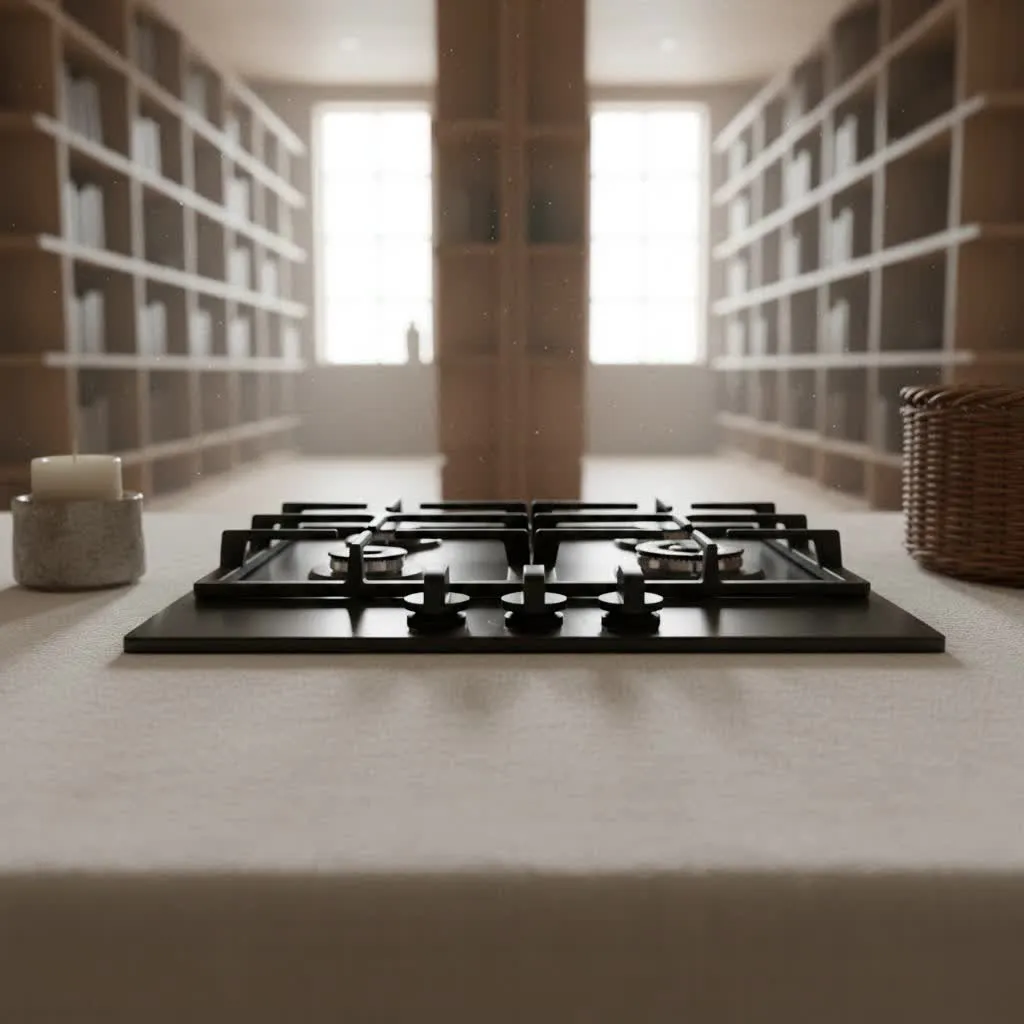
What is a Gas Stove? Understanding Its Anatomy and Operation
A gas stove is a kitchen appliance that utilizes natural gas or liquid propane (LPG) to produce a controlled flame for cooking. It provides instant heat and offers chefs precise temperature adjustments, making it a favorite for diverse cooking styles.
At its core, a gas stove comprises several key components:
- Burners: These are the points where gas is ignited to create the flame. They come in various sizes and BTU (British Thermal Unit) outputs, catering to different cooking intensities.
- Grates: Typically made of cast iron, these sturdy supports sit above the burners, holding pots and pans securely. Continuous grates allow for easy sliding of cookware across the stovetop.
- Ignition System: Modern gas stoves often feature auto-ignition, which uses an electric spark or battery to light the burner with the turn of a knob. Older or simpler models might require manual ignition with a lighter or match.
- Control Knobs: These regulate the gas flow to the burners, allowing for precise flame size and heat intensity adjustments.
- Mâm Chia Lửa (Flame Spreader/Diffuser): This component ensures the flame is distributed evenly for consistent heating of cookware.
The principle of operation is straightforward: when a control knob is turned and the ignition system activated, gas is released and ignited, creating a visible flame. This flame directly heats the cookware, offering immediate temperature response – a significant advantage for tasks requiring quick heat changes like searing or simmering.
Types of Gas Stoves: Pros and Cons
Gas stoves come in various configurations, each with distinct advantages and disadvantages tailored to different kitchen layouts and cooking preferences.
Freestanding Gas Ranges
These are all-in-one units that combine a gas cooktop with a gas oven below.
- Pros: They have finished sides, allowing them to stand alone or be placed between cabinets. They are versatile and often include a backguard with rear controls.
- Cons: They may not offer the seamless, built-in look of a slide-in range.
|
Our Picks for the Best Gas Stove in 2026
As an Amazon Associate I earn from qualifying purchases.
|
||
| Num | Product | Action |
|---|---|---|
| 1 | Empava 30 in. Gas Stove Cooktop 5 Italy Sabaf Sealed Burners NG/LPG Convertible in Black Tempered Glass |

|
| 2 | Gas One Propane Double Burner Two Burner Camp Stove with Windscreen Outdoor High Pressure Propane 2 Burner Adjustable PSI Regulator and 4ft Steel Braided Hose With Removable Legs |
|
| 3 | GasOne High Pressure Single Propane Burner - Outdoor Cooking with Heat Shield and Guard – Propane Burner Head for Camping, Tailgating, Seafood Boil, Home Brewing - Patent Pending |
|
| 4 | VEVOR 36 inch Gas Cooktop 5 Burners Gas Stove Top, Max 38300BTU Built-in Stainless Steel Stove Top LPG/NG Convertible Dual Fuel Cooktop Stoves with SABAF Dual-Ring Burner for Kitchen Apartment Rvs |
|
| 5 | Avanti Gas Range Oven, Compact Freestanding Design, 4 Sealed Burners with Electronic Ignition, 2.1 Cu.Ft. Capacity Features Storage Drawer Broiler and Accessories, 20-Inch, Black |
|
| 6 | Coleman Triton 2-Burner Propane Stove, Portable Camping Cooktop with 2 Adjustable Burners & Wind Guards, 22,000 BTUs of Power for Camping, Tailgating, Grilling, BBQ, & More |
|
| 7 | Avanti Gas Range Oven, Compact Freestanding Design, 4 Sealed Burners with Electronic Ignition, 2.1 Cu.Ft. Capacity Features Framed Glass Door Storage Drawer Broiler and Accessories, 20-Inch, White |
|
| 8 | Kenmore 5.6 cu. ft. Front Control Gas Range Oven with 5 Cooktop Burners - True Convection, Air Fry, Turbo Boil, Self Clean, Dishwasher Safe Grates, Three Chrome Racks, LP Kit - Stainless Steel |
|
| 9 | Gas One GS-3400P Propane or Butane Stove Dual Fuel Stove Portable Camping Stove - Patented - with Carrying Case Great for Emergency Preparedness Kit |
|
| 10 | Vivicreate High Pressure Propane Gas Regulator 20 PSIG Outdoor Camping BBQ Grill Stove Burner Estufas de Gas para Cocinar Afuera Es gas propano |
|
Slide-In Gas Ranges
Designed for a custom, integrated appearance, these ranges fit snugly between cabinets.
- Pros: They offer a sleek, built-in look with front-mounted controls, eliminating the need for a backguard. They often feature wider cooking surfaces.
- Cons: They typically require a more precise cabinet cutout for installation and may have unfinished sides that must be hidden by cabinets.
Built-In Gas Cooktops (or Drop-In Gas Cooktops)
These units consist only of a gas cooking surface that is installed directly into the countertop, without an integrated oven.
- Pros: Ideal for a minimalist kitchen design or for those who prefer to pair a gas cooktop with a separate electric wall oven. They offer flexibility in kitchen design.
- Cons: Do not include an oven, requiring a separate purchase and installation if oven functionality is desired.
General Pros of Gas Stoves
- Instant and Precise Heat Control: Gas stoves provide immediate heat and allow for precise flame adjustments, which is highly valued by home and professional chefs. This responsiveness is crucial for techniques like searing, stir-frying, and delicate simmering.
- Broad Cookware Compatibility: Gas burners are compatible with virtually all types of cookware materials, including cast iron, stainless steel, and ceramic.
- Operation During Power Outages: The cooktop burners of many gas stoves can be manually lit and used during electricity blackouts, offering uninterrupted cooking capability.
- Durability: Built with sturdy materials like cast iron grates and stainless steel finishes, gas stoves are generally robust and long-lasting.
- Long-Term Cost-Effectiveness: In many regions, natural gas is less expensive than electricity, leading to potential energy savings over the lifetime of the appliance.
General Cons of Gas Stoves
- Higher Initial Cost: The purchase price and installation costs, particularly if a new gas line needs to be installed, can be higher than electric alternatives.
- Cleaning Challenges: The presence of grates, burner caps, and drip pans can make cleaning more time-consuming compared to smooth-top electric or induction cooktops, with food and grease accumulating in hard-to-reach areas.
- Safety Concerns: Gas stoves pose risks of gas leaks, which can be hazardous if not detected and addressed promptly. They also involve an open flame, which can be a burn hazard. Adequate ventilation is crucial.
- Indoor Air Quality: Without proper ventilation, burning gas can emit pollutants like nitrogen dioxide (NO2) and carbon monoxide (CO), potentially affecting indoor air quality and those with respiratory conditions.
- Uneven Oven Heating: Gas ovens tend to heat less evenly than electric ovens because they rely on a central flame that cycles on and off to maintain temperature.
Comparing Popular Gas Stove Brands
Several manufacturers produce high-quality gas stoves, each with unique strengths. Here’s a comparison of some leading brands based on common features and reliability:
- LG: Known for smart features, spacious convection ovens with modes like air fry and air sous vide. LG ranges often feature high-output burners (e.g., 22,000 BTU) and intuitive controls. They are generally considered reliable.
- GE Profile: Offers smart slide-in ranges with true convection and versatile burners, including high-BTU power burners (up to 21,000 BTU) and low-BTU simmer burners (5,000 BTU). Praised for even heat distribution.
- Maytag: Provides excellent value with balanced cooktops that boil water quickly and maintain even heat. Many models include self-cleaning ovens and come at a reasonable price point.
- Samsung: Features innovative dual-fuel ranges (gas cooktop, electric oven) and Flex Duo ovens that can be divided into two separate cooking zones. Samsung ranges also integrate smart features like Wi-Fi and voice control.
- Miele: A premium brand known for high-performance gas cooktops with robust burners (up to 15,300 BTUs), GasStop safety function, and convenient features like dishwasher-safe grates and wok rings.
- Bosch: Consistently recognized for reliable gas ranges, many of which are made in the U.S. Bosch is also noted for its strong customer support.
- Café: A brand offering stylish designs with reliable performance, convection cooking, and high-output burners, similar to GE Profile.
> “The best gas ranges strike a balance between burner size and variety, bake and heat quickly and evenly, and don’t sacrifice utility for bonus features.” – Eva Bleyer, Reviews Analyst and Lead Range Tester for the Good Housekeeping Institute Kitchen Appliances and Innovation Lab.
Detailed Comparison of Best-Selling Gas Stove Models
When looking at specific models, features, and performance vary widely. Here’s a general idea of what to look for, as specific models and their prices fluctuate.
| Feature / Model Type | Budget-Friendly Freestanding | Mid-Range Slide-In | High-End Built-In Cooktop |
|---|---|---|---|
| Price Range | $800 – $1,500 | $1,500 – $3,000 | $2,500 – $5,000+ |
| Burners | 4-5 sealed burners | 5-6 sealed burners | 4-6 sealed burners |
| BTU Output | 9,000-15,000 BTU (max) | 10,000-20,000 BTU (max) | 12,000-22,000+ BTU (max) |
| Special Burners | Power burner, simmer burner | Power burner, simmer, griddle/wok burner | Dual-ring power burners, precise simmer, wok ring |
| Material | Stainless steel, enamel cooktop | Stainless steel, sometimes black/white glass | Stainless steel, toughened glass |
| Grates | Cast iron (segmented) | Continuous cast iron | Continuous heavy-duty cast iron |
| Oven Capacity | 5.0 – 5.8 cu. ft. (standard) | 5.8 – 6.3 cu. ft. (convection) | N/A (cooktop only) |
| Oven Features | Standard gas oven, self-clean | Convection, self-clean, air fry (select) | N/A (cooktop only) |
| Safety Features | Flame failure protection | Flame failure protection, automatic re-ignition | Flame failure protection, automatic re-ignition |
| Smart Features | Basic (timer) | Wi-Fi connectivity (basic remote control) | Advanced Wi-Fi, voice control, smart diagnosis |
How to Choose the Right Gas Stove for Your Home
Selecting the perfect gas stove involves a careful assessment of your family’s needs, cooking habits, and kitchen design.
-
Assess Your Cooking Needs and Habits:
- Family Size & Frequency: A small household might manage with a 2-4 burner cooktop, while larger families or frequent entertainers will benefit from 5-6 burners and a spacious oven.
- Cooking Style: If you frequently sear, stir-fry, or boil large pots, prioritize higher BTU power burners. For delicate sauces, look for dedicated simmer burners.
- Baking Needs: If you’re an avid baker, a gas range with a convection oven feature will offer more even heating than a conventional gas oven.
-
Determine the Type of Gas Stove:
- Freestanding vs. Slide-In: Consider your kitchen layout and aesthetic. Freestanding offers flexibility, while slide-in provides a seamless, built-in look.
- Cooktop vs. Range: Decide if you need an integrated oven or prefer a separate wall oven setup.
-
Measure Your Space:
- Dimensions: Most standard gas ranges are 30 inches wide, 27-29 inches deep, and 36 inches high. Always measure your existing cutout or available space meticulously to ensure a proper fit.
- Oven Capacity: Consider the internal cubic feet of the oven. Options typically range from 2.3 to 6.3 cubic feet for single ovens, with double oven configurations offering even more versatility.
-
Prioritize Key Features:
- Burner Power & Configuration: Look for a variety of BTU outputs. Dual-ring burners offer flexibility for intense heat or gentle simmering.
- Ignition Type: Auto-ignition is highly convenient and safer.
- Material & Build Quality: Stainless steel is popular for its durability and sleek look. Toughened glass or enamel-coated surfaces are also options. Continuous cast-iron grates make moving heavy pots easier. Sealed burners prevent spills from entering the burner assembly, simplifying cleaning.
- Safety Features: Flame failure protection, which automatically cuts off the gas supply if the flame extinguishes, is a crucial safety mechanism to look for. Automatic reignition is also a useful feature.
- Oven Features (for ranges): Convection ovens circulate hot air for faster, more even cooking. Features like “air fry” and “air sous vide” add modern cooking capabilities.
- Ease of Cleaning: Dishwasher-safe grates and self-cleaning oven functions can significantly reduce maintenance efforts.
-
Consider Brand Reputation, Warranty, and Service:
- Choose reputable brands known for quality and reliability. Check warranty coverage and ensure there’s good service availability in your area.
Tips for Safe and Efficient Gas Stove Use and Maintenance
Proper usage and regular maintenance are vital for maximizing the lifespan and ensuring the safety of your gas stove.
Installation
- Professional Installation: Always have your gas stove installed by a certified professional to ensure proper gas line connection and prevent leaks.
- Ventilation: Ensure adequate ventilation, preferably with a powerful range hood, to extract combustion byproducts and cooking fumes.
Regular Cleaning
- Daily Wipes: Wipe down the cooktop after each use to prevent food buildup and stains.
- Grate Cleaning: Remove grates and burner caps regularly for a thorough cleaning. Many modern grates are dishwasher safe.
- Spill Management: Clean spills immediately, especially around burners, to prevent blockages and maintain efficiency. Sealed burners make this easier.
Periodic Checks
- Gas Connections: Periodically inspect gas hoses, connections, and valves for any signs of wear or leaks. If you smell gas, immediately turn off the gas supply, ventilate the area, and contact a professional.
- Burner Performance: Ensure flames are blue and even. Yellow or erratic flames can indicate a burner issue that might require cleaning or adjustment.
Safe Usage
- Cookware Size: Use cookware appropriate for the burner size to maximize efficiency and prevent wasted heat.
- Ventilation During Use: Always use your range hood when cooking with gas to maintain good indoor air quality.
- Gas Mini Stoves: When using portable gas stoves, ensure they are placed on a stable, non-flammable surface in a well-ventilated area, and use only compatible gas canisters.
Common Gas Stove Issues and Troubleshooting
Even the best gas stoves can encounter occasional issues. Here are some common problems and basic troubleshooting steps:
- Burner Not Igniting:
- Cause: Gas supply issue, dirty igniter, igniter wet, or power outage (for auto-ignition).
- Fix: Check if the gas supply valve is open. Clean the igniter gently with a dry brush. Ensure the burner is completely dry. If it’s an auto-ignition model, check the power supply or battery.
- Uneven Flame or Weak Flame:
- Cause: Clogged burner ports, dirty burner cap, or gas pressure issue.
- Fix: Remove burner caps and clean any food debris from the burner ports using a small brush or needle. Ensure the burner cap is correctly aligned. If the issue persists, a professional might need to check gas pressure.
- Smell of Gas:
- Cause: Gas leak.
- Fix: This is a serious issue. Immediately turn off the gas supply, open windows and doors for ventilation, evacuate the area, and call your gas company or emergency services. Do NOT use any electrical switches or open flames.
Gas Stove Safety: Essential Precautions
Safety should always be paramount when operating any gas appliance.
- Gas Leak Detection: Install carbon monoxide (CO) and natural gas detectors in your home, especially near the kitchen. These provide early warnings of potential leaks.
- Ventilation: A properly installed and used range hood is your first line of defense against poor indoor air quality. Ensure it vents outdoors, not just recirculates air.
- Open Flames: Be mindful of open flames. Keep flammable materials (curtains, paper towels, clothing) away from the stove. Never leave cooking unattended.
- Child Safety: Use child safety locks on gas stove knobs if you have young children.
- Maintenance: Regular professional inspection of your gas lines and appliance can prevent many potential hazards.
Where to Purchase Your Gas Stove
You can find gas stoves at various retailers, each offering different advantages:
- Appliance Stores & Department Stores: These offer a wide selection of brands and models, often with knowledgeable sales staff and installation services. You can see the models in person and compare features.
- Online Retailers: Provide convenience, a vast selection, and often competitive pricing. Always verify the seller’s reputation, read product reviews, and understand their return and warranty policies before purchasing.
- Home Improvement Centers: Offer a range of models suitable for various budgets, along with installation options.
Estimated Gas Stove Price Guide (Latest Update)
Prices for gas stoves vary significantly based on type (cooktop vs. range), brand, features, and size. Here’s a general reference:
| Type of Gas Stove | Basic Models | Mid-Range Models | High-End/Professional |
|---|---|---|---|
| Gas Cooktop | $400 – $800 | $800 – $1,500 | $1,500 – $3,000+ |
| Freestanding Range | $600 – $1,200 | $1,200 – $2,500 | $2,500 – $5,000+ |
| Slide-In Range | $1,000 – $2,000 | $2,000 – $4,000 | $4,000 – $8,000+ |
Keep in mind that installation costs, which can range from a few hundred to over a thousand dollars (especially if a new gas line is required), are typically separate from the appliance purchase price.
Conclusion: Making a Smart Choice for Your Family’s Kitchen
Choosing the best gas stove is an investment in your home’s functionality and your culinary passion. By carefully considering your cooking needs, understanding the various types and features available, prioritizing safety, and opting for reputable brands, you can make an informed decision. A gas stove, with its instant heat and precise control, can truly transform your cooking experience, allowing you to master diverse dishes with confidence and ease.
What features are most important to you when imagining your ideal gas stove?
Frequently Asked Questions
What is the difference between a gas range and a gas cooktop?
A gas range combines a gas stovetop and a gas oven into a single, integrated unit, whereas a gas cooktop is only the cooking surface, designed to be installed into a countertop, without an oven component.
Are gas stoves safe for indoor use?
Yes, gas stoves are safe for indoor use when properly installed, used with adequate ventilation (such as a range hood vented outdoors), and regularly maintained. Installing carbon monoxide and natural gas detectors is also highly recommended for added safety.
How do I clean my gas stove grates?
Most modern gas stove grates are made of cast iron and can be cleaned by hand with warm, soapy water and a scrub brush, or often by placing them in the dishwasher. For stubborn, baked-on food, soaking them or using a specialized oven cleaner may be necessary.
What BTU output should I look for in a gas stove burner?
The ideal BTU output depends on your cooking style. High-BTU burners (15,000-22,000+ BTU) are excellent for searing, stir-frying, and rapid boiling. Lower-BTU burners (5,000-9,000 BTU) are perfect for simmering delicate sauces and melting butter. A stove with a variety of BTU options offers maximum versatility.
