For many home chefs, the gas stove with an integrated oven, commonly known as a gas range, represents the heart of the kitchen. With its iconic blue flame and responsive heat, it offers a cooking experience that stands apart. From searing a perfect steak on the stovetop to baking a delicate soufflé in the oven, a gas range provides the versatility and control demanded by both amateur enthusiasts and seasoned culinary artists. Choosing the right one, however, can be a complex decision given the array of options and features available today. This guide will help you navigate the world of gas ranges, ensuring you find a model that perfectly suits your cooking style, kitchen aesthetic, and safety needs.
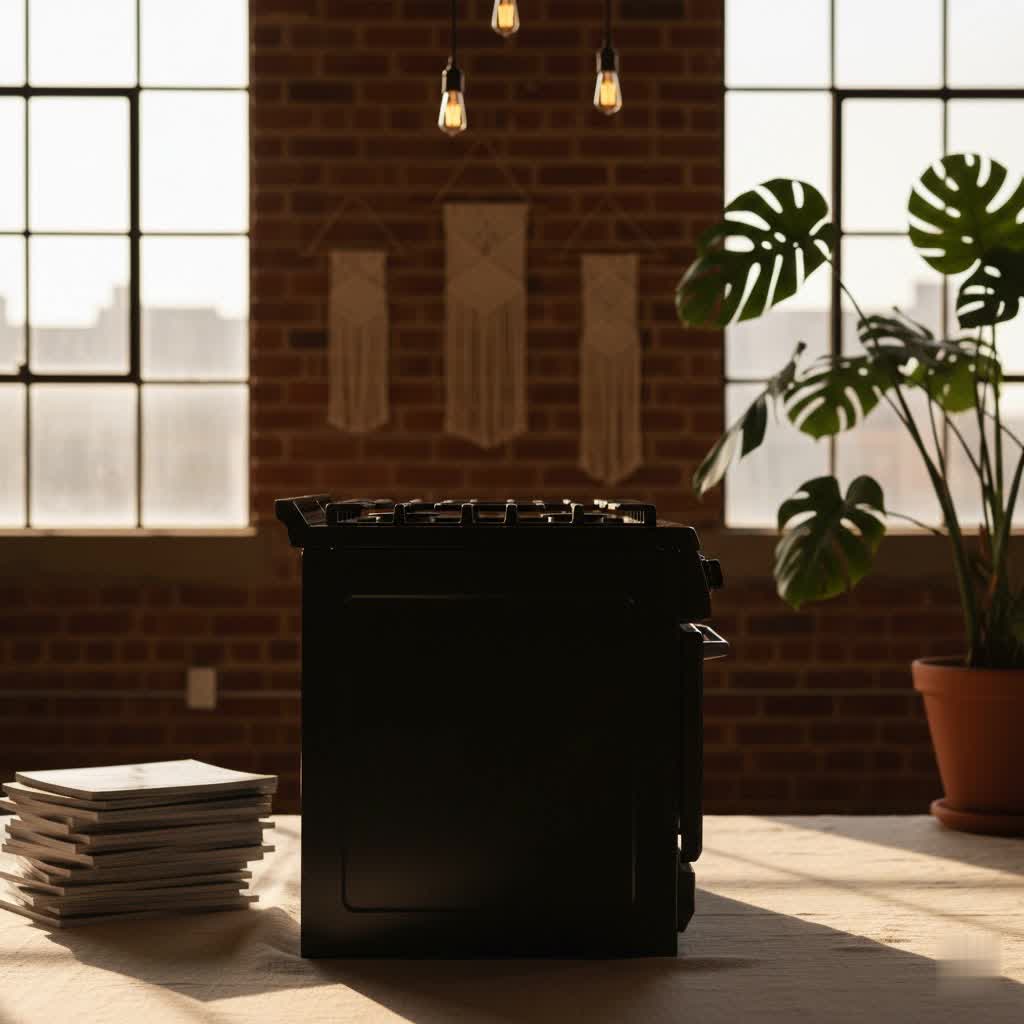
Gas Stove with Oven: What It Is, Structure, and How It Works
A gas stove with an oven, or gas range, is a singular appliance that combines a gas cooktop and a gas-powered oven into one unit. It operates by drawing natural gas or liquid propane from a household supply, which is then ignited to produce heat.
Detailed Structure of a Gas Range:
- Cooktop Burners: These are the flame-producing elements on the top surface. They typically feature burner caps, mât chia lửa (flame diffusers), and grates, often made of cast iron, to support cookware. Burners vary in BTU (British Thermal Unit) output, offering different heat intensities for diverse cooking tasks, from a gentle simmer to a rapid boil.
- Ignition System: Modern gas ranges use an electronic ignition system (spark ignition) rather than a continuously burning pilot light. When a knob is turned, an electric spark ignites the gas flowing to the burner.
- Oven Cavity: The enclosed space below the cooktop where baking and roasting occur. Gas ovens typically have a single burner at the bottom.
- Oven Igniter: Similar to the cooktop, the oven has an igniter that heats up to a specific temperature, allowing gas to flow and ignite the oven burner.
- Thermostat and Temperature Sensor: These components regulate the gas flow to the oven burner, maintaining the set temperature for consistent cooking.
- Control Knobs/Panel: These allow users to adjust flame intensity for cooktop burners and set the temperature and cooking modes for the oven.
Working Principle:
When you turn a cooktop knob, gas flows to the burner and is ignited by an electric spark, creating an immediate, visible flame. Adjusting the knob directly changes the gas flow, offering precise control over heat. For the oven, setting a temperature activates the igniter. Once hot enough, a safety valve opens, allowing gas to flow to the oven burner, which ignites. The thermostat monitors the oven’s internal temperature, cycling the burner on and off to maintain the desired heat for even baking and roasting.
Types of Gas Ranges: Pros and Cons
Gas ranges come in several configurations, each with its own set of advantages and disadvantages. Understanding these can help you choose the best fit for your kitchen.
Freestanding Gas Ranges
These are the most common type, designed to fit into a space between cabinets, but with finished sides, allowing them to stand alone. They typically feature controls on a backguard.
- Pros: Generally more affordable, easier to install and replace, and offer a basic, functional design. Their finished sides provide flexibility in kitchen layouts.
- Cons: The backguard control panel can detract from a seamless, built-in aesthetic. Cleaning around the backguard can sometimes be more challenging due to crevices where food debris might accumulate.
|
Our Picks for the Best Gas Stove in 2026
As an Amazon Associate I earn from qualifying purchases.
|
||
| Num | Product | Action |
|---|---|---|
| 1 | Avanti Gas Range Oven, Compact Freestanding Design, 4 Sealed Burners with Electronic Ignition, 2.1 Cu.Ft. Capacity Features Storage Drawer Broiler and Accessories, 20-Inch, Black |

|
| 2 | Vivicreate High Pressure Propane Gas Regulator 20 PSIG Outdoor Camping BBQ Grill Stove Burner Estufas de Gas para Cocinar Afuera Es gas propano |
|
| 3 | VEVOR 36 inch Gas Cooktop 5 Burners Gas Stove Top, Max 38300BTU Built-in Stainless Steel Stove Top LPG/NG Convertible Dual Fuel Cooktop Stoves with SABAF Dual-Ring Burner for Kitchen Apartment Rvs |
|
| 4 | GasOne High Pressure Single Propane Burner - Outdoor Cooking with Heat Shield and Guard – Propane Burner Head for Camping, Tailgating, Seafood Boil, Home Brewing - Patent Pending |
|
| 5 | Gas One GS-3400P Propane or Butane Stove Dual Fuel Stove Portable Camping Stove - Patented - with Carrying Case Great for Emergency Preparedness Kit |
|
| 6 | Avanti Gas Range Oven, Compact Freestanding Design, 4 Sealed Burners with Electronic Ignition, 2.1 Cu.Ft. Capacity Features Framed Glass Door Storage Drawer Broiler and Accessories, 20-Inch, White |
|
| 7 | Empava 30 in. Gas Stove Cooktop 5 Italy Sabaf Sealed Burners NG/LPG Convertible in Black Tempered Glass |
|
| 8 | Kenmore 5.6 cu. ft. Front Control Gas Range Oven with 5 Cooktop Burners - True Convection, Air Fry, Turbo Boil, Self Clean, Dishwasher Safe Grates, Three Chrome Racks, LP Kit - Stainless Steel |
|
| 9 | Gas One Propane Double Burner Two Burner Camp Stove with Windscreen Outdoor High Pressure Propane 2 Burner Adjustable PSI Regulator and 4ft Steel Braided Hose With Removable Legs |
|
| 10 | Coleman Triton 2-Burner Propane Stove, Portable Camping Cooktop with 2 Adjustable Burners & Wind Guards, 22,000 BTUs of Power for Camping, Tailgating, Grilling, BBQ, & More |
|
Slide-in Gas Ranges
Designed to slide between existing cabinets, these models offer a more integrated, custom look. Their controls are typically located on the front, just above the oven door.
- Pros: Provides a sleek, built-in appearance that integrates smoothly with countertops and cabinetry. Front controls are easy to access and keep children from reaching over hot burners. Often feature convection ovens and other advanced functionalities.
- Cons: Generally more expensive than freestanding models, and require a precise countertop cutout for seamless installation. They often lack finished side panels, necessitating cabinet installation on both sides.
Built-in Gas Cooktops with Separate Wall Ovens
While not a “gas stove with oven” in the traditional combined sense, this configuration offers ultimate flexibility and is worth considering for those who prefer separate appliances.
- Pros: Maximizes design flexibility, allowing for cooktops and ovens to be placed at optimal heights and locations. Wall ovens can be installed at eye-level, reducing bending.
- Cons: Higher overall cost due to purchasing two separate appliances and complex installation requirements. Requires more kitchen space and potentially dedicated gas and electrical lines for each unit.
Dual-Fuel Ranges
These combine a gas cooktop with an electric oven.
- Pros: Offers the best of both worlds – the instant heat and precise control of gas burners for stovetop cooking, combined with the consistent, even heat of an electric oven, which is often preferred for baking and roasting.
- Cons: Typically more expensive and requires both a gas line and a 240V electrical outlet for the oven.
Comparing Leading Gas Range Brands
The market for gas ranges is robust, with several manufacturers offering a wide array of models. Here’s a comparison of some prominent brands, highlighting their key characteristics.
| Brand | Quality & Durability | Key Features | Price Range (Approx.) | Warranty & Service |
|---|---|---|---|---|
| LG | Known for smart technology and reliability. | Smart connectivity (Wi-Fi, voice control), convection ovens, air fry, EasyClean. | Mid to High | Standard |
| GE Profile | Durable construction, reliable performance. | Smart features, True Convection, varied BTU burners, fingerprint-resistant finishes. | Mid to High | Standard |
| Samsung | Innovative design, feature-rich, modern aesthetics. | Flex Duo ovens (divider for two cavities), Wi-Fi, voice control, griddle accessories. | Mid to High | Standard |
| Maytag | Focus on power and durability, robust build. | Power burners, convection cooking, sturdy grates, basic yet reliable. | Mid | Standard |
| Bosch | Precision engineering, sleek European design, quiet operation. | True Convection, powerful burners, intuitive controls, spacious ovens. | High | Standard |
| KitchenAid | Professional-grade aesthetics, robust performance. | Even-Heat™ True Convection, powerful dual-flame burners, Rapid Boil. | High | Standard |
| Frigidaire Gallery | Good value, user-friendly, consistent performance. | Total Convection, Air Fry, fast preheat, easy-to-clean finishes. | Mid | Standard |
| Wolf | Luxury, professional-grade, high performance. | Dual-stacked sealed burners, precise temperature control, iconic red knobs. | Premium | Extended |
| Monogram | Luxury design, innovative features, customizable. | Large oven capacities, precision cooking modes, smart connectivity. | Premium | Extended |
| Thor Kitchen | Professional style, high BTU burners, robust build. | Commercial convection fan, heavy-duty cast-iron grates, LED control panel. | Mid to High | Standard |
> “When choosing a gas range, consider not just the brand name but also specific model features. Brands like LG and Samsung often lead in smart technology, while Wolf and Monogram excel in professional-grade performance and luxury finishes.” – Emily R., Appliance Specialist
Detailed Comparison of Best-Selling Gas Range Models
Here’s a snapshot of some highly-rated gas range models and their distinguishing features:
| Model | Type | Oven Capacity (Cu. Ft.) | Notable Features | Price Range (Approx.) |
|---|---|---|---|---|
| LG Smart Slide-In Gas Range (e.g., LSGL6337F) | Slide-in | 6.3 | True Convection, Air Fry, Air Sous Vide, Smart Diagnosis, Tap-to-View Window, Wi-Fi. | $2,000 – $3,000 |
| GE Profile Smart Slide-In Gas Range (e.g., PGS930YPFS) | Slide-in | 5.7 | True Convection, No Preheat Air Fry, Wi-Fi, voice control, fingerprint resistant. | $2,300 – $3,300 |
| Samsung Smart Freestanding Gas Range with Flex Duo | Freestanding | 6.0 | Flex Duo Oven (divides into two), True Convection, Wi-Fi, voice control. | $2,200 – $3,200 |
| Maytag MGR6600PZ Freestanding Gas Range | Freestanding | 5.8 | Power burner, EvenAir™ True Convection, large capacity, durable grates. | $1,000 – $1,500 |
| Bosch 800 Series Gas Slide-in Range (e.g., HGI8056UC) | Slide-in | 4.8 | European Convection, high-efficiency burners, sleek design, self-cleaning. | $2,900 – $3,500 |
| KitchenAid KFGC506JPA Gas Range | Freestanding | 5.8 | Even-Heat™ True Convection, Ultra Power™ Dual-Flame Burners, Steam Clean. | $2,500 – $3,500 |
Guide to Choosing the Right Gas Range
Selecting the perfect gas range requires careful consideration of your lifestyle, cooking habits, and kitchen layout. Here’s a step-by-step guide to help you make an informed decision.
1. Assess Your Usage Needs
- Family Size & Cooking Frequency: A larger family or frequent entertaining might require a range with a larger oven capacity (e.g., 5.0-6.0+ cubic feet) or even a double oven model. For less frequent cooking, a standard size (3.5-5.0 cubic feet) might suffice.
- Cooking Style: If you frequently bake, a convection oven is highly beneficial for even heat distribution. For high-heat searing and stir-frying, look for burners with higher BTU outputs (15,000-20,000+ BTUs). If you enjoy diverse cooking techniques, ensure the range offers a variety of burner sizes and power levels.
2. Choose the Right Type of Gas Range
- Space & Aesthetics:
- Freestanding: Ideal for easy installation, budget-friendly, and versatile placement.
- Slide-in: Perfect for a custom, integrated kitchen look with front controls. Requires precise cutouts.
- Dual-Fuel: Combines gas cooktop precision with electric oven baking consistency. Requires both gas and a 240V electric hookup.
- Kitchen Design: Measure your kitchen space meticulously. Standard widths are 30 inches, but 20, 24, 36, 48, and even 60-inch professional-style ranges are available. Ensure proper ventilation is in place or planned.
3. Prioritize Safety Features
Safety is paramount with any gas appliance. Look for models with:
- Automatic Gas Shut-off: Sensors that detect if a flame extinguishes and automatically cut off the gas supply.
- Flame Failure Devices: Similar to automatic shut-off, this prevents unignited gas from accumulating.
- Child Lock: Locks oven controls to prevent accidental activation.
- Indicator Lights: Clearly show which burners are active or if the oven is on.
4. Evaluate Quality and Features
- Burner Configuration: Consider the number of burners (4, 5, or 6), their BTU range, and whether they are sealed (easier to clean) or open. A dedicated simmer burner and a powerful booster burner are desirable.
- Oven Features: Convection (standard or true/European convection with a third heating element) is a major upgrade for even baking. Other features include self-cleaning, steam cleaning, air fry mode, meat probes, and Sabbath mode.
- Materials: Stainless steel is popular for its modern look and durability. Cast iron grates are robust and provide stable cooking surfaces.
- Smart Technology: Wi-Fi connectivity and voice control allow for remote monitoring and control, which can be convenient for busy households.
5. Consider Brand and Price
While it’s tempting to choose based solely on price, remember that a gas range is a long-term investment. Reputable brands often offer better durability, performance, and customer support. Compare warranties and read reviews to gauge long-term reliability.
Tips for Safe and Effective Gas Range Use and Maintenance
Proper care and usage are essential to ensure your gas range remains safe, efficient, and extends its lifespan.
Correct Installation
- Professional Hookup: Always have a licensed professional install your gas range to ensure proper gas line connection and prevent leaks.
- Ventilation: Ensure adequate ventilation, such as a range hood vented to the outside, to remove cooking fumes, moisture, and potential pollutants like carbon monoxide and nitrogen dioxide.
Regular Cleaning and Maintenance
- Cooktop & Grates: Regularly remove burner grates and caps. Soak them in warm, soapy water and scrub away food debris and grease. Use a thin wire or toothpick to clear clogged burner ports for even flame distribution. Wipe down the cooktop surface after each use.
- Oven Cavity: Clean up spills as soon as the oven cools to prevent stubborn stains and odors. Utilize self-cleaning or steam-clean functions if available, following manufacturer instructions. For manual cleaning, a paste of baking soda and water can be effective for stubborn spots.
- Igniters: Gently wipe igniter tips with a soft cloth or cotton swab dipped in rubbing alcohol to remove grease and grime, ensuring reliable ignition.
Safety Checks
- Gas Line Inspection: Periodically check the gas line connections for any signs of leaks. A simple bubble test with soapy water can reveal small leaks.
- Flame Color: A healthy gas flame should be blue. Yellow or orange flames can indicate incomplete combustion, dirty burners, or a gas pressure issue, requiring professional inspection.
- Carbon Monoxide Detectors: Install carbon monoxide (CO) detectors in your home, especially near the kitchen, as gas combustion can produce this odorless, colorless gas. Test them monthly.
- Don’t Use for Heating: Never use your gas oven or stovetop to heat your home, as this can lead to dangerous CO buildup.
- Pot Handles: Turn pot handles inward on the stovetop to prevent accidental knocks or spills.
- Flammables: Keep combustible items like towels, paper, and curtains away from active burners.
Common Gas Range Problems and How to Fix Them
Even with proper maintenance, gas ranges can encounter issues. Here are some common problems and troubleshooting steps.
Gas Burner Not Lighting or Lighting Unevenly
- Cause: Clogged burner ports, dirty igniter, loose burner cap, or gas supply issue.
- Fix: Ensure burner caps are correctly seated. Clean burner ports with a toothpick or a small brush. Gently clean the igniter with rubbing alcohol. Verify the gas supply valve is fully open. If the problem persists, it could be a faulty igniter or spark module, which may require professional service.
Oven Not Heating or Heating Unevenly
- Cause: Faulty igniter, temperature sensor, thermostat, or blocked vents.
- Fix: For gas ovens, check if the igniter glows when turned on. If it glows but no flame appears, the igniter might be weak and needs replacement. Use an oven thermometer to verify the thermostat’s accuracy; if inaccurate, it may need recalibration or replacement. Ensure oven vents are clear of obstructions. Persistent issues warrant a professional technician.
Gas Leak Odor
- Cause: Loose gas line connection, faulty gas valve, or a leak in the gas supply.
- Fix: If you smell gas, immediately turn off all stove knobs and the main gas supply valve. Open windows and doors for ventilation. Do NOT operate any electrical switches or appliances. Evacuate the premises and contact your gas utility company and emergency services from a safe distance. This is a critical safety hazard that requires immediate professional attention.
Oven Door Not Closing Properly
- Cause: Worn hinges or springs, damaged door gasket/seal, or misaligned door.
- Fix: Inspect the door gasket for tears or damage and replace if necessary. Check hinges for wear or bending; they may need adjustment or replacement. For misalignment, a professional might be needed to re-align the door.
Where to Buy a Gas Range
Finding a reputable seller is as important as choosing the right model.
Brick-and-Mortar Stores
- Appliance Stores & Department Stores: Large retailers like Best Buy, Lowe’s, The Home Depot, and local appliance specialists offer a wide selection, often with showroom models for hands-on viewing. Sales associates can provide expert advice, and these stores typically offer installation and warranty services.
- Benefits: See products in person, get personalized advice, often have installation services.
- Considerations: Prices may be higher than online, limited stock on hand.
Online Retailers
- Brand Websites & E-commerce Giants: Many manufacturers sell directly, and sites like Amazon, Wayfair, and appliance-specific online stores offer competitive pricing and a vast selection.
- Benefits: Wider selection, often better prices, convenient shopping from home.
- Considerations: Cannot see the product physically, rely heavily on product descriptions and reviews, delivery and installation logistics need careful planning. Ensure the retailer offers reliable delivery and white-glove installation services for gas appliances.
Reference Price List for Gas Ranges (Latest Update)
Prices for gas ranges vary widely based on brand, features, size, and type (freestanding, slide-in, dual-fuel, professional-grade). Here’s a general price reference, but always check current deals and promotions.
| Type of Gas Range | Price Range (USD) |
|---|---|
| Basic Freestanding Gas Range | $500 – $1,000 |
| Mid-Range Freestanding Gas Range | $1,000 – $2,000 |
| Mid-Range Slide-in Gas Range | $1,800 – $3,000 |
| High-End Slide-in or Dual-Fuel Range | $2,500 – $5,000 |
| Professional/Luxury Gas Range | $4,000 – $10,000+ |
These are approximate ranges and can fluctuate significantly with sales, promotions, and the inclusion of advanced features like smart technology, convection, air fry, or specialized burners.
Conclusion: Making a Smart Choice for Your Kitchen
A gas stove with an oven is an indispensable appliance, offering unparalleled control and versatility for a myriad of culinary tasks. From the instant, adjustable heat of the burners to the even warmth of a convection oven, it empowers you to cook with confidence and precision. By understanding the different types, key features, and essential safety and maintenance practices, you can confidently select a model that not only meets your cooking demands but also enhances the safety and aesthetic of your kitchen.
Remember to consider your family’s size, cooking frequency, and desired features, balancing them with your budget and kitchen layout. Investing in a high-quality gas range from a reputable brand, coupled with diligent maintenance, will ensure years of delicious meals and dependable performance. What culinary masterpiece will you create first on your new gas range?
Frequently Asked Questions
What is the main advantage of a gas oven compared to an electric oven?
The main advantage of a gas oven is its moist heat, which can be beneficial for roasting meats, preventing them from drying out, and achieving a good crust on certain baked goods. While electric ovens often provide more consistent and even heat, especially with convection, gas ovens are typically quicker to preheat and can be more energy-efficient in terms of operating costs.
Can I install a gas range myself?
No, it is highly recommended to have a licensed professional install a gas range. This ensures that the gas line is properly connected, tested for leaks, and meets all local safety codes, minimizing the risk of dangerous gas leaks or improper ventilation.
How often should I clean my gas range burners?
You should aim to clean your gas range burners and grates regularly, ideally after significant spills or at least once a month. This prevents the buildup of food debris and grease, which can clog burner ports and lead to uneven flames or inefficient cooking.
What does it mean if my gas oven’s flame is yellow or orange?
A yellow or orange flame on your gas oven or stovetop burners can indicate incomplete combustion, which might be caused by dirty burner ports, insufficient air supply, or incorrect gas pressure. This typically requires professional inspection and adjustment to ensure safe and efficient operation.
Are gas ranges safe in homes with children?
Yes, gas ranges can be safe in homes with children if proper precautions are taken. Look for models with child lock features on the oven controls and always turn pot handles inward on the stovetop to prevent accidental bumps. Never leave children unattended in the kitchen when the range is in use, and ensure carbon monoxide detectors are installed.
