The heart of any bustling commercial kitchen beats with the rhythmic sizzle and sear of a powerful cooking range. For many chefs and restaurateurs, the commercial gas stove remains the undisputed workhorse, offering unmatched control, instant heat, and the versatility required to deliver exceptional culinary experiences day in and day out. But choosing the right one amidst a sea of options can be a daunting task. This comprehensive guide will navigate you through everything you need to know, from understanding their core mechanics to selecting the perfect model that aligns with your kitchen’s demands and budget, ensuring safety and efficiency every step of the way.
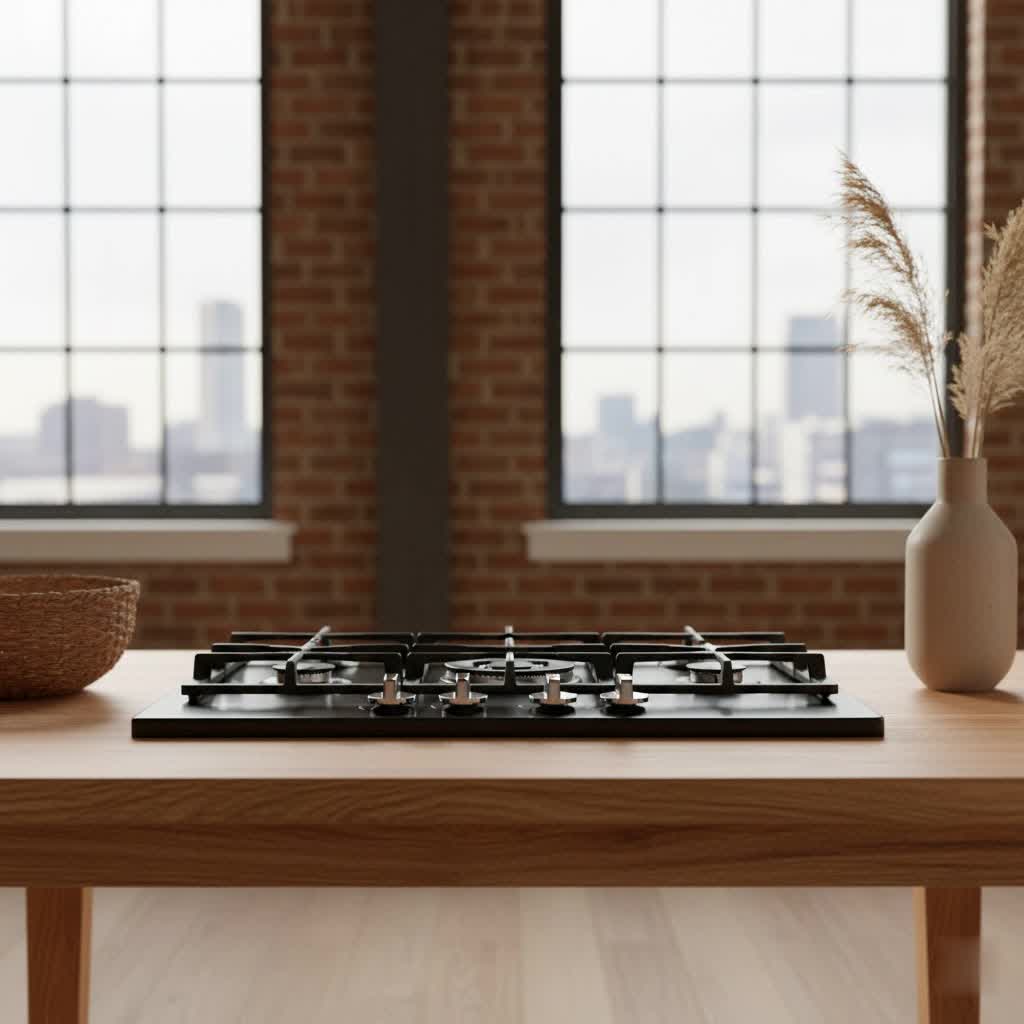
What is a Commercial Gas Stove? Construction and Operating Principles
A commercial gas stove is a heavy-duty cooking appliance designed for the rigorous demands of professional kitchens. Unlike their residential counterparts, commercial stoves are built for continuous, high-volume use, featuring more robust construction, higher British Thermal Unit (BTU) output for rapid heating, and greater durability.
At its core, a commercial gas stove typically comprises several key components:
- Burners: These are the primary heat sources, often made of cast iron or stainless steel, designed to deliver high heat output. They can be open flames or covered.
- Grates: Heavy-duty cast iron grates sit over the burners, providing a stable, durable surface for pots and pans of all sizes and weights.
- Flame Spreaders/Mushroom Heads: These ensure an even distribution of the gas flame.
- Ignition System: This can be a manual pilot light or an automatic electronic ignition system.
- Control Knobs: Allowing chefs precise control over flame intensity.
- Base: Often includes an oven (standard or convection), storage cabinet, or a combination of different cooking surfaces like griddles or charbroilers.
The operating principle is straightforward: natural gas or liquid propane (LP) is fed through a gas line to the burners. When ignited, the gas mixes with air and combusts, producing a controlled flame that transfers heat directly to cookware. The high BTU output in commercial models allows for faster cooking times and quick recovery, essential during peak service hours.
Classifying Commercial Gas Stoves: Advantages and Disadvantages
Commercial gas stoves come in various configurations, each suited to different kitchen layouts, culinary needs, and operational volumes. Understanding the types helps in making an informed decision.
Floor Model Ranges
These are full-sized units that typically include a cooktop and an integrated oven or storage base.
- Advantages:
- Versatility: Combines stovetop cooking with baking or roasting capabilities in one footprint.
- High Capacity: Available with multiple burners (4 to 10+) and powerful ovens, ideal for high-volume operations.
- Durability: Constructed from heavy-duty stainless steel and cast iron, built to withstand constant use.
- Disadvantages:
- Space Requirement: Occupies significant floor space.
- Cost: Generally higher upfront investment and installation costs due to gas line requirements and professional setup.
- Installation: Requires professional installation and a proper ventilation system.
|
Our Picks for the Best Gas Stove in 2026
As an Amazon Associate I earn from qualifying purchases.
|
||
| Num | Product | Action |
|---|---|---|
| 1 | Empava 30 in. Gas Stove Cooktop 5 Italy Sabaf Sealed Burners NG/LPG Convertible in Black Tempered Glass |

|
| 2 | Vivicreate High Pressure Propane Gas Regulator 20 PSIG Outdoor Camping BBQ Grill Stove Burner Estufas de Gas para Cocinar Afuera Es gas propano |
|
| 3 | Gas One Propane Double Burner Two Burner Camp Stove with Windscreen Outdoor High Pressure Propane 2 Burner Adjustable PSI Regulator and 4ft Steel Braided Hose With Removable Legs |
|
| 4 | Avanti Gas Range Oven, Compact Freestanding Design, 4 Sealed Burners with Electronic Ignition, 2.1 Cu.Ft. Capacity Features Storage Drawer Broiler and Accessories, 20-Inch, Black |
|
| 5 | Coleman Triton 2-Burner Propane Stove, Portable Camping Cooktop with 2 Adjustable Burners & Wind Guards, 22,000 BTUs of Power for Camping, Tailgating, Grilling, BBQ, & More |
|
| 6 | Avanti Gas Range Oven, Compact Freestanding Design, 4 Sealed Burners with Electronic Ignition, 2.1 Cu.Ft. Capacity Features Framed Glass Door Storage Drawer Broiler and Accessories, 20-Inch, White |
|
| 7 | Gas One GS-3400P Propane or Butane Stove Dual Fuel Stove Portable Camping Stove - Patented - with Carrying Case Great for Emergency Preparedness Kit |
|
| 8 | Kenmore 5.6 cu. ft. Front Control Gas Range Oven with 5 Cooktop Burners - True Convection, Air Fry, Turbo Boil, Self Clean, Dishwasher Safe Grates, Three Chrome Racks, LP Kit - Stainless Steel |
|
| 9 | GasOne High Pressure Single Propane Burner - Outdoor Cooking with Heat Shield and Guard – Propane Burner Head for Camping, Tailgating, Seafood Boil, Home Brewing - Patent Pending |
|
| 10 | VEVOR 36 inch Gas Cooktop 5 Burners Gas Stove Top, Max 38300BTU Built-in Stainless Steel Stove Top LPG/NG Convertible Dual Fuel Cooktop Stoves with SABAF Dual-Ring Burner for Kitchen Apartment Rvs |
|
Countertop Ranges / Hot Plates
Compact and portable, these units sit on existing counters or equipment stands.
- Advantages:
- Space-Saving: Ideal for smaller kitchens or as supplementary cooking stations.
- Portability: Can be moved as needed, suitable for catering or temporary setups.
- Lower Cost: Generally more affordable than full-sized ranges.
- Disadvantages:
- Limited Capacity: Fewer burners and no integrated oven.
- Lower Power: May have lower BTU output compared to floor models.
Specialty Ranges / Cooktop Configurations
Many commercial gas stoves can be configured with specialized cooking surfaces to meet specific menu needs.
- Open Burner Ranges: Most common and versatile, offering direct, controlled flame.
- Griddle Tops: Flat cooking surfaces for items like pancakes, burgers, and eggs.
- Charbroilers: Provides direct flame grilling for meats and vegetables.
- Wok Ranges: Feature high-BTU burners with a concave ring to accommodate woks for stir-frying.
- Stock Pot Ranges: Low-to-the-ground, high-power burners designed for large stockpots, ideal for soups, stocks, and sauces.
Comparing Leading Commercial Gas Stove Brands
Choosing a commercial gas stove often involves looking at trusted brands known for their reliability, performance, and innovation. While specific models vary, here’s a general overview of some prominent manufacturers in the commercial kitchen equipment space:
- Vulcan: Renowned for their robust construction and powerful performance, Vulcan ranges are a favorite in high-volume restaurants. They are known for durability and a wide range of configurations.
- Southbend: Often recognized for their heavy-duty ranges, Southbend appliances are built to endure the most demanding commercial environments, offering reliable performance for large operations.
- Blue Seal / Waldorf: These brands are frequently cited for their quality, precise controls, and durable construction, often seen in professional kitchens across various settings.
- Garland: A long-standing name in commercial cooking, Garland offers a variety of durable and high-performing gas ranges suitable for diverse culinary tasks.
- Cooking Performance Group (CPG): Known for offering a balance of performance and value, CPG provides reliable gas ranges and cooktops that are popular among many foodservice establishments.
- Imperial: Offers a range of commercial cooking equipment, including gas ranges, known for their solid build and consistent performance.
When evaluating brands, consider their reputation for quality, the availability of spare parts, warranty coverage, and the ease of service in your region. Many brands offer both restaurant-grade (standard duty) and heavy-duty models, with heavy-duty options designed for non-stop, high-volume cooking.
Detailed Comparison Criteria for Commercial Gas Stoves
While specific models and prices fluctuate, here are the crucial criteria to consider when comparing commercial gas stoves:
| Feature/Criteria | Description | Entry-Level Options | Mid-Range Restaurant Ranges | Heavy-Duty/Premium Ranges |
|---|---|---|---|---|
| BTU Output (per burner) | British Thermal Units, indicating heat intensity. Higher BTUs mean faster heating. | 17,000 – 25,000 BTU | 25,000 – 30,000 BTU | 30,000 – 35,000+ BTU |
| Number of Burners | Determines cooking capacity. | 2-4 burners | 4-6 burners | 6-10+ burners, often with specialty tops |
| Cooktop Configuration | Types of cooking surfaces available on the top. | Open burners only | Open burners, small griddle/charbroiler | Mix of open burners, full griddle, charbroiler |
| Base Type | What is beneath the cooktop. | Open storage/cabinet | Standard oven, convection oven option | Multiple ovens (standard/convection), storage |
| Material | Durability and ease of cleaning. | Stainless steel exterior, cast iron grates | Higher gauge stainless steel, heavier grates | Premium stainless steel, robust cast iron |
| Ignition System | How the flame is lit. | Manual pilot light | Manual pilot or electronic ignition | Electronic ignition with standing pilots |
| Safety Features | Mechanisms for safe operation. | Flame Failure Devices (FFDs) | FFDs, possibly over-temp protection | FFDs, advanced safety sensors, auto shut-off |
| Warranty | Coverage duration and terms. | 1-year parts & labor | 1-2 years parts & labor | 2-3+ years parts & labor, often extended parts |
| Price Range | General cost (highly variable). | $1,000 – $3,000 | $3,000 – $8,000 | $8,000 – $20,000+ |
This table serves as a guide to compare potential units based on your specific operational requirements.
Guide to Choosing the Right Commercial Gas Stove
Selecting the ideal commercial gas stove is a strategic decision that impacts kitchen efficiency, staff productivity, and overall food quality. Consider these factors:
-
Assess Your Menu and Volume:
- Cuisine Type: Do you need high heat for stir-frying (wok burners)? Or consistent heat for simmering sauces (low simmer burners)?
- Volume: How many dishes are prepared simultaneously? A small café might need a four-burner, while a large restaurant could require ten or more.
- Cooking Tasks: Determine if you need dedicated griddle space, a charbroiler, or specific oven types (standard for baking, convection for even roasting).
-
Evaluate Your Kitchen Space and Layout:
- Footprint: Measure available space to ensure the stove fits without hindering workflow.
- Ventilation: All commercial gas stoves require robust ventilation hoods. Ensure you have the space and infrastructure for adequate exhaust.
- Gas Line: Confirm your kitchen has the correct gas line (natural gas or LP) and capacity for the stove’s BTU requirements. Professional installation is mandatory.
-
Prioritize Performance and Features:
- BTU Output: Look for higher BTUs for quicker cooking and faster recovery times, crucial during busy periods.
- Burner Configuration: A mix of burner sizes and BTU ratings offers flexibility for different cooking needs, from rapid boiling to gentle simmering.
- Control Precision: Responsive control knobs allow chefs to make immediate flame adjustments.
- Oven Type (if integrated): Standard ovens are great for general baking, while convection ovens provide faster, more even cooking due to fan-forced air.
-
Emphasize Safety Features:
- Flame Failure Devices (FFDs): These essential safety mechanisms automatically cut off the gas supply if a burner’s flame goes out, preventing dangerous gas leaks.
- Automatic Ignition: Offers safer and more convenient lighting compared to manual pilots.
- Emergency Shut-Off Valves: Easily accessible valves are crucial for quickly cutting off the gas supply in an emergency.
- Clearances: Ensure the stove can be installed with proper clearances from combustible surfaces and adequate space for ventilation hoods (e.g., range hoods at least 600mm above the cooking appliance).
-
Consider Durability and Ease of Cleaning:
- Material: Stainless steel is the industry standard for its durability, corrosion resistance, and ease of cleaning. Heavy-duty cast iron grates are also highly prized for heat retention and sturdiness.
- Design: Look for seamless, welded tops that prevent food particles and grease from getting trapped, simplifying daily cleaning. Removable drip trays and burner components also aid maintenance.
-
Budget and Warranty:
- Total Cost of Ownership: Factor in not just the purchase price, but also installation costs, ongoing utility expenses (gas), and potential maintenance.
- Warranty: A comprehensive warranty (parts and labor) from a reputable brand provides peace of mind and protects your investment.
Tips for Safe and Efficient Use and Maintenance of Commercial Gas Stoves
Proper use and regular maintenance are critical for extending the lifespan of your commercial gas stove, ensuring peak performance, and, most importantly, maintaining a safe kitchen environment.
Installation and Initial Setup
- Professional Installation: Always engage certified technicians for gas line connection and stove installation. Incorrect installation can lead to dangerous gas leaks and inefficient operation.
- Ventilation System: Ensure your commercial kitchen is equipped with an adequately sized and properly installed ventilation hood system to remove heat, smoke, and cooking fumes effectively.
- Initial Check: After installation, verify that all burners ignite properly, flames are blue and even, and there are no gas odors.
Regular Cleaning and Maintenance Schedule
A systematic cleaning schedule is paramount.
- Daily Cleaning:
- Wipe down stovetop surfaces, control knobs, and drip trays after each use with a mild degreaser and a soft cloth. Promptly attend to spills to prevent stubborn buildup.
- Weekly Deep Cleaning:
- Remove grates and burner caps. Soak them in hot, soapy water to loosen grease and food residue. Scrub thoroughly with a stiff brush (like a brass brush for burner ports) and rinse. Ensure all parts are completely dry before reassembling to prevent corrosion and ensure proper ignition.
- Clean under the grates, including the areas around the burner ports, to prevent blockages that can cause uneven flames.
- Monthly/Quarterly Checks:
- Gas Line Inspection: Visually inspect gas hoses and connections for any signs of wear, cracks, or corrosion. Apply a soap-and-water solution to connections; bubbling indicates a leak.
- Ignition System: Check pilot lights (if applicable) and electronic igniters for proper function.
- Professional Servicing: Schedule routine professional inspections and servicing at least annually (or quarterly for heavy-duty use) to check gas pressure, calibrate burners, and identify potential issues before they become major problems.
Efficient Use Tips
- Match Cookware Size: Use pots and pans that match the burner size to maximize heat transfer and energy efficiency. Flames should not extend beyond the bottom of the pan.
- Preheating: Allow burners and ovens to preheat properly for optimal cooking results.
- Flame Adjustment: Use the lowest effective flame setting for simmering to conserve gas and prevent scorching. A blue flame indicates efficient combustion.
Common Commercial Gas Stove Issues and How to Troubleshoot Them
Even with regular maintenance, commercial gas stoves can occasionally encounter issues. Knowing how to identify and address common problems can save time and prevent costly repairs.
- Burner Not Igniting:
- Cause: Clogged burner ports, dirty igniter, faulty thermocouple, or gas supply issue.
- Troubleshooting: Clean burner ports and igniter with a stiff brush or pin. Ensure burner components are properly seated. Check if the gas supply valve is open. If the problem persists, it may indicate a faulty igniter or thermocouple, requiring professional service.
- Uneven Flame / Yellow or Orange Flame:
- Cause: Clogged burner ports, improper air-to-gas mixture, or low gas pressure.
- Troubleshooting: Clean burner ports thoroughly. Yellow or orange flames often indicate incomplete combustion and can produce carbon monoxide, so this needs immediate attention. Adjust the air shutter (if accessible) or contact a technician to check gas pressure.
- Gas Smell (Gas Leak):
- Cause: Loose gas connections, damaged gas line, or a faulty valve.
- Troubleshooting: This is an emergency. Immediately turn off the gas supply at the main valve, ventilate the area, evacuate personnel, and contact your gas utility company and a certified technician. Do not operate any electrical switches or open flames.
- Pilot Light Goes Out Frequently (for models with standing pilots):
- Cause: Drafts, dirty pilot tube, or a faulty thermocouple.
- Troubleshooting: Clean the pilot assembly. If the issue continues, the thermocouple might need replacement, which should be done by a professional.
- Oven Not Heating Properly (for integrated ranges):
- Cause: Faulty igniter, thermostat issues, or gas supply problems to the oven burner.
- Troubleshooting: Check if the oven igniter glows and ignites the gas. Ensure the oven gas valve is open. For persistent issues, professional diagnosis is recommended.
Commercial Gas Stove Safety: Essential Considerations
Safety in a commercial kitchen is paramount, especially when dealing with gas appliances. Adhering to safety protocols and installing critical features can mitigate risks significantly.
- Proper Ventilation: A robust commercial kitchen ventilation system (hoods, exhaust fans) is non-negotiable. It removes heat, grease, smoke, and combustion byproducts like carbon monoxide, ensuring good air quality and preventing fire hazards. Maintain minimum clearances between cooking appliances and combustible surfaces.
- Gas Leak Prevention and Detection:
- Flame Failure Devices (FFDs): Modern commercial gas stoves are often equipped with FFDs that automatically cut off the gas supply if a flame extinguishes, preventing dangerous gas buildup.
- Regular Inspections: Routinely inspect gas lines, hoses, and connections for any signs of damage or leaks.
- Gas Leak Detectors: Consider installing electronic gas leak detectors for an additional layer of safety.
- Emergency Protocol: Train all staff on how to identify a gas leak (smell of rotten eggs), where the main gas shut-off valve is located, and the immediate evacuation and notification procedures.
- Carbon Monoxide (CO) Safety:
- CO Detectors: Install UL 2034 certified commercial carbon monoxide detectors in your kitchen. CO is an odorless, colorless gas produced by incomplete combustion and can be deadly.
- Blue Flame Indication: An efficient gas flame should be predominantly blue. Yellow or orange flames indicate incomplete combustion and a higher risk of CO production.
- Regular Maintenance: Proper cleaning and servicing ensure efficient gas combustion, reducing CO emissions.
- Emergency Isolation Valves: Manual emergency isolation valves should be easily accessible, no more than six feet from each gas appliance and near kitchen entry points, allowing for quick gas shut-off during emergencies. Regular testing ensures they are functional.
- Fire Safety:
- Fire Suppression Systems: Commercial kitchens are legally required to have appropriate fire suppression systems (e.g., hood suppression systems).
- Grease Management: Regular cleaning of grease traps, filters, and all surfaces around the stove minimizes fire risk from accumulated grease.
- Fire Extinguishers: Ensure staff are trained on the correct type and use of fire extinguishers (Class K for kitchen fires).
- Staff Training: Educate all kitchen personnel on the safe operation of gas stoves, daily cleaning routines, warning signs of issues (yellow flames, gas smell), and emergency procedures.
Where to Buy Reliable Commercial Gas Stoves?
Investing in a commercial gas stove requires purchasing from reputable sources to ensure product quality, warranty validity, and reliable after-sales support.
- Specialized Restaurant Supply Stores: These establishments focus solely on commercial kitchen equipment, offering expert advice, a wide selection of brands and models, and often installation services. They typically carry top commercial brands and understand industry-specific needs.
- Commercial Catering Equipment Suppliers: Similar to restaurant supply stores, these suppliers specialize in equipment for larger-scale catering operations, which can include heavy-duty commercial gas stoves.
- Online Retailers specializing in Commercial Kitchen Equipment: Many large online platforms offer commercial kitchen equipment. When buying online, ensure the retailer has a strong reputation, clear return policies, and offers valid manufacturer warranties. Always check customer reviews and the vendor’s reliability.
- Direct from Manufacturers/Authorized Dealers: Purchasing directly or through authorized dealers ensures you receive genuine products and full warranty support.
Always verify the seller’s credentials, read product specifications carefully, and inquire about installation requirements, warranty, and available service and parts support before making a purchase.
Reference Price List for Commercial Gas Stoves (Latest Update)
The price of commercial gas stoves can vary significantly based on brand, size, BTU output, features, and construction quality. This reference list provides a general overview, but actual prices will fluctuate with market conditions and specific configurations.
- Commercial Gas Hot Plates / Countertop Burners (2-4 burners):
- Range: $300 – $1,500
- These are compact, typically used for supplemental cooking or smaller operations.
- Standard Commercial Gas Ranges (4-6 burners with oven base):
- Range: $1,500 – $5,000
- Suitable for most small to medium-sized restaurants, offering a good balance of features and capacity.
- Heavy-Duty Commercial Gas Ranges (6-10+ burners with powerful oven/specialty tops):
- Range: $5,000 – $15,000+
- Designed for high-volume, continuous use in large restaurants, hotels, and institutional kitchens. Prices increase with added features like convection ovens, multiple specialty tops (griddles, charbroilers), and premium brands.
- Specialty Gas Ranges (Wok, Stock Pot ranges):
- Range: $1,000 – $4,000+
- These are often dedicated units for specific cooking tasks and can vary widely based on power and size.
Remember that these prices generally do not include installation costs, which can add a significant amount depending on the complexity of gas line connections and ventilation requirements. It’s always advisable to get detailed quotes from multiple suppliers and factor in the total cost of ownership.
Conclusion: Smart Choices for Your Commercial Gas Stove
A commercial gas stove is more than just an appliance; it’s the engine of your kitchen, directly influencing productivity, safety, and the quality of your culinary creations. From understanding the nuances of BTU output and burner configurations to prioritizing essential safety features like Flame Failure Devices, an informed decision is key to long-term success. By carefully considering your menu, kitchen layout, and operational volume, and by committing to diligent maintenance, you can select a commercial gas stove that not only meets your current needs but also stands as a reliable, efficient partner for years to come.
What advanced features or brand innovations are you most excited to explore for your next commercial kitchen upgrade?
Frequently Asked Questions
What is the primary difference between a residential and commercial gas stove?
The main difference lies in construction, power, and durability. Commercial gas stoves are built with heavy-duty materials, offer significantly higher BTU outputs for faster cooking, and are designed to withstand continuous, high-volume use in demanding professional kitchen environments, unlike residential models that are for intermittent home use.
How many BTUs should a commercial gas stove have?
The ideal BTU output depends on your cooking volume and tasks. Commercial burners typically range from 17,000 BTU to over 35,000 BTU per burner. High-volume kitchens or those requiring rapid heating for searing or boiling should opt for higher BTU ratings for efficiency and performance.
Is professional installation required for a commercial gas stove?
Yes, professional installation by a certified technician is absolutely required for a commercial gas stove. This ensures proper gas line connection, compliance with local safety codes, adequate ventilation setup, and the safe and efficient operation of the appliance, mitigating risks like gas leaks.
How often should a commercial gas stove be professionally serviced?
For optimal performance and safety, a commercial gas stove should be professionally inspected and serviced at least once a year. For kitchens with very high volume or intensive use, quarterly professional servicing might be recommended to ensure all components are functioning correctly and safely.
What are Flame Failure Devices (FFDs) and why are they important?
Flame Failure Devices (FFDs) are safety mechanisms that automatically shut off the gas supply to a burner if its flame extinguishes unexpectedly. They are crucial in commercial gas stoves as they prevent unignited gas from accumulating, thereby significantly reducing the risk of gas leaks, explosions, and carbon monoxide poisoning.
How can I tell if my commercial gas stove’s flame is burning efficiently?
An efficient gas flame on your commercial stove should be predominantly blue and stable. If you observe yellow, orange, or flickering flames, it typically indicates incomplete combustion, which can lead to higher carbon monoxide production and reduced efficiency. This requires immediate attention, usually through cleaning or professional adjustment.
What is the typical lifespan of a commercial gas stove?
With proper installation, diligent maintenance, and regular professional servicing, a high-quality commercial gas stove can last anywhere from 10 to 15 years or even longer. Durability heavily depends on the construction quality, brand reputation, and the intensity of its usage.
