For passionate home cooks, large families, or culinary enthusiasts who frequently entertain, a standard four-burner stove often falls short. This is where the formidable 8-burner gas stove steps in, transforming your kitchen into a powerhouse of culinary creativity. These appliances offer an unparalleled blend of expansive cooking space, powerful performance, and precise control, allowing you to juggle multiple dishes with professional ease. But with their significant size and investment, understanding what goes into choosing, using, and maintaining one is essential. This in-depth guide will navigate you through every aspect of 8-burner gas stoves, ensuring you make an informed decision to elevate your cooking experience.
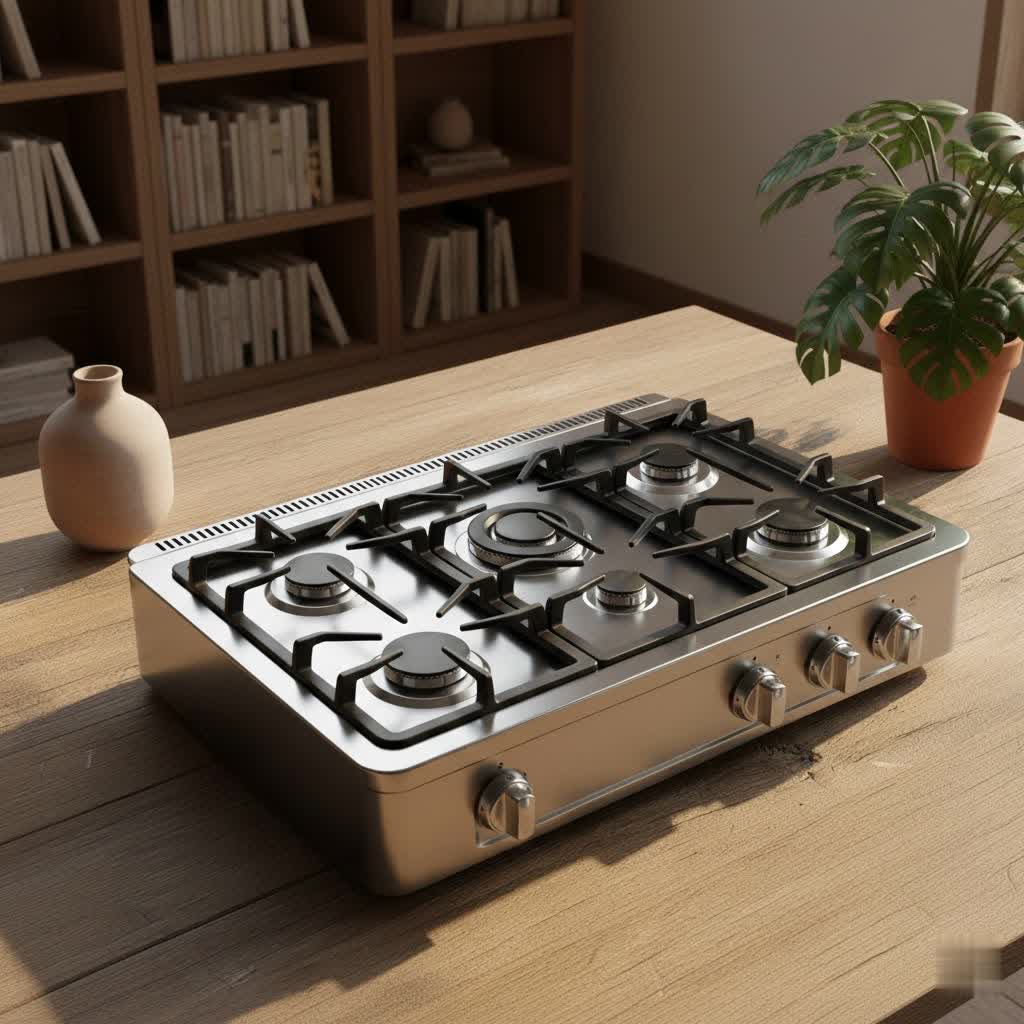
What is an 8 Burner Gas Stove? Structure and Operating Principles
An 8-burner gas stove is a large-capacity cooking appliance featuring eight individual gas burners on its cooktop, typically integrated with one or two ovens below. These robust units are designed for kitchens that demand extensive cooking capabilities, offering ample space and power for simultaneous meal preparation. They are often found in widths of 48 inches or more, catering to both high-end residential “pro-style” kitchens and commercial establishments.
The structure of an 8-burner gas stove combines several key components:
- Burners: The heart of the cooktop, these eight burners are typically made of brass or cast iron. Many models feature high-BTU (British Thermal Unit) burners, often ranging from 21,000 to 32,000 BTUs per burner, providing intense heat for rapid boiling and searing. Some advanced residential models boast dual-stacked burners for superior low-simmer control, while commercial units focus on raw power and durability.
- Grates: Heavy-duty cast iron grates cover the burners, designed for stability and efficient heat transfer. Continuous grates are common, allowing pots and pans to be easily slid across the cooktop without lifting.
- Ovens: Most 8-burner gas stoves come with at least one, often two, gas ovens. These can include standard convection ovens, offering even heat distribution for baking and roasting, or “space saver” ovens in commercial models. Features like infrared broilers for quick, intense heat are also popular.
- Control Knobs: Precision is key with gas cooking, and 8-burner stoves typically feature robust, often illuminated, control knobs that allow for fine-tuned flame adjustment.
- Ignition System: Modern gas stoves use electronic ignition systems (spark ignition) that automatically re-ignite the flame if it goes out, enhancing safety and temperature control. Some commercial models might use pilot-lit systems.
- Construction Materials: High-polished stainless steel is the standard for the exterior, offering durability and a professional aesthetic. Oven interiors are frequently lined with porcelain-enameled steel for easy cleaning and longevity.
- Fuel System: These ranges require a natural gas or liquid propane (LP) hookup. Many are convertible between the two fuel types with a conversion kit.
The operating principle is straightforward: gas flows from the supply line to the burners, where it mixes with air and is ignited by an electronic spark or a standing pilot light. The resulting flame provides immediate and adjustable heat to cookware. The ovens function similarly, with gas burners heating the oven cavity, often assisted by convection fans for more uniform cooking. The sheer number of burners and their high BTU output allow for unparalleled multitasking, making complex meal preparation more manageable.
Types of 8 Burner Gas Stoves: Pros and Cons
While the core concept remains the same, 8-burner gas stoves generally fall into two categories: residential pro-style and commercial. Each has distinct advantages and disadvantages tailored to different user needs.
Residential Pro-Style 8-Burner Ranges
These are designed for the discerning home chef who desires professional performance and aesthetics without the full industrial demands of a commercial kitchen.
- Pros:
- High Capacity: Provides ample cooking space for large meals, entertaining, or specialized culinary tasks.
- Professional Aesthetics: Often features sleek stainless steel finishes, robust hardware, and a commanding presence that enhances kitchen design.
- Powerful Burners: Typically equipped with high-BTU burners (up to 25,000 BTU) for intense heat, alongside delicate simmer settings. Dual-stacked burners offer exceptional temperature precision.
- Advanced Oven Features: Frequently include large capacity convection ovens, multiple racks, and often a secondary smaller oven or warming drawer for enhanced flexibility.
- Durability: Built with high-quality materials designed for longevity in a home setting.
- Brand Variety: Options from leading appliance manufacturers known for innovation and design.
- Cons:
- High Cost: These ranges represent a significant financial investment, often ranging from several thousand to over ten thousand dollars.
- Space Requirements: Their 48-inch or 60-inch width demands a sizable kitchen footprint and often a custom cabinetry installation.
- Ventilation Needs: The high heat output necessitates a powerful, professional-grade range hood with sufficient CFM (Cubic Feet per Minute) to effectively remove smoke and heat.
- Installation Complexity: Requires professional gas line hookup and proper venting, adding to the overall cost.
- Cleaning: While often designed for easier cleaning than older models, the large surface area and heavy grates can still be more labor-intensive to maintain than standard cooktops.
|
Our Picks for the Best Gas Stove in 2026
As an Amazon Associate I earn from qualifying purchases.
|
||
| Num | Product | Action |
|---|---|---|
| 1 | Empava 30 in. Gas Stove Cooktop 5 Italy Sabaf Sealed Burners NG/LPG Convertible in Black Tempered Glass |

|
| 2 | Coleman Triton 2-Burner Propane Stove, Portable Camping Cooktop with 2 Adjustable Burners & Wind Guards, 22,000 BTUs of Power for Camping, Tailgating, Grilling, BBQ, & More |
|
| 3 | Avanti Gas Range Oven, Compact Freestanding Design, 4 Sealed Burners with Electronic Ignition, 2.1 Cu.Ft. Capacity Features Framed Glass Door Storage Drawer Broiler and Accessories, 20-Inch, White |
|
| 4 | Gas One GS-3400P Propane or Butane Stove Dual Fuel Stove Portable Camping Stove - Patented - with Carrying Case Great for Emergency Preparedness Kit |
|
| 5 | Kenmore 5.6 cu. ft. Front Control Gas Range Oven with 5 Cooktop Burners - True Convection, Air Fry, Turbo Boil, Self Clean, Dishwasher Safe Grates, Three Chrome Racks, LP Kit - Stainless Steel |
|
| 6 | VEVOR 36 inch Gas Cooktop 5 Burners Gas Stove Top, Max 38300BTU Built-in Stainless Steel Stove Top LPG/NG Convertible Dual Fuel Cooktop Stoves with SABAF Dual-Ring Burner for Kitchen Apartment Rvs |
|
| 7 | Vivicreate High Pressure Propane Gas Regulator 20 PSIG Outdoor Camping BBQ Grill Stove Burner Estufas de Gas para Cocinar Afuera Es gas propano |
|
| 8 | Gas One Propane Double Burner Two Burner Camp Stove with Windscreen Outdoor High Pressure Propane 2 Burner Adjustable PSI Regulator and 4ft Steel Braided Hose With Removable Legs |
|
| 9 | GasOne High Pressure Single Propane Burner - Outdoor Cooking with Heat Shield and Guard – Propane Burner Head for Camping, Tailgating, Seafood Boil, Home Brewing - Patent Pending |
|
| 10 | Avanti Gas Range Oven, Compact Freestanding Design, 4 Sealed Burners with Electronic Ignition, 2.1 Cu.Ft. Capacity Features Storage Drawer Broiler and Accessories, 20-Inch, Black |
|
Commercial 8-Burner Ranges
These units are built to withstand the rigorous demands of professional kitchens, focusing on raw power, durability, and high-volume output.
- Pros:
- Extreme Durability: Constructed with heavy-gauge stainless steel and robust components for continuous, heavy-duty use in demanding environments.
- Very High BTU Output: Burners can individually exceed 30,000 BTUs, with total BTU ratings often over 300,000, enabling rapid cooking and holding large volumes.
- Designed for Volume: Built to accommodate multiple large pots and pans simultaneously, making them ideal for restaurants, catering, or institutional kitchens.
- Reliability: Engineered for consistent performance under extreme conditions, often with features like anti-clogging pilot shields.
- Specialized Configurations: May include features like integrated griddles, charbroilers, and multiple oven types (e.g., standard and convection, or multiple space-saver ovens).
- Cons:
- Industrial Aesthetics: Their appearance is purely functional, typically lacking the refined design elements desired in a home kitchen.
- Large Footprint: Often wider (up to 72 inches) and deeper than residential models, requiring even more dedicated space.
- Very High Cost & Installation: Significantly more expensive than residential models, and require commercial-grade gas lines, electrical connections, and ventilation systems.
- Noise Levels: Fans and high-output burners can generate considerable noise, which is generally acceptable in a commercial setting but disruptive in a home.
- Heat Output: The sheer amount of heat generated can overwhelm a residential kitchen’s climate control, even with strong ventilation.
Choosing between these types hinges on your specific needs, available space, budget, and the desired aesthetic for your kitchen.
Comparison of Popular 8 Burner Gas Stove Brands
The market for 8-burner gas stoves includes a range of manufacturers, from high-end residential brands known for their “pro-style” appliances to dedicated commercial kitchen equipment suppliers. Each brand brings its own philosophy regarding design, features, and performance.
High-End Residential/Pro-Style Brands:
- Wolf (Sub-Zero Group): Renowned for precision and power, Wolf 8-burner ranges (typically 48-inch) feature dual-stacked sealed burners for exceptional control from high heat to a gentle simmer. Their ovens often include convection and infrared broilers, with signature red control knobs, though black or brushed stainless are also options. They prioritize robust construction and professional-grade results for the home.
- BlueStar: Favored by serious home cooks, BlueStar offers highly customizable 8-burner ranges (often 48-inch or 60-inch) with powerful open burners (up to 25,000 BTUs) that mimic commercial performance. They are known for true convection ovens and a vast array of color and finish options, allowing for significant personalization.
- Fisher & Paykel: These ranges blend contemporary design with powerful performance. Their 8-burner models (typically 48-inch) feature Sealed Dual Flow Burners™ providing high heat (up to 23,500 BTU) and a precise full-surface simmer. They emphasize ease of cleaning with continuous porcelain base pans and thoughtful ergonomics.
- Thor Kitchen: Offering a more accessible price point for pro-style ranges, Thor Kitchen provides 8-burner models (usually 48-inch) with high-BTU burners, often including a griddle or griddle plate. They focus on stainless steel aesthetics and robust construction for the home chef.
- Kucht: Kucht ranges combine Italian design with professional features. Their 8-burner options (typically 48-inch) boast powerful burners, convection ovens, and a choice of colored finishes, aiming for a balance of style and performance.
- Forno: Similar to Thor Kitchen, Forno offers professional-grade features and aesthetics at competitive prices, with 8-burner models that often include double ovens and high-output burners.
Commercial Brands (often adaptable for very large, specialized home kitchens):
- Migali: A prominent name in commercial kitchen equipment, Migali offers 8-burner gas ranges (e.g., C-RO8B-NG) built for durability and high volume. These typically feature 32,000 BTU hot plate burners and porcelain-lined ovens designed for easy cleaning and sustained heavy use.
- U.S. Range / Garland / Vulcan / American Range / Southbend: These are industry giants in commercial cooking. Their 8-burner ranges are characterized by extremely heavy-duty construction, very high BTU burners, often multiple full-size ovens (standard or convection), and options for integrated griddles or charbroilers. They are engineered for the relentless demands of a professional kitchen, with a focus on reliability and output.
When comparing these brands, consider the balance between raw power, precise control, aesthetic integration into your kitchen, and specific features like dual ovens, convection technology, or integrated griddle options.
Detailed Comparison Table of Popular 8 Burner Gas Stove Features
Instead of specific models, which frequently change and vary by region, this table outlines key criteria and common features you’ll find across popular 8-burner gas stoves, helping you evaluate different options in the market.
| Feature | Residential Pro-Style Ranges | Commercial Ranges |
|---|---|---|
| Typical Width | 48 inches, sometimes 60 inches | 48 inches, 60 inches, 72 inches |
| Burner Count | 8 | 8 |
| Individual Burner BTU | 15,000 – 25,000 BTU (often dual-stacked for simmer) | 25,000 – 32,000 BTU (heavy-duty, high output) |
| Total BTU Output | Varies, can be 100,000 – 200,000+ BTU | 250,000 – 350,000+ BTU |
| Oven Configuration | Single or Double Ovens (often convection), sometimes a warming drawer | Double Ovens (standard/convection, often space-saver), built for capacity |
| Oven Capacity (cu ft) | 4.0 – 6.7 cu ft (main oven), plus secondary oven if applicable | 4.0 – 11.0+ cu ft (main oven), designed for sheet pans |
| Cooktop Surface | Continuous cast-iron grates, sealed burner pans for easy cleaning | Heavy-duty cast-iron grates, open or sealed burners |
| Special Features | Infrared broiler, automatic reignition, LED-lit knobs, griddle/grill options, wok rings | Anti-clogging pilot shields, integrated griddles/charbroilers, splash guards |
| Fuel Type | Natural Gas (NG) or Liquid Propane (LP) – often convertible | Natural Gas (NG) or Liquid Propane (LP) – often convertible |
| Material | Stainless steel exterior, porcelain oven interior | Heavy-gauge stainless steel throughout |
| Installation | Professional gas and electrical hookup, strong ventilation required | Commercial gas/electrical, industrial venting, often floor-mounted |
| Aesthetics | Professional, high-end design, various knob colors | Functional, robust, industrial look |
| Target User | Home chefs, frequent entertainers | Restaurants, catering, high-volume food service |
How to Choose the Right 8 Burner Gas Stove
Selecting an 8-burner gas stove is a significant decision that requires careful consideration of your cooking habits, kitchen space, and budget. Here’s a detailed guide to help you find the perfect fit:
-
Determine Your Cooking Needs:
- Family Size and Frequency: Do you cook for a large family daily or host frequent dinner parties? An 8-burner range is overkill for infrequent, small-batch cooking but invaluable for high-volume tasks.
- Cooking Style: Do you often simmer multiple sauces, sear meats, or use large stockpots simultaneously? The expanded cooktop provides the flexibility to manage diverse cooking methods without crowding.
- Baking/Roasting Habits: If you frequently bake or roast large items, or multiple dishes at once, consider models with large capacity convection ovens or dual oven configurations.
-
Assess Your Kitchen Space and Layout:
- Dimensions: 8-burner ranges are typically 48, 60, or even 72 inches wide. Measure your available space precisely, including depth and height, and account for necessary clearances around the appliance.
- Ventilation: This is paramount. The high heat and potential for cooking fumes from eight burners demand a powerful range hood. Calculate the required CFM based on the stove’s total BTU output (usually 1 CFM per 100 BTU for residential, higher for commercial). Ensure you have adequate ducting for exhaust.
- Gas Line: Verify if your kitchen has an existing gas line with sufficient capacity for an 8-burner range. If not, consider the cost and feasibility of installing a new, larger line.
-
Set Your Budget:
- Appliance Cost: Prices vary widely, from around $3,000 for some pro-style residential models to over $25,000 for high-end or specialized commercial units.
- Installation Costs: Factor in the expense of professional installation, which can include gas line modifications, electrical work, and specialized ventilation system setup. This can add hundreds or even thousands to the total cost.
- Operating Costs: While gas is generally cheaper than electricity, a powerful 8-burner range will consume more fuel than a standard stove.
-
Choose the Right Fuel Type:
- Most 8-burner gas stoves operate on either natural gas (NG) or liquid propane (LP). Confirm which fuel source is available in your home. Many models come with conversion kits or can be ordered pre-configured for your specific fuel type.
-
Evaluate Key Features and Specifications:
- Burner Power & Type: Look at individual burner BTU ratings. Do you need ultra-high heat for wok cooking or a precise simmer for delicate sauces? Dual-stacked burners excel at both. Decide between sealed (easier to clean) and open (more powerful heat transfer, but harder to clean) burners.
- Oven Features: Consider convection for even cooking, multiple ovens for increased capacity, and infrared broilers for quick searing. Check oven capacity in cubic feet to ensure it meets your needs.
- Cooktop Surface: Continuous cast-iron grates are excellent for sliding heavy pots. Some models offer interchangeable griddles or charbroilers, which can be convenient but add to cleaning complexity.
- Safety Features: Prioritize automatic reignition, a safety pilot oven shut-off switch, and cool-touch knobs where available.
- Durability and Materials: Stainless steel construction, heavy-duty knobs, and robust grates indicate a quality appliance built to last.
-
Consider Brand Reputation and Warranty:
- Research brands known for reliability, performance, and customer service in the high-end appliance or commercial equipment sector. Read reviews and check warranty coverage for both parts and labor.
-
Professional Installation is Non-Negotiable:
- Due to the appliance’s size, weight, gas connections, and ventilation requirements, professional installation by certified technicians is crucial for safety and optimal performance. Never attempt to install it yourself.
By methodically evaluating these factors, you can confidently select an 8-burner gas stove that perfectly aligns with your culinary aspirations and kitchen environment.
Tips for Safe and Efficient Use and Maintenance
An 8-burner gas stove is a powerful appliance that requires proper care and attention to ensure safety and longevity. Follow these tips for optimal performance:
Installation Guidelines
- Professional Expertise: Always engage certified professionals for installation. This includes licensed plumbers for gas line connections and qualified electricians for any electrical wiring.
- Proper Ventilation: Ensure your range hood is correctly installed and adequately sized for the stove’s BTU output. The hood should vent directly outside, not into an attic or crawl space.
- Leveling: Confirm the stove is perfectly level for even cooking and proper operation of oven doors.
Efficient Use
- Match Pan to Burner: Use cookware that matches the size of the burner flame to maximize heat transfer and energy efficiency.
- Utilize All Burners: Don’t be shy about using all eight burners. They are there to enhance efficiency when cooking multiple dishes.
- Preheat Wisely: Only preheat the oven for the time specified in recipes. Gas ovens generally heat up faster than electric ones.
- Simmer Control: Leverage dual-stacked burners or low-setting capabilities for simmering to prevent scorching and conserve gas.
Regular Cleaning and Maintenance
- Daily Wipe-Down: After each use, wipe down the cooktop surface and control knobs with a damp cloth and mild detergent to prevent food and grease buildup.
- Grates: Remove cast-iron grates regularly and wash them with warm, soapy water. For stubborn, baked-on food, you may need to soak them or use a non-abrasive scrubber. Ensure they are completely dry before returning them to the cooktop.
- Burner Caps and Heads: Periodically remove burner caps and heads (when cool) and clean any clogged ports with a small brush or toothpick. This ensures an even flame.
- Oven Interior: Address spills and splatters in the oven promptly. Most modern gas ovens have self-cleaning cycles or easy-to-clean porcelain interiors. Follow manufacturer instructions.
- Exterior Stainless Steel: Use a dedicated stainless steel cleaner and a microfiber cloth, wiping in the direction of the grain to avoid streaks.
Periodic Safety Checks
- Gas Leak Detection: Regularly check gas lines for any signs of wear or damage. If you smell gas, immediately turn off the main gas supply, open windows, evacuate, and call your gas company or emergency services. Install a natural gas/LP detector in your kitchen.
- Igniter Function: Ensure all burners ignite quickly and consistently. If an igniter clicks but doesn’t light the gas, clean the burner cap and ports.
- Oven Door Seals: Inspect oven door gaskets for tears or gaps that could allow heat to escape, affecting cooking efficiency and potentially posing a safety hazard.
- Ventilation System: Clean your range hood filters regularly to maintain effective air extraction.
Specific Notes for Mini Gas Stoves (If Applicable to your content focus, though less relevant for 8-burner)
- (This section is less relevant for a full 8-burner gas stove, as “mini” gas stoves are typically portable single or dual burner units. I will omit it to stay on topic for 8-burner ranges.)
By adhering to these practices, your 8-burner gas stove will remain a safe, efficient, and reliable centerpiece of your kitchen for years to come.
Common Problems and How to Fix Them
Even robust 8-burner gas stoves can encounter issues. Knowing common problems and their potential solutions can help you troubleshoot minor glitches or identify when professional help is needed.
1. Burner Not Igniting
This is a frequent problem.
- Cause: Often, it’s due to a clogged burner port, a wet or dirty igniter, or a misaligned burner cap. Less commonly, it could be a gas supply issue or a faulty igniter.
- Troubleshooting:
- Clean Burner Parts: Ensure the burner cap is seated correctly. Remove the cap and burner head (when cool) and gently clean any food debris from the ports with a small brush or toothpick. Clean the igniter (the small white ceramic rod) with a dry toothbrush to remove any grease.
- Check Gas Supply: Verify that the gas valve to the stove is fully open and that there isn’t a wider gas outage in your area.
- When to Call a Professional: If cleaning doesn’t resolve the issue, or if other burners are also not igniting, it might indicate a problem with the gas regulator, igniter module, or gas lines, requiring expert diagnosis.
2. Uneven Burner Flame
If the flame appears yellow, large, or uneven, it signals an issue.
- Cause: Typically, this means the burner ports are partially clogged, or the air/gas mixture is incorrect.
- Troubleshooting:
- Clean Burner Ports: As above, remove and clean the burner cap and head, ensuring all gas ports are clear.
- Check Burner Cap Alignment: Make sure the burner cap is perfectly centered and seated flush on the burner base.
- When to Call a Professional: If flames are consistently yellow across multiple burners, it might indicate a more systemic issue with the gas pressure or manifold, which a professional should inspect.
3. Oven Not Heating or Heating Unevenly
An oven that fails to reach temperature or cooks inconsistently is frustrating.
- Cause: This could be due to a faulty igniter, a malfunctioning thermostat, a clogged oven burner, or issues with the gas valve.
- Troubleshooting:
- Check Igniter: Listen for the igniter clicking sound. If it clicks but doesn’t light, the igniter might be weak or faulty.
- Clear Obstructions: Ensure no foil or pans are blocking the oven burner or vent areas.
- When to Call a Professional: Oven heating issues are complex and typically require a qualified appliance technician to diagnose and repair the igniter, thermostat, or gas control valve.
4. Gas Leak Smell
This is a critical safety concern.
- Cause: Damaged gas line, loose connection, faulty valve, or a burner not fully extinguished.
- Troubleshooting:
- Immediate Action: If you smell gas, do not turn on or off any electrical switches, light matches, or use your phone inside the house. Immediately turn off the main gas supply valve to the stove (if safe to do so), open all windows and doors for ventilation, and evacuate everyone from the building.
- Call for Help: Once outside, call your gas utility company’s emergency line and/or fire department immediately.
- Prevention: Install natural gas or LP detectors in your kitchen to provide early warning. Regular professional inspection of gas lines is also recommended.
Remember, when in doubt about any gas stove issue, especially those involving gas leaks, prioritize safety and always call a qualified professional.
8 Burner Gas Stoves and Safety: Essential Considerations
Safety is paramount when operating any gas appliance, and an 8-burner gas stove, with its increased capacity and powerful burners, demands heightened vigilance. Understanding potential risks and implementing preventive measures is crucial.
Risks Associated with 8 Burner Gas Stoves
- Gas Leaks: The most severe risk. Faulty connections, damaged gas lines, or internal appliance issues can lead to gas leaks. Natural gas and propane are highly flammable and can cause explosions or fires if ignited, or lead to asphyxiation if inhaled in large quantities.
- Carbon Monoxide (CO) Production: Gas combustion, if incomplete or improperly vented, can produce carbon monoxide, a colorless, odorless, and deadly gas. Exposure to CO can cause headaches, dizziness, nausea, and, in severe cases, death.
- Open Flames: The visible flames pose burn hazards, especially given the expansive cooktop area. Loose clothing, flammable materials, or careless handling of cookware near open flames can lead to fires.
- High Heat Output: The significant BTU output can quickly heat up a kitchen, and if ventilation is inadequate, it can lead to uncomfortable temperatures and a buildup of cooking fumes.
- Heavy Weight: 8-burner ranges are substantial, making their movement and installation potentially hazardous without proper equipment and professional assistance.
Essential Safety Measures and Prevention
-
Professional Installation and Regular Checks:
- Mandatory Professional Installation: Always hire certified professionals (licensed plumbers/gas technicians) for the installation of your 8-burner gas stove. They will ensure proper gas line connections, correct ventilation, and adherence to all local building codes.
- Periodic Inspections: Schedule regular inspections of your gas lines and appliance by a qualified technician to detect any potential issues like leaks or worn components.
-
Adequate Ventilation:
- Powerful Range Hood: Install a high-CFM range hood that vents to the outside. This is non-negotiable for an 8-burner stove. It effectively removes combustion by-products (including potential CO), cooking fumes, heat, and grease.
- Clean Filters: Regularly clean your range hood filters to maintain optimal airflow and prevent grease buildup, which can be a fire hazard.
-
Carbon Monoxide Detectors:
- Install CO Detectors: Place at least one carbon monoxide detector in your kitchen and near sleeping areas. Test them regularly according to manufacturer guidelines. This is your primary defense against CO poisoning.
-
Fire Prevention and Awareness:
- Keep Combustibles Away: Maintain clear space around the stove. Keep towels, curtains, paper products, and flammable liquids away from burners.
- Appropriate Cookware: Use pots and pans that are sized correctly for the burners to prevent flames from extending beyond the base of the cookware.
- Never Leave Cooking Unattended: Especially when using high heat, stay in the kitchen to monitor food and prevent boil-overs or flare-ups.
- Fire Extinguisher: Keep a kitchen-appropriate fire extinguisher (Class K or ABC) readily accessible and know how to use it.
- Appropriate Attire: Avoid wearing loose-fitting sleeves or dangling jewelry while cooking.
-
Gas Leak Protocol:
- Know the Smell: Be familiar with the distinctive odor of natural gas or propane (a rotten egg smell).
- Emergency Procedure: If you smell gas, immediately:
- Do NOT operate any electrical switches (lights, appliances, phone) or create any sparks.
- Turn off the main gas supply valve to the stove (if safe).
- Open windows and doors to ventilate.
- Evacuate everyone from the building.
- From a safe distance, call your gas utility company and/or the fire department.
By integrating these safety considerations into your kitchen routine, you can enjoy the exceptional capabilities of your 8-burner gas stove with peace of mind.
Where to Buy a Reliable 8 Burner Gas Stove?
Investing in an 8-burner gas stove is a significant decision, and choosing the right vendor is as important as selecting the right model. Here are the primary avenues for purchasing a reliable unit:
1. Major Appliance Retailers
These stores often carry a selection of high-end residential “pro-style” 8-burner gas ranges.
- Examples: Lowe’s, The Home Depot, Best Buy (for certain brands), and specialized regional appliance showrooms.
- Pros: Opportunity to see models in person, speak with sales associates who can explain features, often offer delivery and installation services, and have established return policies and financing options.
- Considerations: Selection might be limited to a few major residential brands. Ensure the sales staff are knowledgeable about the specific requirements of 8-burner gas stoves (e.g., ventilation, gas line capacity).
2. Specialty Appliance Showrooms
These retailers often focus exclusively on luxury or professional-grade kitchen appliances.
- Pros: Deep expertise from sales staff, wider selection of high-end brands (like Wolf, BlueStar, Fisher & Paykel, Kucht, Thor Kitchen), often have working models for demonstration, and provide comprehensive white-glove delivery, installation, and after-sales support.
- Considerations: Generally higher prices due to specialized service and product range.
3. Restaurant Supply Stores
For those seeking truly commercial-grade 8-burner ranges, or if you’re building a very serious home chef kitchen, restaurant supply stores are the go-to.
- Examples: WebstaurantStore, KaTom Restaurant Supply, Kitchenall, local restaurant equipment dealers.
- Pros: Unparalleled selection of commercial brands (Migali, U.S. Range, Vulcan, Garland, American Range, Southbend), built for extreme durability and performance, competitive commercial pricing.
- Considerations: Products are designed for commercial use, meaning aesthetics are secondary, and installation requirements are often more stringent (commercial gas lines, ventilation, electrical). They might not offer residential-style installation services, and return policies can be stricter.
4. Online Retailers (Direct from Manufacturer or Large E-commerce)
Buying online offers convenience and a broad selection, but requires careful diligence.
- Examples: Manufacturer websites (e.g., Wolf, BlueStar direct, Thor Kitchen), large e-commerce platforms like Amazon, or specialized appliance e-tailers.
- Pros: Access to a vast range of models and brands, competitive pricing, convenience of shopping from home.
- Considerations for Online Buying:
- Read Reviews: Pay close attention to product reviews, not just for the stove itself but also for the seller’s service and delivery.
- Verify Seller Credibility: Ensure you are buying from an authorized dealer to guarantee warranty validity.
- Shipping & Delivery: Confirm delivery options (e.g., white glove vs. curbside delivery), as these heavy appliances require specialized handling.
- Installation: Understand that online purchases typically do not include installation, and you will need to arrange for qualified professionals separately.
- Return Policy: Thoroughly review the return policy, especially for large appliances, which can have restocking fees or specific conditions.
- Check Information: Double-check product specifications, fuel type, and dimensions to avoid costly mistakes.
No matter where you choose to purchase, always prioritize vendors that can provide reliable products, transparent service, and support for the specific needs of an 8-burner gas stove.
Reference Price List for 8 Burner Gas Stoves (Latest Update)
The pricing for 8-burner gas stoves can vary significantly based on brand, features, construction quality, and whether the unit is designed for residential pro-style use or commercial applications. As prices are subject to constant change due to market conditions, promotions, and new models, providing an exact, perpetually updated list is impractical. However, here’s a general price range to help you budget:
Residential Pro-Style 8 Burner Gas Ranges
These ranges are designed for high-end home kitchens, blending professional performance with refined aesthetics.
- Entry to Mid-Range Pro-Style (e.g., Thor Kitchen, Forno, some Kucht models):
- Typically between $3,000 to $7,000 USD. These models offer robust features, stainless steel construction, and high-BTU burners, often with a single or double oven.
- Mid to High-End Pro-Style (e.g., Kucht, Fisher & Paykel, some Wolf/BlueStar entry models):
- Generally range from $7,000 to $15,000 USD. This segment introduces more advanced features like dual-stacked burners, superior oven technology (true convection, infrared broilers), more refined finishes, and greater brand prestige.
- Premium / Luxury Pro-Style (e.g., BlueStar, Wolf):
- These can start from $15,000 and go upwards of $25,000+ USD, especially for larger 60-inch models, highly customizable units, or those with specialized integrated features like griddles and charbroilers. These represent the pinnacle of residential gas cooking.
Commercial 8 Burner Gas Ranges
Built for the demanding environment of professional kitchens, these prioritize durability, raw power, and high volume.
- Basic to Mid-Range Commercial (e.g., Migali, U.S. Range, some Garland/Vulcan models):
- Often priced from $3,500 to $12,000 USD. These are workhorse units with heavy-duty construction, high-BTU open burners, and typically one or two standard ovens, focusing on core functionality and ruggedness.
- Advanced / Heavy-Duty Commercial (e.g., American Range, Southbend, higher-end Garland/Vulcan models):
- Can range from $12,000 to $25,000+ USD. These models feature even more robust construction, specialized burner configurations, larger oven capacities (often convection), and sometimes integrated griddle/charbroiler sections, designed for continuous, high-volume operation in the busiest kitchens.
Important Notes on Pricing:
- Installation Costs: These prices typically do not include installation, which can be significant for an 8-burner range due to gas line modifications, electrical work, and ventilation system requirements.
- Accessories: Additional costs may include specialized griddle plates, wok rings, or custom-colored knobs.
- Sales and Promotions: Keep an eye out for seasonal sales or package deals from appliance retailers, which can offer substantial savings.
- Online vs. Showroom: Prices can sometimes differ between online retailers and physical showrooms.
Always obtain current quotes from multiple reputable vendors and factor in all associated costs (delivery, installation, any required accessories) when budgeting for your 8-burner gas stove.
Conclusion: A Smart Culinary Investment for Your Kitchen
An 8-burner gas stove is more than just an appliance; it’s a testament to serious cooking. Its expansive cooktop and often powerful oven capabilities offer unmatched versatility and efficiency, transforming how you approach meal preparation. From catering to a bustling family to hosting elaborate dinner parties, the ability to orchestrate multiple dishes simultaneously with precise flame control elevates your culinary game to a professional level.
Making a smart choice involves carefully balancing your personal cooking needs, the physical constraints of your kitchen space, and your budget. Remember to prioritize essential safety features, robust construction, and, crucially, professional installation to ensure long-term peace of mind and optimal performance. While the initial investment is significant, the enhanced cooking experience, durability, and sheer capacity an 8-burner gas stove brings can make it an invaluable addition to any passionate cook’s home.
Are you ready to unlock the full potential of your kitchen and embrace a new era of culinary mastery?
Frequently Asked Questions
Are 8 burner gas stoves only for commercial use?
No, 8-burner gas stoves are available in both commercial and residential “pro-style” versions. While commercial models are designed for heavy-duty, continuous use in restaurants, residential pro-style ranges offer similar burner counts and power for serious home cooks, often with more refined aesthetics and advanced oven features suitable for a home kitchen.
How much does it cost to install an 8 burner gas stove?
The cost to install an 8-burner gas stove varies widely but can range from a few hundred to over a thousand dollars. Factors influencing the cost include the need for new gas lines, electrical work, specialized ventilation system installation, and the complexity of integrating it into existing cabinetry. Professional, certified installation is always recommended for safety.
What size range hood do I need for an 8 burner gas stove?
For an 8-burner gas stove, you will need a powerful range hood with a high Cubic Feet per Minute (CFM) rating, typically between 900 to 1,500 CFM or even higher. A general rule for gas ranges is to have 1 CFM of ventilation for every 100 BTUs of the cooktop’s total output. Adequate ducting and professional installation of
