Stepping into the world of kitchen appliances can feel overwhelming, especially when selecting a gas cooktop. With countless models, features, and brands available, finding the perfect fit for your culinary needs and kitchen aesthetics can be a challenge. But imagine a cooking surface that offers instant heat, precise temperature control, and the satisfying sizzle that only an open flame can provide. This comprehensive guide is designed to cut through the clutter, offering clear insights and expert advice to help you choose, use, and maintain the best gas cooktop for your home, ensuring both exceptional cooking performance and paramount safety.
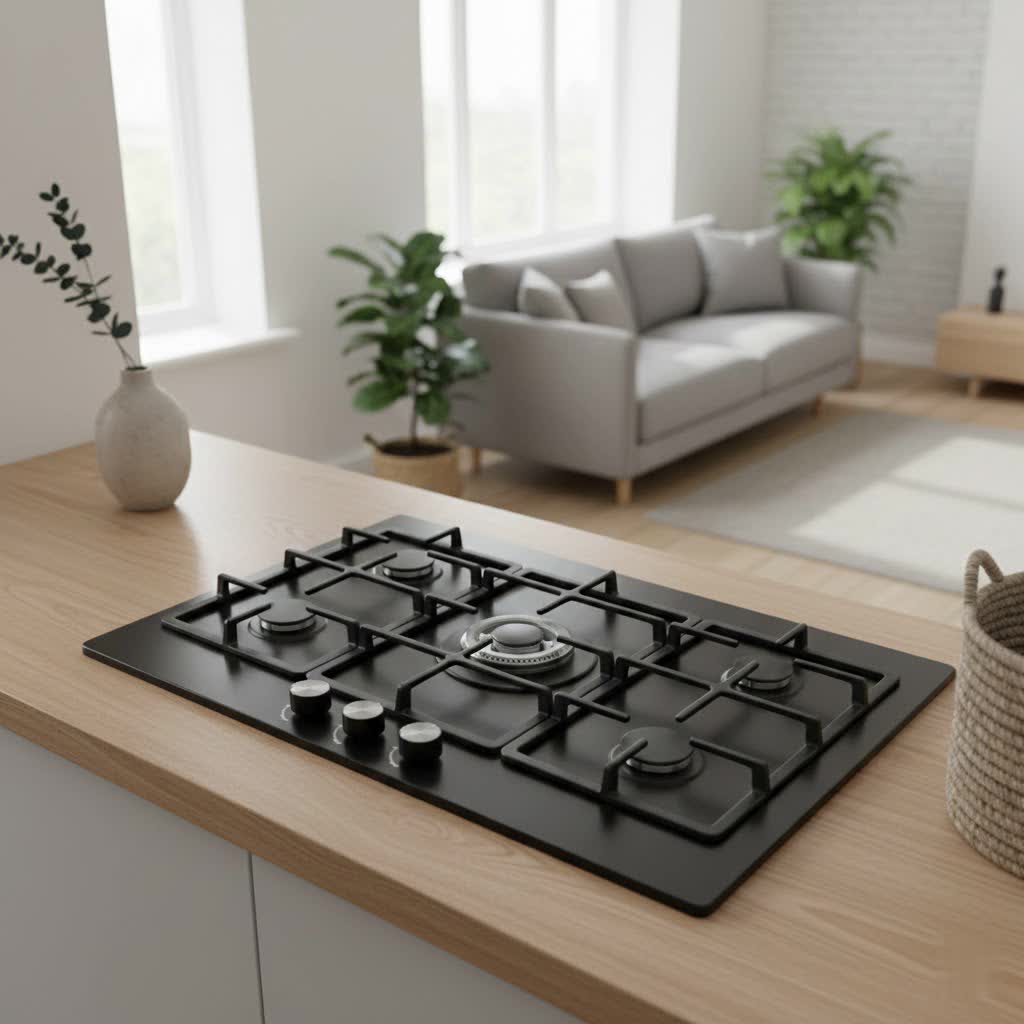
What is a Gas Cooktop? Structure and Working Principle
A gas cooktop, often interchangeably called a gas stove top, is a dedicated cooking surface installed directly into your kitchen countertop, separate from a wall oven. It is prized for its immediate heat and responsive flame control, favored by many home chefs for its versatility.
The primary components of a gas cooktop include:
- Burners: These are where the gas mixes with air and ignites, producing the flame. Burners come in various sizes and power outputs (measured in BTUs) for different cooking needs, from high-heat searing to delicate simmering. Some specialized burners include powerful wok burners or gentle simmer burners.
- Grates: Typically made of cast iron or stainless steel, these sit above the burners and provide a stable surface for cookware. Continuous grates allow for easy sliding of pots and pans between burners without lifting.
- Flame Spreader/Burner Cap: These components distribute the gas-air mixture evenly to create a uniform flame.
- Igniter: An electrical component that creates a spark to light the gas flowing from the burner. Most modern gas cooktops feature electronic ignition.
- Control Knobs: Located on the cooktop’s front or top, these regulate the gas flow to each burner, allowing precise flame adjustment.
- Gas Line: Connects the cooktop to your home’s natural gas supply or a liquid propane (LP) tank.
The working principle is straightforward: when a control knob is turned and the igniter activated, gas flows from the supply, mixes with air, and is ignited by a spark. This creates a visible flame that directly heats your cookware, offering immediate and precise temperature changes essential for many cooking styles.
Types of Gas Cooktops: Pros and Cons
Gas cooktops primarily come in two main installation types, often distinguished by their surface materials. Each offers unique benefits and considerations for your kitchen design and cooking habits.
Built-in/Drop-in Gas Cooktops
These are the most common type, designed to fit seamlessly into a cutout in your countertop. They offer a sleek, integrated look, perfect for modern kitchen aesthetics.
-
Pros:
- Aesthetic Appeal: Provides a clean, flush-mount appearance that integrates beautifully with cabinetry and countertops.
- Design Flexibility: Allows for greater freedom in kitchen layout, as the cooktop can be placed independently of the oven, even on a kitchen island.
- Space Saving: Frees up space beneath the cooktop, which can be used for drawers, cabinets, or a separate wall oven.
- Easy Cleaning (for some models): Smooth surfaces, especially tempered glass options, can be simpler to wipe down.
-
Cons:
- Requires Countertop Cutout: Installation is more involved, requiring precise measurements and professional fitting.
- Separate Oven Needed: If you require an oven, you’ll need to purchase and install a separate wall oven.
- Potentially Higher Overall Cost: The combined cost of a separate cooktop and wall oven can sometimes exceed that of a single gas range unit.
|
Our Picks for the Best Gas Stove in 2026
As an Amazon Associate I earn from qualifying purchases.
|
||
| Num | Product | Action |
|---|---|---|
| 1 | Gas One GS-3400P Propane or Butane Stove Dual Fuel Stove Portable Camping Stove - Patented - with Carrying Case Great for Emergency Preparedness Kit |

|
| 2 | Gas One Propane Double Burner Two Burner Camp Stove with Windscreen Outdoor High Pressure Propane 2 Burner Adjustable PSI Regulator and 4ft Steel Braided Hose With Removable Legs |
|
| 3 | Vivicreate High Pressure Propane Gas Regulator 20 PSIG Outdoor Camping BBQ Grill Stove Burner Estufas de Gas para Cocinar Afuera Es gas propano |
|
| 4 | Coleman Triton 2-Burner Propane Stove, Portable Camping Cooktop with 2 Adjustable Burners & Wind Guards, 22,000 BTUs of Power for Camping, Tailgating, Grilling, BBQ, & More |
|
| 5 | Avanti Gas Range Oven, Compact Freestanding Design, 4 Sealed Burners with Electronic Ignition, 2.1 Cu.Ft. Capacity Features Storage Drawer Broiler and Accessories, 20-Inch, Black |
|
| 6 | Avanti Gas Range Oven, Compact Freestanding Design, 4 Sealed Burners with Electronic Ignition, 2.1 Cu.Ft. Capacity Features Framed Glass Door Storage Drawer Broiler and Accessories, 20-Inch, White |
|
| 7 | GasOne High Pressure Single Propane Burner - Outdoor Cooking with Heat Shield and Guard – Propane Burner Head for Camping, Tailgating, Seafood Boil, Home Brewing - Patent Pending |
|
| 8 | Empava 30 in. Gas Stove Cooktop 5 Italy Sabaf Sealed Burners NG/LPG Convertible in Black Tempered Glass |
|
| 9 | Kenmore 5.6 cu. ft. Front Control Gas Range Oven with 5 Cooktop Burners - True Convection, Air Fry, Turbo Boil, Self Clean, Dishwasher Safe Grates, Three Chrome Racks, LP Kit - Stainless Steel |
|
| 10 | VEVOR 36 inch Gas Cooktop 5 Burners Gas Stove Top, Max 38300BTU Built-in Stainless Steel Stove Top LPG/NG Convertible Dual Fuel Cooktop Stoves with SABAF Dual-Ring Burner for Kitchen Apartment Rvs |
|
Materials for Gas Cooktop Surfaces
The material of your gas cooktop significantly impacts its durability, appearance, and ease of maintenance.
-
Stainless Steel:
- Pros: Highly durable, resistant to corrosion and high temperatures, offers a professional and timeless look, and responds quickly to temperature changes.
- Cons: Can be prone to fingerprints and scratches, requiring regular cleaning to maintain its pristine appearance.
-
Tempered Glass (Glass Top):
- Pros: Provides a sleek, modern, and elegant aesthetic; very easy to wipe clean due to its smooth surface; resistant to heat and scratches.
- Cons: Requires careful handling to avoid cracks or chips from heavy impacts; generally more expensive than stainless steel.
Comparing Popular Gas Cooktop Brands
The market offers a wide array of gas cooktop brands, each with its reputation for quality, features, and price point. Understanding the strengths of leading manufacturers can help narrow down your choices.
- Miele: Renowned for high-end appliances, Miele offers cooktops with exceptional build quality, advanced features like powerful BTU burners, flame failure safety, and sophisticated designs. They are often a premium choice for serious home cooks.
- Empava: Known for striking a balance between functionality and design, Empava cooktops often feature powerful burners (e.g., 18,000 BTU triple-ring), flame failure thermocouples, and auto shut-off protection, making them a reliable choice for efficient cooking.
- Samsung: Samsung brings innovative features and sleek designs, often including continuous cast-iron grates for easy pot movement and blue LED-illuminated knobs for a modern touch. They offer good performance for everyday cooking needs.
- Bosch: A leader in precision engineering, Bosch cooktops are known for their sleek designs and features like FlameSelect, which provides precise flame levels for consistent results. They offer a new level of cooking precision.
- LG: LG cooktops are celebrated for blending stylish design with practical functionality, featuring sealed burners and heavy-duty cast-iron grates, ensuring a seamless and efficient cooking experience.
- GE and KitchenAid: These brands offer a range of gas cooktops with robust construction, varying burner configurations, and reliable performance, catering to a wide array of budgets and preferences.
- Rinnai, Sunhouse, and Paloma: These brands are popular in certain markets, often offering reliable and cost-effective gas cooktops with a focus on durability and essential cooking features.
When comparing brands, consider factors such as burner power (BTU ratings), material quality, safety features (like flame failure devices), ease of cleaning, control types, and the warranty and customer service support offered.
Detailed Comparison Table of Best-Selling Gas Cooktop Models
To illustrate the variety and features available, here’s a comparison of some highly-rated gas cooktop models frequently highlighted in expert reviews:
| Feature | Miele 36-inch Gas Cooktop KM3475GSS | Empava EMPV-30GC37 30-inch Built-In Gas Cooktop | Samsung 30″ Gas Cooktop NA30R5310FS |
|---|---|---|---|
| Size | 36 inches | 30 inches | 30 inches |
| Burner Count | 5 (with two dual woks) | 5 (1 triple-ring, 2 rapid, 2 semi-rapid) | 4 |
| Max BTU Output | 15,300 BTU (front burners) | 18,000 BTU (triple-ring burner) | Not specified, typically high |
| Material | Not specified (premium build) | Stainless Steel | Stainless Steel |
| Grates | Lightweight Cast Iron, Dishwasher-Safe | Cast Iron | Continuous Cast Iron |
| Special Features | GasStop function, single-handed operation, wok ring | Flame failure thermocouples, auto shut-off, precise heat control | Continuous grates for easy pot movement, sleek design |
| Safety Features | Flame failure device | Flame failure safety device | Flame-failure protection (common) |
| Average Price | ~$2,700 | ~$400 – $600 | ~$700 – $1,000 |
| Pros | High performance, premium quality, wok cooking | Powerful central burner, strong safety features | Restaurant-style features, smooth pot movement |
| Cons | High price, learning curve for controls | Learning curve for precise control on specific burners | Fewer burners than some 30-inch models |
Prices are approximate and can vary based on retailer, promotions, and location.
Guide to Choosing the Right Gas Cooktop
Selecting the perfect gas cooktop requires a thoughtful assessment of your cooking habits, kitchen space, and safety priorities.
- Determine Your Usage Needs:
- Family Size & Cooking Frequency: For small families or infrequent cooking, a 2-3 burner cooktop might suffice. Larger families or those who cook frequently and prepare multiple dishes simultaneously will benefit from 4-5 or even 6 burners.
- Cooking Style: If you love stir-frying, look for models with a high-BTU wok burner. For delicate sauces, a dedicated simmer burner is invaluable.
- Evaluate Your Kitchen Space:
- Dimensions: Measure your available countertop space accurately. Standard sizes are 30-inch and 36-inch, but smaller (12-inch, 15-inch) and larger (48-inch) options exist.
- Ventilation: Proper ventilation is crucial for gas cooktops to remove cooking fumes and carbon monoxide. Ensure you have an adequate range hood or consider a downdraft cooktop if an overhead hood isn’t feasible.
- Gas Line Access: Confirm that your kitchen has an existing gas line or that installation of one is feasible and budgeted for.
- Prioritize Safety Features:
- Flame Failure Safety Device: This essential feature automatically cuts off the gas supply if the flame accidentally extinguishes, preventing gas leaks. It should be a standard consideration for any gas cooktop.
- Automatic Reignition: Some models automatically re-ignite a burner if the flame blows out, enhancing convenience and safety.
- Carbon Monoxide Detectors: Install carbon monoxide detectors near the kitchen and in sleeping areas for added protection.
- Consider Quality and Durability:
- Brand Reputation: Choose from reputable brands known for their reliability and customer support.
- Material: Stainless steel offers durability and a professional look, while tempered glass provides a sleek aesthetic and ease of cleaning.
- Grates: Heavy-duty cast iron grates are durable and provide stable support for cookware. Continuous grates are a plus for easy pot movement.
- Review Burner Power and Configuration:
- BTU Range: Look for a variety of BTU outputs across burners to handle diverse cooking tasks, from low simmers to high sears.
- Burner Spacing: Ensure burners are adequately spaced to accommodate multiple large pots or pans simultaneously.
- Assess Controls and Aesthetics:
- Control Knobs: Choose knobs that are sturdy, easy to grip, and offer precise flame control. Some modern designs feature illuminated knobs.
- Overall Design: Select a cooktop that complements your kitchen’s style, whether it’s sleek and minimalist or professional-grade.
Tips for Safe and Efficient Gas Cooktop Use and Maintenance
To ensure your gas cooktop operates safely and efficiently for years, proper installation, diligent cleaning, and regular inspection are paramount.
Proper Installation
- Professional Help: Always have your gas cooktop installed by a qualified professional. This is crucial to prevent gas leaks, ensure proper ventilation, and comply with local safety codes.
- Level Surface: Ensure the cooktop is placed on a level, stable surface, away from flammable materials.
- Ventilation: Verify that your kitchen has adequate ventilation, ideally a range hood vented to the outside, to dissipate cooking fumes and prevent carbon monoxide buildup.
Usage Tips
- Blue Flame: A healthy gas flame should be blue. If you see yellow or orange flames, it could indicate incomplete combustion or clogged burners, requiring attention.
- Appropriate Cookware: Use flat-bottomed pots and pans that match the size of the burner for even heating and stability. Avoid oversized cookware.
- Never Leave Unattended: Always supervise cooking, especially with high heat or oils, to prevent boil-overs or fires.
- Pot Handle Direction: Turn pot handles inward, away from the edge of the cooktop, to prevent accidental knocks and spills.
- Emergency Shutoff: Know the location of your main gas shutoff valve and how to turn it off in an emergency.
Regular Cleaning and Maintenance
- Daily Wipe-Down: Wipe down the cooktop surface, grates, and knobs daily after use with mild detergent and warm water to prevent food spills and grease buildup.
- Deep Cleaning: Periodically remove grates and burner caps for a deeper clean. Soak them in warm, soapy water and scrub away stubborn residue. Ensure all parts are completely dry before reassembling.
- Avoid Harsh Chemicals: Do not use abrasive cleaners or harsh chemicals that can damage the cooktop’s surface or burner components.
- Check for Gas Leaks: Regularly check gas connections for leaks. A distinct “rotten egg” smell indicates a leak. You can also apply a soapy water solution to connections and look for bubbles, which signal a leak. If you suspect a leak, turn off the gas supply immediately, evacuate, and call a professional.
- Inspect Gas Hoses: Periodically inspect the gas hose for any cracks, kinks, or signs of wear. Replace damaged hoses immediately.
Common Gas Cooktop Problems and Solutions
Even with the best care, gas cooktops can encounter issues. Knowing common problems and their solutions can help you maintain your appliance and ensure safety.
1. Gas Burner Not Lighting or Clicking Continuously
- Cause: This is often due to clogged burner ports, a wet igniter, a misaligned burner cap, or a loose electrical connection.
- Solution:
- First, ensure the gas supply valve is open.
- Turn off the cooktop and allow it to cool.
- Remove burner grates and caps. Clean any visible food debris or grease from the burner ports with a soft brush or a straightened paper clip.
- If the igniter is wet (e.g., from a spill), let it air dry completely.
- Ensure burner caps are correctly aligned and seated.
- If the issue persists, it might indicate a faulty igniter electrode or spark module, which may require professional service.
2. Uneven or Yellow/Orange Flame
- Cause: A healthy gas flame is typically blue. A yellow or orange flame, or an uneven flame, suggests incomplete combustion due to clogged burner ports, a misaligned burner cap, or an improper air-to-gas ratio. A yellow flame also indicates the potential production of carbon monoxide.
- Solution:
- Clean burner ports and ensure the burner cap is correctly aligned.
- If cleaning doesn’t resolve it, the air-to-gas mixture might need adjustment, which is best handled by a professional technician to ensure safe and efficient combustion.
3. Gas Smell When Cooktop is Off
- Cause: This is a serious safety concern, almost certainly indicating a gas leak.
- Solution:
- Immediate Action: If you smell gas, turn off the main gas supply to your home immediately if it’s safe to do so.
- Evacuate: Open windows and doors, then evacuate everyone from the building.
- Do Not: Use any electrical appliances, switches, or phones inside the house, as a spark could ignite the gas.
- Call for Help: Once safely outside, call your gas utility company or emergency services. Do not re-enter until professionals have deemed it safe.
4. Burner Too Hot/Lack of Low Temperature Control
- Cause: This could be due to issues with the control switch, the burner itself, or incorrect gas pressure settings.
- Solution:
- Ensure burners are clean and free of blockages.
- For persistent issues, especially concerning gas pressure or internal components, it is best to contact a qualified appliance repair technician.
While many minor issues can be resolved with simple cleaning and adjustments, always err on the side of caution. For gas-related problems, especially suspected leaks or persistent ignition issues, contacting a certified technician or emergency services is the safest course of action.
Gas Cooktop Safety: Things to Keep in Mind
Using a gas cooktop offers fantastic cooking benefits, but it also comes with inherent safety considerations. Being aware of these and taking preventative measures can protect your home and family.
Risks Associated with Gas Cooktops
- Fire and Explosion: Gas leaks, unattended cooking, or flammable materials too close to an open flame can lead to severe fires or explosions.
- Carbon Monoxide Poisoning: Incomplete combustion can produce carbon monoxide (CO), an odorless, colorless, and deadly gas. Yellow or orange flames are a warning sign.
- Burns and Scalds: Open flames and hot surfaces pose a risk of burns, while unstable pots or extended handles can lead to scalds.
Essential Prevention Measures
- Install Gas and Carbon Monoxide Detectors: These are crucial safety devices. Install gas leak detectors near your cooktop and carbon monoxide detectors on every level of your home, especially near sleeping areas and the kitchen. Test them monthly and replace batteries annually.
- Ensure Proper Ventilation: Always use your range hood or open a window when cooking with gas to ensure good airflow and prevent the buildup of harmful fumes and carbon monoxide. Never use a gas cooktop or oven to heat your home.
- Keep Flammable Items Clear: Maintain a clear zone around your burners. Keep kitchen towels, paper, plastic containers, and other flammable materials away from the stovetop.
- Never Leave Cooking Unattended: This is a leading cause of kitchen fires. If you must leave the kitchen, even briefly, turn off the burners or lower the heat significantly.
- Professional Installation and Regular Inspections: Ensure your gas cooktop is professionally installed and undergoes annual safety inspections by a qualified gas technician. They can check for leaks, proper burner operation, and overall system integrity.
- Proper Cookware Usage: Use stable, flat-bottomed pots and pans that are appropriate for the burner size. Turn pot handles inwards to prevent accidental knocking.
- Know Your Gas Shutoff: Familiarize yourself with the location of your home’s main gas shutoff valve. In an emergency, knowing how to quickly turn off the gas supply can be critical.
Handling Emergency Situations
- Suspected Gas Leak (strong smell, hissing sound):
- Do NOT operate any electrical switches, lights, or phones inside the house. Do NOT light matches or use lighters.
- Immediately turn off the main gas supply valve if it is safe and easily accessible.
- Evacuate everyone from the premises.
- Once safely outside, call your gas utility company and the fire department.
- Do not re-enter the building until professionals have confirmed it is safe.
- Kitchen Fire:
- If it’s a small grease fire in a pan, carefully slide a lid over it to smother the flames. NEVER use water on a grease fire.
- If the fire is larger or spreading, immediately use a fire extinguisher (if you have one and are trained to use it) or evacuate.
- Call emergency services (e.g., 911).
Prioritizing gas safety is non-negotiable. By adhering to these guidelines, you can enjoy the benefits of your gas cooktop with peace of mind.
Where to Buy Reliable Gas Cooktops?
Finding a reliable gas cooktop involves choosing reputable retailers and understanding the nuances of purchasing both in-store and online.
Authorized Appliance Retailers
- Major Appliance Stores: Stores like Lowe’s, Best Buy, Home Depot, and regional appliance specialists often have a wide selection of gas cooktops from various brands. They typically offer installation services, extended warranties, and knowledgeable staff.
- Department Stores: Some larger department stores with home goods sections may also carry a limited selection of gas cooktops.
- Brand-Specific Showrooms: For high-end brands like Miele or Bosch, visiting their brand-specific showrooms can provide a hands-on experience and expert advice tailored to their products.
Online Retailers
- E-commerce Giants: Websites like Amazon, Wayfair, and Overstock offer a vast selection, often at competitive prices. However, verify the seller’s reputation and return policy carefully.
- Direct from Manufacturer Websites: Many brands (e.g., Miele, Empava) sell directly from their websites, often providing full product information, direct support, and sometimes exclusive models or promotions.
Tips for Purchasing
- Read Reviews: Always check customer reviews and ratings to gauge product performance, reliability, and customer satisfaction.
- Verify Seller Credibility: Especially when buying online, ensure the seller is authorized and has a strong track record.
- Check Warranty and Service: Understand the warranty coverage and availability of repair services in your area.
- Delivery and Installation: Inquire about delivery options, installation services, and removal of old appliances. Professional installation is highly recommended for gas appliances.
- Return Policy: Familiarize yourself with the return and exchange policies before making a purchase.
Reference Price List for Gas Cooktops (Latest Update)
The price of a gas cooktop can vary significantly based on brand, size, material, number of burners, and special features. Here’s a general reference:
- Budget-Friendly Models (2-4 burners, basic features, stainless steel): ~$150 – $500
- Mid-Range Models (4-5 burners, tempered glass or stainless steel, common safety features, moderate BTU): ~$500 – $1,500
- High-End Models (4-6+ powerful burners, premium materials, advanced safety features, smart connectivity, professional-grade BTUs): ~$1,500 – $5,000+
For example, a good 4- or 5-burner stainless steel gas cooktop typically costs around $1,000. Brands like Empava offer competitive pricing in the mid-range, while Miele often sits at the higher end. Prices are subject to change and can be influenced by promotions, sales events, and regional differences. Always compare prices across multiple retailers before making a final decision.
Conclusion: Smart Gas Cooktop Choices for Your Family
Choosing the right gas cooktop is a significant decision that impacts your daily cooking experience and kitchen functionality. From understanding the core mechanics and diverse types to comparing top brands and models, this guide has equipped you with the knowledge to navigate the options. By prioritizing your specific cooking needs, kitchen layout, and crucial safety features like flame failure devices and proper ventilation, you can make an informed choice. Remember that a gas cooktop is an investment in your home’s culinary heart, offering precise control and efficient heating for countless meals to come.
What culinary adventures will you embark on with your new gas cooktop?
Frequently Asked Questions
What are the main benefits of a gas cooktop over an electric one?
Gas cooktops offer instant heat and precise flame control, allowing for immediate temperature adjustments during cooking. Many chefs prefer gas for its visibility of the flame and its ability to distribute heat more evenly, especially for tasks like stir-frying or searing.
How many burners do I really need on my gas cooktop?
The ideal number of burners depends on your family size and cooking habits. A 2-3 burner cooktop is suitable for small households or infrequent cooking. For medium to large families, or those who frequently prepare multiple dishes, a 4-5 burner model offers greater flexibility and efficiency.
What are essential safety features to look for in a gas cooktop?
Absolutely crucial safety features include a flame failure safety device, which automatically cuts off the gas supply if the flame goes out, and proper ventilation (like a range hood). Installing carbon monoxide detectors nearby is also highly recommended for peace of mind.
Is stainless steel or tempered glass a better surface for a gas cooktop?
Both materials have advantages. Stainless steel is highly durable and offers a professional aesthetic but can show fingerprints. Tempered glass provides a sleek, modern look and is very easy to clean but requires more careful handling to prevent chipping or cracking from impact. Your choice depends on your aesthetic preference and maintenance priorities.
How often should I have my gas cooktop professionally inspected?
It is highly recommended to have your gas cooktop and gas lines inspected annually by a qualified technician. This helps ensure safe operation, detect any potential gas leaks, and maintain optimal performance, preventing minor issues from escalating into major problems.
