Embarking on an outdoor adventure or simply enjoying your backyard doesn’t mean sacrificing delicious, home-cooked meals. An outdoor gas burner stove is your ultimate companion for culinary freedom under the open sky. But with so many options available, finding the perfect one can feel overwhelming. This comprehensive guide will equip you with the knowledge to select, use, and maintain an outdoor gas burner stove that perfectly suits your needs, ensuring every outdoor meal is a memorable one.
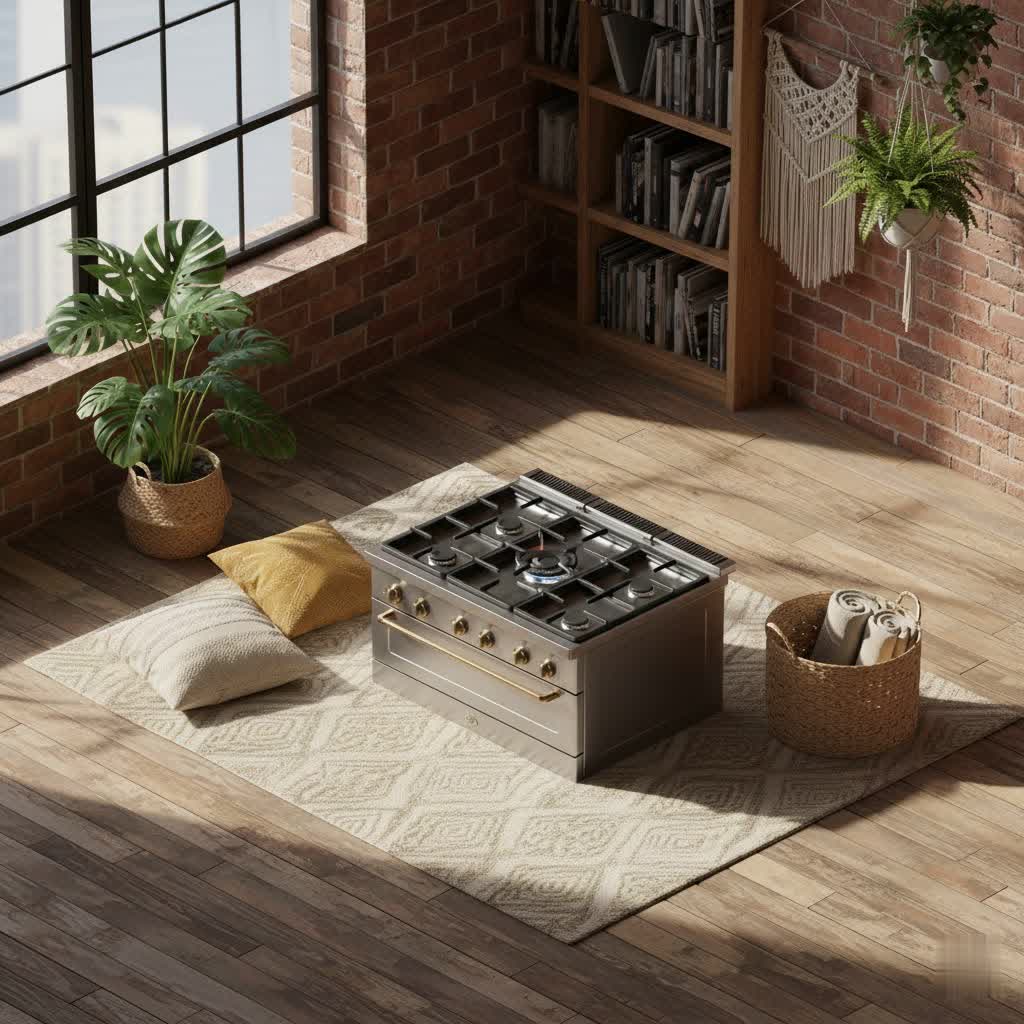
What is an Outdoor Gas Burner Stove? Structure and Operating Principles
An outdoor gas burner stove is a portable cooking appliance designed for use outside, offering a convenient and efficient way to prepare food away from your indoor kitchen. These stoves typically utilize propane or butane gas as fuel, though some specialized units may use natural gas or even wood. They are engineered to be robust and perform reliably in various outdoor environments, from campsites and tailgates to backyard patios.
At its core, an outdoor gas burner stove consists of a few key components. The burner head is where the gas is expelled and ignited, creating the flame. A gas inlet connects to a fuel source, such as a portable propane canister or a larger propane tank. Control knobs allow you to adjust the gas flow and, consequently, the heat intensity. Many modern stoves include an ignition system, which can be manual (requiring a match or lighter), piezo (a push-button spark), or electronic for quick and easy start-up. The stove body or frame provides structural support and often includes pot supports or grates to hold your cookware securely over the flame. Some models also integrate windscreens to protect the flame from gusts, improving efficiency.
The operating principle is straightforward: gas flows from the fuel source through a regulator, which controls the pressure, to the burner head. There, it mixes with air and is ignited by the chosen ignition method. This controlled combustion produces a flame that generates heat, allowing you to cook a wide array of dishes, from a simple pot of coffee to a multi-course feast.
Types of Outdoor Gas Burner Stoves: Pros and Cons
Outdoor gas burner stoves come in various designs, each suited for different applications and cooking styles. Understanding their classifications, along with their advantages and disadvantages, is crucial for making an informed choice.
Portable/Tabletop Gas Stoves
These are compact and often lightweight units designed to sit on a table or flat surface. They are highly favored for their ease of transport and minimal setup.
-
Pros:
- Lightweight and Compact: Ideal for car camping, picnics, RVs, and situations where space is limited.
- Easy to Transport and Store: Many fold down into a briefcase-style case with handles, making them incredibly portable.
- Good for Small Groups: Typically feature one or two burners, perfect for preparing meals for a few people or simple one-pot dishes.
- Integrated Wind Protection: Many models come with built-in windscreens that effectively shield the flame.
-
Cons:
- Limited Cooking Surface: May not accommodate very large pots or multiple oversized pans simultaneously.
- Power Output: While sufficient for most camping tasks, some might have lower BTU ratings compared to heavy-duty models.
- Reliance on a Surface: Requires a stable table or countertop for operation.
|
Our Picks for the Best Gas Stove in 2026
As an Amazon Associate I earn from qualifying purchases.
|
||
| Num | Product | Action |
|---|---|---|
| 1 | Kenmore 5.6 cu. ft. Front Control Gas Range Oven with 5 Cooktop Burners - True Convection, Air Fry, Turbo Boil, Self Clean, Dishwasher Safe Grates, Three Chrome Racks, LP Kit - Stainless Steel |

|
| 2 | VEVOR 36 inch Gas Cooktop 5 Burners Gas Stove Top, Max 38300BTU Built-in Stainless Steel Stove Top LPG/NG Convertible Dual Fuel Cooktop Stoves with SABAF Dual-Ring Burner for Kitchen Apartment Rvs |
|
| 3 | Vivicreate High Pressure Propane Gas Regulator 20 PSIG Outdoor Camping BBQ Grill Stove Burner Estufas de Gas para Cocinar Afuera Es gas propano |
|
| 4 | Empava 30 in. Gas Stove Cooktop 5 Italy Sabaf Sealed Burners NG/LPG Convertible in Black Tempered Glass |
|
| 5 | Avanti Gas Range Oven, Compact Freestanding Design, 4 Sealed Burners with Electronic Ignition, 2.1 Cu.Ft. Capacity Features Storage Drawer Broiler and Accessories, 20-Inch, Black |
|
| 6 | Gas One GS-3400P Propane or Butane Stove Dual Fuel Stove Portable Camping Stove - Patented - with Carrying Case Great for Emergency Preparedness Kit |
|
| 7 | Avanti Gas Range Oven, Compact Freestanding Design, 4 Sealed Burners with Electronic Ignition, 2.1 Cu.Ft. Capacity Features Framed Glass Door Storage Drawer Broiler and Accessories, 20-Inch, White |
|
| 8 | Coleman Triton 2-Burner Propane Stove, Portable Camping Cooktop with 2 Adjustable Burners & Wind Guards, 22,000 BTUs of Power for Camping, Tailgating, Grilling, BBQ, & More |
|
| 9 | GasOne High Pressure Single Propane Burner - Outdoor Cooking with Heat Shield and Guard – Propane Burner Head for Camping, Tailgating, Seafood Boil, Home Brewing - Patent Pending |
|
| 10 | Gas One Propane Double Burner Two Burner Camp Stove with Windscreen Outdoor High Pressure Propane 2 Burner Adjustable PSI Regulator and 4ft Steel Braided Hose With Removable Legs |
|
Freestanding/Heavy-Duty Burners
Designed for robust cooking tasks, these stoves typically come with their own sturdy legs, allowing them to stand independently. They are often built for high heat output and larger capacities.
-
Pros:
- High BTU Output: Capable of generating intense heat, making them perfect for large-batch cooking, deep-frying turkeys, or boiling seafood. Some models can exceed 100,000 BTUs per burner.
- Stability for Large Pots: Their heavy-duty construction and wide bases provide excellent stability for very large pots, kettles, or fryers.
- Accommodates Large Groups: Often features multiple powerful burners, allowing for complex meals for bigger gatherings.
- Versatile: Can be used for various specialized cooking, such as home brewing or canning.
-
Cons:
- Heavy and Bulky: Less portable due to their size and weight, making them more suitable for backyard use, tailgating, or semi-permanent setups.
- Requires More Storage Space: Their larger footprint means they need more room for transport and storage.
- Less Wind Resistance (sometimes): While some have good windscreens, the open design of many high-BTU burners can make them susceptible to strong winds compared to compact tabletop models.
Single vs. Multi-Burner Stoves
Beyond tabletop and freestanding, the number of burners is a primary differentiator:
- Single Burner: Simplistic, ultra-portable, best for minimalist cooking, boiling water, or single-dish meals. Ideal for solo campers or as an auxiliary burner.
- Multi-Burner (2-3+): Offers the flexibility of cooking multiple dishes at different temperatures simultaneously. Essential for group camping or more elaborate outdoor culinary endeavors.
Comparing Popular Outdoor Gas Burner Stove Brands
The market for outdoor gas burner stoves is diverse, with several reputable brands offering a range of products to suit every need. Here’s a look at some of the popular names and what they’re known for:
-
Camp Chef: Renowned for their powerful, durable, and often freestanding stoves, Camp Chef excels in providing robust solutions for large groups and diverse outdoor cooking. Models like the Everest 2X and Mountaineer 2X are celebrated for their impressive BTU output, excellent wind resistance, and precise simmer control, making them ideal for everything from quick boils to gourmet camp meals. Many Camp Chef stoves are designed for heavy-duty use and offer modular accessories like griddles and grill boxes.
-
Coleman: A classic name in outdoor gear, Coleman offers reliable and often budget-friendly camping stoves. Their traditional two-burner designs, like the Cascade Classic, are praised for their ease of use, simple cleaning, and overall quality. Coleman’s Cascade 3-in-1 provides added versatility with integrated grill and griddle attachments, appealing to those who desire multi-functional cooking systems. While generally dependable, some older or entry-level models might have less advanced wind protection or ignition systems.
-
Gas ONE: Specializing in portable and affordable solutions, Gas ONE is a popular choice for single-burner stoves. The Gas ONE GS-3400P, for instance, is noted for its lightweight design, dual-fuel compatibility (propane and butane), and auto-igniter, making it highly convenient for beginners or those needing a compact, portable option. While excellent for one-pot meals and basic cooking, their single-burner design and sometimes less robust wind guards might limit versatility for larger groups or very windy conditions.
-
King Kooker & Creole Feast: These brands are often associated with specialized high-BTU burners, particularly for large-scale cooking such as boiling crawfish, seafood, or frying turkeys. Their products typically feature sturdy steel or cast-iron construction, designed to safely support and rapidly heat enormous pots. They prioritize raw power and stability for specific culinary tasks over extreme portability or fine simmer control.
-
Outopee: This brand frequently appears with models offering flexible burner configurations (2 or 3 burners), often featuring detachable legs and windscreens. Outopee stoves are often highlighted for their suitability for tailgating, backyard cookouts, and general outdoor boiling tasks, providing individual heat control for each burner.
Detailed Comparison Table of Outdoor Gas Burner Stove Features
Choosing the right outdoor gas burner stove involves weighing various features against your specific needs. Here’s a general comparison of common characteristics found in popular models:
| Feature | Portable/Tabletop Stoves | Freestanding/Heavy-Duty Burners |
|---|---|---|
| Number of Burners | 1-2 (occasionally 3) | 1-3 |
| BTU Range (per burner) | 8,000 – 20,000 BTU | 30,000 – 100,000+ BTU |
| Fuel Type | Propane (16 oz canisters), Butane (smaller cans), Dual-Fuel | Propane (20 lb tanks), Natural Gas (rare) |
| Ignition Type | Manual, Piezo, Electronic | Manual, Electronic |
| Material | Steel, Aluminized Steel, Stainless Steel | Cast Iron, Steel, Stainless Steel |
| Portability | High (lightweight, compact, foldable) | Low to Medium (heavy, bulky, detachable legs) |
| Wind Protection | Often integrated windscreens (3-sided) | Variable; some have windscreens, others more open |
| Simmering Ability | Good to Excellent (precision control) | Variable; some excel, others focused on high heat |
| Ideal Use | Car camping, picnics, small family meals, short trips | Large group cooking, deep frying, seafood boils, home brewing, tailgating |
| Typical Price Range | $30 – $200 | $150 – $500+ |
Guide to Choosing the Right Outdoor Gas Burner Stove
Selecting your ideal outdoor gas burner stove requires careful consideration of your typical outdoor cooking scenarios, group size, and personal preferences.
Determine Your Usage Needs
Start by evaluating how you plan to use your stove:
- Group Size and Cooking Volume: Are you cooking for just yourself or a small family (1-2 people), or do you need to feed a large group (4+ people)? A single-burner portable stove is perfect for solo adventures or minimalist meals. For larger families or groups, a two- or three-burner tabletop or a high-output freestanding burner offers the necessary capacity.
- Type of Cooking: What kind of meals will you prepare? For simply boiling water for coffee or dehydrated meals, a basic, lower BTU stove is fine. If you envision elaborate dishes requiring simmering or multiple pots, look for models with precise flame control and multiple burners. For specialty cooking like deep-frying a turkey or boiling a pot of crawfish, a dedicated high-BTU freestanding burner is essential.
- Location and Portability: Will you be car camping, tailgating, hosting backyard parties, or setting up a long-term outdoor kitchen? Car campers and picnickers will appreciate lightweight, compact tabletop models. For backyard use or events where transport is less of a concern, a heavier, more powerful freestanding stove might be ideal.
Consider Key Features
Once your needs are clear, focus on these important features:
- BTU Output: British Thermal Units (BTUs) indicate a stove’s heat output. For basic tasks like boiling and light frying, 8,000-12,000 BTUs per burner is usually sufficient. High-demand cooking, such as large-pot boiling or deep frying, requires 30,000 BTUs or much more. Remember that a higher BTU doesn’t always mean faster cooking; efficient design and wind protection also play significant roles.
- Fuel Type:
- Propane: The most common and widely available fuel for outdoor gas stoves. Small 16 oz canisters are convenient for portability, while larger 20 lb refillable tanks are more economical for extended use.
- Butane: Often used in smaller, very portable single-burner stoves. Butane canisters are typically smaller and lighter but perform poorly in colder temperatures.
- Dual-Fuel: Some stoves can use both propane and butane, offering excellent versatility.
- Ignition Type:
- Manual: Requires a match or lighter, simple and reliable but less convenient.
- Piezo: A push-button igniter that creates a spark. Generally reliable, but can sometimes fail in extreme conditions or with wear.
- Electronic: Battery-powered ignition, often the most consistent and convenient.
- Material and Durability: Look for robust materials like cast iron, stainless steel, or heavy-gauge steel for long-lasting performance. These materials offer better heat retention and withstand outdoor elements.
- Portability & Packed Size: If you need to carry your stove far or have limited storage, check its weight and dimensions when packed. Features like detachable legs and integrated carrying cases enhance portability.
- Wind Protection: Integrated windscreens are critical for maintaining flame stability and cooking efficiency in breezy conditions. Broad, three-sided windscreens are generally more effective than small, L-shaped guards.
- Simmer Control: For precise cooking, adjustable knobs that allow for a wide range of heat settings, including a very low simmer, are invaluable. This is crucial for delicate sauces, pancakes, or keeping food warm without burning.
- Safety Features: While less common on basic models, features like automatic gas shut-off systems and robust, stable designs contribute to a safer cooking experience.
Tips for Safe and Effective Outdoor Gas Burner Stove Use and Maintenance
Safety and proper maintenance are paramount for enjoying your outdoor gas burner stove for years to come.
Safe Usage Tips
- Choose a Stable, Ventilated Location: Always set up your stove on a firm, level, non-flammable surface, away from tents, trees, or any combustible materials. Ensure ample ventilation to prevent the dangerous buildup of carbon monoxide (CO), an odorless, colorless, and deadly gas. Never use a gas stove inside a tent, RV, or any enclosed space.
- Proper Gas Connection: When connecting the gas canister or tank, ensure all connections are hand-tight and secure. Do not overtighten, as this can damage seals.
- Check for Leaks: Before lighting, always check for gas leaks. A simple method is to spray soapy water on the connections. If bubbles appear, you have a leak. Tighten the connection or replace faulty parts immediately.
- Appropriate Cookware: Use cookware that is sized correctly for your burner. The flame should not extend beyond the bottom of the pot or pan. Keep handles tucked to the side to prevent accidental knocking.
- Manage the Flame: Adjust the control knob to achieve the desired heat. Keep an eye on the flame, especially in windy conditions.
- Stay Attentive: Never leave a lit stove unattended. Keep children and pets at a safe distance from the stove during operation and while it’s still hot.
- Post-Use Protocol: Immediately after cooking, turn off both the burner control knob and the gas supply valve on the fuel tank or canister. Allow the stove to cool completely before disassembling or storing. Remove the gas canister when not in use.
“Never cook inside your tent. Tents are highly flammable, and it also poses a serious risk of carbon monoxide exposure, which is deadly.”
Maintenance and Care
- Regular Cleaning: Clean your stove after each use. Remove grates and wipe down burner surfaces and drip pans to prevent grease and food residue buildup, which can affect performance and hygiene. Many models feature removable drip pans for easier cleaning.
- Inspect Components: Periodically inspect gas hoses, regulators, and connections for any signs of wear, cracks, or damage. Replace any compromised parts immediately.
- Proper Storage: When not in use, store your outdoor gas burner stove in a dry, protected area. Using a protective case or cover can shield it from dust and elements, extending its lifespan. Store gas cylinders upright in a well-ventilated area, away from direct sunlight or extreme temperatures.
Common Outdoor Gas Burner Stove Issues and Troubleshooting
Even with proper care, you might occasionally encounter issues with your outdoor gas burner stove. Here are some common problems and their solutions:
- Stove Won’t Light:
- Cause: Empty fuel canister/tank, clogged burner orifice, faulty igniter (piezo/electronic), loose gas connection.
- Fix: Check fuel level and replace if empty. Clean any debris from the burner holes. If using a manual igniter, ensure your lighter/match is working. For piezo or electronic igniters, check the battery (if applicable) or try a manual ignition. Ensure all gas connections are secure.
- Flame is Weak or Uneven:
- Cause: Low fuel pressure (canister nearly empty or cold), partially clogged burner holes, or a bent grate interfering with airflow.
- Fix: Replace the fuel canister or allow it to warm up if cold. Clean the burner holes. Ensure the stove is on a level surface and the grate is properly seated.
- Smell of Gas (Leak):
- Cause: Loose connection, damaged gas hose, or faulty regulator.
- Fix: This is a serious issue. Immediately turn off the gas supply at the source and ventilate the area. Use the soapy water test to locate the leak. Tighten any loose connections. If the hose or regulator is damaged, it must be replaced by an authorized dealer. Never use a stove with a known gas leak.
Outdoor Gas Burner Stoves and Safety: Key Considerations
The convenience of outdoor gas burner stoves comes with responsibilities, especially regarding safety. Understanding potential risks and taking preventive measures is vital.
- Fire and Explosion Hazards: The primary risk is fire or explosion due to gas leaks, improper handling of fuel, or placing flammable materials too close to the hot stove. Overheating fuel canisters (e.g., by enclosing them completely with a windscreen) can also lead to dangerous pressure buildup.
- Carbon Monoxide (CO) Poisoning: As discussed, burning gas produces carbon monoxide. In poorly ventilated or enclosed spaces like tents, CO can accumulate rapidly, leading to severe illness or death, as it displaces oxygen and is undetectable by smell.
- Burn Injuries: Hot surfaces and flames pose a risk of burns. Accidentally knocking over a hot pot or touching a hot burner can cause serious injury.
Prevention is Key
- Always Use Outdoors: Strictly adhere to using your gas stove only in open, well-ventilated outdoor areas.
- Regular Inspections: Make it a habit to inspect your stove, hoses, and fuel connections for damage before each use.
- Keep Flammables Away: Maintain a clear zone around the stove, free from tents, clothing, dry leaves, and any other combustible items.
- Safe Fuel Handling: Always connect and disconnect fuel canisters/tanks in a safe, well-ventilated area. Store them upright and away from heat sources.
- Emergency Preparedness: Have a small fire extinguisher or a bucket of water readily available when operating your stove. Know how to shut off the gas supply quickly.
- Children and Pets: Keep them at a safe distance from the cooking area.
Handling Emergencies
In case of a gas leak or fire:
- Turn off the gas immediately at the source (tank/canister valve).
- Move away from the stove and alert others.
- Ventilate the area if indoors (though stoves should only be used outdoors).
- If a fire occurs, use your extinguisher or water (if it’s a small fire and safe to do so) to put it out.
- For persistent leaks or large fires, evacuate the area and call emergency services.
Where to Buy Outdoor Gas Burner Stoves
Finding your perfect outdoor gas burner stove is easier than ever, with many reputable retailers offering a wide selection.
- Brick-and-Mortar Stores:
- Home Improvement Stores: Retailers like Lowe’s and Home Depot carry a variety of outdoor burners and camping stoves, especially heavier-duty models for backyard use.
- Outdoor and Sporting Goods Stores: Stores like REI, Bass Pro Shops, and Academy Sports + Outdoors are excellent for camping-specific stoves and accessories, often with knowledgeable staff to assist you.
- Online Retailers:
- Major E-commerce Sites: Amazon offers an extensive range of brands and models, often with competitive pricing and customer reviews.
- Manufacturer Websites: Brands like Camp Chef, Coleman, and Gas ONE sell directly from their websites, sometimes offering exclusive deals or models.
- Specialty Retailers: Websites like Webstaurant Store cater to commercial-grade cooking equipment, including high-BTU outdoor burners suitable for events or large-scale personal use.
When buying online, always verify the seller’s reputation, carefully read product descriptions and customer reviews, and understand the return policy. Comparing prices across different platforms can also help you find the best deal.
Reference Price Table for Outdoor Gas Burner Stoves (Latest Update)
Prices for outdoor gas burner stoves can vary significantly based on brand, BTU output, number of burners, materials, and included features. Here’s a general reference for current market pricing:
| Stove Type | Estimated Price Range | Key Characteristics |
|---|---|---|
| Single Burner Portable/Butane | $30 – $80 | Very compact, lightweight, basic cooking for 1-2 people. |
| Two Burner Tabletop (Propane) | $80 – $250 | Good for small families, car camping, decent versatility. |
| Heavy-Duty Single Burner | $100 – $300 | High BTU, sturdy, ideal for large pots, deep frying, boiling. |
| Heavy-Duty Multi-Burner | $200 – $500+ | Freestanding, very high BTU, for large groups/specialty cooking. |
| Multi-Purpose Systems (Grill/Griddle) | $200 – $450 | Offers versatile cooking options, often with cast iron components. |
*Prices are approximate and subject to change based on sales, new models, and retailer.
Conclusion: Smart Choices for Your Outdoor Culinary Journey
An outdoor gas burner stove is an indispensable tool for anyone who loves to cook outside, transforming any open space into a functional kitchen. Whether you’re simmering a delicate sauce for a picnic or boiling a massive pot of seafood for a family reunion, the right stove makes all the difference. By understanding the various types, assessing your specific cooking needs, and prioritizing essential features like BTU output, portability, and crucial safety elements, you can confidently choose a model that will serve you well for many adventures to come. Remember, a well-chosen and properly maintained outdoor gas burner stove not only expands your culinary horizons but also ensures a safe and enjoyable experience every time you fire it up.
What will be the first delicious meal you create on your new outdoor gas burner stove?
Frequently Asked Questions
Are outdoor gas burner stoves safe to use?
Yes, outdoor gas burner stoves are safe when used correctly and according to manufacturer guidelines. Always ensure proper ventilation, check for gas leaks before use, and keep flammable materials away from the stove. Never operate them inside tents or enclosed spaces due to the risk of carbon monoxide poisoning.
What type of fuel do outdoor gas stoves typically use?
Most outdoor gas stoves primarily use propane, available in small 16 oz canisters for portability or larger 20 lb refillable tanks for extended use. Some compact models also use butane, and a few versatile stoves are dual-fuel compatible, working with both propane and butane.
Can I use an outdoor gas stove in cold weather?
Propane generally performs well in cold weather, but butane struggles significantly as temperatures drop, leading to reduced flame output. If you plan to cook in chilly conditions, opt for a propane-fueled stove or ensure your butane canisters are kept warm.
How many BTUs do I need for an outdoor gas stove?
The ideal BTU (British Thermal Unit) output depends on your cooking needs. For basic camping meals or boiling water, 8,000-12,000 BTUs per burner is usually sufficient. For large-batch cooking, deep frying, or rapidly boiling large quantities, look for stoves with 30,000 BTUs or more per burner.
How do I clean my outdoor gas burner stove?
Regular cleaning is vital for optimal performance and hygiene. After each use, allow the stove to cool completely, then remove grates and wipe down burner surfaces and drip pans to eliminate grease and food residue. Many models feature removable drip pans that simplify internal cleaning, making maintenance quick and easy.
