Stepping into the great outdoors for a camping trip often means trading some comforts of home for the serenity of nature. Yet, a hot meal or a steaming cup of coffee doesn’t have to be one of them. For many adventurers, a reliable gas camping stove is an indispensable piece of gear, transforming raw ingredients into delicious sustenance under the open sky. However, with an array of models, features, and fuel types available, choosing the perfect gas camping stove can feel overwhelming. This comprehensive guide will illuminate the path, helping you select a stove that meets your specific needs, ensuring safe, efficient, and enjoyable outdoor cooking experiences.
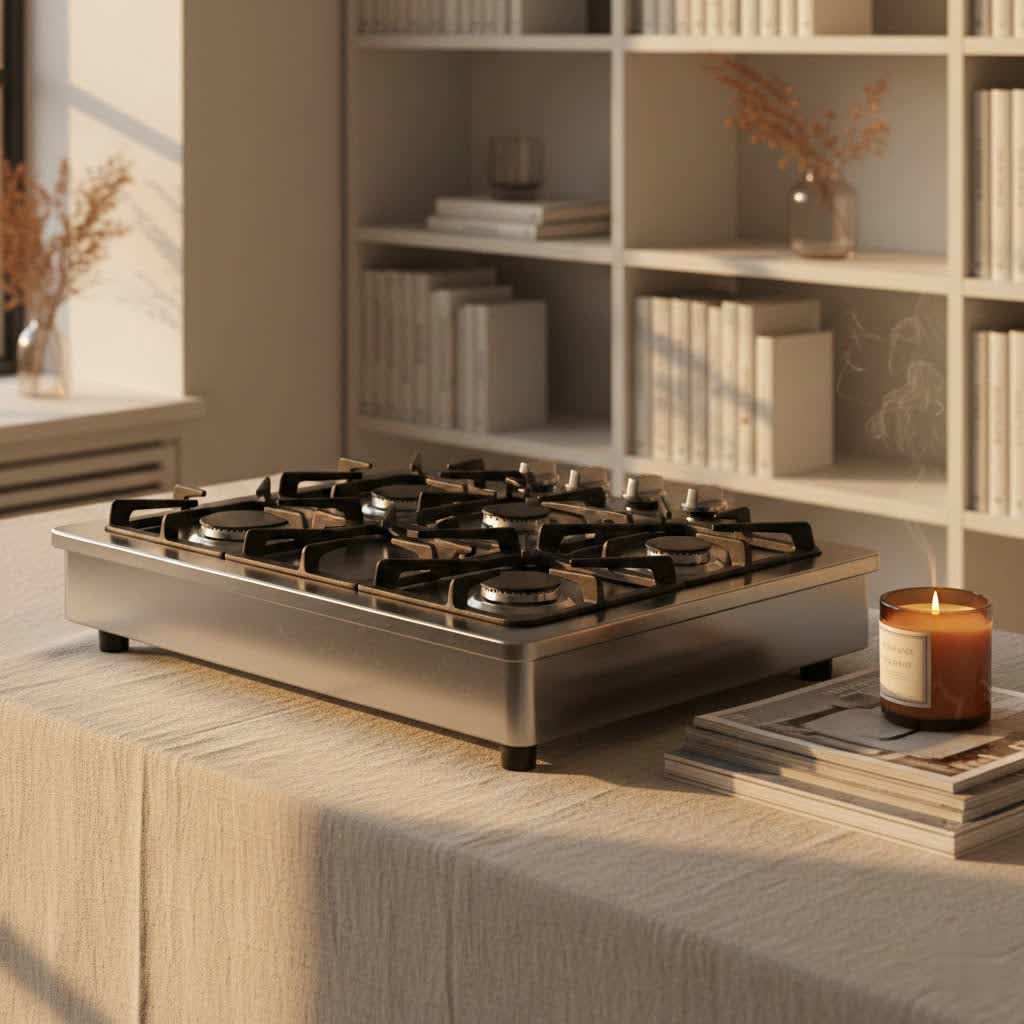
Gas Camping Stoves: An Overview and Detailed Buying Guide
Gas camping stoves are purpose-built portable cooking devices designed to bring the convenience of kitchen cooking to your campsite. They operate by burning pressurized gas fuel, producing a controlled flame for heating, boiling, and simmering meals. From a quick morning brew to an elaborate dinner for a group, these stoves are engineered for efficiency and portability in various outdoor settings.
What is a Gas Camping Stove? Structure and Operating Principle
At its core, a gas camping stove is a portable appliance that converts liquefied petroleum gas (LPG) into a usable flame. The most common fuels are blends of propane, butane, or isobutane, stored in canisters or refillable tanks.
A typical gas camping stove consists of several key components:
- Burner: The heart of the stove where the gas is ignited and combustion occurs, producing the flame. Stoves can have a single burner for minimalist setups or multiple burners for cooking larger meals.
- Pot Support: A stable platform, usually made of metal, that holds your cookware above the flame. These can be integrated into the burner unit or fold out from the stove body.
- Ignition System: Most modern gas camping stoves feature a piezoelectric (push-button) igniter for quick and matchless lighting. Some simpler models may require a manual ignition source like a lighter or match.
- Fuel Connection: This is where the gas canister or tank attaches to the stove. Connections vary, including threaded valves for canister stoves and hoses with regulators for larger multi-burner units.
- Control Valve: A knob or lever that allows you to regulate the gas flow to the burner, thereby controlling the flame size and heat output.
|
Our Picks for the Best Gas Stove in 2026
As an Amazon Associate I earn from qualifying purchases.
|
||
| Num | Product | Action |
|---|---|---|
| 1 | Gas One GS-3400P Propane or Butane Stove Dual Fuel Stove Portable Camping Stove - Patented - with Carrying Case Great for Emergency Preparedness Kit |

|
| 2 | Vivicreate High Pressure Propane Gas Regulator 20 PSIG Outdoor Camping BBQ Grill Stove Burner Estufas de Gas para Cocinar Afuera Es gas propano |
|
| 3 | Avanti Gas Range Oven, Compact Freestanding Design, 4 Sealed Burners with Electronic Ignition, 2.1 Cu.Ft. Capacity Features Framed Glass Door Storage Drawer Broiler and Accessories, 20-Inch, White |
|
| 4 | Coleman Triton 2-Burner Propane Stove, Portable Camping Cooktop with 2 Adjustable Burners & Wind Guards, 22,000 BTUs of Power for Camping, Tailgating, Grilling, BBQ, & More |
|
| 5 | Gas One Propane Double Burner Two Burner Camp Stove with Windscreen Outdoor High Pressure Propane 2 Burner Adjustable PSI Regulator and 4ft Steel Braided Hose With Removable Legs |
|
| 6 | Avanti Gas Range Oven, Compact Freestanding Design, 4 Sealed Burners with Electronic Ignition, 2.1 Cu.Ft. Capacity Features Storage Drawer Broiler and Accessories, 20-Inch, Black |
|
| 7 | VEVOR 36 inch Gas Cooktop 5 Burners Gas Stove Top, Max 38300BTU Built-in Stainless Steel Stove Top LPG/NG Convertible Dual Fuel Cooktop Stoves with SABAF Dual-Ring Burner for Kitchen Apartment Rvs |
|
| 8 | GasOne High Pressure Single Propane Burner - Outdoor Cooking with Heat Shield and Guard – Propane Burner Head for Camping, Tailgating, Seafood Boil, Home Brewing - Patent Pending |
|
| 9 | Kenmore 5.6 cu. ft. Front Control Gas Range Oven with 5 Cooktop Burners - True Convection, Air Fry, Turbo Boil, Self Clean, Dishwasher Safe Grates, Three Chrome Racks, LP Kit - Stainless Steel |
|
| 10 | Empava 30 in. Gas Stove Cooktop 5 Italy Sabaf Sealed Burners NG/LPG Convertible in Black Tempered Glass |
|
The operating principle is straightforward: once the fuel canister is securely connected, opening the control valve releases gas. This gas travels to the burner where it mixes with air. When ignited, the mixture combusts, creating a hot, adjustable flame for cooking.
Types of Gas Camping Stoves: Pros and Cons
Gas camping stoves come in several primary configurations, each with distinct advantages and disadvantages tailored to different camping styles. Understanding these differences is crucial for making an informed choice.
Canister Stoves (Direct Mount)
These are arguably the most popular type for backpackers and solo campers due to their compact size and lightweight design. The stove unit directly screws onto the top of a self-sealing gas canister.
- Pros:
- Lightweight and Compact: Excellent for backpacking where every ounce counts.
- Simple to Use: Easy setup, quick ignition, and straightforward flame control.
- Affordable: Generally lower upfront cost compared to other types.
- Boil Water Quickly: Many models are designed for rapid boil times.
- Cons:
- Less Stable: The tall, narrow profile with a canister underneath can be prone to tipping, especially with larger pots.
- Reduced Performance in Cold/High Altitude: Butane-heavy canisters lose pressure and efficiency in colder temperatures.
- Waste Generation: Empty canisters contribute to waste; some are not easily recyclable.
- Limited Wind Resistance: Often lack integrated windscreens, impacting efficiency in breezy conditions.
Remote Canister Stoves
These stoves connect to the gas canister via a flexible hose, allowing the canister to sit remotely from the burner.
- Pros:
- Increased Stability: The stove sits low to the ground, providing a wider, more stable base for cooking, especially with larger pots.
- Improved Cold-Weather Performance: The remote canister can often be inverted (if designed for it), allowing liquid fuel to be drawn directly, which vaporizes at the burner, maintaining pressure in cold conditions.
- Better Wind Protection: The separated design often allows for the use of windscreens around the burner without enclosing the fuel canister, which can be dangerous.
- Cons:
- Slightly Heavier and Bulkier: The hose and additional components add weight and take up more space.
- More Complex Setup: Requires connecting the hose, which adds a small step to deployment.
Multi-Burner (Tabletop) Stoves
Designed primarily for car camping, family trips, or basecamp setups, these larger stoves typically feature two or more burners and often run on larger propane tanks.
- Pros:
- Versatility: Allows for cooking multiple dishes simultaneously, much like a home kitchen.
- High Power Output: Often boast higher BTUs per burner for faster cooking and larger quantities.
- Excellent Stability: Built with sturdy frames, often including windscreens.
- Refillable Fuel Tanks: Use larger, refillable propane cylinders (e.g., 20 lb tanks), reducing waste and per-use cost.
- Cons:
- Not Portable for Backpacking: Heavy and bulky, making them unsuitable for carrying long distances.
- Higher Initial Cost: Generally more expensive than single-burner options.
- Requires More Space: Both for transport and setup at the campsite.
Comparing Popular Gas Camping Stove Brands
The market for gas camping stoves is robust, with several brands consistently earning high marks for quality, durability, and innovation. While specific model features vary, here’s a general overview of some leading names:
- Camp Chef: Renowned for powerful multi-burner stoves, often favored by car campers and large groups for their robust construction and high BTU output. Models like the Everest 2X are highly rated for fast boiling and excellent simmering control.
- Coleman: A classic in the camping world, Coleman offers a range of reliable and affordable stoves, from compact single burners to traditional two-burner propane models. They are known for their durability and widespread availability, making them a go-to for many casual campers.
- MSR (Mountain Safety Research): Popular among backpackers for their lightweight and efficient canister and remote canister stoves, such as the PocketRocket series. MSR focuses on high performance in various conditions, including higher altitudes and colder temperatures.
- Primus: A Swedish brand known for its innovative designs and high-quality construction. Primus offers a variety of stoves, from ultra-light backpacking models to more robust two-burner systems, often praised for their precision flame control and aesthetic appeal.
- Jetboil: Specializes in integrated cooking systems that combine a burner and a cooking pot into one efficient unit, primarily designed for boiling water quickly. These are excellent for rehydrating meals or making hot drinks, especially for solo or minimalist campers.
- Snow Peak: Offers premium, aesthetically pleasing, and highly functional gas stoves, often with a focus on modularity and elegant design. Their products are typically higher-priced but deliver exceptional quality and user experience.
Detailed Comparison of Best-Selling Gas Camping Stove Models
Rather than a rigid table, let’s highlight some popular models and what makes them stand out, based on common characteristics that campers seek:
- Camp Chef Everest 2X: Often cited as a top performer for car camping, this two-burner stove offers significant power (20,000 BTUs per burner) and excellent wind resistance with its integrated three-sided windscreen. It’s praised for quick boil times and good simmer control, suitable for cooking diverse meals for families or groups.
- Coleman Classic Propane Stove: A budget-friendly and widely available two-burner option, this stove is a staple for many campers. It provides reliable performance with 10,000 BTUs per burner, decent wind protection, and a sturdy design, making it a solid choice for general car camping needs.
- MSR PocketRocket Deluxe: For backpackers, this compact and lightweight canister stove is a favorite. It boasts a push-button igniter, pressure regulator for consistent performance in cold, and a wide burner head for even heat distribution. It’s designed for efficiency and minimal pack space.
- Primus Kinjia: A more compact and stylish two-burner option, the Kinjia is lauded for its elegant design, precise flame control, and robust build. It offers excellent performance for those who appreciate both form and function in their camp kitchen, though it comes at a higher price point.
- Jetboil Flash: While technically an integrated system, the Flash is exceptional for solo campers needing to boil water rapidly. Its efficient design means less fuel consumption and incredibly fast boil times, perfect for dehydrated meals or coffee on the go.
- Gas One GS-3000: An excellent budget single-burner butane stove, known for its portability, ease of use (often with piezo ignition), and fine simmer control. It’s ideal for individual cooking, picnics, or as a backup stove.
Each of these models caters to slightly different priorities, whether it’s raw power, ultimate portability, budget-friendliness, or refined cooking experience.
Guide to Choosing the Right Gas Camping Stove
Selecting the perfect gas camping stove requires a careful assessment of your specific needs and priorities.
-
Identify Your Usage Needs:
- Group Size and Meal Complexity: Are you cooking for just yourself, a couple, a family, or a large group? Single-burner stoves are great for 1-2 people and simple meals, while multi-burner units are essential for larger groups and more elaborate cooking.
- Camping Style: Are you backpacking where every gram counts, or car camping where weight and size are less of a concern? Backpackers prioritize lightweight canister or remote canister stoves, while car campers benefit from robust multi-burner tabletop models.
- Climate and Altitude: For cold weather or high-altitude camping, prioritize stoves with pressure regulators or remote canisters that allow for inverted fuel use (propane/isobutane blends perform better than pure butane in these conditions).
-
Consider Fuel Type:
- Propane: Readily available, performs well in cold, high heat output. Often found in larger canisters for multi-burner stoves, or smaller disposable green canisters for some single burners.
- Butane: Lighter, very affordable, but performance significantly degrades in cold weather (below 40°F/4°C). Common in small, cassette-style stoves.
- Isobutane/Propane Blends: The most common for canister stoves, offering a balance of cold-weather performance (better than butane) and portability.
- Availability: Ensure your chosen fuel type is readily available at your camping destinations.
-
Prioritize Safety Features:
- Stable Design: Look for wide pot supports and a low center of gravity to prevent tipping. Remote canister stoves often excel here.
- Flame Control: Good simmer control allows for precise cooking and prevents scorching.
- Built-in Pressure Regulators: Ensures consistent performance as fuel level drops or in cold weather.
-
Evaluate Key Features:
- BTU Output: Higher BTUs generally mean faster boil times and more intense heat, but also higher fuel consumption. 10,000-20,000 BTUs per burner is common for car camping stoves, while backpacking stoves might have lower but efficient outputs.
- Ignition Type: Piezo igniters are convenient but can sometimes fail; always carry a backup lighter or matches.
- Wind Resistance: Integrated windscreens or compatible external windscreens are vital for efficiency and faster cooking in breezy conditions.
- Durability and Materials: Stainless steel, brass, and robust plastics contribute to a longer lifespan.
-
Set Your Budget:
- Prices vary widely. Entry-level single-burner stoves can be very affordable, while high-performance multi-burner systems or specialized backpacking stoves can be significantly more expensive. Balance initial cost with long-term fuel efficiency and durability.
Tips for Safe and Efficient Gas Camping Stove Use and Maintenance
Using a gas camping stove safely and efficiently is paramount for an enjoyable trip.
Proper Setup
- Ventilation is Key: Always use your gas stove in a well-ventilated outdoor area. Never use a gas stove inside a tent, enclosed caravan, or poorly ventilated shelter due to the risk of carbon monoxide poisoning and fire.
- Stable, Non-Flammable Surface: Place the stove on a level, stable surface away from any flammable materials like dry grass, leaves, tents, or clothing. Maintain a safe distance, ideally at least 3 meters, from anything combustible.
- Secure Fuel Connection: Ensure the gas canister or tank is connected properly and securely, following the manufacturer’s instructions. Hand-tighten connections; do not overtighten.
- Keep Clear: Ensure children and pets are kept at a safe distance from the stove, especially when it is in use or still hot.
Pre-use Checks
- Inspect Hoses and O-rings: Regularly check the fuel hose for cracks or wear, and inspect rubber O-rings in fittings for any damage or perishing, as these can lead to leaks.
- Leak Test: Before lighting, apply a mixture of soapy water to all connections (cylinder, hose, stove). Turn on the gas briefly (without igniting) and look for bubbles, which indicate a leak. If you find a leak, turn off the gas immediately and tighten connections or replace faulty parts.
Operation
- Ignition: Open the gas valve slightly before attempting to ignite. For piezo igniters, press the button until the flame catches. For manual ignition, light your match or lighter first, then slowly open the gas valve.
- Flame Management: Adjust the control knob to achieve the desired flame size. Ensure the flame stays beneath the cookware and does not flare up the sides, which wastes fuel and can be dangerous.
- Never Leave Unattended: Always monitor your stove while it’s in operation.
- Turn Off Safely: When finished cooking, turn off the gas at the canister or tank first, then allow the stove to burn off any remaining gas in the line until the flame extinguishes. Finally, turn off the burner control knob. This prevents gas from being trapped under pressure in the line.
Storage and Maintenance
- Disconnect Fuel: Always disconnect gas canisters from the stove when not in use and before packing away.
- Store Correctly: Store gas canisters upright in a cool, dry, well-ventilated area, away from direct sunlight or heat sources. Never store them inside a vehicle for prolonged periods.
- Regular Cleaning: Clean your stove after each use to remove food spills and grease. A clean stove performs more efficiently and lasts longer. Removable drip trays (if present) make cleaning easier.
- Periodic Inspection: Routinely check all components for wear and tear.
Special Considerations for Mini Stoves
- Ensure adequate ventilation when using small butane cassette stoves, as they often have exposed fuel containers.
- Use only the recommended type and size of gas cartridge.
Common Gas Camping Stove Issues and Troubleshooting
Even with proper care, issues can arise. Knowing how to troubleshoot common problems can save your camping meal.
- Stove Won’t Ignite:
- Check Fuel: Is the canister empty or nearly empty? Is the fuel line connected securely?
- Igniter Issue: Is the piezo igniter clicking? If not, it might be faulty or wet. Use a manual ignition source.
- Clogged Burner: Food debris or dirt can block the burner holes. Clean thoroughly.
- Cold Canister: In cold weather, gas pressure can drop. Try warming the canister slightly (but safely, not with direct flame) or switch to a fuel better suited for cold conditions (propane/isobutane).
- Flame is Uneven or Weak:
- Low Fuel: The canister might be running low.
- Partially Clogged Burner: Clean the burner jets.
- Wind: Strong winds can disrupt the flame. Use a windscreen.
- Cold Fuel: As with ignition, cold fuel reduces pressure.
- Smell of Gas/Gas Leak:
- Immediate Action: Turn off the gas at the canister/tank immediately. Extinguish all flames and remove any ignition sources.
- Identify Source: Perform a soapy water test on all connections (cylinder, hose, stove).
- Rectify: Tighten loose connections. If a hose or O-ring is damaged, it must be replaced. If the leak is from the canister itself, carefully move it to a well-ventilated open area away from people and ignition sources, and contact the supplier. Do not use a leaky stove or canister.
Gas Camping Stoves and Safety: What You Need to Know
The convenience of a gas camping stove comes with responsibility. Understanding the inherent risks is the first step to preventing accidents.
Risks of Fire and Explosion
Improper use of gas stoves can lead to serious incidents:
- Gas Leaks: Damaged hoses, faulty seals, or loose connections can allow gas to escape, creating a highly flammable vapor cloud that can ignite explosively.
- Proximity to Flammables: Cooking too close to tents, sleeping bags, or dry vegetation poses an immediate fire hazard.
- Overheating Canisters: Exposing fuel canisters to direct heat (like a campfire) or excessive sunlight can cause them to overheat, leading to pressure buildup and potential rupture.
- Knocking Over: An unstable stove can easily be knocked over, spilling hot food and potentially spreading flames.
Carbon Monoxide Poisoning
Gas stoves produce carbon monoxide (CO), an odorless, colorless, and highly toxic gas. Cooking in an enclosed space without adequate ventilation allows CO to accumulate, leading to poisoning, which can be fatal. This is why using gas stoves inside tents or unventilated shelters is strictly prohibited.
Prevention is Key
To mitigate these risks, always adhere to these critical guidelines:
- Outdoor Use Only: Cook exclusively in open, well-ventilated outdoor areas.
- Check for Leaks: Perform a leak test before every use.
- Maintain Distance from Flammables: Keep at least 3 meters clear of tents, dry grass, and other combustible materials.
- Stable Surface: Ensure your stove is on a firm, level, non-flammable surface.
- Correct Fuel: Use only the type of fuel and canisters recommended by the stove manufacturer.
- Inspect Gear: Regularly check hoses, seals, and connections for wear.
- Children and Pets: Keep them away from the cooking area.
- Emergency Preparedness: Have a fire extinguisher, sand, or a bucket of water nearby.
Emergency Protocol
In the event of a gas leak or fire:
- Turn Off Gas: Immediately close the valve on the gas canister or tank.
- Evacuate: Move everyone away from the area to a safe distance.
- Extinguish: If it’s a small fire, attempt to extinguish it with water (for non-gas fires) or a fire extinguisher. For a gas fire, if safe to do so, turn off the gas source; otherwise, let it burn out if contained.
- Seek Help: If the situation is beyond your control, call emergency services.
Where to Buy Reliable Gas Camping Stoves
Investing in a quality gas camping stove from a reputable source is essential for both performance and safety. You can find a wide selection at:
- Specialized Outdoor Retailers: Stores like REI, MEC (in Canada), and other local outdoor gear shops often have knowledgeable staff who can offer advice, and they typically stock a range of trusted brands.
- Large Online Retailers: Websites like Amazon, Backcountry, and the official brand websites (e.g., Camp Chef, MSR) offer extensive selections, competitive pricing, and user reviews.
- Department Stores/Hypermarkets: Chains like Walmart or Target may carry entry-level and more affordable options, particularly from brands like Coleman.
When purchasing, always check for product warranties and return policies. Buying from established brands usually ensures better customer support and access to spare parts if needed.
Estimated Gas Camping Stove Pricing (Latest Update)
The price of a gas camping stove can vary significantly based on its type, brand, features, and power output. (Prices are approximate and subject to change.)
- Basic Single-Burner Canister Stoves: Expect to pay $20 – $60. These are excellent for solo use or as a backup.
- Premium Single-Burner/Remote Canister Stoves (Backpacking Focus): Prices typically range from $70 – $150. These models offer better performance, cold-weather efficiency, and durability.
- Standard Two-Burner Propane Stoves (Car Camping): These popular models usually fall between $80 – $200. They provide a good balance of features and cooking capacity for most families.
- High-End Multi-Burner/Pro-Series Stoves: For advanced car camping or large group cooking, prices can range from $200 – $400+. These offer superior power, precise control, and robust construction.
Remember to factor in the cost of fuel canisters, which can add up over time, especially for frequent users.
Conclusion: Smart Gas Camping Stove Choice for Your Adventures
A gas camping stove is more than just a cooking tool; it’s a gateway to delicious outdoor meals and a key component of a successful camping trip. By understanding the different types, considering your specific needs, prioritizing safety, and learning basic maintenance, you can choose a stove that will serve you reliably for many adventures to come. Whether you’re a minimalist backpacker or a car camping gourmand, there’s a perfect gas camping stove out there to ignite your culinary creativity under the stars.
Which type of gas camping stove will you choose to elevate your next outdoor culinary experience?
Frequently Asked Questions
Can I use a gas camping stove inside a tent?
No, it is extremely dangerous to use a gas camping stove inside a tent or any enclosed space. Gas stoves produce carbon monoxide, an odorless and colorless toxic gas, which can lead to poisoning and death. Additionally, tents are highly flammable and pose a significant fire risk when exposed to an open flame.
What fuel type is best for cold weather?
For cold weather, propane or isobutane/propane blends are generally recommended. Propane has a lower boiling point than butane, meaning it continues to vaporize and provide consistent pressure even in freezing temperatures. Stoves with built-in pressure regulators or remote canister designs that allow for inverted canister use can also enhance cold-weather performance.
How do I check for a gas leak on my camping stove?
To check for a gas leak, mix a small amount of dish soap with water to create a soapy solution. Apply this solution to all connections (where the canister meets the hose, and the hose meets the stove) with the gas valve slightly open (but not ignited). If you see bubbles forming, it indicates a gas leak. Turn off the gas immediately and tighten connections or replace faulty parts.
What’s the difference between a canister and a remote canister stove?
A canister stove (direct mount) screws directly onto the top of the gas canister, making it compact and lightweight. A remote canister stove connects to the gas canister via a hose, allowing the canister to sit separately from the burner. Remote designs often offer greater stability, better cold-weather performance (if the canister can be inverted), and safer use with windscreens.
How many BTUs do I need for a camping stove?
The ideal BTU output depends on your cooking needs. For single backpackers boiling water, lower BTU stoves are efficient. For car camping or cooking for groups, a two-burner stove with around 10,000 to 20,000 BTUs per burner is a good starting point. Higher BTUs mean faster cooking but also increased fuel consumption.
