In today’s fast-paced world, where adaptability and efficiency are key, the humble Single Burner Gas Stove has emerged as a powerhouse for countless individuals. Whether you’re an urban dweller maximizing a compact kitchen, a student in a dorm, a seasoned camper, or simply preparing for power outages, a single burner gas stove offers unparalleled convenience and targeted cooking power. This comprehensive guide will navigate you through everything you need to know, from understanding its mechanics to selecting the ideal model that perfectly suits your lifestyle and budget.
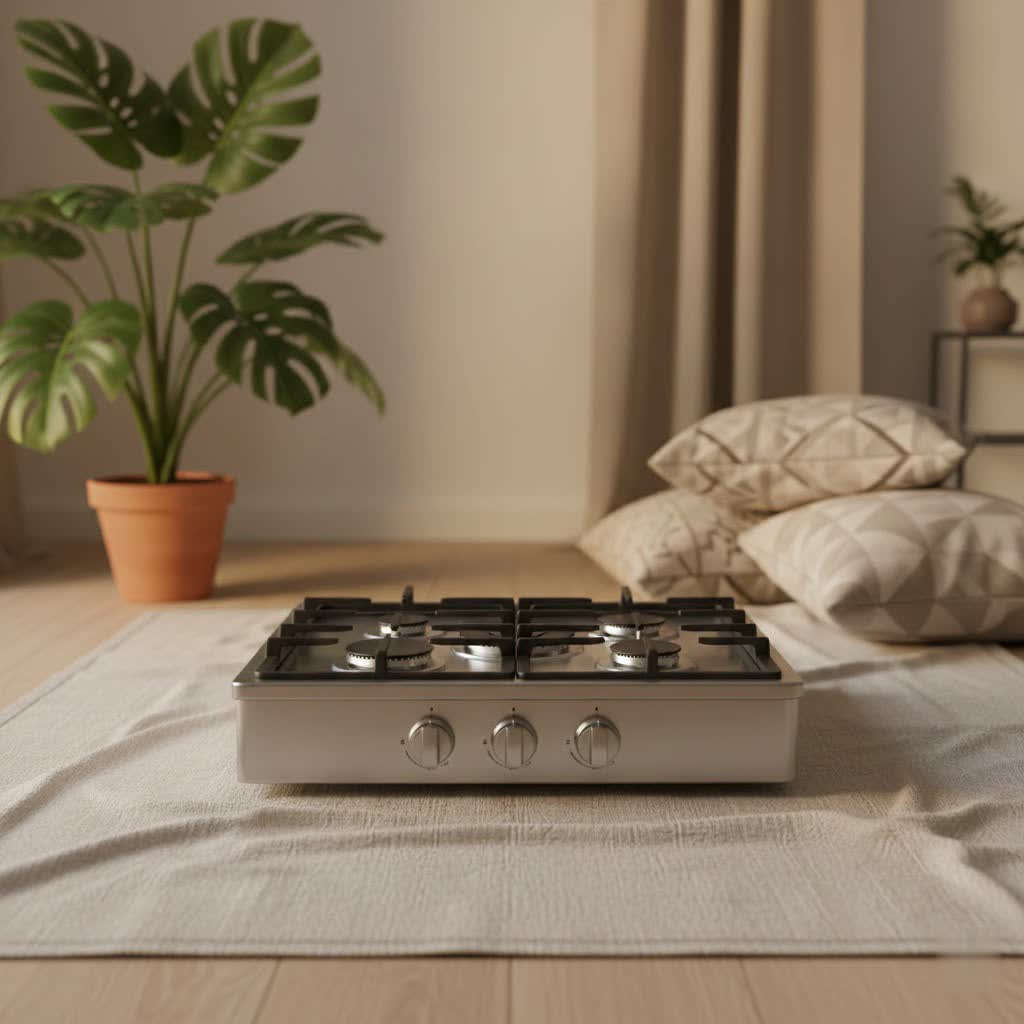
What is a Single Burner Gas Stove? Structure and Operating Principle
A single burner gas stove is a compact, self-contained cooking appliance featuring one dedicated heating element powered by a combustible gas, typically propane, butane, or in some cases, natural gas. These stoves are engineered for simplicity and efficiency, providing a focused heat source for tasks like boiling water, simmering sauces, or frying small meals where a full-sized range is impractical.
Detailed Structure:
- Burner Head: The central component where the gas is ignited and the flame is produced.
- Pot Support/Grates: A sturdy frame, often made of cast iron or steel, placed over the burner to hold pots and pans securely.
- Control Knob: Allows precise adjustment of the gas flow, and consequently, the flame intensity and heat output.
- Ignition System: Can be a manual system requiring a lighter, or a piezo ignition (push-button spark) for matchless lighting.
- Fuel Connection: An inlet for connecting the gas canister (e.g., 1-lb propane bottle, butane cartridge) or a hose for larger gas tanks.
- Body/Casing: The exterior housing that protects the internal components and provides a stable base.
Operating Principle:
The operating principle is straightforward. When the control knob is turned, gas flows from the connected canister or supply to the burner head. Simultaneously, the ignition system (either manual or piezo) creates a spark, igniting the gas. The gas burns, producing a flame that heats the cooking vessel placed on the grates. Adjusting the control knob regulates the gas flow, allowing users to control the flame size and temperature, much like a conventional gas stovetop.
Classifying Single Burner Gas Stoves: Pros and Cons
Single burner gas stoves primarily fall into two main categories based on their design and typical usage: portable models and more stationary tabletop versions. While the core function remains the same, their form factors offer distinct advantages and disadvantages.
1. Portable Single Burner Gas Stoves:
These are designed for maximum mobility and ease of transport. Often lightweight and compact, they are the go-to choice for outdoor enthusiasts.
- Pros:
- High Portability: Easily fits into backpacks or car trunks, ideal for camping, picnics, and tailgating.
- Quick Setup: Simple to connect to small gas canisters and often feature piezo ignition for instant use.
- Emergency Backup: A reliable cooking solution during power outages.
- Compact Storage: Takes up minimal space, making it perfect for small apartments or RVs.
- Cons:
- Limited Stability: Some ultra-light models might be less stable under very heavy pots.
- Fuel Dependency: Relies on specific gas canisters which may need to be carried or purchased.
2. Tabletop Single Burner Gas Stoves:
These models are generally more robust and designed to sit on a counter or table, suitable for small indoor kitchens, dorms, or as an auxiliary burner.
- Pros:
- Enhanced Stability: Typically feature wider bases and sturdier construction for better support of larger cookware.
- Better Build Quality: Often made with more durable materials like stainless steel for longevity and easier cleaning.
- Aesthetic Appeal: Can blend better into a modern kitchen environment compared to rugged camping models.
- Cons:
- Less Portable: While still movable, they are heavier and bulkier than dedicated camping stoves.
- May Require More Space: Needs dedicated counter space for operation and storage.
Comparing Popular Single Burner Gas Stove Brands
While many brands offer single burner gas stoves, key players in the market are known for their quality, durability, and specific features. While a direct comparison of all “best-selling” single burner models across all mentioned brands is challenging without specific product lists, we can outline general brand strengths.
| Feature / Brand | Rinnai (Generally) | Sunhouse (Generally) | Paloma (Generally) | Electrolux (Generally) | Coleman (Camping Focus) | Snow Peak (Premium Camping) |
|---|---|---|---|---|---|---|
| Quality | High | Good | High | Good-High | Good | Very High |
| Durability | Excellent | Good | Excellent | Good-Excellent | Good | Excellent |
| Features | Advanced safety, precise flame | Basic-Good | Auto-shutoff, robust | Modern design, ergonomic | Reliability, outdoor focus | Minimalist, high-performance |
| Price Range | Mid-High | Low-Mid | Mid-High | Mid-High | Low-Mid | High |
| Warranty | Good | Standard | Good | Standard-Good | Standard | Excellent |
| Target User | Home/Small Kitchen | Budget-conscious, basic needs | Home/Small Kitchen | Modern kitchen, occasional use | Outdoor, camping, emergency | Enthusiast, minimalist outdoor |
This table provides a general sense, but it’s crucial to note that individual single burner models from these brands will vary. For instance, brands like Coleman and Snow Peak specialize in outdoor and portable solutions, often featuring rugged designs and specific fuel compatibility for camping. Brands like Rinnai and Paloma, while known for multi-burner stoves, may offer robust tabletop single burners with domestic safety standards.
Detailed Comparison of Best-Selling Single Burner Gas Stove Models
To provide a concrete comparison, let’s consider hypothetical “best-selling” archetypes based on common features found in the market, rather than specific model numbers which can change frequently.
| Criteria | Budget Portable Model | Mid-Range All-Rounder | Premium Compact Design |
|---|---|---|---|
| Power Output | 7,000 BTU | 10,000 – 12,000 BTU | 15,000 BTU+ |
| Material | Painted steel, plastic | Stainless steel, durable plastic accents | Stainless steel, cast iron, high-grade alloys |
| Design | Basic, utilitarian, lightweight | Sturdy, integrated pot supports | Sleek, minimalist, often foldable |
| Key Features | Piezo ignition, adjustable flame | Wind shield, flame failure safety, carry case | Precise simmer control, rapid boil, robust grates, advanced safety |
| Safety | Basic flame stability | Auto shut-off, overpressure protection | Multi-stage safety, tip-over switch |
| Fuel Type | Butane cartridges | Propane (1-lb), sometimes dual-fuel | Propane, often proprietary canisters for compact designs |
| Price | $20 – $40 | $40 – $80 | $80 – $150+ |
| Best For | Occasional camping, emergency backup | Regular outdoor use, small kitchens | Serious outdoor cooking, design-conscious users, high performance |
Guide to Choosing the Right Single Burner Gas Stove
Selecting the perfect single burner gas stove involves a thoughtful assessment of your specific needs, available space, and desired features. Making an informed decision ensures you get an appliance that serves you well for years to come.
-
Determine Your Usage Needs:
- Family Size & Cooking Frequency: For solo cooking or occasional use, a basic model suffices. For more frequent or intensive tasks, consider higher BTU output.
- Typical Dishes: If you mostly boil water, almost any stove will do. For simmering delicate sauces or stir-frying, look for precise flame control and higher BTUs.
- Location:
- Camping/Outdoor: Prioritize portability, wind resistance, and fuel compatibility with common camping canisters.
- Small Kitchen/Dorm: Focus on stability, ease of cleaning, and safety features for indoor use.
- Emergency Prep: Opt for reliability, common fuel types, and durable construction.
-
Choose the Appropriate Stove Type:
- Portable Gas Stoves: Best for mobility, camping, and short-term outdoor cooking.
- Tabletop Gas Stoves: Ideal for small permanent spaces, as an auxiliary burner, or for more stable indoor cooking.
-
Prioritize Safety Features: This is paramount, especially when dealing with gas.
- Automatic Shut-off/Flame Failure Safety Device: This crucial feature automatically cuts off the gas supply if the flame unexpectedly extinguishes, preventing gas leaks.
- Overpressure Safety Valve: Releases pressure if the fuel canister becomes too hot, preventing explosions.
- Stable Base & Non-slip Feet: Essential to prevent tipping, particularly when handling hot pots.
- Wind Shields: For outdoor models, these help maintain a consistent flame and improve efficiency in windy conditions.
-
Evaluate Product Quality and Build:
- Material: Stainless steel offers durability and easy cleaning. Cast iron grates are sturdy and provide stable support.
- Construction: Check for robust joints, sturdy control knobs, and overall solid feel. A well-built stove will withstand frequent use.
- BTU Output: Ranges from 5,000 to over 15,000 BTUs. Higher BTUs mean faster heating, but for simmering, good flame control is equally important.
- Ignition Type: Piezo ignition (push-button) is convenient, while manual ignition is simpler and less prone to failure in extreme conditions.
-
Consider Fuel Compatibility:
- Most single burner gas stoves use 1-lb propane canisters or butane cartridges. Ensure the stove is compatible with readily available fuel in your region. Some premium models might use proprietary fuel.
Tips for Safe and Efficient Single Burner Gas Stove Use and Maintenance
Proper usage and regular maintenance are crucial for ensuring the longevity, efficiency, and most importantly, the safety of your single burner gas stove.
Installation:
- Ventilation is Key: Always use gas stoves in a well-ventilated area, especially indoors, to prevent carbon monoxide buildup. Never use in enclosed spaces.
- Stable Surface: Place the stove on a flat, stable, non-flammable surface, away from combustible materials like curtains or paper.
- Connect Fuel Properly: Ensure the gas canister or hose is securely attached to the stove according to the manufacturer’s instructions. Check for leaks using a soapy water solution (bubbles indicate a leak).
Usage:
- Read the Manual: Familiarize yourself with your specific model’s instructions and safety warnings.
- Never Leave Unattended: Always supervise your cooking, especially with open flames.
- Appropriate Cookware: Use pots and pans suitable for the stove’s size and weight capacity.
- Adjust Flame: Use a flame size that matches the bottom of your cookware to maximize efficiency and prevent heat loss.
Maintenance:
- Regular Cleaning: Clean the burner head, grates, and stove body after each use once the stove has cooled down. Food spills can clog burner holes and affect performance. Use a damp cloth and mild detergent.
- Inspect Gas Lines/Canisters: Periodically check the gas hose (if applicable) for cracks or wear. Ensure gas canisters are stored in a cool, dry place, away from direct sunlight or heat sources.
- Check Ignition System: If using piezo ignition, ensure it’s clean and sparking correctly. For manual ignition, always have a reliable lighter or matches on hand.
- Burner Holes: Ensure the burner holes are free of debris to allow for an even flame. Use a small brush or needle to clear any blockages gently.
Special Considerations for Mini Gas Stoves:
- Only use the correct type of butane/propane canister specified by the manufacturer.
- Avoid placing multiple mini stoves too close together as this can cause overheating.
Common Single Burner Gas Stove Issues and Troubleshooting
Even the most reliable appliances can encounter occasional issues. Here’s a look at common problems with single burner gas stoves and how to address them safely.
- Stove Not Igniting:
- Cause: Empty gas canister, loose gas connection, clogged burner holes, faulty igniter.
- Solution: Check gas level, tighten connection, clean burner holes, or try manual ignition with a lighter if the piezo igniter fails. If manual ignition works, the igniter itself may need replacement or repair.
- Uneven Flame/Weak Flame:
- Cause: Low gas pressure, partially clogged burner holes, wind interference (for outdoor models).
- Solution: Replace gas canister, thoroughly clean burner holes, or reposition the stove in a sheltered area or use a wind shield.
- Gas Leak (Smell of Gas without Flame):
- Cause: Loose connections, faulty O-rings, damaged hose (if applicable).
- Solution: IMMEDIATELY turn off the gas supply and extinguish any open flames. Open windows for ventilation. Tighten all connections. If the smell persists, remove the stove and gas canister to an outdoor, well-ventilated area and do not use it until inspected by a professional. Never attempt to find a leak with an open flame.
- Stove Overheating:
- Cause: Poor ventilation, excessive flame setting for too long, using oversized cookware that blocks airflow.
- Solution: Ensure adequate ventilation. Adjust flame to an appropriate level. Use cookware that fits the burner.
Gas Stoves and Safety: Essential Precautions
The convenience of a single burner gas stove comes with the responsibility of adhering to strict safety protocols to prevent accidents. Fire and carbon monoxide poisoning are serious risks that can be mitigated with awareness and precaution.
Risk of Fire and Explosion:
- Flammable Materials: Keep the stove away from curtains, paper, plastic containers, and other flammable objects.
- Stable Placement: A wobbly stove increases the risk of spills and tipping, potentially spreading flames.
- Overfilling Pots: Never overfill pots, especially with oil, as this can lead to boil-overs and grease fires.
- Gas Leaks: Untreated gas leaks can accumulate and lead to explosions if ignited.
Preventative Measures:
- Ventilation: Always cook in a well-ventilated area to dissipate gas fumes and prevent carbon monoxide buildup. If cooking indoors, ensure windows are open.
- Regular Inspections: Periodically check gas lines, canisters, and connections for any signs of wear, damage, or leaks. Use a soapy water solution to detect leaks (bubbles indicate a leak).
- Proper Storage: Store gas canisters in a cool, dry, well-ventilated place, away from direct sunlight or heat sources, and out of reach of children.
- Never Modify: Do not attempt to modify your gas stove or use non-compatible parts.
- Children and Pets: Keep children and pets away from the cooking area.
Emergency Procedures:
- Gas Smell: If you smell gas, immediately turn off the gas supply at the stove and the main tank (if applicable). Open all windows and doors. Do not switch on any electrical appliances, lights, or use your phone indoors, as a spark could ignite the gas. Evacuate the area and call emergency services from a safe distance.
- Small Fire: If a small fire erupts (e.g., grease fire), try to smother it with a lid or a fire blanket. DO NOT use water on a grease fire.
- Large Fire: If the fire is large or uncontrollable, evacuate everyone immediately and call the fire department from a safe location.
Where to Buy a Reliable Single Burner Gas Stove?
Finding a trustworthy vendor for your single burner gas stove is just as important as choosing the right model. Reputable retailers offer authentic products, better warranties, and reliable customer service.
Physical Stores:
- Appliance Stores: Dedicated kitchen appliance stores often carry a range of tabletop gas stoves, especially if they also sell full-sized ranges.
- Department Stores: Larger department stores with a home goods section may stock portable camping stoves or basic tabletop models.
- Outdoor & Camping Retailers: Stores specializing in outdoor gear are excellent places to find rugged, high-performance single burner camping stoves.
- Home Improvement Stores: These often carry a selection of portable and basic tabletop gas stoves.
Online Shopping:
- E-commerce Giants: Websites like Amazon, eBay, and regional equivalents offer a vast selection from various brands, often with competitive pricing and user reviews.
- Brand Websites: Purchasing directly from the manufacturer’s website can sometimes offer exclusive deals, direct warranty support, and ensure authenticity.
- Specialty Retailers Online: Many outdoor gear retailers also have robust online storefronts, providing access to their specialized range of portable gas stoves.
Tips for Online Purchases:
- Check Seller Reputation: Buy from reputable sellers with high ratings and positive feedback.
- Read Product Reviews: Pay attention to user reviews regarding durability, performance, and common issues.
- Verify Specifications: Double-check fuel type compatibility, BTU output, and dimensions against your needs.
- Understand Return Policy: Familiarize yourself with the return and warranty policies before purchasing.
- Beware of Counterfeits: Stick to known brands and official channels to avoid imitation products, especially for safety-critical items.
Estimated Single Burner Gas Stove Price Guide (Latest Update)
The price of a single burner gas stove can vary significantly based on brand, materials, features, and intended use. Here’s a general price range to help you budget.
| Type / Feature | Price Range (USD) | Key Characteristics |
|---|---|---|
| Basic Portable | $20 – $40 | Lightweight, simple construction, basic piezo ignition, ideal for occasional use. |
| Mid-Range Tabletop | $40 – $80 | More robust build, better stability, improved heat control, often with basic safety features. |
| Advanced Camping | $80 – $120 | Durable materials, wind-resistant design, high BTU output, precise flame control, enhanced portability. |
| Premium/Specialty | $120 – $150+ | High-grade stainless steel, cast iron components, advanced safety sensors, dual-fuel capability, minimalist design. |
Prices can fluctuate with sales, promotions, and new model releases. Always compare prices from different vendors to ensure you’re getting the best deal. Factor in the cost of fuel canisters, which are a recurring expense.
Conclusion: Making a Smart Choice for Your Single Burner Gas Stove
The single burner gas stove, a compact marvel of cooking efficiency, offers unparalleled flexibility for diverse cooking needs. From quick meals in a small apartment to gourmet camp cooking under the stars, its utility is undeniable. We’ve explored its mechanics, categorized its types, highlighted crucial buying considerations, and emphasized the paramount importance of safety and proper maintenance.
Remember to prioritize your specific needs—whether it’s extreme portability for the backcountry or a stable, safe option for daily use in a confined space. Focus on key features like BTU output for cooking power, reliable ignition, and robust safety mechanisms such as flame failure devices. By weighing these factors, you can confidently select a single burner gas stove that not only meets your culinary demands but also ensures peace of mind.
Ready to find your ideal cooking companion? Which feature will be your ultimate deciding factor?
Frequently Asked Questions
What is the average lifespan of a single burner gas stove?
|
Our Picks for the Best Gas Stove in 2026
As an Amazon Associate I earn from qualifying purchases.
|
||
| Num | Product | Action |
|---|---|---|
| 1 | Empava 30 in. Gas Stove Cooktop 5 Italy Sabaf Sealed Burners NG/LPG Convertible in Black Tempered Glass |

|
| 2 | Avanti Gas Range Oven, Compact Freestanding Design, 4 Sealed Burners with Electronic Ignition, 2.1 Cu.Ft. Capacity Features Storage Drawer Broiler and Accessories, 20-Inch, Black |
|
| 3 | VEVOR 36 inch Gas Cooktop 5 Burners Gas Stove Top, Max 38300BTU Built-in Stainless Steel Stove Top LPG/NG Convertible Dual Fuel Cooktop Stoves with SABAF Dual-Ring Burner for Kitchen Apartment Rvs |
|
| 4 | Avanti Gas Range Oven, Compact Freestanding Design, 4 Sealed Burners with Electronic Ignition, 2.1 Cu.Ft. Capacity Features Framed Glass Door Storage Drawer Broiler and Accessories, 20-Inch, White |
|
| 5 | Coleman Triton 2-Burner Propane Stove, Portable Camping Cooktop with 2 Adjustable Burners & Wind Guards, 22,000 BTUs of Power for Camping, Tailgating, Grilling, BBQ, & More |
|
| 6 | GasOne High Pressure Single Propane Burner - Outdoor Cooking with Heat Shield and Guard – Propane Burner Head for Camping, Tailgating, Seafood Boil, Home Brewing - Patent Pending |
|
| 7 | Gas One GS-3400P Propane or Butane Stove Dual Fuel Stove Portable Camping Stove - Patented - with Carrying Case Great for Emergency Preparedness Kit |
|
| 8 | Kenmore 5.6 cu. ft. Front Control Gas Range Oven with 5 Cooktop Burners - True Convection, Air Fry, Turbo Boil, Self Clean, Dishwasher Safe Grates, Three Chrome Racks, LP Kit - Stainless Steel |
|
| 9 | Vivicreate High Pressure Propane Gas Regulator 20 PSIG Outdoor Camping BBQ Grill Stove Burner Estufas de Gas para Cocinar Afuera Es gas propano |
|
| 10 | Gas One Propane Double Burner Two Burner Camp Stove with Windscreen Outdoor High Pressure Propane 2 Burner Adjustable PSI Regulator and 4ft Steel Braided Hose With Removable Legs |
|
With proper care and maintenance, a good quality single burner gas stove can last anywhere from 5 to 10 years or even longer. Factors influencing lifespan include frequency of use, quality of materials, and adherence to cleaning and storage guidelines.
Can I use a single burner gas stove indoors?
Yes, many single burner gas stoves are suitable for indoor use, particularly tabletop models. However, it is absolutely critical to ensure adequate ventilation by opening windows or using an exhaust fan to prevent the buildup of carbon monoxide, which is odorless and deadly. Never use it in an unventilated space.
What kind of fuel does a single burner gas stove use?
Most portable single burner gas stoves use small, disposable butane or 1-lb propane canisters. Some larger or more versatile models might be compatible with both (dual-fuel) or can be adapted to connect to larger propane tanks with an appropriate hose and regulator.
How do I clean a clogged burner on my gas stove?
To clean a clogged burner, first ensure the stove is completely cool and disconnected from the gas supply. Use a small wire brush, a stiff-bristled toothbrush, or a sewing needle to gently clear any food debris or residue from the burner holes. Avoid using water directly on the burner head if possible, and ensure it is thoroughly dry before reattaching and using.
Are single burner gas stoves more energy efficient than electric hot plates?
Generally, gas stoves provide instant heat and offer more precise flame control, allowing for quicker cooking and less residual heat compared to traditional electric coil hot plates. While induction electric cooktops are highly efficient, a gas flame often provides superior visual feedback and immediate temperature changes, contributing to perceived efficiency in certain cooking tasks.
What BTU output is good for a single burner gas stove?
For general use, a single burner gas stove with 7,000 to 10,000 BTUs is usually sufficient for boiling water and everyday cooking. If you need faster boiling or more intense heat for tasks like stir-frying, look for models with 12,000 BTUs or higher. For delicate simmering, prioritize models with excellent flame control.
