The kitchen, often considered the heart of the home, deserves appliances that blend seamlessly with your lifestyle and culinary aspirations. Among these, a 30-inch gas cooktop stands out as a popular choice for many homeowners, offering precision, power, and a classic cooking experience. Whether you’re a seasoned chef or a passionate home cook, selecting the right gas cooktop for your kitchen can significantly enhance your cooking journey. This comprehensive guide will navigate you through the world of 30-inch gas cooktops, from understanding their components and types to comparing top brands and models, ensuring you make an informed decision that perfectly fits your needs and budget.
What is a Gas Cooktop? Components and Working Principle
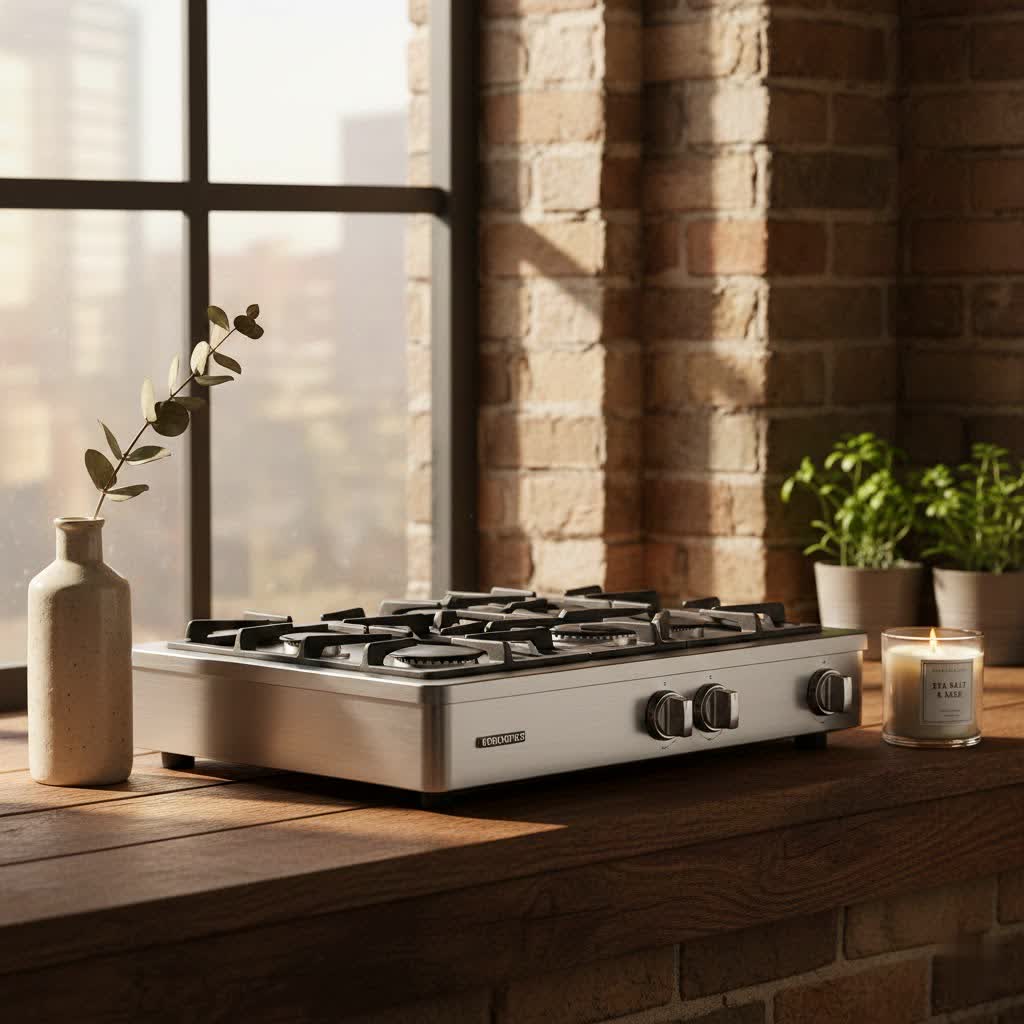
A gas cooktop is a kitchen appliance designed for cooking with natural gas or propane, providing instant heat and precise temperature control. Unlike electric or induction cooktops, gas models offer visual flame control, which many cooks prefer for its responsiveness. A 30-inch gas cooktop typically fits standard kitchen counter cutouts, making it a versatile option for various kitchen designs.
The primary components of a gas cooktop include:
- Burners: These are where the gas ignites, producing a flame. 30-inch models typically feature four to five burners of varying sizes and BTU (British Thermal Unit) outputs, allowing for different cooking tasks from high-heat searing to low simmering.
- Grates: Usually made of cast iron or porcelain-coated steel, grates sit above the burners and support pots and pans. Continuous grates are a popular feature, allowing for easy movement of cookware across the cooktop surface.
- Control Knobs: These control the gas flow to each burner, allowing you to adjust the flame intensity. Many modern cooktops feature illuminated knobs or child-lock mechanisms for added safety.
- Ignition System: This system lights the gas. Most modern gas cooktops use an electronic ignition that sparks when the knob is turned, though some older or portable models might require manual ignition.
- Gas Inlet: The point where the gas supply connects to the cooktop.
The working principle is straightforward: when a burner knob is turned, gas flows from the supply line to the burner. Simultaneously, the ignition system creates a spark, igniting the gas. The flame size is controlled by the amount of gas allowed to flow, providing instant heat for cooking.
Types of Gas Cooktops: Pros and Cons
While gas cooktops come in various forms, the 30-inch dimension primarily refers to built-in cooktops designed to be integrated into your countertop.
Built-in Gas Cooktops (30-Inch Focus)
These are the most common type for a 30-inch dimension, offering a sleek, integrated look.
- Pros:
- Aesthetics: They provide a seamless, modern appearance, freeing up counter space around the cooking area.
- Easy Cleaning: The flat surface (once grates are removed) and sealed burners on many models make cleanup relatively simple.
- Customization: You can pair them with a separate wall oven, allowing for flexible kitchen design.
- Cons:
- Installation: Requires professional installation into a countertop cutout, which can be more complex than a freestanding range.
- Cost: Generally, built-in cooktops can be more expensive than basic freestanding ranges.
- Portability: Not portable once installed.
|
Our Picks for the Best Gas Stove in 2026
As an Amazon Associate I earn from qualifying purchases.
|
||
| Num | Product | Action |
|---|---|---|
| 1 | Empava 30 in. Gas Stove Cooktop 5 Italy Sabaf Sealed Burners NG/LPG Convertible in Black Tempered Glass |

|
| 2 | Gas One GS-3400P Propane or Butane Stove Dual Fuel Stove Portable Camping Stove - Patented - with Carrying Case Great for Emergency Preparedness Kit |
|
| 3 | Avanti Gas Range Oven, Compact Freestanding Design, 4 Sealed Burners with Electronic Ignition, 2.1 Cu.Ft. Capacity Features Storage Drawer Broiler and Accessories, 20-Inch, Black |
|
| 4 | Gas One Propane Double Burner Two Burner Camp Stove with Windscreen Outdoor High Pressure Propane 2 Burner Adjustable PSI Regulator and 4ft Steel Braided Hose With Removable Legs |
|
| 5 | Vivicreate High Pressure Propane Gas Regulator 20 PSIG Outdoor Camping BBQ Grill Stove Burner Estufas de Gas para Cocinar Afuera Es gas propano |
|
| 6 | Kenmore 5.6 cu. ft. Front Control Gas Range Oven with 5 Cooktop Burners - True Convection, Air Fry, Turbo Boil, Self Clean, Dishwasher Safe Grates, Three Chrome Racks, LP Kit - Stainless Steel |
|
| 7 | GasOne High Pressure Single Propane Burner - Outdoor Cooking with Heat Shield and Guard – Propane Burner Head for Camping, Tailgating, Seafood Boil, Home Brewing - Patent Pending |
|
| 8 | Avanti Gas Range Oven, Compact Freestanding Design, 4 Sealed Burners with Electronic Ignition, 2.1 Cu.Ft. Capacity Features Framed Glass Door Storage Drawer Broiler and Accessories, 20-Inch, White |
|
| 9 | Coleman Triton 2-Burner Propane Stove, Portable Camping Cooktop with 2 Adjustable Burners & Wind Guards, 22,000 BTUs of Power for Camping, Tailgating, Grilling, BBQ, & More |
|
| 10 | VEVOR 36 inch Gas Cooktop 5 Burners Gas Stove Top, Max 38300BTU Built-in Stainless Steel Stove Top LPG/NG Convertible Dual Fuel Cooktop Stoves with SABAF Dual-Ring Burner for Kitchen Apartment Rvs |
|
While freestanding gas ranges also exist, a “30-inch gas stove top” typically implies a built-in cooktop component rather than a full range with an oven.
Comparing Top Gas Cooktop Brands
The market for 30-inch gas cooktops is robust, with several reputable brands offering a range of features and price points. Here’s a look at some leading manufacturers:
- Empava: Known for offering good value, Empava cooktops often feature multiple burners with varying BTUs, sealed burners for easy cleaning, and flame failure protection. They are a popular choice for budget-conscious buyers seeking reliable performance.
- Samsung: Blends modern design with innovative features, including intuitive controls and smart-home integration on some higher-end models. Samsung cooktops are recognized for their smooth flame regulation and contemporary aesthetics.
- Miele: A high-end brand synonymous with precision engineering and elegant design. Miele cooktops often include robust burners, excellent simmering capabilities, and durable construction, catering to serious home cooks.
- GE (General Electric): Offers a balance of performance and accessibility. GE cooktops are popular in many American households, providing consistent burner performance and a strong service network. Their Profile series often features powerful burners and sleek designs.
- Bosch: Renowned for its European design aesthetic, high-temperature burners, and excellent build quality. Bosch cooktops often provide powerful heating and precise control.
- Frigidaire: Provides solid, reliable appliances often praised for practicality and value. Frigidaire cooktops typically offer essential features and dependable performance.
- Thermomate: Known for stylish designs and essential safety features like thermocouple flame-out systems, suitable for various kitchens, including RVs.
- FOTILE: Specializes in high-output burners, particularly multi-ring burners for intense heat, ideal for stir-frying and searing. Their cooktops often feature durable materials like 304 food-grade stainless steel.
- Deli-Kit: Offers stable, safe, and energy-efficient cooktops, often with cast iron grates for durability and corrosion-resistant stainless steel designs.
- GASLAND: A newer market player gaining traction for affordable pricing, modern designs, and positive customer satisfaction, offering both stainless steel and black enamel finishes.
Each brand brings its unique strengths, from Miele’s luxury features to Empava’s budget-friendly options, allowing consumers to find a cooktop that matches their specific preferences and price range.
Detailed Comparison of Best-Selling 30-Inch Gas Cooktop Models
When evaluating specific 30-inch gas cooktop models, key features, burner configuration, material quality, and safety functions come into play. Here’s a comparative overview based on popular models and common features:
| Feature/Model | Empava EMPV-30GC37 | GE Profile PGP7030SLSS | FOTILE GLS30501 | Thermomate 30-inch |
|---|---|---|---|---|
| Number of Burners | 5 | 5 | 5 | 4-5 |
| High Output Burner | 18,000 BTU Triple Ring | High BTUs | 21,000 BTU Tri-Ring | High BTUs (varied) |
| Simmer Burner | Yes | Yes (effective low heat) | 3,000 & 6,000 BTU | Yes |
| Surface Material | Stainless Steel | Stainless Steel | 304 Stainless Steel | 304 Stainless Steel |
| Grate Material | Cast Iron (continuous) | Heavy-duty Cast Iron | Heavy Cast Iron | Flat Cast Iron |
| Safety Features | Flame failure protection | Automatic gas shut-off | Flame failure thermocouple | Thermocouple flame-out |
| Control Knobs | Solid, clear markings | Front-mounted, lighted | Push-type rotary | Plastic-metal composite |
| LP/NG Convertible | Yes | Yes | Yes | Yes |
| Aesthetics | Contemporary | Sleek, upscale | Durable, sturdy | Stylish |
| Ease of Cleaning | Sealed burners, easy | Easy around burners | Durable materials | Sealed burners |
This table provides a snapshot, but individual models within these brands may vary. For example, the GE Profile PGP7030SLSS is often lauded by customers for its effective simmer capabilities and modern look, despite some concerns about knob durability. The FOTILE GLS30501 stands out with its powerful 21,000 BTU tri-ring burner, ideal for demanding cooking tasks.
How to Choose the Right 30-Inch Gas Cooktop
Selecting the perfect 30-inch gas cooktop involves considering your personal cooking style, kitchen design, and safety priorities.
-
Determine Your Usage Needs:
- Family Size & Cooking Frequency: A family that cooks often may benefit from a cooktop with 5 burners and varying BTU outputs.
- Cooking Style: Do you frequently stir-fry, sear, or boil large pots? Look for models with high-BTU burners and features like wok rings. If delicate sauces are your forte, a reliable simmer burner is crucial.
-
Evaluate Your Kitchen Space and Budget:
- Countertop Cutout: Ensure the 30-inch cooktop fits your existing or planned countertop opening.
- Budget: Gas cooktops range from a few hundred to over two thousand dollars. Set a realistic budget and prioritize features accordingly.
-
Prioritize Safety Features:
- Automatic Gas Shut-off (Flame Failure Protection): This crucial safety feature automatically cuts off the gas supply if the flame extinguishes, preventing gas leaks. It’s a must-have for peace of mind.
- Child Lock: Some models have control knobs that prevent accidental activation, a great feature for homes with young children.
- Stable Grates: Heavy-duty, continuous cast iron grates provide a stable surface for pots and pans and can prevent spills.
-
Consider Quality and Brand Reputation:
- Reputable Brands: Stick to well-known brands that have positive customer reviews and offer good warranty and after-sales support.
- Material Quality: Stainless steel surfaces are popular for durability and aesthetics, while cast iron grates are favored for their heat retention and sturdiness.
Tips for Safe and Efficient Gas Cooktop Use and Maintenance
To maximize the lifespan and safety of your 30-inch gas cooktop, proper installation, regular cleaning, and diligent maintenance are key.
- Professional Installation: Always opt for professional installation to ensure the gas lines are connected correctly and safely, preventing potential leaks.
- Regular Cleaning:
- Sealed Burners: Many modern cooktops feature sealed burners that contain spills, making them easier to wipe clean.
- Dishwasher-Safe Grates: If your grates are dishwasher-safe, utilize this feature for effortless cleaning. Otherwise, wash them with warm, soapy water.
- Stainless Steel Surface: Use a soft cloth and a non-abrasive stainless steel cleaner to maintain its shine and prevent scratches.
- Routine Checks: Periodically inspect gas hoses, valves, and burner caps for any signs of wear, damage, or clogs. Ensure burner ports are clear for an even flame.
- Ventilation: Always use an exhaust fan or range hood when cooking to ensure proper ventilation and remove cooking fumes and any potential gas buildup.
- Burner Flame: A healthy gas flame should be mostly blue with a small, stable yellow tip. If you notice a predominantly yellow or orange flame, it could indicate an issue with the gas-to-air mixture, requiring professional adjustment.
Common Gas Cooktop Problems and Troubleshooting
Even with the best gas cooktops, issues can arise. Knowing how to identify and address common problems can save you time and potentially a service call.
- Gas Cooktop Not Lighting:
- Cause: This could be due to a clogged igniter port, a wet igniter, a tripped circuit breaker, or a power outage (for electronic ignitions).
- Solution: Clean around the igniter with a dry brush or toothpick. Ensure the cooktop is dry. Check your home’s circuit breaker. If it’s a gas flow issue, ensure the gas supply valve is open.
- Uneven Flame:
- Cause: Often caused by clogged burner ports from food debris or spills.
- Solution: Turn off the gas, allow the burner to cool, and carefully remove the burner cap and head. Clean the ports with a small brush or a straightened paper clip, ensuring not to widen the holes.
- Gas Smell (Gas Leak):
- Cause: A loose gas connection, a faulty valve, or damage to the gas line. This is a serious safety concern.
- Solution: If you smell gas, immediately turn off all burners and the main gas supply to your home. Open windows and doors for ventilation. Do NOT operate any electrical switches, light matches, or use your phone inside the house. Evacuate everyone from the premises and call your gas company or emergency services from a safe distance.
For any issues beyond simple troubleshooting, it is always best to contact a qualified technician or the appliance manufacturer.
Gas Cooktop Safety: Essential Considerations
Safety is paramount when using any gas appliance. Understanding potential risks and implementing preventive measures is crucial for a safe kitchen environment.
- Fire and Explosion Hazards: Improper installation, gas leaks, leaving food unattended, or placing flammable materials too close to the flame can lead to severe accidents.
- Carbon Monoxide Poisoning: Although rare with modern, properly functioning cooktops, incomplete combustion can produce carbon monoxide, a colorless, odorless gas. Ensure good ventilation and consider installing a carbon monoxide detector.
- Prevention Measures:
- Never Leave Unattended: Always stay in the kitchen when cooking with gas.
- Keep Area Clear: Ensure no flammable items (curtains, paper towels, cleaning sprays) are near the cooktop.
- Regular Maintenance: Have your gas lines and appliance checked periodically by a professional.
- Proper Ventilation: Always use your range hood when cooking.
- Child Safety: Utilize child locks if available, or remove control knobs when not in use.
- Emergency Response: In case of a gas leak or fire, prioritize safety: shut off the gas supply immediately if safe to do so, evacuate everyone, and call emergency services from outside the house.
Where to Buy 30-Inch Gas Cooktops
Finding a reputable source for your 30-inch gas cooktop is as important as choosing the right model.
- Appliance Stores and Department Stores: These retailers offer a wide selection, often have display models to view in person, and provide expert advice, delivery, and installation services. Examples include Best Buy, Lowe’s, and Home Depot.
- Online Retailers: E-commerce platforms like Amazon, Wayfair, and the official websites of brands (e.g., Samsung, Empava) offer convenience and competitive pricing.
- Considerations for Online Purchases: Read product descriptions carefully, check customer reviews, understand warranty policies, and confirm delivery and return procedures. Always verify the seller’s reputation.
When purchasing, inquire about warranty details, installation services, and any potential rebates or promotions.
Estimated Price Range for 30-Inch Gas Cooktops (Latest Update)
The price of a 30-inch gas cooktop can vary significantly based on brand, features, materials, and BTU power.
- Budget-Friendly (Under $500): You can find basic 4-burner models, often from brands like Empava or GASLAND, that offer essential cooking functions and safety features like flame failure protection. These are typically stainless steel with cast iron grates.
- Mid-Range ($500 – $1,500): This category includes models from brands like GE, Frigidaire, and some Samsung options. They often feature more powerful burners, better aesthetics, sealed burners for easier cleaning, and advanced safety features. You might also see continuous grates and more durable knob construction.
- High-End ($1,500+): Premium brands such as Miele, Bosch, and higher-tier Samsung models fall into this range. These cooktops boast superior build quality, sophisticated designs, advanced cooking functions (e.g., precise simmer, wok burners with very high BTUs), and smart connectivity features.
Prices are subject to change, and sales or promotions can significantly impact the final cost. It’s always advisable to compare prices from multiple retailers before making a purchase.
Conclusion: Making a Smart Choice for Your Kitchen
Choosing the ideal 30-inch gas cooktop is a significant decision that impacts your daily cooking experience and kitchen’s aesthetic. By understanding the various components, comparing reputable brands and their best-selling models, prioritizing essential safety features, and committing to proper maintenance, you can confidently select a cooktop that meets your culinary needs and integrates seamlessly into your home. A well-chosen 30-inch gas cooktop offers the perfect blend of control, power, and efficiency, making every meal preparation a joy.
What’s the one feature you simply can’t live without in your next 30-inch gas cooktop?
