Imagine the freedom of preparing a hot meal wherever your adventures take you – whether under a starlit sky, at a bustling tailgate, or during an unexpected power outage. Portable gas stoves offer this incredible versatility, transforming any location into a functional kitchen. Designed for convenience and efficiency, these compact cooking companions are indispensable for campers, hikers, tailgaters, and anyone seeking reliable cooking power on the go. This comprehensive guide will walk you through everything you need to know about portable gas stoves, from understanding their types and features to selecting the perfect model, ensuring safe operation, and keeping it well-maintained for years of use.
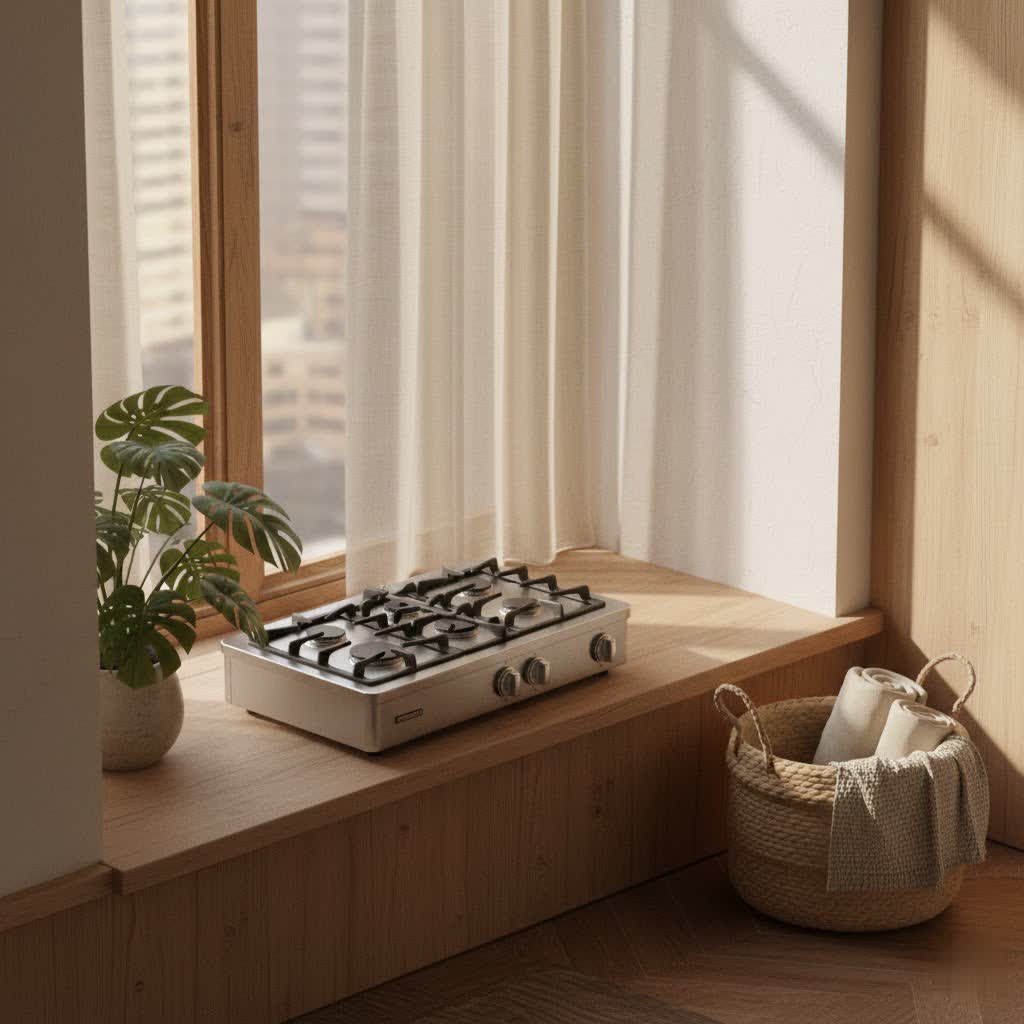
What is a Portable Gas Stove? Components and How They Work
A portable gas stove is a compact, self-contained cooking appliance specifically designed to be easily transported and used in various outdoor or temporary settings. Unlike conventional kitchen ranges, these stoves prioritize mobility, making them ideal for situations where traditional power sources are unavailable.
At their core, portable gas stoves consist of several key components: a burner head where the flame is produced, a sturdy pot support or grate to hold cookware, a connection system for fuel (typically a disposable gas canister or a refillable tank), an ignition system (often a push-button piezo igniter), and controls for adjusting the flame intensity. Many models also feature integrated wind protection to maintain flame stability outdoors. The operational principle is straightforward: pressurized gas, usually butane, propane, or a mix, is released from its container, mixed with air, and ignited at the burner. This combustion creates a steady, controllable flame, providing the heat necessary for cooking.
Portable Gas Stove Types: Advantages and Disadvantages
Portable gas stoves come in various designs, each tailored for specific needs and environments. Understanding their differences is key to choosing the right one.
Single-Burner Canister-Top Stoves
These minimalist stoves are incredibly lightweight and compact, often screwing directly onto the top of a small gas canister. They are the go-to for backpackers and solo adventurers due to their small footprint.
- Advantages: Extremely portable, minimal weight, quick to set up, and generally very affordable.
- Disadvantages: Less stable, especially with larger pots, and limited to cooking one item at a time. They often lack integrated wind protection, which can impact performance in breezy conditions.
|
Our Picks for the Best Gas Stove in 2026
As an Amazon Associate I earn from qualifying purchases.
|
||
| Num | Product | Action |
|---|---|---|
| 1 | Gas One Propane Double Burner Two Burner Camp Stove with Windscreen Outdoor High Pressure Propane 2 Burner Adjustable PSI Regulator and 4ft Steel Braided Hose With Removable Legs |

|
| 2 | Vivicreate High Pressure Propane Gas Regulator 20 PSIG Outdoor Camping BBQ Grill Stove Burner Estufas de Gas para Cocinar Afuera Es gas propano |
|
| 3 | Avanti Gas Range Oven, Compact Freestanding Design, 4 Sealed Burners with Electronic Ignition, 2.1 Cu.Ft. Capacity Features Framed Glass Door Storage Drawer Broiler and Accessories, 20-Inch, White |
|
| 4 | VEVOR 36 inch Gas Cooktop 5 Burners Gas Stove Top, Max 38300BTU Built-in Stainless Steel Stove Top LPG/NG Convertible Dual Fuel Cooktop Stoves with SABAF Dual-Ring Burner for Kitchen Apartment Rvs |
|
| 5 | Avanti Gas Range Oven, Compact Freestanding Design, 4 Sealed Burners with Electronic Ignition, 2.1 Cu.Ft. Capacity Features Storage Drawer Broiler and Accessories, 20-Inch, Black |
|
| 6 | Gas One GS-3400P Propane or Butane Stove Dual Fuel Stove Portable Camping Stove - Patented - with Carrying Case Great for Emergency Preparedness Kit |
|
| 7 | GasOne High Pressure Single Propane Burner - Outdoor Cooking with Heat Shield and Guard – Propane Burner Head for Camping, Tailgating, Seafood Boil, Home Brewing - Patent Pending |
|
| 8 | Coleman Triton 2-Burner Propane Stove, Portable Camping Cooktop with 2 Adjustable Burners & Wind Guards, 22,000 BTUs of Power for Camping, Tailgating, Grilling, BBQ, & More |
|
| 9 | Kenmore 5.6 cu. ft. Front Control Gas Range Oven with 5 Cooktop Burners - True Convection, Air Fry, Turbo Boil, Self Clean, Dishwasher Safe Grates, Three Chrome Racks, LP Kit - Stainless Steel |
|
| 10 | Empava 30 in. Gas Stove Cooktop 5 Italy Sabaf Sealed Burners NG/LPG Convertible in Black Tempered Glass |
|
Fixed-Base Single-Burner Stoves
Also known as cassette stoves, these models typically sit on a table or flat surface and often use butane canisters that slide into an internal compartment. They offer a more stable cooking platform than canister-top models.
- Advantages: Enhanced stability, easy to use with automatic ignition, and frequently include built-in wind shields for better outdoor performance. Ideal for picnics, car camping, or backyard use.
- Disadvantages: Larger and heavier than canister-top stoves, still limited to a single burner.
Multi-Burner Camping Stoves
These stoves are larger, often featuring two or more burners, and typically fold up into a self-contained case. They usually connect to larger propane tanks (either small disposable cylinders or larger refillable tanks via an adapter).
- Advantages: High cooking capacity, allowing multiple dishes to be prepared simultaneously. Robust construction and integrated wind protection (often a lid and side panels) make them suitable for family camping or group outings.
- Disadvantages: Significantly heavier and bulkier, making them less suitable for backpacking. They require larger fuel tanks, which can add to the overall pack weight.
Portable Grills (Brief Mention)
While not traditional stoves, some portable gas units are designed specifically for grilling. These are excellent for barbecuing but less suited for general stovetop cooking like boiling water or simmering.
Fueling Your Adventure: Butane vs. Propane vs. Dual Fuel
The type of fuel your portable gas stove uses significantly impacts its performance, especially in varying weather conditions.
Butane Gas Stoves
Butane is a popular choice for its clean burn and easy availability in small, lightweight canisters.
- Advantages: Generally provides good simmering control, canisters are compact and light, and the fuel is typically cheaper per canister. It burns cleanly with minimal residue.
- Disadvantages: Butane’s boiling point is relatively high, meaning its performance significantly degrades in cold temperatures (below 30°F or 0°C). It struggles to vaporize in colder conditions, leading to a weaker flame or complete failure.
Propane Gas Stoves
Propane is known for its robust performance and higher heat output.
- Advantages: Excels in colder weather, performing consistently even in freezing temperatures. It offers higher heat output, making it ideal for rapid boiling or intense cooking. Propane typically comes in more durable, puncture-resistant tanks, ranging from small disposable cylinders to larger, refillable barbecue-style tanks.
- Disadvantages: Propane canisters and tanks are generally heavier and bulkier than butane options, which can be a drawback for lightweight travelers. Some propane stoves might offer less precise flame control compared to butane models.
Dual Fuel Stoves
A growing number of portable gas stoves are designed to operate on both butane and propane.
- Advantages: Offers maximum versatility, allowing you to switch between fuel types based on availability, weather conditions, or cooking needs. This adaptability can be a significant advantage when traveling to different regions or facing unpredictable climates.
- Disadvantages: Dual fuel models may come with a slightly higher price tag due to their increased complexity.
Comparing Popular Portable Gas Stove Brands
The market for portable gas stoves is robust, with several reputable brands offering a range of models catering to diverse needs. While specific models vary, here’s a general overview of some prominent brands and their typical characteristics:
- GasOne: Known for a wide variety of portable stoves, including popular single-burner butane and dual-fuel options. They often focus on user-friendly designs, good heat output, and value for money, making them a common choice for emergency kits and casual camping. Their GS-3000 and GS-5900 models are often cited for their reliability and portability.
- Chef Master: Often features powerful butane stoves, some boasting up to 15,000 BTU output, and reliable piezo ignition systems. They are recognized for robust construction and features like double wind guards for improved outdoor performance.
- Coleman: A long-standing name in outdoor gear, Coleman offers a range of classic multi-burner propane stoves, well-regarded for their durability and consistent performance in various conditions. Their Triton series is a popular choice for family camping, known for wind protection and separate burner controls.
- Camp Chef: Specializes in heavy-duty outdoor cooking systems, including powerful multi-burner stoves often favored by serious campers and tailgaters. Their Everest 2X is frequently praised for high BTU output, effective windscreens, and sturdy build quality, offering almost restaurant-level heat.
- Primus: A European brand known for high-quality, often more premium, and efficient stoves. They offer compact backpacking models as well as stylish single and double burners like the Moja, which combines good looks with reliable performance.
- Campingaz: Another European brand, popular for its compact and user-friendly butane stoves, often featuring easy cartridge insertion and reliable ignition, suitable for short trips and small groups.
- Vango: Offers lightweight and compact stoves, particularly known for their efficiency and small packed size, catering to backpackers and those needing to travel light.
When choosing a brand, consider their reputation for quality, the availability of fuel and replacement parts, and how their product line aligns with your specific cooking requirements and outdoor activities.
Top-Selling Portable Gas Stove Models: A Detailed Comparison
To help you make an informed decision, let’s compare some of the most popular portable gas stove models that frequently appear in top reviews and sales charts.
| Feature | GasOne GS-5900 | Chef Master 90019 | Coleman Triton 2-Burner Propane Stove | Camp Chef Everest 2X |
|---|---|---|---|---|
| Type | Fixed-Base Single-Burner | Fixed-Base Single-Burner | Classic Multi-Burner | Classic Multi-Burner |
| Fuel Type | Butane (often dual-fuel variants available) | Butane | Propane | Propane |
| BTU Output | Up to 15,000 BTU | Up to 15,000 BTU | 22,000 BTU (total, 11,000 per burner) | 20,000 BTU (total, 10,000 per burner) |
| Ignition | Automatic Piezo Ignition | Automatic Piezo Electronic Ignition | Matchless/Piezo Ignition | Matchless/Piezo Ignition |
| Wind Protection | Yes, often integrated | Double Wind Guard | Wind guards (lid and side panels) | Folding lid acts as windscreen |
| Portability | Good (with carrying case) | Excellent (with high-impact carrying case) | Moderate (folds into self-contained case) | Moderate (folds into compact case) |
| Special Features | Pressure sensor safety shut-off | Adjustable heat, solid brass burner | Independent burner control, removable grate | Durable alloy steel, regulator for consistent flame |
| Ideal For | Picnics, emergencies, light camping, catering | Display cooking, catering, outdoor events | Family camping, car camping, tailgating | Serious campers, large group cooking |
| Approx. Price Range | $35 – $65 | $60 – $90 | $100 – $140 | $150 – $200+ |
(Prices are approximate and can vary based on retailer, promotions, and specific model variations.)
This comparison highlights that while single-burner models like the GasOne GS-5900 and Chef Master 90019 are excellent for individual or small-group use, providing high portability and good heat, multi-burner options like the Coleman Triton and Camp Chef Everest 2X are designed for more extensive cooking needs with greater stability and wind resistance, albeit at a higher cost and with less portability.
How to Choose the Right Portable Gas Stove
Selecting the ideal portable gas stove depends on a clear understanding of your specific needs and priorities. Consider these factors before making your purchase:
- Assess Your Usage Needs: Are you a solo backpacker needing ultra-light gear, or a family camper requiring multiple burners for elaborate meals? Will you use it for tailgating, emergency preparedness, or simply backyard gatherings? The frequency and intensity of use will guide your choice.
- Consider the Environment: If you frequently camp in cold weather, a propane stove will be more reliable. For windy conditions, prioritize models with robust integrated wind protection.
- Fuel Type Preference: Evaluate the availability and cost of butane versus propane canisters in your region. If versatility is key, a dual-fuel stove offers the best of both worlds.
- Safety Features: Look for stoves with automatic shut-off mechanisms (like pressure sensors), sturdy construction that prevents tipping, and a reliable ignition system.
- BTU Output and Flame Control: Higher BTU means faster cooking, crucial for boiling water quickly. However, good flame control (simmering capability) is equally important for diverse culinary tasks.
- Size and Weight: If portability is paramount, opt for lightweight, compact models. For car camping, you can afford a heavier, more feature-rich stove.
- Budget: Portable gas stoves range widely in price. Determine your budget and balance it with the features and durability you require. Investing a bit more upfront often means better performance and longevity.
Safe Usage and Maintenance Tips for Your Portable Gas Stove
Ensuring the longevity and safe operation of your portable gas stove requires proper usage and regular maintenance.
Setup and Operation
- Level Surface: Always place your stove on a stable, level, non-flammable surface to prevent tipping and spills.
- Ventilation: Use your portable gas stove in a well-ventilated outdoor area. Never use it inside a tent, enclosed camper, or unventilated room due to the risk of carbon monoxide poisoning.
- Fuel Connection: Ensure the gas canister or tank is correctly and securely connected according to the manufacturer’s instructions, checking for any leaks before ignition.
- Ignition: Many stoves have automatic piezo ignition. If yours doesn’t, use a long-stem lighter or match safely.
- Flame Control: Adjust the flame carefully to the desired intensity, ensuring it doesn’t extend beyond the cookware.
Cleaning and Storage
- Regular Cleaning: After each use, allow the stove to cool completely. Remove grates and drip trays and wipe down all surfaces to remove food debris and grease. A damp cloth with mild soap is usually sufficient.
- Burner Head: Occasionally inspect the burner holes for clogs from food particles. A soft brush or toothpick can help clear them.
- Storage: Disconnect the fuel canister when the stove is not in use. Store the stove in its original carrying case in a cool, dry place away from direct sunlight, heat sources, and flammable materials.
Periodic Checks and Fuel Handling
- Leak Detection: Periodically check gas lines, seals, and connections for wear or leaks. A simple soapy water test (apply soapy water to connections; bubbles indicate a leak) can help identify issues.
- Fuel Type: Always use the correct type of fuel (butane, propane, or dual-fuel specific canisters) recommended by the manufacturer.
- Canister Disposal: Dispose of empty fuel canisters according to local regulations. Never puncture or incinerate them.
Common Portable Gas Stove Problems and Troubleshooting
Even with proper care, you might encounter issues with your portable gas stove. Here’s how to troubleshoot some common problems:
- Stove Won’t Ignite:
- Check Fuel: Is the canister empty or low? Is it correctly connected?
- Igniter: For piezo ignition, ensure it’s sparking. Clean around the igniter tip. For manual ignition, check your lighter/matches.
- Gas Flow: Is the gas valve fully open? Is the burner clogged with debris?
- Uneven or Weak Flame:
- Low Fuel: The most common cause. Replace or refill your fuel source.
- Clogged Burner: Food debris can partially block burner holes, leading to an uneven flame. Clean the burner head.
- Cold Temperatures (for butane stoves): Butane performs poorly in cold. Warm the canister slightly (but never directly with flame!) or switch to propane if possible.
- Wind: Strong winds can disrupt the flame. Ensure your wind protection is adequately deployed.
- Smell of Gas (Gas Leak):
- IMMEDIATELY turn off the gas supply at the canister/tank and any stove valves.
- Move the stove to a well-ventilated outdoor area.
- Do NOT attempt to ignite the stove or create any sparks.
- Check all connections for tightness. Use soapy water to pinpoint the leak. If you cannot stop the leak, do not use the stove and seek professional repair or replacement.
Portable Gas Stoves and Safety: Essential Precautions
Safety is paramount when operating any appliance involving flammable gas. Adhering to these precautions will significantly reduce risks:
- Carbon Monoxide Hazard: Gas stoves produce carbon monoxide (CO), an odorless, colorless, and deadly gas. NEVER use a portable gas stove in an enclosed space, such as a tent, small cabin, or vehicle, without proper ventilation. Ensure ample airflow if using under a canopy or shelter.
- Flammable Materials: Keep the stove clear of any flammable materials like dry leaves, tents, clothing, or fuel canisters. Maintain adequate clearance above and around the cooking area.
- Stable Surface: Always place the stove on a firm, level, non-combustible surface to prevent it from tipping over, which can lead to severe burns or fires.
- Supervision: Never leave an operating stove unattended, especially when children or pets are nearby.
- Fuel Storage: Store fuel canisters upright in a cool, well-ventilated area, away from direct sunlight, heat, and ignition sources. Never store them inside a hot vehicle.
- Emergency Preparedness: Have a fire extinguisher, a bucket of water, or sand readily available when cooking outdoors. Know how to quickly shut off the gas supply in an emergency.
- Check for Leaks: Before each use, especially after transport or changing fuel, perform a leak check using soapy water.
Where to Buy Your Portable Gas Stove
Portable gas stoves are widely available, both online and in physical stores, making it easy to find one that fits your needs.
Online Retailers
Major online marketplaces like Amazon, Target, and The Home Depot offer vast selections from various brands, often with competitive pricing and customer reviews. Specialty outdoor retailers like REI also have extensive online stores with expert-curated selections. When buying online, carefully read product descriptions, check customer reviews, and understand the seller’s return policy.
Brick-and-Mortar Stores
For those who prefer to see products in person, sporting goods stores (e.g., Bass Pro Shops, Cabela’s, REI), general merchandise retailers (e.g., Walmart, Target), and hardware stores (e.g., Home Depot, Lowe’s) typically stock a range of portable gas stoves and fuel. This allows you to inspect the build quality and compare sizes directly.
Portable Gas Stove Price Guide (Latest Update)
The cost of a portable gas stove can vary significantly based on its type, brand, features, and fuel compatibility.
- Entry-Level Models ($20 – $50): These typically include basic single-burner butane cassette stoves or very compact canister-top models. They are excellent for budget-conscious users or those needing an emergency backup.
- Mid-Range Models ($50 – $150): This category includes higher-quality single-burner stoves, some dual-fuel options, and entry-level two-burner propane stoves. You’ll find better build quality, more robust wind protection, and often higher BTU output here.
- High-End Models ($150 – $300+): These are premium multi-burner stoves from top brands, offering superior durability, powerful heat output, advanced safety features, and precise flame control. They are designed for extensive outdoor cooking, catering, or demanding conditions.
Remember that prices can fluctuate due to sales, new models, and regional differences. Factor in the long-term cost of fuel canisters when considering your overall budget.
Conclusion: Choosing a Smart Portable Gas Stove for Your Family
The right portable gas stove can dramatically enhance your outdoor experiences, offering the convenience and comfort of home cooking no matter where you are. From the compact simplicity of a single-burner backpacking stove to the robust power of a multi-burner family cooker, there’s a model perfectly suited for every adventure. By understanding the different types, fuel options, key features, and crucial safety measures, you empower yourself to make an informed decision. Prioritize safety, embrace proper maintenance, and choose a stove that aligns with your lifestyle to unlock countless memorable meals under the open sky.
Which portable gas stove will power your next adventure?
Frequently Asked Questions
Can portable gas stoves be used indoors?
Generally, no. Portable gas stoves are designed for outdoor use in well-ventilated areas. Using them indoors can lead to a dangerous buildup of carbon monoxide, which is odorless, colorless, and deadly. If absolutely necessary in an emergency, ensure extreme ventilation and only use models specifically rated for indoor use, with a carbon monoxide detector present.
How long does a portable gas stove canister last?
The duration a gas canister lasts depends on the stove’s BTU output, the flame setting used, and the canister size. A small 8 oz butane canister might last 1-2 hours on high heat, while a 16 oz propane cylinder for a single burner could last several hours. Multi-burner stoves consume fuel faster, especially when both burners are in use.
What’s the main difference between butane and propane portable stoves?
The primary difference lies in their performance in cold weather and their typical canister/tank sizes. Butane struggles in temperatures below 30°F (0°C), offering less power or failing entirely, and uses smaller, lighter canisters. Propane performs reliably in freezing conditions, offers higher heat output, but typically uses heavier, bulkier tanks.
How do I clean my portable gas stove effectively?
For effective cleaning, ensure the stove is cool and the fuel is disconnected. Remove the pot grate and burner head if possible. Wipe down surfaces with a damp cloth and mild soap to remove grease and food residue. Use a soft brush or toothpick to clear any clogs in the burner holes. Ensure all parts are completely dry before reassembling and storing.
Are portable gas stoves safe to use?
Yes, portable gas stoves are safe when used correctly and maintained properly. The main risks are gas leaks and carbon monoxide poisoning if used in unventilated areas. Always follow manufacturer instructions, check for leaks, use in well-ventilated outdoor spaces, and keep flammable materials away from the stove to ensure safe operation.
