For many home cooks, the choice between a gas stove and an electric oven has always been a culinary dilemma. Gas offers immediate heat and precise flame control for the stovetop, while electric ovens are renowned for their consistent, even baking temperatures. What if you could have the best of both worlds? Enter the dual-fuel range, an innovative appliance that marries a responsive gas cooktop with a meticulously controlled electric oven, providing unparalleled versatility and performance for every cooking style. This comprehensive guide will navigate you through everything you need to know about these hybrid marvels, from their core mechanics to choosing the perfect model for your kitchen.
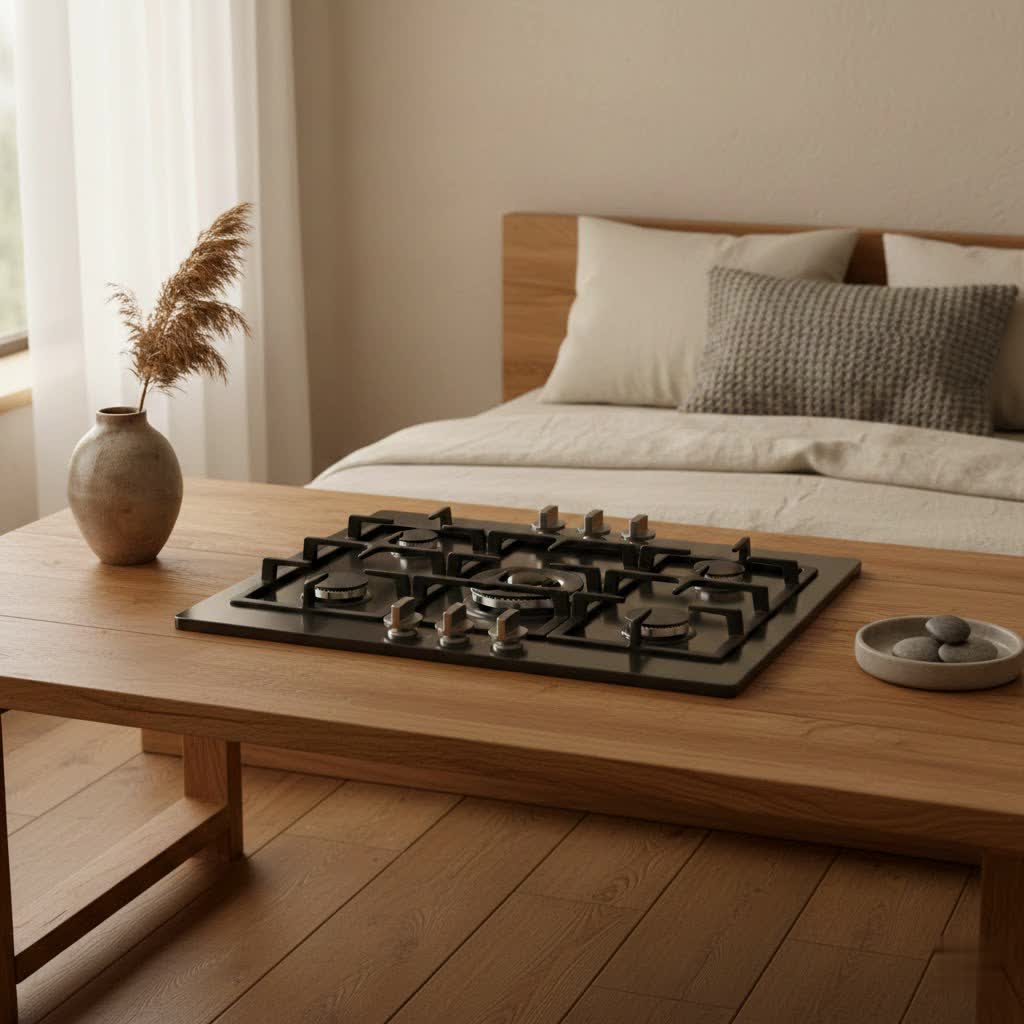
What is a Dual-Fuel Range? Construction and Operating Principles
A dual-fuel range is a kitchen appliance that ingeniously combines a gas-powered stovetop with an electric oven. This hybrid design is specifically engineered to leverage the strengths of each energy source, offering distinct benefits for different cooking tasks. Unlike an all-gas or all-electric range, a dual-fuel model requires connections for both a gas line and a 220-volt electrical outlet.
The core components of a dual-fuel range include multiple gas burners on the cooktop, various electric heating elements within the oven cavity (typically for baking and broiling), and a sophisticated control system to regulate both sections. On the stovetop, gas burners operate by igniting natural gas or propane, providing instant heat and allowing cooks to precisely adjust the flame size. The oven, conversely, relies on electricity to power heating elements that consistently maintain a stable temperature. This steady, dry heat from the electric oven is particularly favored for baking and roasting, ensuring even results. Many modern electric ovens also incorporate convection fans, which circulate hot air for even faster and more uniform cooking.
Categorizing Dual-Fuel Ranges: Advantages and Disadvantages
Dual-fuel ranges offer a compelling proposition for those unwilling to compromise on their cooking experience. However, like any appliance, they come with their own set of pros and cons that potential buyers should consider.
Advantages of Dual-Fuel Ranges:
- Precise Cooktop Control: Gas burners provide instant on/off heat and visible flame control, which is crucial for tasks like searing, stir-frying, and rapidly adjusting simmering temperatures. Many professional chefs prefer gas for its immediate responsiveness.
- Superior Oven Performance: Electric ovens offer dry, consistent, and even heat distribution, making them ideal for baking cakes, cookies, pastries, and roasting meats to perfection. The absence of a direct flame inside the oven also helps prevent food from drying out.
- Versatility: This combination allows you to achieve optimal results for a wide array of dishes, from delicate soufflés requiring stable oven temperatures to high-heat sears on the stovetop.
- Faster Preheating (Cooktop): Gas cooktops heat up instantaneously, eliminating the waiting time associated with electric coil or radiant elements.
- Advanced Oven Features: Electric ovens often come equipped with advanced features like true convection, air fry modes, and temperature probes that enhance cooking capabilities.
|
Our Picks for the Best Gas Stove in 2026
As an Amazon Associate I earn from qualifying purchases.
|
||
| Num | Product | Action |
|---|---|---|
| 1 | Kenmore 5.6 cu. ft. Front Control Gas Range Oven with 5 Cooktop Burners - True Convection, Air Fry, Turbo Boil, Self Clean, Dishwasher Safe Grates, Three Chrome Racks, LP Kit - Stainless Steel |

|
| 2 | Avanti Gas Range Oven, Compact Freestanding Design, 4 Sealed Burners with Electronic Ignition, 2.1 Cu.Ft. Capacity Features Storage Drawer Broiler and Accessories, 20-Inch, Black |
|
| 3 | Empava 30 in. Gas Stove Cooktop 5 Italy Sabaf Sealed Burners NG/LPG Convertible in Black Tempered Glass |
|
| 4 | VEVOR 36 inch Gas Cooktop 5 Burners Gas Stove Top, Max 38300BTU Built-in Stainless Steel Stove Top LPG/NG Convertible Dual Fuel Cooktop Stoves with SABAF Dual-Ring Burner for Kitchen Apartment Rvs |
|
| 5 | GasOne High Pressure Single Propane Burner - Outdoor Cooking with Heat Shield and Guard – Propane Burner Head for Camping, Tailgating, Seafood Boil, Home Brewing - Patent Pending |
|
| 6 | Gas One Propane Double Burner Two Burner Camp Stove with Windscreen Outdoor High Pressure Propane 2 Burner Adjustable PSI Regulator and 4ft Steel Braided Hose With Removable Legs |
|
| 7 | Avanti Gas Range Oven, Compact Freestanding Design, 4 Sealed Burners with Electronic Ignition, 2.1 Cu.Ft. Capacity Features Framed Glass Door Storage Drawer Broiler and Accessories, 20-Inch, White |
|
| 8 | Gas One GS-3400P Propane or Butane Stove Dual Fuel Stove Portable Camping Stove - Patented - with Carrying Case Great for Emergency Preparedness Kit |
|
| 9 | Vivicreate High Pressure Propane Gas Regulator 20 PSIG Outdoor Camping BBQ Grill Stove Burner Estufas de Gas para Cocinar Afuera Es gas propano |
|
| 10 | Coleman Triton 2-Burner Propane Stove, Portable Camping Cooktop with 2 Adjustable Burners & Wind Guards, 22,000 BTUs of Power for Camping, Tailgating, Grilling, BBQ, & More |
|
Disadvantages of Dual-Fuel Ranges:
- Higher Initial Cost: Dual-fuel ranges generally command a higher price tag than comparable all-gas or all-electric models due to their more complex engineering and dual utility requirements.
- Complex Installation: Installing a dual-fuel range requires both a gas line and a dedicated 220-volt electrical outlet, which might necessitate professional installation and potentially costly home modifications if both connections aren’t already present.
- Maintenance: Maintaining two distinct power systems can sometimes lead to more complex troubleshooting or repair needs compared to single-fuel appliances.
- Potential for Gas Leaks: As with any gas appliance, there is a very small risk of gas leaks, though modern ranges incorporate robust safety features to mitigate this.
Comparing Renowned Dual-Fuel Range Brands
The market for dual-fuel ranges features several reputable brands, each offering unique features, designs, and price points. While brands like Rinnai, Sunhouse, Paloma, and Electrolux are well-known in the broader appliance market, leading manufacturers in the premium dual-fuel segment often include:
- GE Profile/Café: Known for blending innovative technology with stylish designs. GE Profile ranges often include smart features, powerful burners, and true convection ovens. Café, a sub-brand of GE, focuses on customization and professional aesthetics.
- LG: Offers ranges with smart interfaces, intuitive controls, and advanced cooking modes like air fry and air sous vide, often with sleek designs and robust performance.
- Samsung: Features versatile options like Flex Duo ovens, which can convert a single oven into two smaller cavities, alongside smart connectivity and air fry functions.
- ZLINE: A popular choice for those seeking professional-style ranges with robust gas cooktops and powerful electric convection ovens, often at competitive prices for their aesthetic and features.
- ILVE: A premium Italian brand known for its handcrafted ranges, distinctive aesthetics, and professional-level performance, often featuring brass burners and multiple oven configurations.
- Bosch: Recognised for German engineering, offering precise controls, reliable performance, and often sleek, integrated designs.
- Viking/KitchenAid/Dacor: These brands typically cater to the luxury market, offering professional-grade performance, high-end materials, and extensive features designed for serious home chefs.
When comparing brands, consider factors such as:
- Quality and Durability: Look for robust construction, high-quality materials (e.g., cast iron grates, stainless steel finishes).
- Features: Assess advanced cooking modes (convection, air fry, steam), smart connectivity, self-cleaning options, and burner BTU ratings.
- Price: Dual-fuel ranges span a wide price spectrum, from mid-range to ultra-premium.
- Warranty and Service: Check the manufacturer’s warranty and the availability of reliable service in your area.
Detailed Comparison of Best-Selling Dual-Fuel Range Models
To give you a clearer picture, here’s a look at the types of features and specifications you might find in popular dual-fuel models:
| Model Type Example | Cooktop Power (BTU) | Oven Capacity (Cu. Ft.) | Material & Design | Special Features | Price Range (Approx.) |
|---|---|---|---|---|---|
| Mid-Range Slide-In | 15,000-20,000 | 5.0 – 6.0 | Stainless steel, sleek | True convection, self-clean, basic smart features, continuous grates | $1,800 – $2,500 |
| Feature-Rich Freestanding | 18,000-21,000+ | 5.5 – 6.5 | Stainless steel, robust | True convection, air fry, temperature probe, Wi-Fi connectivity, warming drawer | $2,500 – $3,500 |
| Professional-Style | 18,000-22,000+ | 4.0 – 6.0 (single/double) | Pro-style stainless, heavy | High-power burners, infrared broiler, dual/triple convection, custom colors | $3,500 – $6,000+ |
| Luxury/Designer | 18,000-25,000+ | 4.0 – 7.0 (single/double) | Premium finishes, brass | Artisan craftsmanship, advanced electronics, steam cooking, soft-close doors | $6,000 – $15,000+ |
These ranges often include features like multiple burner sizes, often including a high-BTU power burner for rapid boiling or searing and a low-BTU simmer burner for delicate sauces. Electric ovens frequently boast convection settings for even roasting and baking, along with self-cleaning cycles, and increasingly, specialized modes like air frying or steam baking. Some high-end models even offer smart connectivity, allowing remote control and monitoring via smartphone apps.
Guiding Your Choice: How to Select the Right Dual-Fuel Range
Choosing the perfect dual-fuel range involves balancing your cooking habits, kitchen aesthetics, and practical considerations.
-
Assess Your Cooking Needs:
- Family Size and Cooking Frequency: For larger families or frequent entertainers, consider larger capacities (5.0 cu. ft. or more) or even double oven configurations.
- Cooking Style: If you’re an avid baker, prioritize an electric oven with true convection. If you frequently stir-fry or sear, look for high-BTU gas burners.
- Dish Types: Do you make a lot of delicate pastries (electric oven excel) or quick, high-heat stovetop meals (gas is king)?
-
Evaluate Your Kitchen Space and Setup:
- Range Type: Decide between a freestanding range (finished sides, can sit anywhere) or a slide-in range (designed to fit between cabinets for a built-in look).
- Dimensions: Measure your available space carefully, including depth, width, and height. Ensure adequate clearance for ventilation.
- Utility Connections: Confirm you have both a gas line and a 220-volt electrical outlet in the desired location. If not, budget for professional installation of these utilities.
-
Prioritize Safety Features:
- Automatic Gas Shut-off: Look for burners with flame-failure safety devices that automatically cut off the gas supply if the flame extinguishes.
- Cool-Touch Oven Door: Important for households with children, preventing accidental burns.
- Control Lockout: A feature that prevents accidental activation of burners or the oven.
- Ventilation: Plan for a powerful range hood to vent cooking fumes and any potential gas byproducts.
-
Consider Quality and Reputation:
- Brand Trust: Opt for established brands known for appliance quality and customer service.
- Reviews: Read user and expert reviews to gauge real-world performance and reliability.
- Certifications: Ensure the appliance meets relevant safety standards and certifications.
Mastering Your Dual-Fuel Range: Usage and Maintenance Tips
To ensure your dual-fuel range operates safely and efficiently for years, proper usage and diligent maintenance are key.
Installation Guidance:
- Professional Setup: Due to the combination of gas and electrical connections, professional installation is highly recommended to ensure safety and compliance with local codes.
- Leveling: Ensure the range is perfectly level to prevent spills and ensure even cooking.
- Ventilation: Install an adequately sized and powerful range hood directly above the cooktop to extract smoke, odors, and potential gas byproducts. Consider a carbon monoxide detector in your kitchen, especially with gas appliances.
Regular Cleaning and Care:
- Cooktop: Clean gas grates and burner caps regularly to prevent grease buildup and maintain efficient flame distribution. For sealed burner cooktops, wipe spills immediately after the surface has cooled.
- Oven: Utilize self-cleaning cycles if available. For manual cleaning, use oven-safe cleaners and wipe down the interior regularly to prevent baked-on food and grease, which can cause smoke and odors.
- Exterior: Clean stainless steel or other finishes with appropriate cleaners to maintain their appearance and prevent streaks or discoloration.
Periodic Inspections:
- Gas Lines and Connections: Have a qualified technician inspect the gas line, connections, and valves annually for any signs of leaks or wear.
- Burners and Igniters: Ensure gas burners ignite quickly and produce a steady blue flame. If the flame is yellow or uneven, the burner ports may need cleaning or adjustment.
- Oven Elements: For the electric oven, ensure heating elements glow evenly and the convection fan operates quietly if present.
Tackling Common Issues with Dual-Fuel Ranges and How to Resolve Them
Even the best appliances can encounter occasional hiccups. Knowing how to identify and address common problems can save you time and hassle.
- Gas Burner Not Igniting:
- Cause: Clogged burner ports, wet igniter, faulty igniter, or interrupted gas supply.
- Troubleshooting: Clean burner caps and ports. Ensure the igniter is dry. Check if the gas supply valve is open. If other gas appliances work, it might be the igniter; professional repair is recommended.
- Uneven Oven Heating:
- Cause: Faulty heating element, malfunctioning thermostat, or convection fan issues.
- Troubleshooting: Visually inspect heating elements for breaks or uneven glow. Ensure the oven door seals properly. If the issue persists, a technician may need to calibrate or replace components.
- Gas Odor/Leak:
- Cause: Loose gas line connection, faulty valve, or extinguished pilot light (less common in modern ranges).
- Troubleshooting: If you smell gas, immediately turn off the range and open windows. Do not use any electrical switches or phones. Evacuate the premises and contact your gas company or emergency services from a safe location. A simple soap-and-water test can reveal small leaks at connections, but always prioritize safety.
- Electric Oven Not Heating:
- Cause: Tripped circuit breaker, faulty heating element, or wiring issue.
- Troubleshooting: Check your home’s circuit breaker. Visually inspect the bake and broil elements for any visible damage. This often requires professional diagnosis and repair.
Dual-Fuel Range Safety: Essential Precautions
Given the combination of gas and electricity, adhering to stringent safety practices is paramount when operating a dual-fuel range.
- Ventilation is Critical: Always use your range hood when cooking on the gas cooktop to remove combustion byproducts like carbon monoxide and nitrogen dioxide, as well as smoke and steam. Ensure the hood filters are clean and functioning efficiently.
- Install a Carbon Monoxide Detector: As gas appliances produce carbon monoxide, an odorless and colorless gas, a detector is a vital safety measure in any home with gas connections.
- Never Leave Cooking Unattended: Most kitchen fires start from unattended cooking. Stay in the kitchen when using high heat on the stovetop.
- Keep Flammables Away: Ensure dishtowels, paper towels, curtains, and loose clothing are kept a safe distance from open flames and hot surfaces. Roll up long sleeves and tie back long hair when cooking.
- Proper Cookware: Use flat-bottomed pots and pans that are appropriately sized for the burners to ensure stability and even heating.
- Avoid Aluminum Foil in the Oven: Lining the bottom of your electric oven or oven racks with aluminum foil can obstruct ventilation, trap heat, and potentially lead to fires or appliance damage.
- Grease Fire Protocol: NEVER use water on a grease fire. Instead, slide a tight-fitting metal lid over the pan, use baking soda, or a Class B fire extinguisher. If the fire spreads, evacuate and call emergency services immediately.
- Child Safety: Use rear burners whenever possible and turn pot handles inward to prevent children from reaching them. Consider control lock features if available.
Where to Purchase Reliable Dual-Fuel Ranges
Finding a reputable vendor is as important as choosing the right model. Dual-fuel ranges are available through various channels:
- Appliance Retailers: Large appliance stores and specialized kitchen showrooms (e.g., Best Buy, Lowe’s, ABT, local appliance dealers) offer a wide selection, knowledgeable staff, display models for viewing, and often provide professional installation and removal services.
- Department Stores: Some major department stores with home goods sections may carry a limited selection of popular brands.
- Online Retailers: Brand websites and e-commerce platforms (e.g., Amazon, Wayfair, Build.com) offer convenience and competitive pricing. However, be diligent in checking seller reviews, warranty information, and return policies, especially for large appliances.
When buying, always prioritize retailers that offer clear warranty terms, reliable delivery, and professional installation services. Reading customer reviews specific to the retailer can also provide insights into their service quality.
Estimated Dual-Fuel Range Pricing (Latest Update)
The price of a dual-fuel range can vary significantly based on brand, size, features, and overall design. As of early 2026, you can expect the following general price ranges:
- Entry-Level/Mid-Range: These models typically offer essential dual-fuel functionality with standard gas burners and an electric convection oven. Prices usually range from $1,500 to $2,500 USD.
- Feature-Rich/Mid-High End: These ranges incorporate advanced features like true convection, air fry modes, smart connectivity, multiple power burners, and more robust construction. Expect to pay between $2,500 and $4,500 USD.
- Professional-Style/Luxury: High-end brands offering professional-grade performance, premium materials (e.g., cast iron, brass burners), larger capacities, double ovens, and designer aesthetics can range from $4,500 to over $15,000 USD, with some specialized models exceeding this.
Factors like stainless steel finishes, smart technology integration, specific cooking modes (e.g., steam bake, sous vide), and larger oven capacities will generally increase the price. Always compare features and read reviews to ensure you’re getting the best value for your investment.
Conclusion: Making an Intelligent Choice for Your Kitchen
The dual-fuel range stands as a testament to culinary innovation, offering a powerful combination of precision stovetop control and consistent oven performance. For those who refuse to compromise on their cooking quality, this hybrid appliance provides the best of both worlds, elevating your kitchen capabilities. From mastering delicate sauces on a gas flame to achieving perfectly browned roasts in an electric oven, a dual-fuel range empowers you to tackle any recipe with confidence and flair.
By understanding its mechanisms, weighing the advantages and disadvantages, and carefully considering the plethora of options available, you can make an informed decision that transforms your cooking experience. Are you ready to unlock the full potential of your culinary adventures with a dual-fuel range?
Frequently Asked Questions
What is the primary benefit of a dual-fuel range over an all-gas or all-electric range?
The main advantage lies in combining the best features of both: the immediate heat control and responsiveness of a gas cooktop, highly favored by chefs for searing and sautéing, with the consistent, even heat distribution of an electric oven, which is ideal for baking and roasting to achieve perfect results every time.
Do dual-fuel ranges require special installation?
Yes, dual-fuel ranges require both a natural gas or propane line connection for the cooktop and a dedicated 220-volt electrical outlet for the electric oven. Professional installation is highly recommended to ensure safe and compliant setup.
Are dual-fuel ranges more expensive than single-fuel ranges?
Generally, yes. Due to their more complex engineering and the integration of two distinct power sources, dual-fuel ranges typically have a higher initial purchase price compared to similarly featured all-gas or all-electric models.
How do I maintain a dual-fuel range to ensure longevity?
Regular cleaning of both the gas cooktop (grates, burner caps) and the electric oven interior is crucial to prevent grease buildup. Additionally, periodic professional inspection of gas lines and connections, along with checking burner ignition and oven element function, helps ensure safe and efficient operation.
Can I use an air fryer basket in a dual-fuel range oven?
Many modern dual-fuel ranges feature electric ovens with specialized “air fry” modes and often include an air fryer basket or tray. If your model doesn’t specify an air fry mode, you can typically use a standard air fryer basket or a perforated baking sheet for convection roasting, which mimics air frying.
What are some essential safety tips for using a dual-fuel range?
Always ensure proper kitchen ventilation, ideally with a powerful range hood, and install a carbon monoxide detector. Never leave cooking unattended on the stovetop, keep flammable materials away from burners, and be prepared to handle grease fires appropriately (e.g., with a lid or baking soda, never water).
