For many home cooks, the gas stove remains the heart of the kitchen, offering unparalleled control and instant heat for a myriad of culinary tasks. From delicate simmering to intense stir-frying, the direct flame and immediate temperature adjustments of a gas stove provide a unique cooking experience that many chefs swear by. Choosing the right gas stove, however, involves navigating a variety of types, features, and safety considerations to ensure it perfectly complements your cooking style, kitchen design, and household needs. This guide aims to demystify the process, helping you select a gas stove that promises efficiency, durability, and most importantly, safety for years to come.
What is a Gas Stove? Structure and Operating Principle
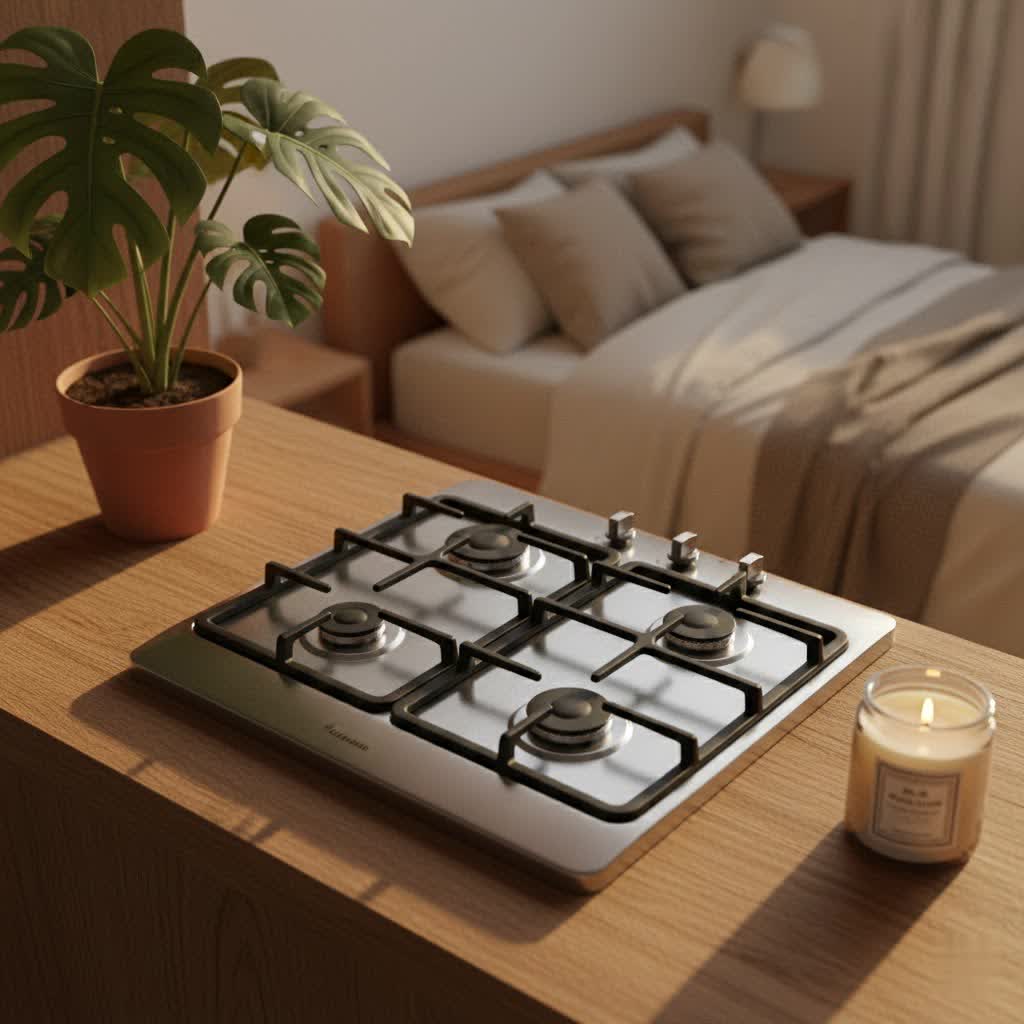
A gas stove is a kitchen appliance that uses natural gas or liquid propane (LPG) as fuel to generate an open flame for cooking. It typically consists of a cooktop with one or more burners, and often an integrated oven, forming what is known as a gas range.
The fundamental components of a gas stove include:
- Burners: These are the primary heat sources, where gas is mixed with air and ignited. They come in various sizes and BTU (British Thermal Unit) ratings to accommodate different cooking needs.
- Grates: Positioned above the burners, these provide a stable surface for cookware. They are typically made of cast iron or enamel-coated steel.
- Flame Spreader (or Burner Cap): Sits on top of the burner, distributing the flame evenly for consistent heating.
- Ignition System: This can be manual (requiring a lighter or match) or automatic (electronic ignition activated by turning a knob).
- Control Knobs: Used to regulate the gas flow to each burner, thereby controlling the flame size and heat intensity.
- Gas Inlet and Manifold: The entry point for the gas supply and the system that distributes gas to each burner.
The operating principle is simple: when a control knob is turned, gas flows into the burner. Simultaneously, the ignition system creates a spark, igniting the gas-air mixture to produce a flame. The heat from this flame is then transferred directly to the cookware, allowing for precise and immediate temperature adjustments.
Types of Gas Stoves: Pros and Cons
Gas stoves come in several configurations, each with distinct advantages and disadvantages suitable for different kitchen layouts and user preferences.
Freestanding Gas Stoves (Ranges)
These are the most common type, combining a cooktop and an oven into a single unit. They typically have finished sides, allowing them to be placed anywhere in the kitchen, often between cabinets or at the end of a counter.
- Pros: Generally more affordable, easier to install as they simply slide into an existing space, and offer a complete cooking solution with both cooktop and oven.
- Cons: Can sometimes appear less integrated into modern kitchen designs compared to built-in models, and side gaps may accumulate spills or debris, making cleaning slightly more challenging.
|
Our Picks for the Best Gas Stove in 2026
As an Amazon Associate I earn from qualifying purchases.
|
||
| Num | Product | Action |
|---|---|---|
| 1 | Empava 30 in. Gas Stove Cooktop 5 Italy Sabaf Sealed Burners NG/LPG Convertible in Black Tempered Glass |

|
| 2 | Avanti Gas Range Oven, Compact Freestanding Design, 4 Sealed Burners with Electronic Ignition, 2.1 Cu.Ft. Capacity Features Storage Drawer Broiler and Accessories, 20-Inch, Black |
|
| 3 | Vivicreate High Pressure Propane Gas Regulator 20 PSIG Outdoor Camping BBQ Grill Stove Burner Estufas de Gas para Cocinar Afuera Es gas propano |
|
| 4 | VEVOR 36 inch Gas Cooktop 5 Burners Gas Stove Top, Max 38300BTU Built-in Stainless Steel Stove Top LPG/NG Convertible Dual Fuel Cooktop Stoves with SABAF Dual-Ring Burner for Kitchen Apartment Rvs |
|
| 5 | GasOne High Pressure Single Propane Burner - Outdoor Cooking with Heat Shield and Guard – Propane Burner Head for Camping, Tailgating, Seafood Boil, Home Brewing - Patent Pending |
|
| 6 | Avanti Gas Range Oven, Compact Freestanding Design, 4 Sealed Burners with Electronic Ignition, 2.1 Cu.Ft. Capacity Features Framed Glass Door Storage Drawer Broiler and Accessories, 20-Inch, White |
|
| 7 | Gas One Propane Double Burner Two Burner Camp Stove with Windscreen Outdoor High Pressure Propane 2 Burner Adjustable PSI Regulator and 4ft Steel Braided Hose With Removable Legs |
|
| 8 | Gas One GS-3400P Propane or Butane Stove Dual Fuel Stove Portable Camping Stove - Patented - with Carrying Case Great for Emergency Preparedness Kit |
|
| 9 | Coleman Triton 2-Burner Propane Stove, Portable Camping Cooktop with 2 Adjustable Burners & Wind Guards, 22,000 BTUs of Power for Camping, Tailgating, Grilling, BBQ, & More |
|
| 10 | Kenmore 5.6 cu. ft. Front Control Gas Range Oven with 5 Cooktop Burners - True Convection, Air Fry, Turbo Boil, Self Clean, Dishwasher Safe Grates, Three Chrome Racks, LP Kit - Stainless Steel |
|
Built-in Gas Stoves (Cooktops)
These refer specifically to gas cooktops that are installed directly into a countertop, with the oven often located separately, typically as a wall oven beneath or beside the cooktop.
- Pros: Offer a sleek, seamless, and highly aesthetic look that integrates beautifully with modern kitchen designs. They free up floor space and are generally easier to clean as spills are contained to the countertop surface.
- Cons: Higher initial cost, require professional installation into a pre-cut countertop opening, and cannot be easily moved.
Portable Gas Stoves (Mini Gas Stoves)
Compact and lightweight, these stoves are designed for temporary use, outdoor cooking, or small spaces. They typically use small, disposable gas canisters.
- Pros: Highly convenient for portability, camping, picnics, or as an emergency backup. They are small, easy to store, and generally inexpensive.
- Cons: Low power output, not suitable for heavy-duty or frequent daily cooking, and fuel canisters need regular replacement.
Comparing Popular Gas Stove Brands
The market offers a wide array of gas stove brands, each with its reputation for quality, features, and target audience. Here’s a comparison of some prominent names:
| Brand | Key Characteristics | Target Audience | Price Range |
|---|---|---|---|
| Rinnai | Known for durability, energy efficiency, and advanced safety features. | Reliability-focused homeowners, long-term investment. | Mid-High |
| Sunhouse | Popular in Asian markets for affordable, functional, and user-friendly models. | Budget-conscious, general home use. | Low-Mid |
| Paloma | Emphasizes robust construction, strong burners, and reliability. | Users prioritizing strong performance and longevity. | Mid |
| Electrolux | Blends sleek European design with innovative features like precise flame control. | Design-conscious users, seeking modern aesthetics. | Mid-High |
| Samsung | Features smart technology, convection ovens, and continuous grates. | Tech-savvy users, modern kitchen focus. | Mid-High |
| LG | Renowned for reliability, high-output burners, convection cooking, and smart features. | Value and feature-driven consumers, seeking performance. | Mid-High |
| Bosch | Offers precise engineering, quiet operation, and sleek, minimalist designs. | European design enthusiasts, quiet operation. | High |
| Miele | Premium brand, exceptional build quality, precise controls, and sophisticated features. | Luxury market, professional-grade home cooking. | Very High |
| Wolf | Professional-grade performance, high heat output, robust construction, iconic red knobs. | Serious home chefs, aspiring professionals. | Ultra-High |
| BlueStar | Open burners for intense heat, customizable colors and finishes, true convection ovens. | Enthusiast cooks, unique aesthetics, high power. | High-Ultra High |
| GE Profile | Good balance of features, reliability, and modern design, often with smart capabilities. | Everyday users, reliable performance, smart features. | Mid-High |
Detailed Comparison Table of Best-Selling Gas Stove Models
Let’s look at some popular and well-regarded gas stove models, highlighting their key specifications and features. This table focuses on common gas cooktop or range features, as specific models vary greatly year to year.
| Feature / Model Type | Entry-Level 4-Burner Freestanding Range | Mid-Range 5-Burner Built-in Gas Cooktop | High-End Professional-Style Gas Range |
|---|---|---|---|
| Typical Brand | Sunhouse, Amana, entry-level GE | Samsung, LG, Electrolux | Wolf, BlueStar, Miele |
| Burner Output | 9,000 BTU – 15,000 BTU (Max) | 5,000 BTU – 18,000 BTU (Max) | 15,000 BTU – 25,000 BTU+ (Max) |
| Number of Burners | 4 | 4-5 (often includes a central high-output) | 4-6 (includes high-output and simmer) |
| Cooktop Material | Enameled Steel, some Tempered Glass | Tempered Glass, Stainless Steel | Stainless Steel |
| Grate Material | Porcelain-coated steel | Continuous Cast Iron | Heavy-Duty Continuous Cast Iron |
| Ignition Type | Automatic Electronic | Automatic Electronic | Automatic Electronic |
| Safety Features | Basic flame failure safety | Flame Failure Safety, Child Lock | Flame Failure Protection, Re-ignition |
| Special Features | Manual cleaning oven | Convection Oven, Griddle option, Smart Connectivity, EasyClean | True Convection, Infrared Broiler, Sous Vide, Customizable Colors |
| Approx. Price | $400 – $800 | $800 – $2,000 | $3,000 – $10,000+ |
Guide to Choosing the Right Gas Stove
Choosing the ideal gas stove requires a thoughtful evaluation of your cooking habits, kitchen space, and budget.
-
Determine Your Usage Needs:
- Family Size and Cooking Frequency: A small family with light cooking may only need a 2-3 burner cooktop, while a larger family or frequent entertainer might require 4-6 burners with varied power outputs.
- Cooking Style: If you often stir-fry or sear, look for burners with high BTU ratings (e.g., 15,000-25,000 BTU). For delicate sauces and simmering, precise low-heat burners (e.g., <5,000 BTU) are essential.
- Oven Use: If you bake or roast frequently, consider a gas range with a convection oven for even cooking.
-
Select the Right Type and Installation:
- Kitchen Space and Layout: Measure your available space precisely. Freestanding ranges offer flexibility, while built-in cooktops create a streamlined look for modern kitchens.
- Budget: Built-in models and professional-style ranges generally cost more than freestanding or portable units.
- Aesthetics: Choose a design and finish (stainless steel, black, white, tempered glass) that complements your kitchen decor.
-
Prioritize Safety Features:
- Flame Failure Protection: This crucial feature automatically cuts off the gas supply if the flame accidentally extinguishes (e.g., due to a draft or liquid spill), preventing gas leaks. Look for models with thermocouples.
- Child Lock: Essential for families with young children, preventing accidental ignition.
- Automatic Re-ignition: Some advanced models will automatically re-ignite a flame if it goes out, adding convenience and safety.
- Certification: Ensure the stove has relevant safety certifications (e.g., ISI in India, CSA in North America).
-
Evaluate Quality and Durability:
- Material: Stainless steel cooktops are durable and easy to clean, while tempered glass offers a sleek appearance. Cast iron grates are robust and provide stable support for heavy pots.
- Burner Material: Full copper burners often offer better heat conductivity and corrosion resistance compared to aluminum alloy.
- Ignition System: Automatic electronic ignition is generally preferred for convenience and reliability over manual ignition.
- Brand Reputation: Stick to reputable brands known for their product quality and customer service.
Tips for Safe and Efficient Gas Stove Use and Maintenance
Proper installation, regular cleaning, and vigilant maintenance are key to ensuring your gas stove operates safely and efficiently for years.
- Correct Installation: For built-in gas cooktops and ranges, professional installation is highly recommended to ensure correct gas line connections and ventilation. Ensure your gas stove is placed on a stable, level surface away from flammable materials and with adequate clearance.
- Regular Cleaning:
- Daily Wipe-Down: Wipe the cooktop surface, grates, and control knobs daily after use to prevent grease and food spills from building up.
- Deep Clean Weekly/Monthly: Remove grates and burner caps, cleaning them with warm, soapy water. Ensure all burner ports are clear of debris to maintain efficient gas flow.
- Clean Spills Immediately: Acids from food like tomato sauce can stain surfaces if left for too long.
- Periodic Inspection:
- Gas Lines and Connections: Regularly check the gas hose and connections for any signs of cracks, kinks, or wear. If you detect a gas odor (like rotten eggs), turn off the gas supply immediately and call a professional.
- Burner Flames: Observe the flames. They should be mostly blue with a small yellow tip. If the flames are largely yellow or orange, it could indicate an issue with the gas-to-air mixture or clogged burner ports, which should be inspected.
- Use Appropriate Cookware: Match the size of your pot or pan to the burner. Using oversized cookware can allow flames to escape, wasting energy and potentially creating a hazard. Use flat-bottomed cookware for even heat distribution.
- Supervise Cooking: Never leave an active gas burner unattended, especially when cooking with high heat or oil. Keep all flammable items (dish towels, paper towels, curtains) away from the stovetop.
- Portable Gas Stoves: Always use portable gas stoves in well-ventilated areas, away from combustible materials. Ensure the gas canister is correctly inserted and removed according to manufacturer instructions. Do not use them indoors for prolonged periods.
Common Gas Stove Problems and Solutions
Even reliable gas stoves can encounter issues. Here’s a look at common problems and how to approach them:
- Gas Stove Not Igniting:
- Cause: Clogged burner ports, wet burner caps, dirty igniter, loose gas connection, power outage (for electronic ignition), or low gas supply.
- Solution: Clean burner ports with a brush or pin, ensure burner caps are dry and correctly placed, clean the igniter with a dry brush, check gas line connections, or verify gas supply. If electronic, check for power.
- Uneven Flame:
- Cause: Clogged burner ports, misaligned burner cap, or issues with the gas-air mixture.
- Solution: Clean burner ports thoroughly. Ensure the burner cap is seated correctly. If the issue persists, it might require professional adjustment of the gas-air mixture.
- Gas Leak (Smell of Rotten Eggs/Hissing Sound):
- Cause: Loose connections, damaged gas line, faulty valve, or pilot light issue.
- Solution: Immediately turn off the main gas supply valve. Open windows and doors for ventilation. Do not operate any electrical switches or appliances. Evacuate the premises and call your gas provider or emergency services from a safe distance. This is a critical safety issue that requires professional attention.
Gas Stove Safety: What You Need to Know
Gas stoves, while efficient, carry inherent risks if not used and maintained properly. Awareness and preventative measures are paramount.
- Risk of Fire and Explosion: Gas leaks are a severe hazard. Natural gas is odorless, but suppliers add a sulfur-like smell (rotten eggs) to help detect leaks. A strong gas smell, a hissing sound, or an unlit burner releasing gas can all indicate a leak, which can lead to fires or explosions.
- Carbon Monoxide (CO) Poisoning: Improper combustion or a faulty stove can produce carbon monoxide, an odorless, colorless, and highly toxic gas. Symptoms include dizziness, headaches, fatigue, and nausea. Prolonged exposure can be fatal.
- Prevention Measures:
- Install Detectors: Place both gas leak detectors and carbon monoxide detectors near the kitchen and in sleeping areas. Test them regularly.
- Ensure Proper Ventilation: Always use an exhaust fan or range hood while cooking with gas to vent fumes and pollutants outside. If you don’t have one, open a window to ensure adequate airflow. Never use a gas oven or stove to heat your home.
- Maintain Clearances: Keep all flammable materials (curtains, towels, plastic containers, paper products) well away from the stovetop.
- Supervise Children and Pets: Never leave young children or pets unsupervised near an operating gas stove.
- Know Emergency Shut-off: Familiarize yourself with the location of your main gas shut-off valve and how to turn it off in an emergency.
- Emergency Situations:
- Gas Leak: Follow the steps mentioned above (turn off gas, ventilate, evacuate, call emergency services).
- Small Grease Fire: If a small fire starts in a pan, cover it with a lid (do not use water), turn off the burner, and let it cool. Keep a multi-purpose fire extinguisher (Class K for kitchen fires) readily accessible.
- Larger Fire: If a fire cannot be contained immediately, evacuate everyone, call emergency services, and do not attempt to fight it yourself.
Where to Buy a Reputable Gas Stove?
Purchasing a gas stove from a reputable source ensures you get an authentic product with proper warranty and after-sales support.
- Appliance Retailers and Superstores: Large chains like Best Buy, Lowe’s, Home Depot, and regional appliance stores offer a wide selection of brands and models. They often have showrooms where you can see and touch the appliances, and sales staff can provide advice. They also typically offer installation services.
- Brand-Specific Showrooms: For premium brands, visiting their dedicated showrooms can provide a more in-depth experience and access to their full range of products.
- Online Retailers: Websites like Amazon, Wayfair, and the official brand websites also sell gas stoves.
- Tips for Online Buying: Always choose reputable sellers. Read product descriptions, specifications, and customer reviews carefully. Verify the warranty and return policy. Inspect the product thoroughly upon delivery for any damage before signing acceptance.
Reference Price List for Gas Stoves (Latest Update)
Gas stove prices can vary significantly based on type, brand, features, and material. Here’s a general price reference:
| Type of Gas Stove | Price Range (Approx. USD) | Key Factors Influencing Price |
|---|---|---|
| Portable Gas Stove | $20 – $100 | Simplicity, compact design, number of burners, fuel type |
| 2-Burner Cooktop | $50 – $250 | Basic functionality, material (stainless steel vs. tempered glass) |
| 3-4 Burner Cooktop | $150 – $800 | Brand, material, auto-ignition, flame failure safety, design |
| Freestanding Range | $400 – $2,500 | Number of burners, oven features (convection), brand, smart features |
| Built-in Range | $800 – $4,000 | Premium design, advanced features, brand reputation, material |
| Professional-Style Range | $3,000 – $15,000+ | High BTU output, heavy-duty construction, specialized features, luxury brand, customization |
Prices are subject to change based on sales, promotions, and new model releases. Always compare prices from different retailers and consider the overall value, including warranty and service, not just the initial cost.
Conclusion: Smart Gas Stove Choices for Your Family
Choosing the right gas stove is an investment in your home and your culinary passion. By understanding the different types, prioritizing essential safety features, evaluating brands, and considering your unique cooking needs, you can confidently select an appliance that enhances your kitchen’s functionality and aesthetic. From the bustling family kitchen to the aspiring home chef’s sanctuary, a well-chosen gas stove promises years of reliable performance and delicious meals. What essential feature will guide your next gas stove purchase?
