Choosing the ideal cooktop for your kitchen can often feel like a culinary crossroads. On one side, the traditional allure of gas offers immediate flame control and a chef-favorite experience. On the other, the modern marvel of induction promises unmatched efficiency and sleek design. But what if you didn’t have to choose? Enter the hybrid induction gas cooktop, an innovative solution that seamlessly blends the best attributes of both technologies into a single, versatile appliance. This comprehensive guide will explore everything you need to know about these advanced cooktops, helping you decide if this “best of both worlds” option is the perfect fit for your home and cooking style.
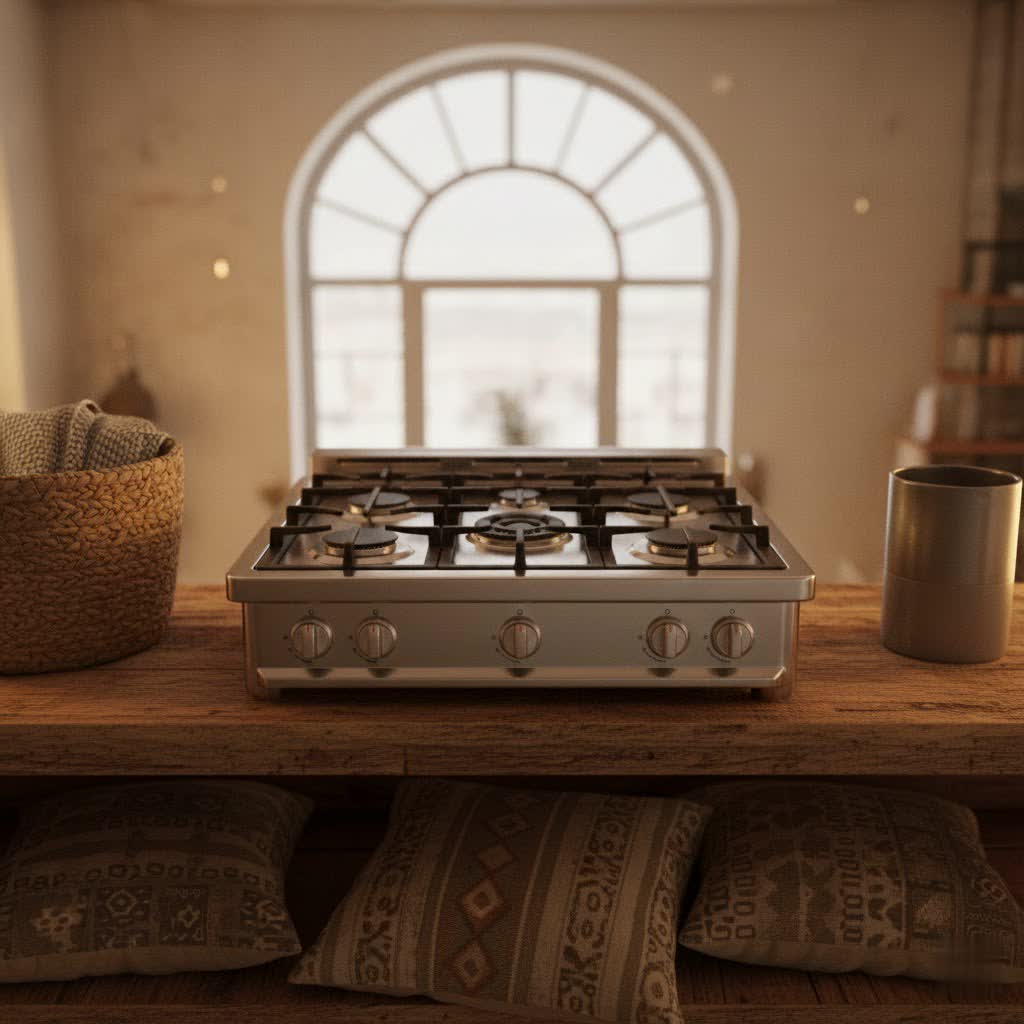
What is a Hybrid Induction Gas Cooktop? Structure and Operating Principles
A hybrid induction gas cooktop is an advanced kitchen appliance that integrates both gas burners and induction zones onto a single cooking surface. This innovative design allows home chefs to leverage the distinct advantages of each heating method for diverse culinary needs.
Gas Cooktop Essentials: Traditional gas cooktops operate by burning natural gas or propane to produce an open flame. Key components include:
- Burners: These are where the gas ignites and the flame is produced.
- Grates: Positioned above the burners, they support cookware and are typically made of cast iron or enamel-coated steel.
- Flame Spreaders: Often part of the burner cap, they ensure an even distribution of the flame.
- Ignition System: An electronic igniter or pilot light sparks the gas.
The principle is straightforward: gas flows to the burner, mixes with air, and is ignited, creating a visible flame that directly heats your pots and pans.
Induction Cooktop Essentials: In contrast, induction cooktops operate on electromagnetic energy. Their primary components include:
- Copper Coils: Located beneath the ceramic-glass surface, these coils generate a magnetic field.
- Ceramic-Glass Surface: This smooth, flat surface remains relatively cool to the touch during cooking.
- Control Panel: Typically touch-sensitive, allowing precise temperature adjustments.
The operating principle involves passing an alternating electric current through the copper coils, creating a fluctuating magnetic field. When ferromagnetic cookware is placed on an induction zone, this field induces an electrical current within the pot or pan itself, causing it to heat up directly. The cooktop surface itself does not generate heat, minimizing energy loss and making it safer.
The Hybrid Advantage: A hybrid induction gas cooktop strategically places these two distinct systems side-by-side. This means you might have one or two powerful gas burners perfect for wok cooking or charring, alongside two or more induction zones ideal for rapid boiling, precise simmering, or melting chocolate. This combination offers unparalleled flexibility, allowing you to choose the optimal cooking method for each dish simultaneously.
Exploring Cooktop Types: Pros and Cons of Gas, Induction, and Hybrid Models
Understanding the individual strengths and weaknesses of gas and induction technologies is key to appreciating the value of a hybrid cooktop.
Gas Cooktops: Long-favored by many chefs for their hands-on control and traditional appeal.
- Pros:
- Immediate Visual Control: Flames respond instantly to adjustments, offering intuitive heat management.
- Cookware Versatility: Compatible with all types of pots and pans, including cast iron, stainless steel, copper, and aluminum.
- High-Heat Cooking: Excellent for charring, searing, and traditional wok cooking, providing intense, enveloping heat.
- Power Outage Functionality: Most models can be manually ignited with a match during electricity outages.
- Cons:
- Lower Energy Efficiency: A significant amount of heat escapes into the air, making them less efficient than induction.
- Harder to Clean: Burners, grates, and crevices can accumulate spills and grease, requiring more effort to maintain.
- Heat Radiation: Contributes more heat to the kitchen environment, which can be undesirable in warmer climates.
- Indoor Air Quality Concerns: Gas combustion can release emissions that require good ventilation.
- Safety Risks: Open flames increase the risk of burns and accidental fires, and gas leaks are a potential hazard.
Induction Cooktops: Represent the pinnacle of modern cooking technology.
- Pros:
- Exceptional Efficiency: Heat is generated directly inside the pan, minimizing energy waste and often leading to faster cooking times.
- Rapid Response & Precision: Offers instant temperature changes from very high to very low heats, ideal for delicate sauces or quick boiling.
- Cooler Surface: The cooktop surface remains relatively cool, reducing the risk of burns and making spills less likely to bake on.
- Sleek and Easy to Clean: A flat, smooth glass surface allows for effortless wiping of spills.
- Improved Safety: No open flame, and the cooking zone stops heating when cookware is removed.
- Cons:
- Cookware Compatibility: Requires specific magnetic (ferromagnetic) cookware; non-magnetic pots and pans will not heat.
- Higher Upfront Cost: Premium technology and electrical requirements can lead to increased purchase and installation expenses.
- Learning Curve: The flameless, silent cooking experience can feel different for those accustomed to gas.
- Glass Surface Vulnerability: Heavy or abrasive cookware must be handled with care to avoid scratching the glass.
Hybrid Induction Gas Cooktops: The best of both worlds, these appliances offer remarkable versatility.
- Pros:
- Unparalleled Versatility: Allows cooks to choose the ideal heating method for any dish, from precise simmering on induction to high-heat wok cooking on gas.
- Energy Optimization: Leverage the efficiency of induction for everyday tasks and the power of gas for specialized cooking, potentially balancing energy costs.
- Reliability During Power Outages: The gas burners can still be used even when electricity is unavailable, providing peace of mind.
- Combined Safety Features: Benefits from the cool-to-touch surface and auto-shutoff of induction, alongside gas safety shut-off valves.
- Aesthetic Appeal: Often features a sleek, modern design that integrates well with various kitchen styles.
- Cons:
- Highest Upfront Cost: Combining two advanced technologies generally makes them more expensive than single-fuel cooktops.
- Complex Installation: Requires both gas and electrical connections, potentially increasing installation costs and complexity.
- Space Consideration: May require more counter space than single-fuel options, depending on the number of burners/zones.
Leading Brands in Hybrid Induction Gas Cooktops
Several reputable appliance manufacturers offer high-quality hybrid induction gas cooktops, each bringing their unique design philosophy and feature sets to the market. When considering a purchase, look for brands known for innovation, durability, and customer support.
Some of the prominent brands that offer hybrid models include:
- Teka: Known for their “The Hybrid” range, offering models with various configurations of gas and induction zones, often with direct functions and sleek black glass finishes.
- Fisher & Paykel: Provides dual-fuel cooktops that blend powerful wok burners with flexible induction zones, often featuring SmartZone technology for connecting multiple induction areas.
- Smeg: Offers stylish hybrid cooktops that combine the speed and efficiency of induction with powerful gas zones, perfect for a wide range of cooking needs.
- Electrolux: Features hybrid induction cooktops with gas hobs, emphasizing design and advanced cooking functionalities.
- ASKO: Their Duo Fusion range combines gas and induction for professional-level cooking experiences, focusing on robust construction and intuitive controls.
These brands often stand out for their commitment to quality materials, advanced safety features, and user-friendly interfaces, ensuring a premium cooking experience.
Detailed Comparison: Gas, Induction, and Hybrid Cooktops
To further clarify the choice, here’s a comparative overview of the three primary cooktop types:
| Feature/Criterion | Gas Cooktop | Induction Cooktop | Hybrid Induction Gas Cooktop |
|---|---|---|---|
| Heat Source | Open flame (natural gas/propane) | Electromagnetic field (electricity) | Open flame + Electromagnetic field |
| Heating Method | Indirectly heats cookware via flame | Directly heats ferromagnetic cookware | Combination of direct and indirect heating |
| Temperature Control | Instant visual flame adjustment | Instantaneous, precise digital control | Instantaneous digital & visual flame control |
| Energy Efficiency | Moderate (some heat loss to air) | High (minimal heat loss) | High (can optimize based on cooking need) |
| Cooking Speed | Fast, especially for high-heat techniques | Very fast, especially for boiling | Very fast for all tasks |
| Cookware Compatibility | All types | Magnetic (cast iron, some stainless steel) | All types (uses appropriate zone) |
| Safety | Open flame risk, gas leak potential | Cool-to-touch surface, no flame, auto-off | Enhanced (cool-to-touch & gas safety valves) |
| Cleaning | More challenging (grates, crevices) | Very easy (flat, smooth surface) | Easier (induction zones), manageable (gas grates) |
| Aesthetics | Traditional, robust look | Sleek, modern, minimalist | Modern, offers design versatility |
| Installation | Gas line connection | Electrical connection (high amperage) | Both gas and high-amperage electrical connections |
| Price Range | Mid-low | Mid-high | High-premium |
Guide to Choosing the Right Cooktop for Your Home
Selecting the perfect cooktop, especially a hybrid model, involves careful consideration of your cooking habits, kitchen space, and budget.
1. Determine Your Cooking Needs and Style:
- Family Size and Cooking Frequency: For large families or frequent cooks, multiple cooking zones (gas and induction) on a hybrid cooktop can be incredibly efficient.
- Cooking Preferences: Do you frequently use a wok, sear meats at high temperatures, or prefer slow simmering? A hybrid unit provides the best tool for each technique. The gas burners are ideal for traditional wok cooking or charring, while induction excels at precise temperature control for delicate sauces or rapid boiling.
- Cookware Collection: If you have beloved non-magnetic pots and pans, a hybrid cooktop allows you to continue using them on the gas burners while embracing induction for compatible items.
2. Assess Your Kitchen Space and Layout:
- Counter Space: Hybrid cooktops vary in size. Measure your available counter space to ensure a proper fit.
- Ventilation: All cooktops require adequate ventilation, but gas burners, in particular, necessitate a powerful range hood to manage heat, moisture, and emissions.
- Utility Connections: A hybrid model requires both a gas line and a dedicated high-amperage electrical circuit. Verify your kitchen has the necessary infrastructure or plan for professional installation and upgrades.
3. Prioritize Safety Features:
- Automatic Gas Shut-off: Essential for gas burners, this feature automatically cuts off the gas supply if the flame extinguishes unexpectedly.
- Residual Heat Indicators: For induction zones, these lights warn you if the surface is still hot from transferred heat from cookware.
- Child Lock: A valuable feature for both gas and induction controls, preventing accidental activation.
- Pan Detection (Induction): Induction zones only activate when compatible cookware is present, enhancing safety and energy efficiency.
4. Consider Quality, Brand, and Warranty:
- Reputable Brands: Choose cooktops from established brands known for appliance quality and reliability.
- Certifications: Look for safety certifications.
- Warranty: A good warranty provides peace of mind and protection against potential issues. Investigate the length and coverage provided by the manufacturer.
- Reviews: Read customer reviews and look for first-hand experiences to gauge real-world performance and reliability.
Tips for Safe and Efficient Use and Maintenance of Your Hybrid Cooktop
Proper usage and regular maintenance are crucial for ensuring the longevity, safety, and optimal performance of your hybrid induction gas cooktop.
Installation:
- Professional Expertise: Due to the dual utility requirements (gas and electricity), professional installation is highly recommended. This ensures all connections are safe, compliant with local codes, and properly configured for optimal performance.
Daily Use:
- Match Cookware to Zone: Always use ferromagnetic cookware on induction zones and any type of cookware on gas burners.
- Correct Pot Size: For induction, match the pan size to the cooking zone for maximum efficiency. For gas, ensure the flame doesn’t extend beyond the base of the pot.
- Ventilation: Always use your range hood when cooking, especially with gas burners, to manage heat, steam, and odors.
Cleaning and Maintenance:
- Induction Zones: The flat glass surface is incredibly easy to clean. Wipe spills immediately with a damp cloth; baked-on food is rare as the surface remains cool. Use a ceramic hob cleaner for stubborn marks.
- Gas Burners and Grates: For gas elements, remove the grates and burner caps regularly. Wash them with warm, soapy water and a non-abrasive scrubber. Ensure all parts are completely dry before reassembling. The cooktop surface beneath the gas burners can be cleaned with appropriate kitchen cleaners.
- Regular Inspection: Periodically check gas lines for any signs of wear or damage. Ensure burner ports are clear of food debris to maintain even flame distribution.
Safety Precautions:
- Gas Leak Awareness: If you smell gas, immediately turn off all gas connections, open windows, and evacuate. Do not use electrical switches or phones inside the house. Contact your gas provider or emergency services from outside.
- Never Leave Cooking Unattended: This is a universal rule, but especially critical with open flames or rapid induction heating.
- Child Safety: Utilize child lock features and keep children away from the cooktop during and after use, as surfaces can retain residual heat.
Common Cooktop Issues and Troubleshooting Tips
Even with the best appliances, occasional issues can arise. Here’s a guide to common problems and how to address them for both gas and induction elements of your hybrid cooktop.
Gas Burner Issues:
- Burner Not Igniting:
- Cause: Gas supply off, igniter dirty/wet, spark module failure, power outage (for electronic ignition).
- Fix: Check gas valve. Clean igniter with a dry brush. Ensure burner caps are properly seated. If no power, try manual ignition with a match.
- Uneven Flame:
- Cause: Clogged burner ports, burner cap incorrectly placed, gas pressure issue.
- Fix: Clean burner ports with a small wire or needle. Reseat the burner cap.
- Gas Smell (without visible flame):
- Cause: Gas leak.
- Fix: IMMEDIATELY turn off gas supply, ventilate, evacuate, and call for professional help. Do not use electrical devices.
Induction Zone Issues:
- Cooktop Not Heating / Error Code Displayed:
- Cause: Incompatible cookware, pan not centered, small pan size, internal fault.
- Fix: Ensure cookware is magnetic and covers a significant portion of the zone. Center the pan. Refer to the user manual for specific error codes.
- Cookware Making Noise:
- Cause: Induction cooking can sometimes cause a slight hum or buzz due to the vibrating magnetic field, especially with certain cookware types or at high power settings.
- Fix: This is usually normal. Try a different pan or adjust the power level.
- Power Fluctuation/Tripping Breaker:
- Cause: Overload on the circuit, faulty wiring, internal component issue.
- Fix: Ensure other high-power appliances aren’t on the same circuit. If persistent, contact a qualified electrician or appliance technician.
General Troubleshooting:
- Consult Your Manual: The appliance user manual is your best resource for specific troubleshooting steps and error code interpretations.
- Professional Service: For complex issues, gas leaks, or electrical problems, always contact a certified appliance technician or plumber. Do not attempt DIY repairs involving gas or high-voltage electricity unless you are qualified.
Cooktop Safety: Essential Considerations for Your Kitchen
Safety is paramount in any kitchen, and understanding the risks associated with both gas and induction cooking, as well as the preventative measures, is crucial.
Risks Associated with Gas Cooktops:
- Fire Hazards: Open flames can ignite flammable materials, clothing, or cooking oils if left unattended.
- Gas Leaks: Malfunctioning gas lines or unattended burners can lead to gas leaks, posing risks of explosion and carbon monoxide poisoning.
- Burns: Direct contact with flames, hot grates, or hot pots can cause severe burns.
- Indoor Air Quality: Gas combustion can release pollutants like nitrogen dioxide and carbon monoxide, requiring good ventilation.
Risks Associated with Induction Cooktops:
- Transferred Heat Burns: While the cooktop itself doesn’t generate heat, the hot cookware transfers heat to the glass surface, which can cause burns if touched immediately after cooking.
- Scratches/Cracks: The glass-ceramic surface can be scratched by abrasive materials or cracked by heavy impacts.
Preventative Measures for Hybrid Cooktops:
- Proper Ventilation: Always use a well-maintained range hood to remove smoke, steam, and any gas byproducts.
- Regular Maintenance: Have gas lines inspected annually by a professional. Clean your cooktop regularly, ensuring no food debris blocks gas ports.
- Install Smoke and Carbon Monoxide Detectors: Essential for early warning in case of fire or gas leaks.
- Keep Flammable Items Away: Ensure curtains, paper towels, and other flammable materials are not near the cooktop.
- Never Leave Cooking Unattended: The most effective way to prevent kitchen fires.
- Use Child Safety Locks: Engage child locks on controls to prevent accidental activation.
- Emergency Preparedness: Know where your main gas shut-off valve is located and how to turn it off. Have a fire extinguisher readily available in the kitchen.
Where to Purchase Reputable Hybrid Induction Gas Cooktops?
Investing in a hybrid induction gas cooktop is a significant decision, and purchasing from a reputable source ensures you receive a quality product with reliable support.
1. Appliance Showrooms and Major Retailers:
- Benefit: These stores offer the advantage of seeing the cooktops in person, allowing you to assess size, design, and control interfaces. Sales associates can provide detailed information, answer questions, and help with comparison. Many offer professional installation services and extended warranties. Brands like Teka, Fisher & Paykel, Smeg, Electrolux, and ASKO are often displayed here.
- Consideration: Prices may be slightly higher than online-only retailers, but the in-person experience and immediate support can be invaluable.
2. Authorized Dealers:
- Benefit: Purchasing from an authorized dealer of a specific brand often ensures expert knowledge, access to original parts, and specialized after-sales service.
- Consideration: Selection might be limited to a single brand or a smaller range.
3. Online Retailers:
- Benefit: Online platforms often provide competitive pricing and a wider selection of models. They also make it easy to compare features and read customer reviews.
- Consideration: Carefully review product specifications, check the seller’s reputation, and understand their return and warranty policies. Ensure you are buying from a legitimate and authorized seller to guarantee warranty validity. Confirm if installation services are offered or if you need to arrange them independently.
When making your purchase, prioritize retailers that offer:
- Comprehensive Warranties: Both manufacturer and extended warranties.
- Professional Installation Services: Especially for dual-fuel appliances.
- Excellent Customer Service: For any questions or issues post-purchase.
Reference Cooktop Price List (Latest Update)
Prices for cooktops vary significantly based on brand, size, number of burners/zones, features, and materials. The following are general price ranges as of early 2026, intended for reference.
-
Standard Gas Cooktops (4-5 burners):
- Entry-level: $400 – $800
- Mid-range: $800 – $1,500
- High-end/Professional: $1,500 – $3,000+
-
Standard Induction Cooktops (4 zones):
- Entry-level: $700 – $1,200
- Mid-range: $1,200 – $2,500
- High-end/Advanced Features: $2,500 – $4,000+
-
Hybrid Induction Gas Cooktops (Mixed zones):
- Mid-range: $1,500 – $3,500
- High-end/Luxury Brands: $3,500 – $7,000+ (or more, for integrated range cookers)
Remember that these are indicative prices and can fluctuate due to promotions, regional differences, and specific model features (e.g., wok burners, bridgeable induction zones, smart connectivity). Installation costs for hybrid models, which require both gas and electrical work, will also be higher than for single-fuel units.
Conclusion: Making a Smart Cooktop Choice for Your Family
The journey to finding the perfect cooktop often involves weighing the traditional strengths of gas against the cutting-edge efficiency of induction. However, the emergence of hybrid induction gas cooktops offers a compelling solution, bridging this gap by combining the best of both worlds into one sophisticated appliance. These versatile cooktops empower you with the precision and speed of induction for everyday tasks, alongside the robust power and visual control of gas for specialized culinary creations.
Choosing a hybrid cooktop means embracing flexibility, optimizing energy usage, and ensuring reliability even during power outages. While the initial investment might be higher, the enhanced cooking experience, advanced safety features, and long-term efficiency often make it a worthwhile upgrade for any modern kitchen.
Are you ready to elevate your culinary endeavors with the unparalleled versatility of a hybrid induction gas cooktop?
Frequently Asked Questions
What are the main benefits of a hybrid induction gas cooktop?
|
Our Picks for the Best Gas Stove in 2026
As an Amazon Associate I earn from qualifying purchases.
|
||
| Num | Product | Action |
|---|---|---|
| 1 | Vivicreate High Pressure Propane Gas Regulator 20 PSIG Outdoor Camping BBQ Grill Stove Burner Estufas de Gas para Cocinar Afuera Es gas propano |

|
| 2 | VEVOR 36 inch Gas Cooktop 5 Burners Gas Stove Top, Max 38300BTU Built-in Stainless Steel Stove Top LPG/NG Convertible Dual Fuel Cooktop Stoves with SABAF Dual-Ring Burner for Kitchen Apartment Rvs |
|
| 3 | Empava 30 in. Gas Stove Cooktop 5 Italy Sabaf Sealed Burners NG/LPG Convertible in Black Tempered Glass |
|
| 4 | GasOne High Pressure Single Propane Burner - Outdoor Cooking with Heat Shield and Guard – Propane Burner Head for Camping, Tailgating, Seafood Boil, Home Brewing - Patent Pending |
|
| 5 | Kenmore 5.6 cu. ft. Front Control Gas Range Oven with 5 Cooktop Burners - True Convection, Air Fry, Turbo Boil, Self Clean, Dishwasher Safe Grates, Three Chrome Racks, LP Kit - Stainless Steel |
|
| 6 | Coleman Triton 2-Burner Propane Stove, Portable Camping Cooktop with 2 Adjustable Burners & Wind Guards, 22,000 BTUs of Power for Camping, Tailgating, Grilling, BBQ, & More |
|
| 7 | Gas One GS-3400P Propane or Butane Stove Dual Fuel Stove Portable Camping Stove - Patented - with Carrying Case Great for Emergency Preparedness Kit |
|
| 8 | Avanti Gas Range Oven, Compact Freestanding Design, 4 Sealed Burners with Electronic Ignition, 2.1 Cu.Ft. Capacity Features Storage Drawer Broiler and Accessories, 20-Inch, Black |
|
| 9 | Gas One Propane Double Burner Two Burner Camp Stove with Windscreen Outdoor High Pressure Propane 2 Burner Adjustable PSI Regulator and 4ft Steel Braided Hose With Removable Legs |
|
| 10 | Avanti Gas Range Oven, Compact Freestanding Design, 4 Sealed Burners with Electronic Ignition, 2.1 Cu.Ft. Capacity Features Framed Glass Door Storage Drawer Broiler and Accessories, 20-Inch, White |
|
A hybrid induction gas cooktop offers the best of both cooking methods: the instant, precise temperature control and energy efficiency of induction, combined with the powerful, visual flame control and universal cookware compatibility of gas. This allows for diverse cooking techniques and ensures functionality even during power outages.
Do I need special cookware for a hybrid induction gas cooktop?
You will need ferromagnetic (magnetic) cookware for the induction zones of a hybrid cooktop, such as cast iron or magnetic stainless steel. However, the gas burners are compatible with all types of cookware, including aluminum, copper, and ceramic, giving you complete flexibility.
Is a hybrid induction gas cooktop more difficult to install than a regular cooktop?
Yes, hybrid induction gas cooktops require both a gas line connection and a dedicated high-amperage electrical circuit. This dual-fuel requirement typically makes their installation more complex and necessitates professional installation by qualified technicians to ensure safety and proper operation.
Are hybrid induction gas cooktops energy efficient?
Hybrid cooktops can be very energy efficient. While gas burners have some inherent heat loss, the highly efficient induction zones minimize wasted energy. By choosing the most appropriate cooking method for each task, you can optimize energy usage and potentially reduce overall utility bills.
What safety features should I look for in a hybrid induction gas cooktop?
Key safety features include automatic gas shut-off valves for gas burners, residual heat indicators on induction zones, and child lock functions. Induction zones also offer inherent safety as they only heat compatible cookware and cool down quickly after use, reducing burn risks.
