Navigating the world of kitchen appliances can be daunting, especially when space is a premium. For many, a compact kitchen means sacrificing functionality, but that doesn’t have to be the case. The 20-inch gas stove emerges as a powerful, efficient, and surprisingly versatile solution, meticulously designed to fit snugly into smaller living areas like apartments, tiny homes, and RVs without compromising on culinary capabilities. This guide will walk you through everything you need to know about these space-saving marvels, from their core components and benefits to choosing, installing, and maintaining the perfect model for your home.
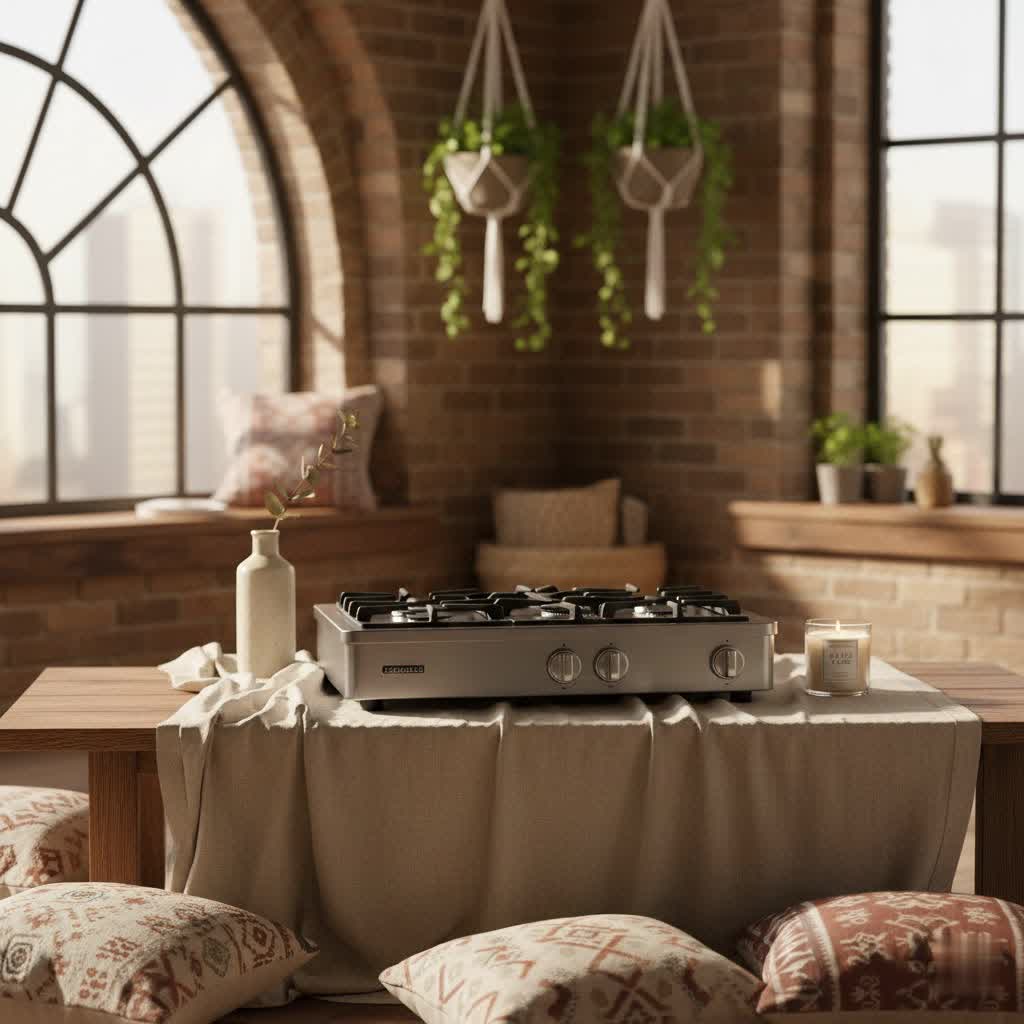
Understanding the 20-Inch Gas Stove: Definition and Design
A 20-inch gas stove, often referred to as a compact gas range, is a full-featured cooking appliance specifically engineered with a narrower width to accommodate kitchens where every inch counts. While standard ranges typically measure 30 inches wide, these 20-inch versions offer a complete cooktop and oven experience in a significantly reduced footprint.
At its core, a 20-inch gas stove functions much like its larger counterparts, utilizing natural gas or liquid propane to generate heat for both surface cooking and baking. Key components typically include:
- Burners: Usually three to four burners, offering a range of BTU outputs for everything from a gentle simmer to a rapid boil. Sealed burners are a popular feature, making cleanup easier.
- Grates: Often made of cast iron, these provide a stable surface for cookware and help distribute heat evenly.
- Oven: A compact oven cavity, generally ranging from 2.0 to 2.6 cubic feet, capable of baking and sometimes broiling. Many models include an oven light and a clear glass door for monitoring.
- Ignition System: Most modern 20-inch gas stoves feature automatic electronic ignition for quick and reliable startups.
- Controls: User-friendly knobs typically control burner flame intensity and oven temperature.
These stoves come predominantly as freestanding units, meaning they can stand alone or be placed between cabinets, offering flexibility in kitchen layout.
The Advantages and Considerations of 20-Inch Gas Ranges
Choosing a 20-inch gas stove comes with a distinct set of advantages, particularly for those in compact living situations. However, it’s also important to acknowledge their limitations to ensure it’s the right fit for your culinary style.
Key Advantages:
- Space-Saving Design: This is the paramount benefit. Their narrow width allows them to fit into tight kitchen layouts, studio apartments, RVs, and secondary kitchens, freeing up valuable counter space.
- Precise Heat Control: Gas burners offer instant and precise heat adjustments, giving cooks superior control over cooking temperatures compared to electric coil stovetops.
- Energy Efficiency: Cooking with natural gas can often be more cost-effective than electricity, potentially leading to lower utility bills.
- Powerful Cooking Performance: Despite their size, many 20-inch gas stoves come with burners that provide substantial BTU output, allowing for quick heating and efficient cooking.
- Easy Maintenance: Many models feature sealed burners and stainless steel cooktops, designed for straightforward cleaning, quickly containing spills and preventing food from getting trapped.
|
Our Picks for the Best Gas Stove in 2026
As an Amazon Associate I earn from qualifying purchases.
|
||
| Num | Product | Action |
|---|---|---|
| 1 | Coleman Triton 2-Burner Propane Stove, Portable Camping Cooktop with 2 Adjustable Burners & Wind Guards, 22,000 BTUs of Power for Camping, Tailgating, Grilling, BBQ, & More |

|
| 2 | Gas One GS-3400P Propane or Butane Stove Dual Fuel Stove Portable Camping Stove - Patented - with Carrying Case Great for Emergency Preparedness Kit |
|
| 3 | Gas One Propane Double Burner Two Burner Camp Stove with Windscreen Outdoor High Pressure Propane 2 Burner Adjustable PSI Regulator and 4ft Steel Braided Hose With Removable Legs |
|
| 4 | Avanti Gas Range Oven, Compact Freestanding Design, 4 Sealed Burners with Electronic Ignition, 2.1 Cu.Ft. Capacity Features Framed Glass Door Storage Drawer Broiler and Accessories, 20-Inch, White |
|
| 5 | Vivicreate High Pressure Propane Gas Regulator 20 PSIG Outdoor Camping BBQ Grill Stove Burner Estufas de Gas para Cocinar Afuera Es gas propano |
|
| 6 | Kenmore 5.6 cu. ft. Front Control Gas Range Oven with 5 Cooktop Burners - True Convection, Air Fry, Turbo Boil, Self Clean, Dishwasher Safe Grates, Three Chrome Racks, LP Kit - Stainless Steel |
|
| 7 | Empava 30 in. Gas Stove Cooktop 5 Italy Sabaf Sealed Burners NG/LPG Convertible in Black Tempered Glass |
|
| 8 | GasOne High Pressure Single Propane Burner - Outdoor Cooking with Heat Shield and Guard – Propane Burner Head for Camping, Tailgating, Seafood Boil, Home Brewing - Patent Pending |
|
| 9 | Avanti Gas Range Oven, Compact Freestanding Design, 4 Sealed Burners with Electronic Ignition, 2.1 Cu.Ft. Capacity Features Storage Drawer Broiler and Accessories, 20-Inch, Black |
|
| 10 | VEVOR 36 inch Gas Cooktop 5 Burners Gas Stove Top, Max 38300BTU Built-in Stainless Steel Stove Top LPG/NG Convertible Dual Fuel Cooktop Stoves with SABAF Dual-Ring Burner for Kitchen Apartment Rvs |
|
Important Considerations:
- Limited Oven Capacity: The compact oven volume (typically 2-2.6 cubic feet) means it might not accommodate very large roasts or multiple baking dishes simultaneously, which could be a drawback for large families or those who bake frequently.
- Potentially Cramped Cooktop: While most 20-inch ranges have multiple burners, using several large pots or pans at once can feel tight. Careful planning of cookware might be necessary.
- Fewer Advanced Features: Compared to high-end, full-sized ranges, 20-inch models might offer fewer advanced features like convection baking, smart connectivity, or multiple oven racks, though some premium compact models are beginning to integrate more modern amenities.
Top Brands and Models: A Comparative Look
The market for 20-inch gas stoves, while specialized, offers several reputable brands known for their reliability and performance in compact formats. Here’s a look at some leading names and a comparative overview of typical features you might find across popular models.
Leading brands frequently found in the 20-inch gas stove category include:
- Hotpoint: Often praised for being reliable, basic, and offering good value for its price, fitting well into small spaces.
- Amana: Noted for its compact size, fitting small kitchens and apartments while still providing ample cooktop space.
- Avanti: Known for sleek designs, automatic electronic ignition, and versatile burner options (rapid, semi-rapid, simmer), often including LP conversion kits.
- Summit: Offers ADA-compliant models with varied burner BTUs and efficient ovens, designed for maximum efficiency in tight spaces.
- FORNO: Positioned as a more powerful option, with higher BTU output across sealed burners and robust construction, ideal for serious home cooks in smaller settings.
- Premier and Danby: Also contribute to the market with various models catering to compact kitchen needs.
Here’s a general comparison of common features you might encounter across popular 20-inch gas stove models:
| Feature | Hotpoint (e.g., RGAS200DMWW) | Amana (e.g., AGG222VDW) | Avanti (e.g., GR2013CSS) | Summit (e.g., RG200WS) | FORNO (e.g., FFRGS6000-20) |
|---|---|---|---|---|---|
| Oven Capacity | ~2.3 cu. ft. | ~2.6 cu. ft. | ~2.0 cu. ft. | ~2.3 cu. ft. | ~2.05 cu. ft. |
| Burner Count | 4 | 4 | 4 | 4 | 4 |
| Max Burner BTU (Approx.) | 9,000 BTU | 9,000 BTU | 10,000 BTU | 12,000 BTU | 21,200 BTU (total) |
| Ignition Type | Electronic | Electronic | Electronic | Electronic | Electronic |
| Oven Features | Manual clean, bottom broiler | Oven light, bottom broiler | Oven light, glass door, bottom broiler | Bottom broiler | Insulated door, 3-layer glass, bottom broiler |
| LP Conversion Kit | Often included | Available | Included | Available | Included |
| Design | Basic, white | White | Stainless steel/black | Stainless steel | Stainless steel |
| Safety Features | Anti-tip bracket | Anti-tip bracket | Anti-tip bracket | ADA compliant, anti-tip bracket | Anti-tip bracket |
Each brand typically offers models with sealed burners for easy cleaning, sturdy grates, and straightforward controls. While Hotpoint and Amana might cater to a more budget-conscious consumer looking for basic functionality, Avanti and Summit provide a step up in features and aesthetics. FORNO, with its higher BTU output and robust construction, often targets users seeking professional-grade performance in a compact form.
Key Features to Look For in a 20-Inch Gas Stove
When selecting a 20-inch gas stove, focusing on specific features can significantly enhance your cooking experience and ensure the appliance meets your unique needs.
- Burner Configuration & BTU Output: Look for a variety of burner power levels. A high-BTU burner (e.g., 9,000-12,000 BTU) is great for rapid boiling or searing, while a low-BTU simmer burner (e.g., 5,000 BTU) is essential for delicate sauces. Sealed burners are highly recommended for easier cleaning and to prevent spills from entering the stove’s interior.
- Oven Capacity & Features: Consider the usable cubic feet to ensure it meets your baking needs. An oven light and a clear glass door are convenient for monitoring food without opening the door and losing heat. A dedicated broiler, often located in a drawer beneath the oven, adds versatility.
- Ignition System: Modern stoves almost exclusively use electronic ignition, which provides a consistent spark to light burners and is generally more reliable and safer than pilot lights.
- Safety Features: This is paramount. An anti-tip bracket is a mandatory safety device that prevents the range from tipping forward when weight is applied to the open oven door. Look for models with automatic gas shut-off if the flame extinguishes. If you plan to use propane, ensure the stove comes with an LP conversion kit or is easily convertible.
- Material & Durability: Stainless steel finishes offer a sleek, modern look and are generally durable and easy to clean. Cast iron grates are robust, provide excellent heat retention, and offer a stable surface for cookware. Prioritize materials that can withstand daily cooking demands.
- Design & Aesthetics: While secondary to functionality, choose a stove that complements your kitchen’s overall style. Options range from classic white to modern stainless steel and black finishes.
A Step-by-Step Guide to Choosing Your Ideal 20-Inch Gas Stove
Choosing the right 20-inch gas stove involves a thoughtful assessment of your space, cooking habits, and budget. Here’s a guide to help you make an informed decision:
-
Assess Your Kitchen Space:
- Measure Accurately: This is crucial for a 20-inch range. Measure the width, depth, and height of the designated appliance space. Remember to account for any necessary clearance around the stove for proper ventilation and door opening.
- Utilities Check: Confirm the availability and location of a gas line (natural gas or LP) and a grounded 110-volt electrical outlet for the electronic ignition.
- Ventilation: Ensure your kitchen has adequate ventilation, such as an exhaust fan or range hood, especially important for gas appliances.
-
Define Your Cooking Needs:
- Family Size and Cooking Frequency: For single individuals or couples who cook occasionally, a basic model might suffice. Larger households or frequent cooks will benefit from more robust burners and potentially a slightly larger oven capacity within the 20-inch range.
- Types of Cuisine: If you frequently simmer delicate sauces, a dedicated simmer burner is valuable. If stir-frying or searing is common, look for a high-BTU power burner.
-
Establish Your Budget:
- 20-inch gas stoves generally range from budget-friendly options to more premium models with enhanced features and finishes. Set a realistic budget beforehand to narrow down your choices. Remember to factor in potential installation costs.
-
Prioritize Key Features:
- Based on the previous section, list the features that are non-negotiable for you (e.g., sealed burners, electronic ignition, LP conversion kit, specific oven features).
- Consider safety features as a top priority for any gas appliance.
-
Read Reviews and Compare Models:
- Once you have a few models in mind, delve into customer reviews. Pay attention to comments regarding cooking performance, oven temperature accuracy, ease of cleaning, durability, and customer service experiences.
- Compare specifications side-by-side to see which models offer the best combination of your prioritized features within your budget.
Installation, Usage, and Maintenance Tips for Your 20-Inch Gas Stove
Proper installation, safe usage, and regular maintenance are vital for maximizing the performance and longevity of your 20-inch gas stove.
Installation Basics:
- Professional Installation Recommended: While some DIYers may attempt it, installing a gas appliance involves inherent risks. For safety and compliance with local codes, it is highly recommended to have a qualified plumber or gas fitter install your stove.
- Essential Materials:
- New Gas Range Flex Connector: Never reuse an old one; always opt for a new, approved connector.
- Teflon Pipe-Joint Tape (Yellow): This heavier-duty tape is specifically for gas fittings to ensure a proper seal.
- ½-inch by ½-inch Street Elbow: Often needed to connect the gas line to the stove’s gas port.
- Gas Leak Detector Solution: A simple soap and water solution or a commercial detector is crucial for checking connections.
- Key Steps: The installer will typically turn off the gas supply, wrap threads with Teflon tape, attach the gas connector and street elbow, tighten all connections carefully, then turn the gas back on and meticulously check for leaks.
- Electrical Connection: A 20-inch gas stove requires a grounded 110-volt electrical outlet to power its electronic ignition and oven light.
- Anti-Tip Device: This device, usually a bracket secured to the wall or floor, is mandatory for safety. Ensure it is correctly installed and engaged to prevent the range from tipping.
- LP Conversion: If using liquid propane, the appropriate conversion kit must be installed by a qualified professional according to the manufacturer’s instructions.
Safe Usage Practices:
- Ventilation is Key: Always use an overhead exhaust fan or ensure proper ventilation when cooking with gas to dissipate combustion byproducts and cooking odors.
- Never Use for Heating: Do not use your gas stove or oven to heat your living space, as this can produce dangerous levels of carbon monoxide.
- What to Do if You Smell Gas: If you detect a gas odor, immediately evacuate the area, do not use any electrical switches or phones, and call your gas supplier or fire department from a safe location.
Maintenance for Longevity:
- Regular Cleaning:
- Cooktop and Grates: Clean spills promptly with a mild cleaner and soft cloth. Remove grates and burner caps regularly for thorough cleaning to prevent clogs.
- Oven: Follow the manufacturer’s cleaning instructions. Many compact ovens have basic enamel interiors that require manual cleaning.
- Periodic Checks:
- Gas Lines and Connections: Periodically inspect the visible parts of the gas line and connections for any signs of wear or damage. This should ideally be part of a professional check-up.
- Igniters: Keep igniters clean and free of food debris to ensure consistent lighting.
Common Issues and Troubleshooting for 20-Inch Gas Stoves
Even with diligent maintenance, issues can arise. Knowing how to identify and address common problems can save you time and potential repair costs.
- Burner Not Igniting:
- Cause: This is often due to a clogged igniter or burner port, a loose connection, or a power supply issue for electronic ignition.
- Fix: Ensure the stove is plugged in. Clean the igniter and burner ports with a dry brush or toothpick. Check that burner caps are correctly seated. If the problem persists, it may require a service technician to check electrical connections or the igniter module.
- Uneven Flames:
- Cause: Typically caused by clogged burner ports, a misaligned burner cap, or an issue with gas pressure.
- Fix: Remove the burner cap and clean the burner head thoroughly, ensuring all ports are clear. Reposition the burner cap correctly. If the flame is still uneven or unusually low/high across all burners, a gas pressure issue might be at play, requiring professional attention.
- Gas Leaks:
- Cause: A leak can originate from loose connections, damaged gas lines, or issues with the stove’s internal components.
- Detection: The most obvious sign is the distinctive odor of sulfur (rotten eggs) added to natural gas. A soap and water solution applied to connections will bubble if gas is escaping.
- Action: If you suspect a gas leak, immediately turn off the gas supply to the stove (if safe to do so at the stove’s shut-off valve), evacuate the building, and call your gas company or fire department from a safe distance. Do NOT use any electrical switches or phones within the building. This is a critical safety hazard that requires immediate professional intervention.
Where to Buy 20-Inch Gas Stoves: Online vs. In-Store
Finding the perfect 20-inch gas stove involves knowing where to look, whether you prefer the tactile experience of in-store shopping or the convenience of online browsing.
In-Store Retailers:
- Home Improvement Stores: Large chains like Lowe’s and Home Depot often carry a selection of compact gas ranges, allowing you to see models in person, compare finishes, and speak with sales associates.
- Appliance Specialty Stores: Local and regional appliance retailers may offer a broader range of brands and models, along with expert advice and often, installation services.
Pros of In-Store: You can physically inspect the stove, check dimensions, evaluate build quality, and get immediate answers to your questions. You might also be able to arrange delivery and installation directly.
Cons of In-Store: Limited selection compared to online, may require travel to multiple stores, and prices might not always be the most competitive.
Online Marketplaces:
- Dedicated Appliance Sites: Websites like AJ Madison specialize in appliances and offer an extensive selection of 20-inch gas stoves from various brands, often with detailed specifications and customer reviews.
- Major Online Retailers: Amazon, Wayfair, and other large e-commerce platforms also list numerous models, providing competitive pricing and home delivery.
Pros of Online: Vast selection, competitive pricing, convenient comparison shopping from home, and access to a wealth of customer reviews.
Cons of Online: You can’t physically see the product before buying, leading to potential surprises regarding size perception or finish. You’ll need to carefully verify return policies and warranty information. Delivery and installation might be separate services you need to arrange.
Regardless of where you purchase, always confirm the retailer’s return policy, warranty details, and available delivery and installation options before making your final decision.
Conclusion: Empowering Your Compact Kitchen
The 20-inch gas stove stands as a testament to intelligent design, proving that limited space doesn’t mean limited cooking potential. These compact powerhouses offer the precise heat control and efficiency characteristic of gas cooking, all within a footprint perfectly suited for urban apartments, cozy homes, and mobile living spaces. By understanding their unique benefits, considering key features like burner configuration and safety, and following proper installation and maintenance guidelines, you can transform your compact kitchen into a highly functional and enjoyable culinary hub.
Choosing a 20-inch gas stove is a smart decision for anyone looking to maximize their kitchen’s efficiency without sacrificing quality cooking. Are you ready to embrace the possibilities a compact gas range can bring to your home?
Frequently Asked Questions
Are 20-inch gas stoves standard size?
No, 20-inch gas stoves are considered a compact or narrow size. Standard gas ranges are typically 30 inches wide. The 20-inch width is specifically designed for small kitchens, apartments, and other spaces with limited room.
Can a 20-inch gas stove be converted to propane?
Yes, most 20-inch gas stoves are designed to operate on either natural gas or liquid propane (LP). They usually come with an LP conversion kit or have one available for purchase. It is crucial to have the conversion performed by a qualified professional for safety.
How much does a 20-inch gas stove cost?
The price of a 20-inch gas stove can vary significantly depending on the brand, features, and materials. Basic models might start around $500-$700, while more feature-rich or premium stainless steel models can range from $800 to over $1,500.
Are compact gas ranges powerful enough for everyday cooking?
Absolutely. Many 20-inch gas ranges are equipped with burners that offer a respectable range of BTU outputs, including high-power burners for rapid boiling and low-simmer burners for delicate tasks. They are designed to handle most everyday cooking needs effectively.
What are some reliable brands for 20-inch gas stoves?
Several brands offer reliable 20-inch gas stoves, including Hotpoint, Amana, Avanti, Summit, and FORNO. These brands are often reviewed positively for their performance, durability, and suitability for compact spaces.
