The kitchen, often considered the heart of the home, relies heavily on its stove to bring culinary creations to life. For many home chefs, the natural gas stove stands out as a preferred choice, celebrated for its unique blend of precision and power. This comprehensive guide will navigate you through everything you need to know about natural gas stoves, from their fundamental workings and diverse types to essential buying considerations, safety protocols, and maintenance tips, ensuring you make an informed decision for your household.
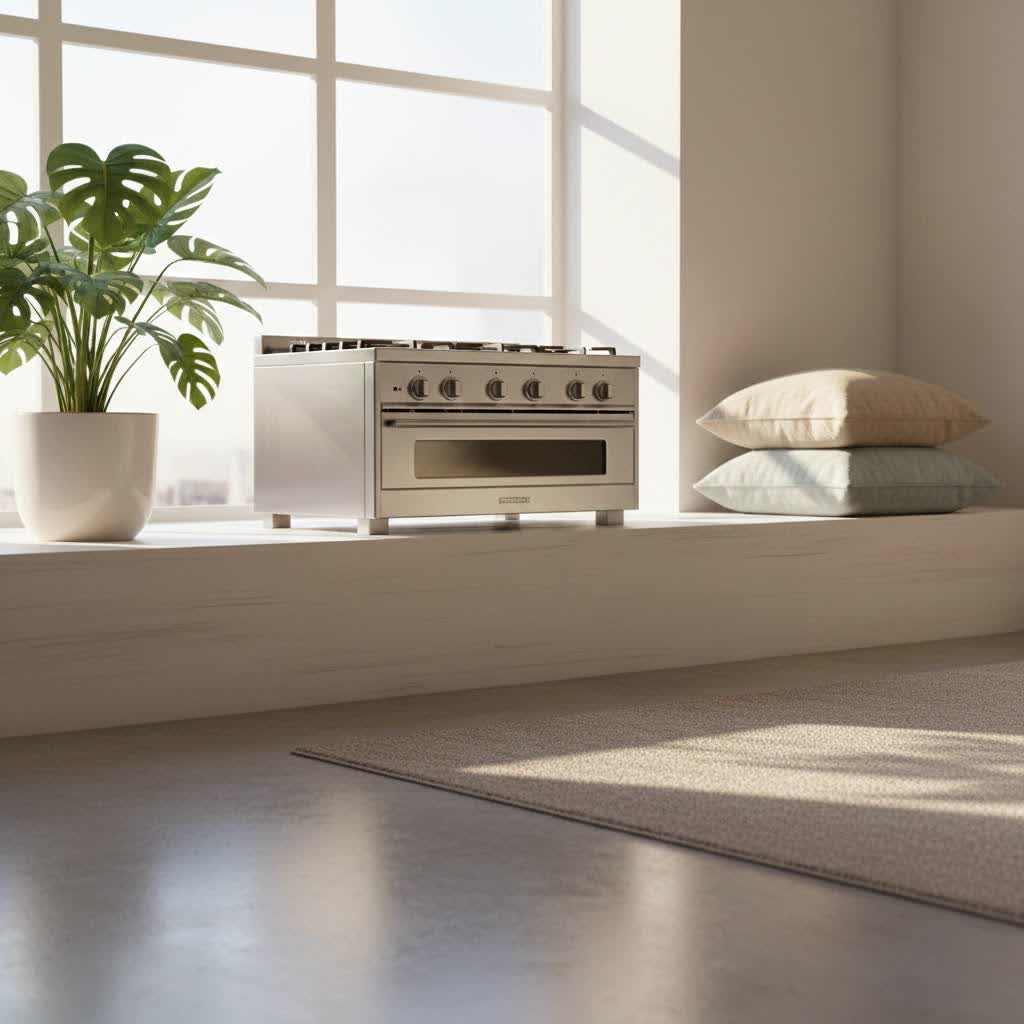
What is a Natural Gas Stove? Components and How It Works
A natural gas stove is a cooking appliance that harnesses the clean-burning power of natural gas to produce a direct flame, offering instant and precise heat for various cooking tasks. These stoves are integral to kitchens where culinary control is paramount.
There are several popular configurations, including freestanding ranges that combine a cooktop and oven, slide-in models for a more integrated look, and built-in cooktops and wall ovens that offer sleek, customized kitchen designs.
The core components of a natural gas stove include:
- Burners: The elements where the gas is ignited to create flames.
- Grates: Supporting structures above the burners, holding cookware.
- Control Knobs: Manual controls to adjust gas flow and flame intensity.
- Ignition System: Either an electronic spark igniter (producing a clicking sound) or a standing pilot light (a small, continuous flame).
- Gas Line: Connects the stove to your home’s natural gas supply.
- Pressure Regulator: Ensures a consistent and safe gas flow to the burners.
The process is straightforward: When a burner knob is turned, it opens a valve, allowing natural gas to flow to the burner head. Simultaneously, the ignition system (either a spark or a pilot light) ignites the gas, creating a flame. This direct flame then heats your cookware, allowing for immediate temperature adjustments.
Natural Gas Stove Types: Pros and Cons
Natural gas stoves come in various forms, each offering distinct advantages and considerations.
Common Types of Natural Gas Stoves
- Freestanding Ranges: These are the most common, featuring a cooktop and an oven, designed to fit between cabinets or stand alone. They are typically easier to install than built-in models.
- Slide-in Ranges: Offering a more custom, built-in appearance, slide-in ranges often have controls at the front, creating a seamless look with countertops.
- Built-in Cooktops: For maximum design flexibility, cooktops are installed directly into the countertop, with wall ovens placed separately. This allows for personalized kitchen layouts.
- Built-in Wall Ovens: Complementing built-in cooktops, these ovens are installed into cabinetry at a comfortable height.
|
Our Picks for the Best Gas Stove in 2026
As an Amazon Associate I earn from qualifying purchases.
|
||
| Num | Product | Action |
|---|---|---|
| 1 | Vivicreate High Pressure Propane Gas Regulator 20 PSIG Outdoor Camping BBQ Grill Stove Burner Estufas de Gas para Cocinar Afuera Es gas propano |

|
| 2 | Avanti Gas Range Oven, Compact Freestanding Design, 4 Sealed Burners with Electronic Ignition, 2.1 Cu.Ft. Capacity Features Storage Drawer Broiler and Accessories, 20-Inch, Black |
|
| 3 | VEVOR 36 inch Gas Cooktop 5 Burners Gas Stove Top, Max 38300BTU Built-in Stainless Steel Stove Top LPG/NG Convertible Dual Fuel Cooktop Stoves with SABAF Dual-Ring Burner for Kitchen Apartment Rvs |
|
| 4 | GasOne High Pressure Single Propane Burner - Outdoor Cooking with Heat Shield and Guard – Propane Burner Head for Camping, Tailgating, Seafood Boil, Home Brewing - Patent Pending |
|
| 5 | Avanti Gas Range Oven, Compact Freestanding Design, 4 Sealed Burners with Electronic Ignition, 2.1 Cu.Ft. Capacity Features Framed Glass Door Storage Drawer Broiler and Accessories, 20-Inch, White |
|
| 6 | Kenmore 5.6 cu. ft. Front Control Gas Range Oven with 5 Cooktop Burners - True Convection, Air Fry, Turbo Boil, Self Clean, Dishwasher Safe Grates, Three Chrome Racks, LP Kit - Stainless Steel |
|
| 7 | Empava 30 in. Gas Stove Cooktop 5 Italy Sabaf Sealed Burners NG/LPG Convertible in Black Tempered Glass |
|
| 8 | Gas One GS-3400P Propane or Butane Stove Dual Fuel Stove Portable Camping Stove - Patented - with Carrying Case Great for Emergency Preparedness Kit |
|
| 9 | Coleman Triton 2-Burner Propane Stove, Portable Camping Cooktop with 2 Adjustable Burners & Wind Guards, 22,000 BTUs of Power for Camping, Tailgating, Grilling, BBQ, & More |
|
| 10 | Gas One Propane Double Burner Two Burner Camp Stove with Windscreen Outdoor High Pressure Propane 2 Burner Adjustable PSI Regulator and 4ft Steel Braided Hose With Removable Legs |
|
Advantages of Natural Gas Stoves
- Precise Temperature Control: Natural gas provides instant heat on and off, allowing for immediate adjustments to flame size. This precise control is highly valued by chefs for delicate tasks like simmering and quick searing.
- Faster Cooking: Gas flames heat pans quickly and evenly, distributing heat across the bottom and sides of cookware, which can lead to faster cooking times.
- Lower Operating Costs: In many regions, natural gas is more economical than electricity, potentially leading to lower utility bills over the lifetime of the appliance.
- Reliability During Power Outages: Unlike electric stoves, many natural gas stoves can still be manually lit and used during a power outage, offering a reliable cooking option.
- Versatility with Cookware: Gas stoves accommodate a wide variety of pot and pan materials and shapes, even those with slightly warped bottoms, thanks to the direct flame.
Disadvantages of Natural Gas Stoves
- Higher Initial Purchase and Installation Costs: Natural gas stoves can be more expensive to buy than electric models, and installation requires an existing gas line or the costly installation of a new one.
- Safety Concerns: Working with an open flame and gas lines carries inherent risks, including potential gas leaks and the production of carbon monoxide if not properly vented or maintained.
- Indoor Air Quality Impact: Natural gas stoves emit pollutants such as nitrogen dioxide, carbon monoxide, formaldehyde, and even benzene, which can affect indoor air quality and may exacerbate respiratory conditions like asthma, especially without adequate ventilation.
- Environmental Impact: As a fossil fuel, natural gas extraction and use contribute to climate change, including methane leaks from pipelines and the burning of natural gas.
- Ventilation Requirements: Effective ventilation, typically a powerful range hood vented outdoors, is crucial to mitigate the health risks associated with indoor air pollution from gas stoves.
Comparing Top Natural Gas Stove Brands
The market offers a wide array of natural gas stove brands, each vying for consumer attention with unique features, designs, and performance levels. When considering a natural gas stove, reputable brands often lead the way in quality, innovation, and customer satisfaction.
Leading brands like LG, GE Profile, and Bosch are frequently cited for their reliable performance and innovative features, often incorporating elements like convection cooking and high-output burners. Samsung also stands out, particularly for cooktops, with restaurant-style features and continuous cast-iron grates. High-end professional brands such as Miele, Wolf, Café, BlueStar, and Thermador are known for their robust construction, exceptional burner power (often exceeding 20,000 BTUs for rapid heating), and advanced oven technologies like twin convection. These brands cater to serious home cooks who demand professional-grade performance and often offer extensive customization options, including various colors and trim packages. Newer brands like Empava offer competitive cooktops, balancing functionality and design, while household names like Frigidaire Gallery and Blomberg provide solid, mid-range options with essential features. When comparing, look beyond just the brand name to the specific features and the manufacturer’s warranty and service network.
Detailed Comparison of Popular Natural Gas Stove Models
While specific model numbers and their detailed specifications vary frequently, popular natural gas stove models generally excel in certain areas and offer a range of features designed to enhance the cooking experience. Understanding these common attributes and what to look for can guide your purchase.
Key Features and Specifications to Compare:
- Burner Power (BTUs): This is a critical specification. Many popular models feature a mix of high-output burners (often 15,000-25,000 BTUs) for boiling and searing, medium-output burners (around 9,000-12,000 BTUs) for general cooking, and simmer burners (as low as 5,000 BTUs or even 100 BTUs for ultra-low simmering) for delicate sauces.
- Cooktop Material and Design:
- Stainless steel is a common choice for its durability and sleek, professional appearance, though it can show fingerprints and scratches.
- Tempered glass offers a smooth, easy-to-clean surface and a modern aesthetic, but it must be properly treated to prevent thermal shock.
- Sealed burners are standard on most modern stoves, making cleanup easier by preventing spills from entering the burner assembly.
- Continuous cast-iron grates allow pots and pans to be slid across the cooktop without lifting, enhancing convenience and stability.
- Oven Features:
- Convection ovens use a fan to circulate hot air, ensuring more even and faster cooking or baking.
- Self-cleaning cycles eliminate the need for harsh chemicals, burning off food residue at high temperatures.
- Temperature sensors and programmable controls offer precise baking and roasting.
- Some premium models offer dual ovens or specialized modes like air fry and sous vide.
- Safety Features: Critical for peace of mind, look for flame failure protection (which automatically cuts off gas if the flame goes out), automatic shut-off timers, and child lock functions on control knobs.
- Smart Technology: Many newer models include Wi-Fi connectivity, allowing for remote monitoring and control via smartphone apps, integrating with smart home systems, or offering guided cooking recipes.
- Price Range: Basic 4-burner freestanding models can start around $500-$800. Mid-range options with convection and more robust features typically fall between $1,000-$3,000. High-end, professional-style ranges with powerful burners and advanced capabilities can exceed $5,000.
How to Choose the Right Natural Gas Stove for Your Home
Selecting the ideal natural gas stove involves a thoughtful assessment of your cooking habits, kitchen space, budget, and safety priorities.
-
Assess Your Cooking Needs:
- Family Size & Frequency: A larger family or frequent entertainer might benefit from a stove with multiple high-output burners and a spacious oven.
- Cooking Style: If you often stir-fry or sear, prioritize high BTU burners. For baking, a convection oven is a valuable asset. If you frequently simmer delicate dishes, look for precise low-heat control.
-
Consider Your Kitchen Space and Layout:
- Type of Stove: Decide between a freestanding, slide-in, or built-in model based on your kitchen design and whether you’re replacing an old unit or undertaking a full renovation.
- Dimensions: Carefully measure the available space, including width, depth, and height, to ensure the stove fits perfectly and allows for proper clearances from surrounding cabinets and walls.
-
Set a Realistic Budget:
- Natural gas stoves vary significantly in price. Basic models are affordable, while professional-grade ranges come with a premium. Factor in not just the purchase price but also potential installation costs, especially if a new gas line is required.
-
Prioritize Safety Features:
- Look for essential safety components such as flame failure protection, which automatically shuts off the gas supply if the flame extinguishes.
- Child lock functions on knobs prevent accidental activation.
- Consider models with auto shut-off timers for ovens.
-
Evaluate Ventilation Needs:
- An effective range hood that vents outdoors is crucial for mitigating indoor air pollutants. Ensure the hood’s CFM (cubic feet per minute) rating matches or exceeds the stove’s total BTU output for optimal air quality.
-
Check Energy Efficiency:
- While natural gas is generally cost-effective, look for models with higher thermal efficiency ratings to maximize energy savings. Newer models with electronic ignition are more efficient than older pilot light systems.
-
Research Brand Reputation and Warranty:
- Opt for reputable brands known for quality, durability, and reliable customer service. A good warranty can provide peace of mind. Check local reviews for insights into service availability.
-
Ensure Gas Line Compatibility:
- Before purchasing, confirm that your home has a natural gas line connection suitable for a stove. If not, consult a professional for installation feasibility and cost estimates. A certified gas installer is essential for safe and compliant hookup.
Safe Use and Maintenance Tips for Your Natural Gas Stove
Ensuring the longevity, efficiency, and safety of your natural gas stove depends heavily on proper installation, regular maintenance, and mindful usage.
Installation Guidelines
- Professional Installation is Key: Always hire a certified gas installer or licensed technician. They will ensure the gas line is properly connected, sealed, and meets all local and national safety codes.
- Gas Shut-Off Valve: Confirm that a readily accessible gas shut-off valve is installed near the stove. This is critical for emergencies.
- Proper Sealing: Professionals use gas-rated Teflon tape or pipe joint compound for secure, leak-free connections. Never use standard plumbing tape.
- Clearance Requirements: Ensure adequate space around the stove from walls, cabinets, and combustible materials, as specified by the manufacturer, to prevent heat damage and allow for proper airflow.
Usage and Safety Tips
- Ventilation is Crucial: Always use your range hood or exhaust fan when cooking on a gas stove, especially when searing, frying, or boiling. Ensure the hood vents outside. If you don’t have an external vent, open a window to improve air circulation.
- Carbon Monoxide Detectors: Install carbon monoxide detectors in your home, particularly near sleeping areas and the kitchen. Test them regularly.
- Keep Flammable Items Away: Ensure curtains, paper towels, dishcloths, and electrical cords are kept at a safe distance from burners.
- Turn Off Burners: Always ensure the gas is completely off when not in use.
- Match-Lighting During Power Outages: If your electronic ignition fails during a power outage, you can typically light a gas burner manually with a utility lighter or match. Exercise extreme caution.
- Avoid Overheating Oil: Be especially careful when frying with oil, as overheating can lead to grease fires.
Cleaning and Maintenance
- Regular Cleaning: Clean your cooktop, grates, and burners regularly to prevent grease buildup and maintain efficient operation. Sealed burners greatly simplify this task.
- Check for Leaks: Periodically perform a simple leak test by applying soapy water to gas connections; if bubbles appear, turn off the gas and call a professional. Never use an open flame to check for leaks.
- Inspect Gas Lines: Periodically inspect visible gas lines and connectors for any signs of damage, corrosion, or kinks.
- Burner Maintenance: Ensure burner ports are free of food debris to allow for even flame distribution. You can use a thin wire or paper clip to clear clogged ports.
Common Natural Gas Stove Problems and Troubleshooting
Even with proper care, natural gas stoves can encounter issues. Knowing common problems and their potential solutions can help you address minor issues or determine when to call a professional.
- Burner Not Igniting:
- Electronic Ignition: Check if the igniter is clicking. If not, it could be a power issue (check the outlet or circuit breaker) or a dirty igniter. Clean the igniter gently with a brush. If it clicks but no flame, the gas supply might be off, or the burner port is clogged.
- Pilot Light: If your stove has a standing pilot light, check if it’s lit. If not, follow manufacturer instructions to re-light it. Ensure the gas supply valve is open.
- Uneven Flames:
- This is often caused by clogged burner ports. After ensuring the stove is cool and the gas is off, remove the burner caps and heads, then clean any debris from the ports with a thin wire.
- Uneven flames can also indicate a gas pressure issue, which requires professional attention.
- Gas Leak (Smell of Gas):
- IMMEDIATE ACTION REQUIRED: If you smell gas, turn off the main gas supply valve immediately. Open windows and doors to ventilate the area. Do not operate any electrical switches, light matches, or use your phone inside the house. Evacuate everyone from the home and call your gas company or emergency services from a safe distance.
- Oven Not Heating Properly:
- For electronic ignition ovens, a malfunctioning glow bar igniter is a common culprit. If the glow bar is glowing but the gas isn’t igniting, the igniter may be weak or faulty. This usually requires professional repair.
- A faulty thermostat or oven control board can also cause heating issues.
- Persistent Clicking Sound:
- If an electronic igniter continuously clicks after the burner is lit or when all burners are off, it could be due to moisture, food debris, or a faulty igniter switch. Clean the burner area thoroughly, ensuring it’s dry.
For any issues beyond simple cleaning or re-lighting a pilot light, especially those involving gas supply or safety, always consult a qualified appliance technician or gas professional.
Natural Gas Stoves and Safety: What You Need to Know
While natural gas stoves offer powerful cooking capabilities, understanding their associated risks and implementing safety measures is paramount for a healthy home environment.
Potential Safety Risks
- Gas Leaks and Explosion Risk: Although rare, gas leaks can pose a severe danger. An unignited buildup of natural gas can be explosive if exposed to a spark or flame. Modern stoves include safety features like flame failure devices to mitigate this.
- Carbon Monoxide Poisoning: Incomplete combustion of natural gas can produce carbon monoxide (CO), an odorless, colorless, and highly toxic gas. Symptoms of CO poisoning can mimic flu, but severe exposure can be fatal.
- Indoor Air Pollution: Beyond CO, natural gas stoves emit nitrogen dioxide (NO2), formaldehyde, and benzene during combustion. NO2 can irritate respiratory passages and has been linked to increased asthma rates in children. Benzene is a known carcinogen, and studies have shown levels from gas stoves can exceed those found in secondhand tobacco smoke. These pollutants contribute to poor indoor air quality.
Mitigating Risks and Ensuring Safety
- Professional Installation and Regular Inspections: Always have your natural gas stove installed by a certified professional. Schedule periodic inspections of your gas lines and appliance connections to detect any leaks or issues early.
- Adequate Ventilation: This is perhaps the most critical safety measure. Always use a powerful range hood that vents cooking fumes and pollutants directly outdoors. If a range hood isn’t present or doesn’t vent outside, open windows to create cross-ventilation, especially when cooking with high heat. Running the fan for 15 minutes after cooking can also help clear residual pollutants.
- Install Carbon Monoxide Detectors: Place CO detectors on every level of your home, especially near sleeping areas and the kitchen. Test them monthly and replace them according to manufacturer recommendations.
- Flame Failure Devices: Ensure your stove is equipped with flame failure protection, a safety mechanism that automatically cuts off the gas supply if a burner flame accidentally extinguishes.
- Keep the Stove Clean: Regular cleaning prevents grease buildup, which can be a fire hazard, and ensures proper burner operation, promoting complete combustion.
- Awareness of Health Impacts: Be particularly mindful if there are individuals with respiratory conditions (like asthma) or young children in the household, as they can be more susceptible to the effects of indoor air pollutants.
By diligently following these safety precautions, you can significantly reduce the risks associated with natural gas stove use and maintain a healthier home.
Where to Buy a Natural Gas Stove: Reputable Retailers and Online Shops
When you’re ready to purchase a natural gas stove, knowing where to shop can significantly influence your selection, pricing, and overall buying experience. Both physical stores and online platforms offer distinct advantages.
Physical Retailers
- Appliance Showrooms: Stores specializing in appliances offer a wide selection, allowing you to see and touch models in person. Sales associates are often knowledgeable and can provide expert advice, explain features, and help compare different brands. Many offer installation services, haul away old appliances, and have dedicated customer service.
- Department Stores: Larger department stores often have appliance sections with a good range of popular models. They can be convenient for one-stop shopping and may offer competitive financing or bundled deals.
- Local Utility Companies: In some areas, natural gas utility companies may offer appliances directly or provide information on local retailers with special offers or rebates for gas appliances.
Online Retailers
- Manufacturer Websites: Buying directly from a brand’s website ensures you get authentic products and direct warranty support.
- Large Online Marketplaces: Major online retailers offer an extensive selection, often at competitive prices, with detailed product specifications and customer reviews.
- Advantages: Wider variety of models, often better pricing due to lower overhead, convenience of shopping from home.
- Cautions: Verify the seller’s reputation, carefully review product details, understand the shipping, delivery, and installation policies (many may offer third-party installation), and confirm the return policy. Check for delivery and installation options, as these can add significant costs or require separate arrangements.
Key Considerations When Buying
- Delivery and Installation: Confirm what’s included with your purchase. Professional installation of a gas stove is non-negotiable for safety.
- Warranty and Service: Understand the warranty period and how to access service if needed.
- Customer Reviews: Read reviews for insights into product performance, reliability, and the retailer’s service.
- Return Policy: Be clear on the terms for returns or exchanges.
By combining the hands-on experience of a showroom with the extensive research capabilities of online platforms, you can find the perfect natural gas stove to meet your needs.
Natural Gas Stove Pricing Guide (Latest Updates)
The cost of a natural gas stove can vary widely, influenced by factors such as brand reputation, features, size, and design. Understanding these factors and typical price ranges will help you budget effectively for your kitchen upgrade.
Factors Influencing Price
- Brand: Premium brands known for professional-grade performance and advanced features (e.g., Wolf, Miele, Thermador) naturally command higher prices. Mid-range brands (e.g., LG, Samsung, GE Profile, Bosch) offer a balance of features and value, while entry-level brands (e.g., Frigidaire, Blomberg) provide essential functionality at lower price points.
- Type and Size:
- Freestanding ranges are generally the most affordable.
- Slide-in and built-in models typically cost more due to their integrated design and often more sophisticated features.
- Larger stoves (e.g., 36-inch or 48-inch professional ranges) or those with multiple ovens will be more expensive than standard 30-inch models.
- Burner Configuration and Power (BTUs): Stoves with more burners, higher BTU output for rapid heating, or specialized burners (e.g., true simmer burners, griddles) will increase the price.
- Oven Features: Advanced oven technologies like true convection, self-cleaning cycles, multiple racks, or smart temperature probes contribute to a higher cost.
- Smart Technology: Wi-Fi connectivity, app control, and smart home integration add to the premium pricing.
- Material and Finish: Stainless steel is common, but specialized finishes or professional-grade materials can also impact the price.
Estimated Price Ranges (Approximate)
- Entry-Level (Basic Functionality): $500 – $1,000. These typically include basic freestanding models with four burners and standard oven features.
- Mid-Range (Enhanced Features): $1,000 – $3,000. This category offers a wide selection of freestanding and slide-in models with features like convection ovens, sealed burners, continuous grates, and some smart capabilities.
- High-End / Professional-Grade (Premium Performance): $3,000 – $10,000+. These are often professional-style ranges with powerful burners, advanced oven systems (e.g., dual convection), durable construction, smart features, and extensive design options.
Additional Costs to Consider
- Installation: If your home does not have an existing gas line or if modifications are needed, professional gas line installation can range from $200 to over $1,000, depending on complexity. Connecting the stove to an existing line is generally less expensive, often $100-$300.
- Delivery and Haul-Away: Many retailers offer delivery and removal of old appliances, sometimes for an additional fee.
- Accessories: Items like specialized grates, woks, or cleaning kits may incur extra costs.
Always get a detailed quote that includes the stove’s price, delivery, installation, and any other services you require to avoid surprises.
Conclusion: Choosing Your Smart Natural Gas Stove
Natural gas stoves continue to be a cornerstone in many modern kitchens, offering unmatched precision and immediate heat control that passionate home cooks cherish. Their ability to deliver consistent performance and operate during power outages makes them a reliable choice for daily culinary adventures. However, selecting the right model requires careful consideration of various factors, from understanding the different types and their features to prioritizing crucial safety measures like proper ventilation and leak detection.
By evaluating your family’s cooking needs, kitchen space, budget, and desired features, alongside a thorough understanding of installation requirements and safety protocols, you can confidently choose a natural gas stove that not only enhances your cooking experience but also ensures a safe and healthy home environment. Investing in a quality appliance, coupled with diligent maintenance and smart usage, will bring years of enjoyable cooking. Are you ready to transform your culinary journey with the precision and power of a natural gas stove?
Frequently Asked Questions
Are natural gas stoves bad for your health?
Natural gas stoves emit pollutants like nitrogen dioxide, carbon monoxide, formaldehyde, and benzene, which can affect indoor air quality and may contribute to respiratory issues such as asthma, especially in children. Proper ventilation, such as using a powerful range hood vented outdoors, is crucial to mitigate these health risks.
How much does it cost to install a natural gas stove?
The cost to install a natural gas stove varies. If an existing gas line is in place, the installation might range from $100 to $300. However, if a new gas line needs to be run or significant modifications are required, costs can range from $200 to over $1,000. Always hire a certified professional for installation.
Do natural gas stoves need to be vented?
Yes, natural gas stoves absolutely need to be properly vented. They produce combustion byproducts that can compromise indoor air quality, making a powerful range hood that vents to the outside essential to remove pollutants and ensure a healthy kitchen environment.
What is BTU, and why is it important for a natural gas stove?
BTU stands for British Thermal Unit, a measure of heat output. In a natural gas stove, BTU indicates the amount of heat a burner can generate. Higher BTU ratings mean faster heating and more powerful cooking capabilities, crucial for tasks like searing or boiling large pots of water, while lower BTUs are ideal for simmering.
Can an electric stove be converted to natural gas?
No, an electric stove cannot be converted to run on natural gas. They operate on entirely different fuel sources and mechanisms. If you wish to switch from electric to gas, you must purchase a new natural gas stove and ensure your home has the necessary gas line infrastructure.
How do I clean a natural gas stove?
To clean a natural gas stove, remove grates and burner caps, then wipe the cooktop with a damp cloth and mild detergent. Use a thin wire to clear any clogged burner ports. For tough stains, refer to your stove’s manual or use a non-abrasive cleaner. Many ovens also feature self-cleaning cycles for convenience.
What is the average lifespan of a natural gas stove?
A well-maintained natural gas stove typically has a lifespan of 10 to 15 years, though some models can last longer. Regular cleaning, professional installation, and addressing any minor issues promptly can help extend the appliance’s operational life.
