The kitchen, often considered the heart of the home, deserves appliances that match its central role. For many home cooks, the gas stove remains an undisputed champion, offering unmatched control and instant heat that electric and induction alternatives simply can’t replicate. If you’re considering upgrading your kitchen with a new gas stove, you’re on the path to enhancing your culinary experience. But with countless models, features, and technologies available, navigating the market can feel overwhelming. This comprehensive guide is designed to cut through the complexity, helping you understand everything from the basics of how a gas stove works to the latest smart innovations, so you can confidently select the perfect appliance for your home, needs, and budget.
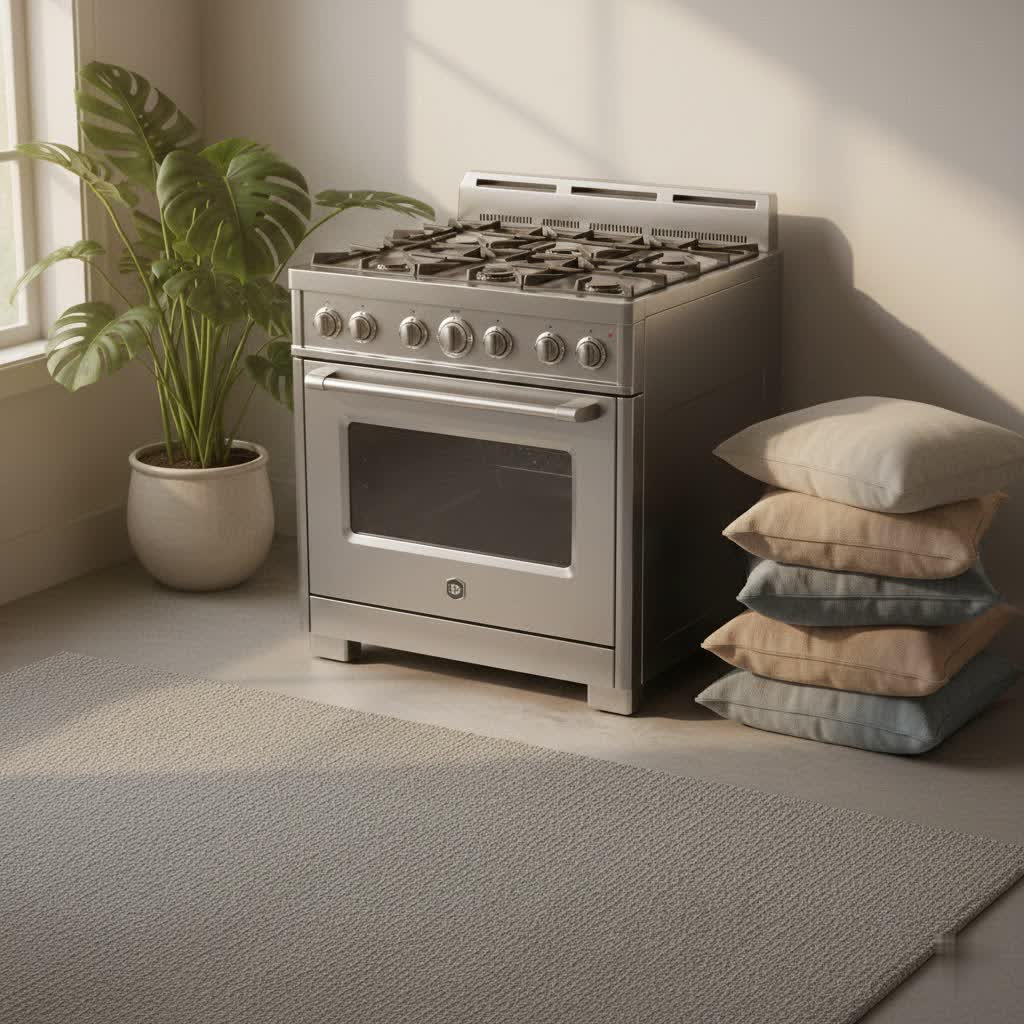
What is a Gas Stove? Structure and Operating Principle
A gas stove is a cooking appliance that uses natural gas or liquefied petroleum gas (LPG) to produce an open flame for heating cookware. Unlike electric stoves that rely on heating elements, gas stoves offer immediate temperature changes, making them a favorite among chefs and home cooks who value precise control.
At its core, a gas stove consists of several key components:
- Burners: These are the circular components where the flame is produced. Modern stoves often feature burners of various sizes and power outputs (measured in BTUs) to accommodate different cooking needs, from high-heat searing to gentle simmering.
- Grates: Typically made of cast iron or stainless steel, grates sit above the burners and provide a stable surface for pots and pans. Continuous grates are popular as they allow easy sliding of cookware across the cooktop.
- Flame Spreader/Burner Cap: These removable parts sit on top of the burner to distribute the gas evenly, creating a consistent flame.
- Ignition System: Most new gas stoves feature automatic ignition, either through an electric spark when a knob is turned or a continuous pilot light. This eliminates the need for matches or lighters.
- Gas Valve: Controls the flow of gas to each burner, allowing you to adjust the flame intensity.
The operating principle is straightforward: when a burner knob is turned, a valve opens, releasing gas. Simultaneously, the ignition system creates a spark (or the pilot light is already burning), igniting the gas. This combustion process generates heat directly under your cookware, allowing for rapid and precise temperature adjustments.
Classifying Gas Stoves: Pros and Cons
Gas stoves come in several primary configurations, each with its own set of advantages and disadvantages tailored to different kitchen layouts and preferences. Understanding these types is crucial when making your selection.
Freestanding Gas Stoves
These are standalone units that combine a cooktop and an oven, often fitting between two cabinets. They are generally the most common and offer flexibility in placement.
- Pros:
- Ease of Installation: Freestanding units are typically easier and less costly to install than built-in models, often just sliding into an existing space.
- Portability: Can be moved relatively easily if you rearrange your kitchen or move homes.
- Affordability: Often more budget-friendly than equivalent built-in options.
- Cons:
- Aesthetics: May not offer the seamless, integrated look of built-in models, as their sides are typically finished but often visible.
- Cleaning: Food spills can sometimes fall into the gaps between the stove and countertops.
|
Our Picks for the Best Gas Stove in 2026
As an Amazon Associate I earn from qualifying purchases.
|
||
| Num | Product | Action |
|---|---|---|
| 1 | Vivicreate High Pressure Propane Gas Regulator 20 PSIG Outdoor Camping BBQ Grill Stove Burner Estufas de Gas para Cocinar Afuera Es gas propano |

|
| 2 | Empava 30 in. Gas Stove Cooktop 5 Italy Sabaf Sealed Burners NG/LPG Convertible in Black Tempered Glass |
|
| 3 | GasOne High Pressure Single Propane Burner - Outdoor Cooking with Heat Shield and Guard – Propane Burner Head for Camping, Tailgating, Seafood Boil, Home Brewing - Patent Pending |
|
| 4 | Gas One GS-3400P Propane or Butane Stove Dual Fuel Stove Portable Camping Stove - Patented - with Carrying Case Great for Emergency Preparedness Kit |
|
| 5 | VEVOR 36 inch Gas Cooktop 5 Burners Gas Stove Top, Max 38300BTU Built-in Stainless Steel Stove Top LPG/NG Convertible Dual Fuel Cooktop Stoves with SABAF Dual-Ring Burner for Kitchen Apartment Rvs |
|
| 6 | Kenmore 5.6 cu. ft. Front Control Gas Range Oven with 5 Cooktop Burners - True Convection, Air Fry, Turbo Boil, Self Clean, Dishwasher Safe Grates, Three Chrome Racks, LP Kit - Stainless Steel |
|
| 7 | Avanti Gas Range Oven, Compact Freestanding Design, 4 Sealed Burners with Electronic Ignition, 2.1 Cu.Ft. Capacity Features Storage Drawer Broiler and Accessories, 20-Inch, Black |
|
| 8 | Coleman Triton 2-Burner Propane Stove, Portable Camping Cooktop with 2 Adjustable Burners & Wind Guards, 22,000 BTUs of Power for Camping, Tailgating, Grilling, BBQ, & More |
|
| 9 | Avanti Gas Range Oven, Compact Freestanding Design, 4 Sealed Burners with Electronic Ignition, 2.1 Cu.Ft. Capacity Features Framed Glass Door Storage Drawer Broiler and Accessories, 20-Inch, White |
|
| 10 | Gas One Propane Double Burner Two Burner Camp Stove with Windscreen Outdoor High Pressure Propane 2 Burner Adjustable PSI Regulator and 4ft Steel Braided Hose With Removable Legs |
|
Built-in Gas Stoves (Cooktops and Slide-in Ranges)
This category includes gas cooktops, which are installed directly into a countertop, and slide-in ranges, designed to fit flush with cabinetry for a more integrated appearance.
- Pros:
- Seamless Aesthetics: Provide a sleek, custom-built look that integrates beautifully with modern kitchen designs.
- Easy Cleaning (Cooktops): With the burners integrated into the countertop, cleaning around the edges is often simpler.
- Customization: Allows for separate selection of cooktop and wall oven, offering greater design flexibility.
- Cons:
- Higher Cost: Generally more expensive due to complex installation and specialized design.
- Professional Installation: Often requires professional installation to ensure proper fit and gas line connection.
- Less Flexible: Once installed, they are not easily moved or rearranged.
Portable/Mini Gas Stoves
These compact units, often with one or two burners, are designed for small spaces, occasional use, or outdoor activities.
- Pros:
- Compact & Portable: Ideal for dorm rooms, camping, or as an extra cooking surface.
- Affordable: Significantly cheaper than full-sized stoves.
- Simple Operation: Easy to set up and use.
- Cons:
- Limited Power: Burners typically offer lower heat output, not suitable for heavy-duty cooking.
- Capacity: Only accommodate one or two pots/pans at a time.
- Safety Considerations: Requires careful attention to ventilation and proper fuel canister handling.
Comparing Famous Gas Stove Brands
When investing in a new gas stove, the brand often signifies reliability, innovation, and customer support. Several manufacturers consistently stand out for their quality and range of offerings.
- Rinnai: Known for high-quality, durable gas appliances, especially popular in Asia for their efficient and safe products. While not as dominant in the US for full ranges, their water heaters and smaller gas appliances are well-regarded.
- Paloma: Another strong Japanese brand, often associated with reliability and robust build quality, particularly for cooktops and water heaters.
- Sunhouse: A popular Vietnamese brand, offering a wide range of household appliances, including gas stoves, known for affordability and accessibility in the local market.
- Bosch: Renowned for sleek European design, advanced features, and quiet operation. Bosch gas stoves often feature precise burners and robust construction, leaning towards the mid-to-high price range.
- Electrolux: Offers a balance of features, performance, and design. Their gas ranges frequently include useful innovations and a good range of options for various budgets.
- LG: Consistently ranks high for reliability and integrates smart technology and convenient features like Wi-Fi connectivity and high-output burners, often providing excellent value for money.
- GE Profile: Offers a solid reputation for performance and innovative features, including convection cooking and smart home integration. They are a strong choice for those seeking reliability and modern functionality.
- Samsung: Known for stylish designs and cutting-edge technology, including smart features, large oven capacities, and user-friendly interfaces, appealing to tech-savvy consumers.
- Miele: A high-end German brand, Miele gas ranges are synonymous with luxury, exceptional build quality, and superior performance. They come with a premium price tag but offer durability and advanced features.
- Wolf: A professional-grade brand, Wolf ranges are built for serious cooks, offering powerful open burners, precise temperature control, and robust construction. These are a significant investment.
- BlueStar: Favored by culinary enthusiasts for their powerful, open-burner designs that offer intense heat and exceptional customization options in terms of color and configuration.
- Thermador: Known for innovative features like star-shaped burners that provide excellent heat distribution and high-end aesthetics, often bundled with attractive rebate packages.
Detailed Comparison of Popular Gas Stove Features
While a definitive “best-selling models” list changes frequently, understanding the features that make models popular can guide your choice. Here’s a look at key comparison criteria:
- Burner Configuration and Power (BTUs): Modern gas stoves offer a mix of burner sizes and power levels. Look for models with at least one high-BTU burner (15,000 BTU or more) for rapid boiling and searing, and a low-BTU burner (around 5,000 BTU or less) for delicate simmering. Some advanced models feature dual-ring burners for versatile heat output or true simmer burners that maintain consistent low heat.
- Cooktop Material:
- Stainless Steel: Durable, professional look, relatively easy to clean but can show smudges.
- Glass-top (Toughened Glass): Modern aesthetic, very easy to wipe clean, but can be prone to scratching or cracking if heavy objects are dropped.
- Enamel/Porcelain: Classic look, durable, but can chip.
- Grates:
- Cast Iron (Continuous): Heavy-duty, excellent heat retention, allows for easy sliding of pots between burners. Often dishwasher-safe for easier cleaning.
- Individual Grates: Lighter, but may require lifting pots more often.
- Ignition System:
- Automatic Electronic Ignition: The most common, creates a spark when the knob is turned, igniting the gas.
- Pilot Light: An older system where a small flame is continuously burning, igniting the main burner when gas flows. Less energy-efficient and can be extinguished by drafts.
- Oven Features (for Ranges):
- Convection: Uses a fan to circulate hot air for more even and faster baking/roasting. Dual convection offers even better performance.
- Self-Cleaning: High-heat cycle burns off food residue, simplifying oven maintenance.
- Proofing Mode: Low-temperature setting ideal for rising dough.
- Integrated Air Fryer: A popular new feature in many ovens, allowing for crispy, healthier frying without a separate appliance.
- Safety Features:
- Automatic Gas Shut-off (Flame Failure Protection): Instantly cuts off the gas supply if the flame accidentally extinguishes (due to a draft or spill), preventing gas leaks. This is a critical safety feature.
- Child Lock: Prevents accidental operation of the burners or oven.
- Hot Surface Indicator: Illuminates when the cooktop is hot (more common on electric, but some advanced gas models may have similar warnings).
- Smart Technology & Connectivity:
- Wi-Fi/Bluetooth Connectivity: Allows remote control via smartphone apps (preheating, setting timers, monitoring status, receiving alerts).
- Voice Control: Integration with smart home assistants like Google Home or Amazon Alexa for hands-free operation.
- Touchscreen Interfaces: Replaces traditional knobs for precise digital control, preset cooking modes, and timers.
- Design & Aesthetics: Consider whether you prefer a minimalist look with concealed burners or a more robust, professional-style design. Finishes like stainless steel, black stainless, or customizable color options can impact kitchen decor.
Guide to Choosing the Right New Gas Stove
Selecting a new gas stove involves aligning its features with your lifestyle, cooking habits, and kitchen environment.
-
Assess Your Cooking Needs and Habits:
- Family Size & Frequency: A large family that cooks daily might need a range with multiple high-power burners and a spacious convection oven. A single person or occasional cook might be fine with a compact two-burner cooktop.
- Cooking Style: Do you frequently stir-fry (requiring high BTUs), simmer sauces (needing precise low heat), or bake extensively? Look for burners and oven features that match your culinary repertoire.
- Special Dishes: If you love making large roasts or baking multiple trays, oven capacity and convection capabilities are key.
-
Consider Your Kitchen Space and Layout:
- Dimensions: Accurately measure the width, depth, and height of your designated stove area. Remember to account for clearance around the appliance and the path it will take to get into your kitchen. Standard widths are 30 or 36 inches.
- Existing Gas Line: Ensure your existing gas line is in good condition and has sufficient pressure. If you’re converting from electric, professional installation of a new gas line will be required.
- Ventilation: A powerful range hood or exhaust fan is essential to remove cooking fumes and byproducts. Ensure adequate clearance between the stove and the hood.
- Aesthetics: Decide whether a freestanding, slide-in, or separate cooktop and wall oven best complements your kitchen’s design.
-
Prioritize Safety Features:
- Automatic Gas Shut-off (Flame Failure Device): This is non-negotiable for safety, preventing gas leaks if the flame goes out.
- Carbon Monoxide Detectors: Install these in your home, especially if you have gas appliances, to detect potential leaks.
- Child Locks: Important for households with young children.
-
Determine Your Budget:
- Gas stoves vary widely in price, from basic models around $500 to professional-grade ranges exceeding $5,000. Mid-range options typically fall between $1,000 and $3,000.
- Factor in installation costs, especially if a new gas line or professional help is needed.
-
Check for Quality and Certifications:
- Purchase from reputable brands with good warranties and customer service.
- Look for safety certifications relevant to your region (e.g., UL certification).
Tips for Safe and Effective New Gas Stove Use and Maintenance
To ensure your new gas stove operates efficiently, safely, and lasts for years, proper usage and regular maintenance are key.
Installation Best Practices
- Professional Setup: Always hire a certified technician for gas line connection to prevent leaks and ensure compliance with local codes.
- Leveling: Ensure the stove is perfectly level to prevent spills and ensure even cooking. Most stoves have adjustable feet.
- Clearance: Maintain adequate clearance from walls and cabinets as specified in the owner’s manual.
Regular Cleaning for Performance and Safety
- Daily Wipe-Down: After each use, wipe the stovetop surface with a damp cloth to remove spills and grease before they harden.
- Burner Grates and Caps: Remove and clean these regularly (weekly or bi-weekly). Soak them in warm, soapy water to loosen food residue, then scrub with a non-abrasive sponge. Many cast-iron grates are dishwasher-safe. Dry thoroughly before reassembling.
- Burner Holes: Use a soft brush or a straightened paperclip/needle to clear any clogged burner holes. Blockages can lead to uneven flames or ignition issues.
- Oven Cleaning (for Ranges): For models with self-cleaning features, follow the manufacturer’s instructions. For manual cleaning, use oven cleaner as directed, ensuring good ventilation.
Safety Checks and Monitoring
- Inspect Gas Lines Periodically: Regularly check the flexible gas line and connections behind the stove for signs of wear, cracks, or corrosion. If you smell gas (a distinct sulfur-like odor), immediately turn off the gas supply, open windows, evacuate, and call emergency services.
- Test for Leaks: A simple trick is to spray soapy water on gas connections. If bubbles appear when the gas supply is on (and stove off), you have a leak that needs immediate professional attention.
- Verify Flame Appearance: A healthy gas flame should be blue with a small, steady inner cone. Yellow, flickering, or excessively large flames indicate incomplete combustion or a burner issue that might require adjustment or cleaning.
- Ensure Proper Ventilation: Always use your range hood or exhaust fan while cooking to remove fumes, smoke, and carbon monoxide. Open a window for extra airflow during extended cooking.
- Use Correct Cookware: Match the pot/pan size to the burner to prevent flames from extending beyond the base of the cookware, which wastes energy and can be a fire hazard. Use flat-bottomed pans for stability.
- Carbon Monoxide Detectors: Install and regularly test carbon monoxide detectors in your home, particularly near sleeping areas, but not directly in the kitchen where cooking fumes could trigger false alarms.
Common Gas Stove Problems and How to Fix Them
Even with regular maintenance, gas stoves can encounter occasional issues. Here are some common problems and their typical solutions:
- Gas Stove Not Igniting/No Spark:
- Cause: Clogged burner port, wet spark electrode, power outage (for electronic ignition), or a faulty igniter.
- Fix: Ensure burner caps and grates are clean and dry. Use a needle to clear any debris from the burner holes. Check if the stove is properly plugged in (if applicable). If it’s a gas range and no other burners ignite, check your circuit breaker. If only one burner has an issue, it might need igniter replacement by a professional.
- Uneven Flames/Yellow or Orange Flames:
- Cause: Clogged burner ports, improper air-to-gas mixture, or burner cap not seated correctly.
- Fix: Clean the burner caps and clear any debris from the burner holes. Ensure the burner cap is securely seated. If the problem persists, the air shutter (if adjustable) might need adjustment by a technician to correct the gas-air mix.
- Weak Flame/Low Heat Output:
- Cause: Clogged burner, low gas pressure, or partially closed gas supply valve.
- Fix: Clean the burner thoroughly. Ensure the main gas supply valve to the stove is fully open. If the issue affects all burners, consult a professional to check gas pressure.
- Gas Smell Without a Visible Flame:
- Cause: Gas leak, burner knob left slightly open, or pilot light out (for older models).
- Fix: IMMEDIATE ACTION REQUIRED. If you detect a strong gas smell, turn off all burner knobs, open windows and doors, and evacuate the premises. Do not operate any electrical switches or create a spark. Call your gas company or emergency services from a safe distance. For a faint smell, ensure all knobs are fully off and check if a pilot light has gone out.
- Knob is Hard to Turn:
- Cause: Food debris, grease buildup, or worn components.
- Fix: Remove the knob and clean the area thoroughly. If it’s still stiff, the valve might be sticky or worn and require professional service.
Gas Stoves and Safety: Essential Considerations
Safety is paramount when operating any gas appliance. Understanding the risks and implementing preventative measures is crucial.
Risks Associated with Gas Stoves
- Gas Leaks: Unburned natural gas or LPG can accumulate, posing a severe fire and explosion hazard. It’s often odorless in its natural state, so a sulfur-like additive (mercaptan) is added for detection.
- Carbon Monoxide (CO) Poisoning: Incomplete combustion of natural gas can produce carbon monoxide, an odorless, colorless, and highly toxic gas. Exposure can lead to flu-like symptoms, and in severe cases, unconsciousness or death.
- Burns and Fires: Open flames present a direct burn risk, and grease fires can escalate quickly if not handled correctly.
- Ventilation Issues: Inadequate ventilation can lead to the buildup of CO, other combustion byproducts, and cooking fumes, affecting indoor air quality.
Prevention and Emergency Procedures
- Install CO Detectors: Place carbon monoxide detectors on every level of your home, especially near sleeping areas. Test them monthly.
- Ensure Adequate Ventilation: Always use a range hood that vents outdoors while cooking. If you don’t have one, open windows.
- Regular Inspections: Have your gas lines and stove inspected annually by a qualified professional.
- Keep Flammable Materials Away: Store paper towels, dishcloths, curtains, and cooking oils away from the stove burners.
- Never Leave Cooking Unattended: Most kitchen fires start from unattended cooking. Stay in the kitchen when using high heat.
- Use Child Safety Locks: If you have children, activate child locks on your stove or use knob covers.
- In Case of a Gas Leak (Strong Odor):
- Turn off the main gas supply if safe to do so.
- Immediately open all windows and doors.
- Evacuate everyone from the house.
- Do NOT turn lights or appliances on/off, use phones, or create any sparks.
- Call your gas company or emergency services from a neighbor’s house or cell phone from a safe distance.
- In Case of a Grease Fire:
- Do NOT use water! It will spread the fire.
- Turn off the burner if safe to do so.
- Cover the pan with a metal lid or baking sheet to smother the flames.
- If it’s small, you can use baking soda or a fire extinguisher (Class K for kitchen fires, or Class ABC).
- If the fire spreads, evacuate and call emergency services.
Where to Buy a Reputable New Gas Stove?
Finding a trustworthy vendor for your new gas stove is almost as important as choosing the stove itself.
- Appliance Stores and Big Box Retailers: Major appliance retailers (e.g., Lowe’s, Home Depot, Best Buy) and local independent appliance stores offer a wide selection, often with display models you can see and touch. They typically provide delivery, installation, and removal of old appliances. Independent stores might offer more personalized service and deeper product knowledge.
- Department Stores: Some large department stores also carry home appliances and can be a good option, especially if they have sales or special financing.
- Online Retailers: Websites like Amazon, Wayfair, or specialized appliance e-commerce sites offer convenience and competitive pricing.
- Caveats for Online Purchase: Carefully read product descriptions and reviews. Verify the seller’s return policy, warranty support, and installation services. Ensure you understand delivery logistics and unboxing expectations. It’s wise to double-check the model in person if possible before buying online.
- Manufacturer Websites: Buying directly from the brand can sometimes offer exclusive models or promotions and ensures genuine products with full warranty support.
Always prioritize retailers with a strong reputation for customer service, reliable delivery, and professional installation options.
Reference Gas Stove Price List (General Ranges)
Prices for new gas stoves can fluctuate based on brand, features, size, and promotions. Here’s a general guide:
- Entry-Level (Basic Freestanding): $500 – $1,000
- Typically 4 burners, standard oven (no convection), basic controls, limited smart features. Good for essential cooking.
- Mid-Range (Freestanding & Slide-in): $1,000 – $3,000
- Often include 5 burners (including high-power and simmer options), convection oven, stainless steel finish, some smart features, better build quality. Represents a good balance of features and value.
- High-End (Premium Slide-in & Professional Ranges): $3,000 – $7,000+
- Features include powerful multi-ring burners, dual convection, integrated smart technology, sophisticated touchscreens, self-cleaning, durable professional-grade materials, and distinctive designs. These are for serious home cooks or those prioritizing luxury and advanced functionality.
- Gas Cooktops (Built-in): $400 – $2,500+
- Prices vary widely based on number of burners, material, and brand.
Remember that installation costs, especially if you need a new gas line, will be an additional expense.
Conclusion: Smart Gas Stove Choices for Your Family
Choosing a new gas stove is a significant decision that impacts your daily cooking and overall kitchen experience. By understanding the different types, features, leading brands, and crucial safety measures, you can make an informed choice that perfectly fits your family’s culinary demands and lifestyle. Prioritizing safety features like automatic gas shut-off and ensuring proper ventilation are non-negotiable for a secure home. With the right research and careful consideration, your new gas stove will be a reliable, efficient, and enjoyable centerpiece in your kitchen for many years to come.
What culinary adventures will you embark on with your new gas stove?
Frequently Asked Questions
What are the main benefits of a new gas stove over electric or induction?
New gas stoves offer instant, precise heat control, allowing for immediate temperature adjustments during cooking. They are also compatible with all types of cookware and continue to function during power outages, providing consistent cooking performance that many professional chefs prefer.
How often should I have my gas stove professionally inspected?
It is recommended to have your gas stove and gas lines inspected by a qualified professional annually. This helps ensure safe operation, detect potential gas leaks or issues, and maintain optimal performance, preventing minor problems from escalating into major safety hazards.
What does “BTU” mean for gas stove burners?
BTU stands for British Thermal Unit and measures the heat output of a gas burner. Higher BTU ratings (e.g., 15,000 BTU and above) indicate more powerful burners suitable for rapid boiling or searing, while lower BTUs (e.g., 5,000 BTU) are ideal for simmering and delicate cooking.
Are smart gas stoves worth the extra cost?
Smart gas stoves, with features like Wi-Fi connectivity and app control, offer enhanced convenience for busy households, allowing remote preheating, timer setting, and monitoring. Whether they are “worth it” depends on your budget and how much you value these advanced technological integrations and the ability to control your appliance from afar.
How do I know if my gas stove has a gas leak?
The most common indicator of a gas leak is a distinctive sulfur-like or rotten egg smell. You can also test for leaks by applying soapy water to gas connections; if bubbles form, it indicates gas escaping. If you suspect a leak, immediately turn off the gas, ventilate, evacuate, and contact emergency services.
