Stepping into the world of kitchen appliances, you might have encountered the term “electric gas stove,” a phrase that often sparks confusion. While there isn’t a single appliance that is purely both electric and gas for the same function, the term commonly refers to a revolutionary innovation: the dual fuel range. This appliance ingeniously combines the best heating methods of both worlds – the responsive control of a gas cooktop with the consistent, even heat of an electric oven – offering an unparalleled cooking experience for home chefs and culinary enthusiasts alike. If you’ve spent years mastering the art of cooking with gas and are curious about integrating the precision of electric baking, a dual fuel range might be the ultimate upgrade for your kitchen.
What is a Dual Fuel Range? Composition and Working Principle
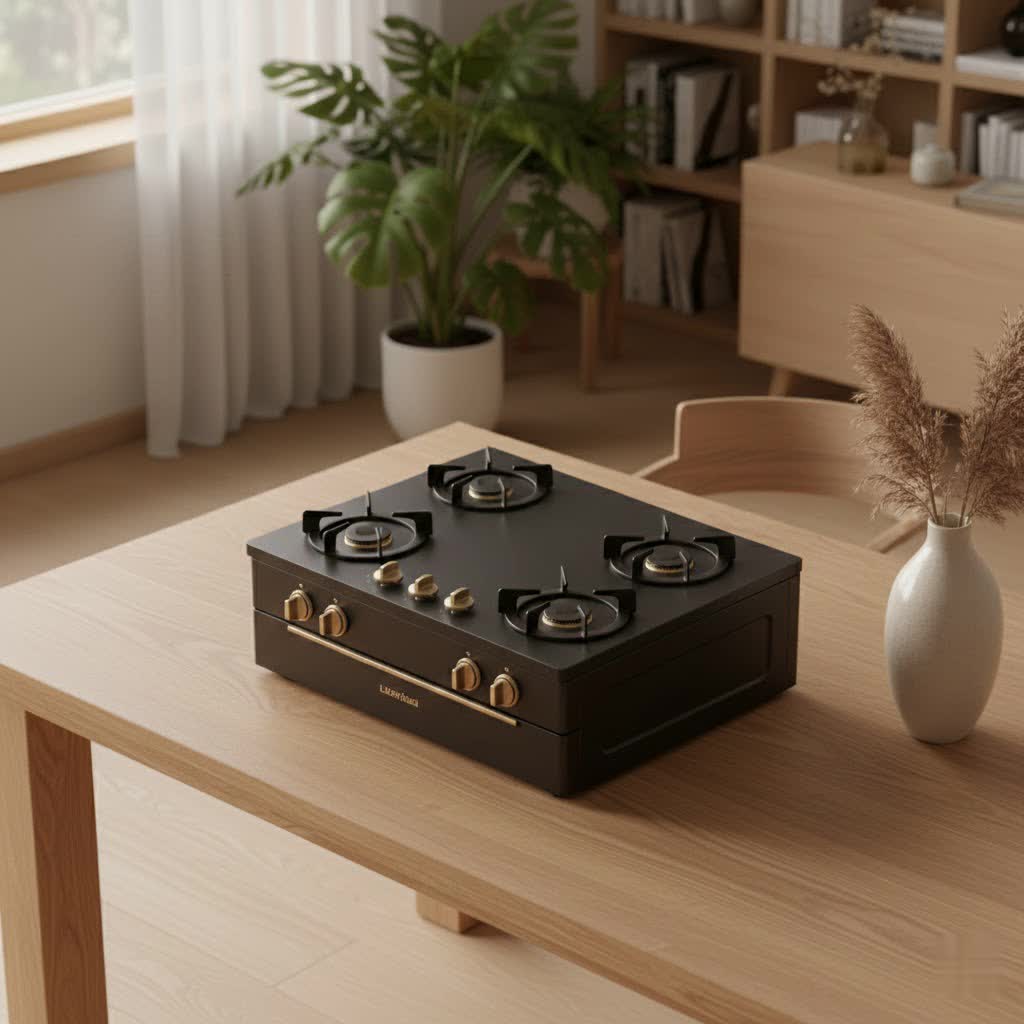
A dual fuel range is a hybrid cooking appliance designed to leverage the distinct advantages of both gas and electricity. At its core, it features a traditional gas cooktop for surface cooking, providing instant heat adjustments and visual flame control. Below, it houses an electric oven, renowned for its consistent and even heat distribution, making it ideal for baking and roasting.
The cooktop typically consists of multiple gas burners, often with varying BTU (British Thermal Unit) outputs for different cooking tasks, from a delicate simmer to a powerful sear. These burners are usually topped with sturdy grates, often cast iron, to support cookware. Modern gas cooktops also incorporate an electric ignition system, which uses a small electrical spark to light the gas, eliminating the need for a continuously burning pilot light and enhancing safety and energy efficiency. The oven, on the other hand, utilizes electric heating elements—typically one at the bottom (bake element) and one at the top (broil element). Many dual fuel ovens also include a convection fan system, which circulates hot air evenly throughout the oven cavity, ensuring more uniform cooking and faster results. The working principle is straightforward: gas provides immediate and adjustable heat for your pots and pans on the stovetop, while electricity ensures a stable, dry heat environment within the oven for perfect baking and roasting.
Types of Dual Fuel Ranges: Pros and Cons
Dual fuel ranges primarily come in various sizes and configurations, rather than distinct “types” in terms of fuel source, as the core concept remains consistent: gas cooktop, electric oven. However, they can be categorized by their installation style and advanced features.
Freestanding Dual Fuel Ranges
These are the most common and typically slide into an existing space between cabinets. They have finished sides, allowing them to stand alone or be integrated.
- Pros: Generally more affordable, easier to install or replace, and come with a backguard that often houses controls.
- Cons: The finished sides might not offer the seamless built-in look of a slide-in model.
|
Our Picks for the Best Gas Stove in 2026
As an Amazon Associate I earn from qualifying purchases.
|
||
| Num | Product | Action |
|---|---|---|
| 1 | Empava 30 in. Gas Stove Cooktop 5 Italy Sabaf Sealed Burners NG/LPG Convertible in Black Tempered Glass |

|
| 2 | Kenmore 5.6 cu. ft. Front Control Gas Range Oven with 5 Cooktop Burners - True Convection, Air Fry, Turbo Boil, Self Clean, Dishwasher Safe Grates, Three Chrome Racks, LP Kit - Stainless Steel |
|
| 3 | Gas One GS-3400P Propane or Butane Stove Dual Fuel Stove Portable Camping Stove - Patented - with Carrying Case Great for Emergency Preparedness Kit |
|
| 4 | Avanti Gas Range Oven, Compact Freestanding Design, 4 Sealed Burners with Electronic Ignition, 2.1 Cu.Ft. Capacity Features Framed Glass Door Storage Drawer Broiler and Accessories, 20-Inch, White |
|
| 5 | Gas One Propane Double Burner Two Burner Camp Stove with Windscreen Outdoor High Pressure Propane 2 Burner Adjustable PSI Regulator and 4ft Steel Braided Hose With Removable Legs |
|
| 6 | Vivicreate High Pressure Propane Gas Regulator 20 PSIG Outdoor Camping BBQ Grill Stove Burner Estufas de Gas para Cocinar Afuera Es gas propano |
|
| 7 | Coleman Triton 2-Burner Propane Stove, Portable Camping Cooktop with 2 Adjustable Burners & Wind Guards, 22,000 BTUs of Power for Camping, Tailgating, Grilling, BBQ, & More |
|
| 8 | VEVOR 36 inch Gas Cooktop 5 Burners Gas Stove Top, Max 38300BTU Built-in Stainless Steel Stove Top LPG/NG Convertible Dual Fuel Cooktop Stoves with SABAF Dual-Ring Burner for Kitchen Apartment Rvs |
|
| 9 | Avanti Gas Range Oven, Compact Freestanding Design, 4 Sealed Burners with Electronic Ignition, 2.1 Cu.Ft. Capacity Features Storage Drawer Broiler and Accessories, 20-Inch, Black |
|
| 10 | GasOne High Pressure Single Propane Burner - Outdoor Cooking with Heat Shield and Guard – Propane Burner Head for Camping, Tailgating, Seafood Boil, Home Brewing - Patent Pending |
|
Slide-in Dual Fuel Ranges
Designed to fit snugly between cabinets, offering a custom, built-in appearance. Controls are typically located at the front.
- Pros: Premium, integrated look; easier to clean around since controls are not at the back, preventing spills from reaching them.
- Cons: Higher price point, require a more precise cutout in cabinetry.
Professional/Commercial-Style Dual Fuel Ranges
These are larger, more powerful, and often boast a more robust, industrial aesthetic, usually found in widths from 30 inches up to 60 inches or more.
- Pros: Superior cooking power (higher BTU burners), advanced features (griddles, grill inserts, multiple ovens), durable construction.
- Cons: Significantly more expensive, require professional installation, may need specialized ventilation systems.
Beyond these types, dual fuel ranges offer a spectrum of features:
- Convection Ovens: Many models include true convection (with a dedicated heating element behind the fan) for superior baking and roasting.
- Smart Technology: Wi-Fi connectivity allows for remote control, monitoring, and even recipe assistance via apps.
- Self-Cleaning & Steam Cleaning: Various oven cleaning cycles simplify maintenance.
- Specialty Burners: High-heat power burners, precise simmer burners, or integrated griddles/grills.
While the higher initial cost and more complex installation (requiring both a gas line and a 240V electrical outlet) can be drawbacks, the combined performance benefits often outweigh these considerations for serious cooks.
Comparing Leading Dual Fuel Range Brands
The market for dual fuel ranges is robust, with several manufacturers offering models that cater to various budgets and preferences. Here’s a look at some leading brands and what they typically bring to the table:
- Wolf: Often considered top-tier, Wolf ranges are known for their professional-grade performance, iconic red knobs, and robust construction. They offer precise temperature control on their gas cooktops and exceptional electric ovens, often with advanced convection systems. They come with a premium price tag but are built to last and deliver outstanding culinary results.
- Thermador: Another high-end contender, Thermador is celebrated for its distinctive Star® Burners, which provide superior flame coverage and heat distribution. Their electric ovens often feature advanced technologies like true convection and sophisticated control panels, appealing to those who desire innovation and sleek design.
- KitchenAid: Positioned in the mid-to-high range, KitchenAid offers a balance of professional features and stylish design. Their dual fuel ranges often include powerful multi-ring burners, large oven capacities, and various convection options, making them a popular choice for home cooks who want performance without the ultra-premium price.
- GE Profile/Café: GE’s Profile and Café lines provide modern aesthetics and smart features. Café, in particular, allows for customization in hardware finishes, catering to design-conscious consumers. These ranges often boast powerful burners, advanced oven modes, and integrated Wi-Fi connectivity for a smart kitchen experience.
- Samsung & LG: These brands typically offer dual fuel ranges in the mid-range segment, focusing on innovative smart features, sleek designs, and competitive pricing. They often include features like air fry modes, rapid preheat, and Wi-Fi capabilities, appealing to tech-savvy consumers.
- Maytag/Whirlpool: Known for reliability and value, Maytag and Whirlpool offer solid dual fuel options that focus on essential cooking performance and durability at a more accessible price point. They are excellent choices for those seeking a dependable appliance without excessive bells and whistles.
When comparing, consider not just the brand name but also the specific features, BTU output of burners, oven capacity, convection type, control interface, warranty, and customer service reputation to find the best fit for your cooking needs and budget.
Detailed Comparison of Popular Dual Fuel Range Features
Instead of comparing specific best-selling models (which fluctuate rapidly and require live market data), let’s compare the key features you’ll find across popular dual fuel ranges, enabling you to make an informed decision.
| Feature Category | Entry-Level Dual Fuel Ranges | Mid-Range Dual Fuel Ranges | High-End Dual Fuel Ranges |
|---|---|---|---|
| Cooktop Power (BTU) | 4-5 sealed burners (5,000 – 15,000 BTU) | 4-6 sealed burners (8,000 – 20,000 BTU), often with one power burner or simmer burner | 4-8 professional-style burners (10,000 – 25,000 BTU+), sometimes with integrated griddle/grill |
| Oven Capacity | 4.5 – 5.5 cu. ft. | 5.0 – 6.5 cu. ft. | 5.5 – 7.0+ cu. ft., often with dual ovens in larger models |
| Convection System | Standard convection (single fan) | True convection (fan with dedicated heating element) | Advanced convection (multi-fan, humidity control) |
| Control Type | Knob controls for cooktop, digital keypad for oven | Knob controls for cooktop, touch panel/LCD for oven | High-resolution touch screens, smart app integration |
| Special Features | Basic self-clean, storage drawer | Rapid preheat, delay start, warming drawer, probe thermometer, Sabbath mode, steam clean | Air Fry, sous vide mode, smart diagnostics, customized hardware, built-in Wi-Fi |
| Material & Design | Stainless steel finish, basic grates | Enhanced stainless steel, heavy-duty cast iron grates, varied color options | Commercial-grade stainless steel, robust knobs, customizable finishes, premium lighting |
| Safety Features | Automatic reignition, flame failure safety device | All entry-level features plus oven lock, high-temp lockout | Advanced flame monitoring, automatic gas shutoff, precise temperature sensors |
| Price Range (Approx.) | $1,500 – $3,000 | $3,000 – $6,000 | $6,000 – $15,000+ |
This comparison illustrates that while all dual fuel ranges offer the core benefit of combining gas cooktop and electric oven, the level of power, sophistication, and convenience scales significantly with price. Consider your cooking habits, aesthetic preferences, and budget to pinpoint the features that will truly enhance your kitchen experience.
Guide to Choosing the Right Dual Fuel Range
Selecting the perfect dual fuel range involves more than just picking a brand; it’s about aligning the appliance with your lifestyle, cooking habits, and kitchen aesthetics.
1. Assess Your Cooking Needs and Habits
- Cooking Style: Are you a passionate baker who values consistent oven temperatures for delicate pastries and perfectly roasted meats? Or do you primarily cook on the stovetop, demanding instant heat adjustments for stir-fries and simmering sauces? Dual fuel ranges cater exceptionally well to both.
- Family Size & Frequency: A larger family or frequent entertaining calls for a range with ample oven capacity (5.0 cu. ft. or more) and multiple powerful burners. If you cook occasionally, a smaller, more basic model might suffice.
- Specialty Dishes: Do you regularly use a griddle, wok, or need a very low simmer? Look for ranges with specific burner configurations or accessories like integrated griddles.
2. Evaluate Your Kitchen Space and Setup
- Dimensions: Measure the available width, depth, and height in your kitchen carefully. Remember to account for required clearances.
- Installation Type: Decide between a freestanding (finished sides, backguard) or slide-in (integrated, front controls) model based on your kitchen’s design. Slide-in ranges offer a more custom look but require a precise cabinet cutout.
- Utility Hookups: Crucially, a dual fuel range requires both a natural gas or propane line and a 240V electrical outlet. Ensure your kitchen has both or factor in the cost of installation.
3. Prioritize Key Features
- Burner Power: Look for a range of BTU outputs. A high-BTU burner (15,000-20,000+) is great for searing and boiling, while a low-BTU simmer burner (5,000-8,000) is essential for delicate sauces.
- Oven Features: Convection (especially true convection) is highly recommended for even baking. Consider self-cleaning options, telescopic oven racks, and oven modes like “proof” or “air fry.”
- Control Panel: Do you prefer traditional knobs, a digital touchpad, or a modern touchscreen? Consider ease of use and cleaning.
- Smart Technology: Wi-Fi connectivity for remote control or diagnostics can be a convenience for some users.
4. Safety Features are Paramount
- Automatic Reignition: If a flame blows out on the cooktop, the system should automatically reignite it.
- Flame Failure Safety Device: This essential feature automatically cuts off the gas supply if the flame cannot be reignited, preventing gas leaks.
- Oven Lock: Important for families with young children, preventing accidental operation.
5. Consider Quality and Budget
- Reputable Brands: Stick to well-known brands that have a track record for reliability and good customer service. Read reviews from trusted sources.
- Certifications: Look for safety certifications like UL or CSA.
- Warranty: Understand the warranty coverage for parts and labor.
- Budget: Dual fuel ranges generally cost more than all-gas or all-electric ranges due to their dual functionality and often more premium features. Set a realistic budget that includes installation costs.
By meticulously considering these factors, you can confidently choose a dual fuel range that not only meets your culinary demands but also integrates seamlessly into your kitchen and lifestyle.
Tips for Safe and Effective Use and Maintenance
To ensure your dual fuel range operates safely and efficiently for years, proper usage and diligent maintenance are key.
Proper Installation
- Professional Expertise: Always have your dual fuel range installed by a certified professional. This ensures both the gas line connection and the 240V electrical hookup are done correctly and safely, adhering to all local codes.
- Ventilation: Install an appropriate range hood that vents to the outside. Good ventilation is crucial to remove cooking fumes, heat, and any combustion byproducts from the gas burners.
Effective Usage
- Cookware Compatibility: Use appropriate cookware for your gas burners – flat-bottomed pots and pans that are sized correctly for the burner.
- Oven Preheat: Allow your electric oven to fully preheat before placing food inside for optimal baking and roasting results. Convection settings often reduce preheat times.
- Monitor Flames: Keep an eye on gas flames. They should be steady and blue. Yellow or erratic flames could indicate an issue with the gas-to-air mixture and should be inspected by a professional.
- Child Safety: Utilize the oven lock feature if your range has one, and always keep children away from hot surfaces.
Regular Maintenance
- Daily Cleaning: Wipe down the cooktop and control panel after each use to prevent spills from baking on and becoming harder to remove. Use mild soap and water or specialized appliance cleaners.
- Burner Cleaning: Periodically remove burner caps and grates. Clean them according to the manufacturer’s instructions. Clogged burner ports can cause uneven flames.
- Oven Cleaning: Utilize the self-clean or steam-clean cycle as recommended by the manufacturer. For manual cleaning, ensure the oven is cool, and use oven cleaner sparingly, following product instructions carefully.
- Check Gas Lines: Annually inspect the flexible gas connector for any signs of wear, kinks, or leaks. You can often detect a gas leak by a distinct sulfur-like smell. If you suspect a leak, immediately turn off the gas supply, open windows, and call your gas company or a qualified technician.
- Oven Door Seal: Check the oven door gasket (seal) for any tears or gaps. A damaged seal can lead to heat loss and uneven cooking.
- Igniter Check: If your gas burners are slow to ignite, ensure the igniter (the small ceramic rod that sparks) is clean and free of food debris.
Adhering to these tips will not only prolong the life of your dual fuel range but also ensure a safer and more enjoyable cooking environment.
Common Issues with Dual Fuel Ranges and How to Troubleshoot
Even with high-quality appliances, issues can arise. Understanding common problems with dual fuel ranges and basic troubleshooting steps can save you time and potential service calls.
Gas Burner Not Igniting
- No Power: Modern gas cooktops require electricity for electronic ignition. Check if the range is plugged in and if there’s a power outage or tripped circuit breaker.
- Gas Supply Off: Ensure the gas supply valve behind the range is fully open. Sometimes, it might be accidentally turned off.
- Clogged Burner Port: Food debris or spills can clog the small holes where gas exits. Clean the burner cap and the ports with a soft brush or toothpick (ensure the burner is cool and gas supply is off).
- Wet Igniter: If recently cleaned, the igniter might be wet. Allow it to dry completely.
- Faulty Igniter: If you hear the clicking but no flame, and gas is flowing, the igniter might be faulty or cracked. This usually requires professional replacement.
Uneven Oven Baking or Roasting
- Incorrect Rack Placement: Always use the recommended rack position for the dish you are cooking. Heat distribution varies by rack.
- Overcrowding: Don’t overcrowd the oven. Air needs to circulate freely for even cooking.
- Oven Calibration: The oven temperature might be slightly off. You can often calibrate the oven temperature through the control panel settings (check your user manual).
- Convection Fan Issues: If your convection fan isn’t working, or if the oven isn’t heating properly, it could be a faulty heating element or fan motor. These require professional service.
- Worn Door Seal: A leaky oven door seal allows heat to escape, leading to inconsistent temperatures. Inspect and replace if damaged.
Gas Smell or Suspected Leak
- Initial Detection: A faint gas smell upon initial use or after cleaning can be normal as residue burns off. However, a strong, persistent sulfur-like odor is a serious concern.
- Immediate Action: If you smell gas:
- Do NOT turn on or off any electrical switches or appliances.
- Do NOT use your phone.
- Immediately turn off the main gas supply valve to the range if it’s safe to do so.
- Open windows and doors to ventilate the area.
- Evacuate everyone from the house.
- From a safe distance (outside), call your gas utility company and emergency services (911 in the US).
- Do NOT re-enter until authorities confirm it’s safe.
For any persistent or serious issues, especially those involving gas, always consult your owner’s manual and contact a qualified appliance technician or the manufacturer’s customer service. Safety should always be the top priority.
Dual Fuel Ranges and Safety: Essential Considerations
Safety is paramount when operating any kitchen appliance, and dual fuel ranges, combining both gas and electricity, require extra vigilance. Understanding the potential risks and implementing preventive measures is crucial for a safe home environment.
Potential Risks
- Gas Leaks and Carbon Monoxide: A malfunctioning gas line, burner, or internal component can lead to gas leaks, posing fire and explosion hazards. Incomplete combustion can also produce carbon monoxide, an odorless and colorless toxic gas that can be deadly.
- Electrical Hazards: As the oven and ignition system are electric, risks include electrical shocks, short circuits, or fires if wiring is faulty or overloaded.
- Burns and Scalds: Open flames on the cooktop, hot oven surfaces, and boiling liquids or steam present risks of burns and scalds, especially with young children around.
- Fire Hazards: Grease fires on the cooktop, oven fires from food spills, or combustible materials too close to the range can quickly escalate into serious home fires.
Preventive Measures and Safety Features
- Professional Installation: Always ensure your dual fuel range is installed by a certified professional. They will properly connect gas lines, test for leaks, and ensure electrical wiring meets safety standards.
- Proper Ventilation: Install and use an effective range hood that vents outdoors to remove combustion byproducts, smoke, and grease from the air.
- Gas Detectors and Carbon Monoxide Alarms: Install carbon monoxide detectors near sleeping areas and on every level of your home. Consider a natural gas detector for added safety, particularly near the kitchen.
- Automatic Reignition & Flame Failure Safety: Most modern dual fuel ranges feature automatic reignition for gas burners and a flame failure safety device that automatically cuts off the gas supply if a flame goes out, preventing gas leaks.
- Oven Door Lock & Child Safety: Use the oven door lock feature, if available, to prevent accidental opening or operation by children. Keep children and pets away from the cooking area.
- Regular Cleaning: Keep your range clean, especially the cooktop and oven interior, to prevent grease buildup and food spills from becoming fire hazards.
- Clearance: Maintain adequate clearance around the range. Do not store flammable items (curtains, paper towels, cleaning supplies) near the burners or oven vents.
- Cookware: Use stable, appropriately sized cookware. Avoid loose clothing that could catch fire.
- Grease Fire Protocol: If a grease fire occurs on the cooktop:
- Do NOT use water.
- Turn off the burner.
- Cover the pan with a metal lid or baking sheet to smother the flames.
- If safe, use a Class B fire extinguisher designed for grease fires.
- If the fire spreads or you cannot contain it, evacuate and call emergency services.
Emergency Response
Knowing how to react in an emergency, such as a gas leak or fire, can prevent serious injury or damage. Review your home safety plan regularly and ensure all family members know how to shut off the main gas supply to the house and what to do in case of a fire. Investing in a fire extinguisher (Class K for kitchens is ideal) and knowing how to use it safely is also recommended. Your dual fuel range brings professional-level cooking to your home, and with proper care and attention to safety, it will be a valuable and reliable appliance.
Where to Buy Dual Fuel Ranges
When you’re ready to invest in a dual fuel range, knowing where to purchase one can be as important as choosing the right model. Several reputable avenues exist, each offering different advantages.
Major Appliance Retailers
- Brick-and-Mortar Stores: Retailers like Best Buy, Lowe’s, and The Home Depot have physical showrooms where you can see models in person, compare features, and speak with sales associates. They often offer delivery, installation, and removal of old appliances.
- Online Platforms: Most major retailers also have robust online stores, offering a wider selection, customer reviews, and competitive pricing. Look for detailed product specifications, high-resolution images, and virtual tours.
Specialty Appliance Dealers
- Local Independent Stores: These dealers often provide a more personalized shopping experience, expert advice, and sometimes more flexibility with pricing or service. They may specialize in higher-end brands and offer tailored installation services.
- Brand-Specific Showrooms: For premium brands like Wolf or Thermador, visiting their dedicated showrooms can provide an immersive experience, allowing you to see their full product lines and advanced features demonstrated.
Online-Only Retailers
- Amazon, Wayfair, Overstock, Abt Electronics: These platforms offer a vast array of brands and models, often with competitive pricing and detailed customer reviews. Be sure to check seller reputation, shipping costs, delivery options, and return policies, especially for large appliances.
Key Considerations When Buying:
- Read Reviews: Customer reviews offer invaluable insights into product performance, reliability, and satisfaction. Look for trends in both positive and negative feedback.
- Check Warranty and Return Policies: Understand what the manufacturer’s warranty covers and the retailer’s return policy for large appliances, which can differ significantly from smaller items.
- Delivery and Installation: Verify that the retailer offers professional delivery and installation services for dual fuel ranges, as these require specialized gas and electrical connections. Clarify if removal of your old appliance is included.
- Financing Options: Many retailers offer financing plans, which can make a high-ticket item like a dual fuel range more accessible.
- Sales and Promotions: Keep an eye out for seasonal sales events (e.g., Black Friday, Memorial Day, Labor Day) or manufacturer rebates to potentially get a better deal.
By exploring these options and carefully considering the associated services, you can find a reliable vendor and the perfect dual fuel range for your home.
Estimated Price Guide for Dual Fuel Ranges (Latest Update)
The price of a dual fuel range can vary significantly based on brand, size, features, and overall quality. As of early 2026, here’s an estimated price guide to help you budget for your purchase. Please note that prices are subject to change due to market conditions, promotions, and specific retailer pricing.
Entry-Level Dual Fuel Ranges: $1,500 – $3,000
These models typically come from mainstream brands and offer the basic dual fuel functionality.
- Features: Standard gas cooktop with 4-5 sealed burners (often one high-power, one simmer), conventional electric oven (some may have basic convection), manual or basic digital controls, standard stainless steel finish.
- Ideal for: Budget-conscious buyers who want the core benefits of a gas cooktop and electric oven without advanced features.
Mid-Range Dual Fuel Ranges: $3,000 – $6,000
This segment offers a significant step up in features, power, and often design aesthetics.
- Features: More powerful and varied BTU burners (often 5-6 burners), true convection electric oven, larger oven capacity, more sophisticated digital controls or touchscreens, enhanced design elements, self-cleaning options, and possibly some smart features (e.g., Wi-Fi connectivity, temperature probe).
- Ideal for: Home cooks who use their range frequently, appreciate better performance, and desire a more modern aesthetic and convenient features.
High-End/Professional Dual Fuel Ranges: $6,000 – $15,000+
These are premium appliances from luxury brands, designed for serious culinary enthusiasts and professional-grade performance.
- Features: Commercial-style design, very high-BTU burners (often 6+), precise simmer capabilities, often with specialty options like griddles or grills, advanced true convection systems (sometimes multiple fans), massive oven capacities (including dual ovens in wider models), smart technology integration, premium materials, and custom finishes.
- Ideal for: Gourmet cooks, large families, those who entertain frequently, or anyone seeking top-tier performance, durability, and a statement piece for their kitchen.
Factors Influencing Price:
- Brand Reputation: Luxury brands like Wolf, Thermador, and Viking command higher prices.
- Size: Larger ranges (e.g., 36-inch, 48-inch, 60-inch) are significantly more expensive than standard 30-inch models.
- Features: Advanced convection, smart home integration, specialty burner configurations (e.g., griddles, wok rings), and sophisticated control panels add to the cost.
- Materials and Construction: Heavy-duty cast iron grates, commercial-grade stainless steel, and robust knobs contribute to both durability and price.
- Installation Costs: Remember to factor in professional installation, which can add several hundred dollars, especially if new gas lines or electrical circuits are required.
Investing in a dual fuel range is a long-term decision. While the upfront cost can be higher, the blend of cooking precision and versatility often makes it a worthwhile investment for a superior culinary experience.
Conclusion: Making a Smart Choice for Your Kitchen
The “electric gas stove,” best understood as a dual fuel range, represents a pinnacle in home kitchen appliances, meticulously combining the strengths of both fuel sources. It offers the instantaneous and precise flame control that gas cooktops are celebrated for, allowing for quick adjustments, perfect searing, and delicate simmering. Simultaneously, its electric oven provides the consistent, dry heat that is ideal for baking, roasting, and achieving perfectly even results. This versatile combination caters to a wide spectrum of culinary tasks, from a simple weeknight meal to elaborate holiday feasts, truly offering the best of both worlds to any home chef.
Choosing a dual fuel range is an investment in your culinary passion and kitchen efficiency. By carefully considering your specific cooking needs, understanding the available features, and adhering to proper installation and maintenance guidelines, you can select an appliance that not only elevates your cooking but also enhances the safety and aesthetic appeal of your home. With the right dual fuel range, you gain unmatched flexibility and control, transforming your kitchen into a hub of innovation and delicious possibilities. Ready to unlock new culinary horizons and elevate your home cooking game?
Frequently Asked Questions
Are dual fuel ranges worth the extra cost compared to all-gas or all-electric models?
Many chefs and avid home cooks believe dual fuel ranges are worth the investment. They offer the superior stovetop control of gas and the more consistent, even heat of an electric oven, which is particularly beneficial for baking. While they typically have a higher upfront cost and more complex installation requirements (needing both gas and 240V electric hookups), the enhanced cooking performance and versatility often justify the expense for those passionate about cooking and baking.
Can I convert my existing gas range to a dual fuel range?
No, you cannot convert an existing all-gas range into a dual fuel range. Dual fuel ranges are built with distinct gas cooktop components and electric oven elements, requiring separate gas and 240V electrical connections. The internal engineering and electrical wiring are fundamentally different, making a conversion impractical and unsafe. If you desire dual fuel capabilities, purchasing a new unit is necessary.
Do dual fuel ranges require special installation?
Yes, dual fuel ranges require special installation because they need connections to both a gas supply line (natural gas or propane) and a dedicated 240-volt electrical outlet. This is more complex than installing an all-electric range (which only needs 240V) or an all-gas range (which typically needs gas and a standard 120V outlet for ignition). Professional installation by a certified technician is strongly recommended to ensure safety and proper functionality.
What are the benefits of an electric oven in a dual fuel range?
The electric oven in a dual fuel range provides several key benefits, primarily consistent and even heat distribution. Electric heat is generally drier and more stable than gas heat, making it ideal for baking delicate items like pastries, cakes, and cookies, as well as for roasting meats and vegetables uniformly. Many electric ovens also feature advanced convection systems that further enhance cooking consistency and speed.
How long do dual fuel ranges typically last?
With proper care, maintenance, and usage, a high-quality dual fuel range can typically last between 10 to 15 years, or even longer for some premium brands. Factors like brand quality, frequency of use, regular cleaning, and prompt repair of minor issues can significantly impact its lifespan. Investing in a reputable brand and adhering to the manufacturer’s maintenance guidelines helps maximize longevity.
