Cooking is an art, and every artist needs the right tools. If your kitchen often buzzes with multiple dishes simmering, sautéing, and boiling simultaneously, a 5-burner gas stove might just be the upgrade you need. This versatile appliance transforms your cooking experience, offering ample space and precise control to tackle everything from everyday meals to elaborate feasts. But with so many options, how do you find the one that perfectly fits your culinary ambitions and kitchen design? Let’s explore the world of 5-burner gas stoves to help you make an informed decision.
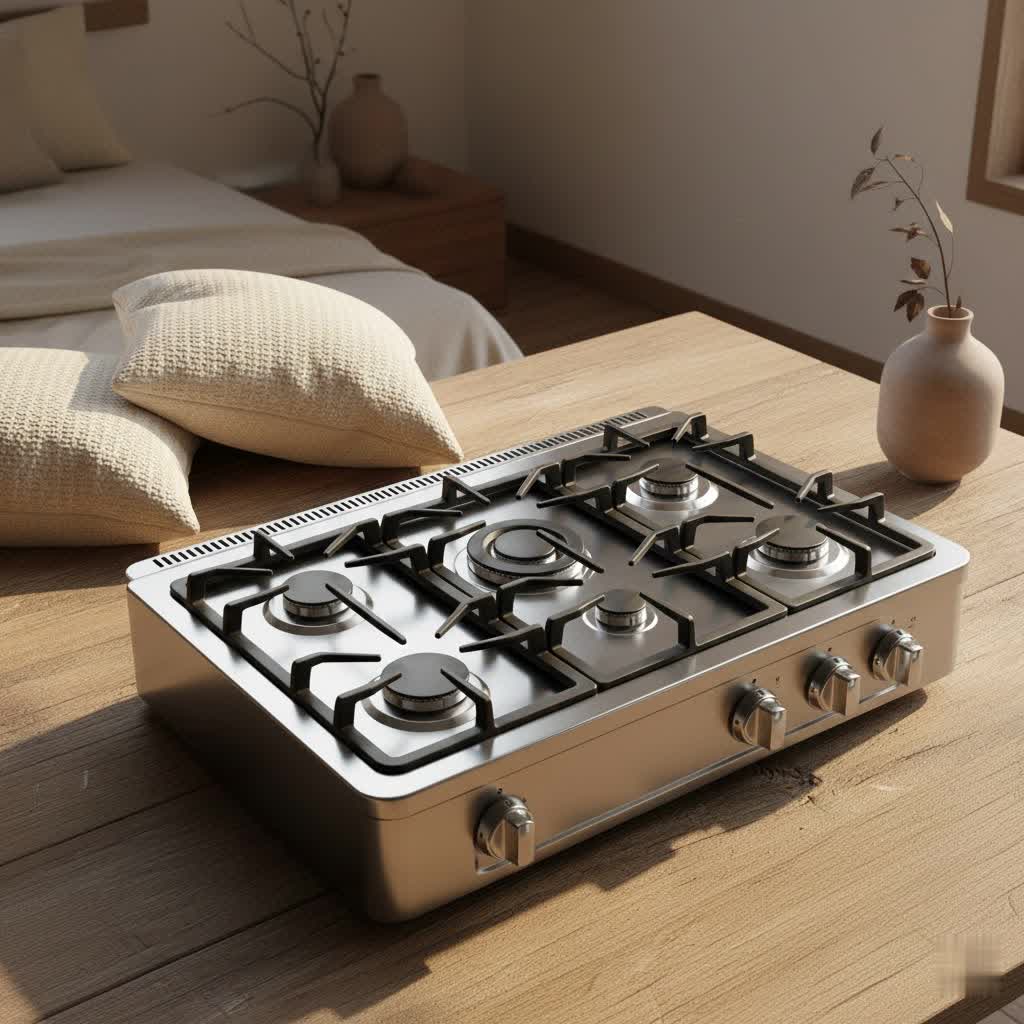
What is a 5-Burner Gas Stove? Structure and Operating Principles
A 5-burner gas stove, often referred to as a range or cooktop, is a kitchen appliance designed to deliver superior cooking flexibility and power. Unlike traditional 4-burner models, these stoves feature an additional burner, typically centrally located, which often boasts higher BTU (British Thermal Unit) output for rapid heating or is uniquely shaped for specialized cookware like griddles and woks.
At its core, a gas stove operates by mixing natural gas or propane with air and igniting it, producing a controlled flame. The heat from this flame is then directly transferred to your cookware, offering immediate and precise temperature adjustments. Key components include:
- Burners: These come in varying sizes and power levels. You’ll usually find high-power burners for quick boiling and searing, medium burners for general cooking, and a low-output simmer burner for delicate sauces. The fifth burner is often an oval burner for griddles or a high-BTU power burner.
- Grates: Typically made of sturdy cast iron, continuous grates allow you to slide heavy pots and pans easily across the cooktop surface without lifting.
- Ignition System: Modern gas stoves feature electronic ignition, where turning a knob creates a spark to ignite the gas.
- Flame Failure Safety Device: A crucial safety feature, this automatically cuts off the gas supply if the flame accidentally extinguishes, preventing gas leaks.
Types of 5-Burner Gas Stoves: Pros and Cons
Five-burner gas stoves come in several configurations, each with distinct advantages and disadvantages tailored to different kitchen layouts and cooking styles.
Freestanding Gas Stoves
Freestanding models are self-contained units that include both the cooktop and an oven, designed to fit into an existing cutout between cabinets.
- Pros: Generally more affordable and easier to install, as they don’t require extensive cabinetry modifications. They are also simpler to move if you relocate.
- Cons: Their finished sides mean they don’t offer the seamless, built-in look of other options. They can also collect spills in the gaps between the stove and countertops.
|
Our Picks for the Best Gas Stove in 2026
As an Amazon Associate I earn from qualifying purchases.
|
||
| Num | Product | Action |
|---|---|---|
| 1 | Avanti Gas Range Oven, Compact Freestanding Design, 4 Sealed Burners with Electronic Ignition, 2.1 Cu.Ft. Capacity Features Storage Drawer Broiler and Accessories, 20-Inch, Black |

|
| 2 | Gas One Propane Double Burner Two Burner Camp Stove with Windscreen Outdoor High Pressure Propane 2 Burner Adjustable PSI Regulator and 4ft Steel Braided Hose With Removable Legs |
|
| 3 | GasOne High Pressure Single Propane Burner - Outdoor Cooking with Heat Shield and Guard – Propane Burner Head for Camping, Tailgating, Seafood Boil, Home Brewing - Patent Pending |
|
| 4 | Gas One GS-3400P Propane or Butane Stove Dual Fuel Stove Portable Camping Stove - Patented - with Carrying Case Great for Emergency Preparedness Kit |
|
| 5 | Vivicreate High Pressure Propane Gas Regulator 20 PSIG Outdoor Camping BBQ Grill Stove Burner Estufas de Gas para Cocinar Afuera Es gas propano |
|
| 6 | Kenmore 5.6 cu. ft. Front Control Gas Range Oven with 5 Cooktop Burners - True Convection, Air Fry, Turbo Boil, Self Clean, Dishwasher Safe Grates, Three Chrome Racks, LP Kit - Stainless Steel |
|
| 7 | Empava 30 in. Gas Stove Cooktop 5 Italy Sabaf Sealed Burners NG/LPG Convertible in Black Tempered Glass |
|
| 8 | Coleman Triton 2-Burner Propane Stove, Portable Camping Cooktop with 2 Adjustable Burners & Wind Guards, 22,000 BTUs of Power for Camping, Tailgating, Grilling, BBQ, & More |
|
| 9 | VEVOR 36 inch Gas Cooktop 5 Burners Gas Stove Top, Max 38300BTU Built-in Stainless Steel Stove Top LPG/NG Convertible Dual Fuel Cooktop Stoves with SABAF Dual-Ring Burner for Kitchen Apartment Rvs |
|
| 10 | Avanti Gas Range Oven, Compact Freestanding Design, 4 Sealed Burners with Electronic Ignition, 2.1 Cu.Ft. Capacity Features Framed Glass Door Storage Drawer Broiler and Accessories, 20-Inch, White |
|
Built-in Gas Cooktops
These are stovetop-only units installed directly into your countertop, offering a sleek, integrated appearance.
- Pros: Provide a modern, streamlined aesthetic that blends seamlessly with kitchen decor. They are often easier to clean thanks to smooth, integrated surfaces and sealed burners that prevent food spills from entering the stove’s internal components.
- Cons: Typically more expensive and require professional installation to cut and finish the countertop opening. They do not include an oven, meaning a separate wall oven or under-counter oven is necessary.
Gas Ranges with Double Ovens
Some 5-burner gas ranges feature a double oven configuration, offering increased baking capacity and versatility.
- Pros: Ideal for large families or those who frequently entertain, allowing you to cook multiple dishes at different temperatures simultaneously. Convection fans often ensure even heat distribution.
- Cons: These models are generally heavier and pricier. The lower oven cavity can be close to the floor, making it less convenient for some users.
Comparing Popular 5-Burner Gas Stove Brands
The market for 5-burner gas stoves is rich with reputable brands, each offering unique features and design philosophies. Here’s a look at some leading names known for their quality and innovation:
- LG: Often lauded for smart features, intuitive controls, and robust performance, LG gas ranges frequently top “best overall” lists. Their models may include convection ovens, air fry capabilities, and even “smart diagnosis” for troubleshooting.
- GE Profile: These ranges combine smart technology with powerful burners, including no-preheat air frying and edge-to-edge cooktops for maximum cooking space. Wi-Fi connectivity is a common feature.
- Bosch: Known for precision engineering, sleek designs, and quiet operation, Bosch gas ranges deliver powerful burners and often feature true convection for even baking.
- KitchenAid: This brand focuses on combining power and precision, with features like high-BTU burners and dedicated simmer options, all wrapped in a stylish aesthetic.
- Frigidaire Gallery: Offering excellent value, Frigidaire Gallery models frequently include useful features like built-in griddles, steam-clean modes, and dedicated air fry settings.
- Maytag: Maytag gas ranges are recognized for durability and value, often featuring a powerful center burner suitable for large cookware.
- Wolf & Monogram: For those seeking professional-grade performance and luxury, Wolf and Monogram offer high-end ranges with exceptional power, precision, and distinctive designs (e.g., Wolf’s signature red knobs).
- Samsung & Café: These brands often blend innovative smart features with customizable designs and versatile cooking options, including unique oven configurations like Samsung’s Flex Duo.
Many premium brands equip their models with specialized burners, such as powerful multi-ring burners for quick boiling and searing, or oval burners perfect for griddles. Continuous cast-iron grates are also a hallmark, ensuring stability and easy movement of cookware.
Detailed Comparison of Best-Selling 5-Burner Gas Stove Models
While specific model numbers can change, best-selling 5-burner gas stoves generally share common traits and innovative features that cater to modern cooking needs. Most popular models offer a diverse range of burner outputs, from high-BTU power burners (often 15,000 BTU or more) for rapid boiling and stir-frying, to precise simmer burners (around 5,000 BTU) perfect for delicate sauces. The central fifth burner is a key differentiator, often designed as an oval for griddle use or an extra-powerful burner for oversized pots.
Many top models also integrate advanced oven technologies within the range unit. Convection ovens are widely available, promoting even baking and roasting by circulating hot air. Some even include specialized cooking modes like air fry, allowing for healthier crispy dishes without a separate appliance. Smart connectivity, allowing control via smartphone apps, is also increasingly common, letting you preheat your oven or adjust burner settings remotely.
Durability and ease of cleaning are also significant factors. Look for models with sealed burners that prevent food spills from dripping into the interior. Stainless steel surfaces are popular for their aesthetic appeal and ease of wiping down, often paired with heavy-duty cast-iron grates that are removable and, in some cases, dishwasher-safe. Edge-to-edge grates are another practical feature, maximizing usable cooking surface and allowing for flexible pot placement.
Guide to Choosing the Right 5-Burner Gas Stove
Choosing a 5-burner gas stove is an investment, and finding the right one means carefully considering your personal cooking habits, kitchen space, and budget.
Determine Your Cooking Needs
Consider how you cook and for whom. Do you regularly host large gatherings, requiring multiple dishes to be prepared simultaneously? Do you frequently use large pots, woks, or griddles? If you’re a multi-tasker or cook for a large family, the extra burner space and varied BTU output of a 5-burner model will be incredibly beneficial. For more casual cooking, a simpler model might suffice.
Assess Your Kitchen Space and Layout
The physical dimensions of your kitchen are crucial.
- Size: Standard 5-burner gas ranges are typically 30 inches or 36 inches wide. While a 30-inch model offers the benefits of an extra burner within a common footprint, some users find it can feel cramped when all five burners are in use with large cookware. A 36-inch model provides more generous spacing. Measure your available cutout or countertop space carefully.
- Type: Decide between a freestanding range (cooktop + oven), a slide-in range (designed for a more integrated look, often overlapping countertops slightly), or a built-in gas cooktop (requires a separate oven). Your kitchen’s existing setup and desired aesthetic will guide this choice.
- Ventilation: Ensure you have adequate ventilation, such as a powerful range hood, to handle the increased heat and fumes generated by five burners.
Prioritize Safety Features
Safety is paramount with gas appliances. Look for:
- Flame Failure Safety Devices: These are essential and automatically cut off the gas supply if a burner flame goes out.
- Automatic Ignition: Ensures easy and reliable start-up without manual lighting.
- Child Lock: A useful feature if you have young children.
Consider Material and Build Quality
High-quality materials contribute to durability and ease of maintenance.
- Cooktop Surface: Stainless steel is a popular choice for its sleek look and easy cleaning. Tempered glass is another option, offering a modern aesthetic.
- Grates: Heavy-duty cast iron grates are durable, provide stable support for cookware, and distribute heat effectively. Look for continuous grates for easier pot maneuverability.
- Knobs: Sturdy, heat-resistant knobs are important for comfortable and safe operation.
Set a Realistic Budget
Prices for 5-burner gas stoves vary widely based on brand, features, and type. Entry-level models might start around $1,000, while high-end professional-style ranges can cost upwards of $5,000 to $10,000 or more. Balance your desired features with what you are willing to spend.
Tips for Safe and Efficient Use and Maintenance
To ensure your 5-burner gas stove operates safely and effectively for years to come, proper usage and diligent maintenance are key.
Installation Matters
Always have your gas stove installed by a certified professional. Incorrect installation can lead to gas leaks, inefficient operation, or other hazards. They will ensure proper gas line connections and adequate ventilation.
Regular Cleaning
- Daily Wipes: After each use, wipe down the cooktop surface to remove food spills and grease.
- Deep Cleaning: Periodically remove burner caps and grates to clean burner ports. Use warm, soapy water and a soft brush or a paperclip to clear any debris that might clog the openings and affect flame quality. Many cast iron grates are dishwasher-safe, simplifying this task.
- Sealed Burners: Opting for a model with sealed burners greatly simplifies cleaning by preventing spills from seeping into the stove’s interior.
Periodic Checks
- Gas Lines and Connections: Schedule annual inspections of your gas lines and stove connections by a professional to detect and repair any potential leaks. Be vigilant for the smell of rotten eggs, which indicates a gas leak.
- Flame Color: A healthy gas flame should be predominantly blue. Yellow or orange flames can indicate incomplete combustion, possibly due to dirty burners or an improper air-to-gas ratio, and should be investigated.
- Igniter: If your igniter clicks continuously after the flame is lit, ensure burner caps are properly seated and clear of moisture or debris.
Safe Cooking Habits
- Pot Handles: Always turn pot and pan handles inward or to the side, away from the edge of the stove, to prevent accidental knocking.
- Flammable Items: Keep towels, plastic bags, wooden utensils, and other flammable materials away from active burners. Maintain at least 12 inches of clear space around the stovetop.
- Loose Clothing: Avoid wearing loose-fitting sleeves or flowy clothing while cooking, as they can easily catch fire.
- Never Leave Unattended: Unattended cooking is a leading cause of kitchen fires. If you need to step away, even briefly, turn off the burners or lower the heat significantly.
Common 5-Burner Gas Stove Problems and How to Fix Them
Even the most reliable gas stoves can encounter issues. Knowing how to troubleshoot common problems can save you time and the hassle of a service call.
Burner Not Lighting
This is a frequent complaint.
- No Click, No Gas Smell: Check if the gas supply valve is open. If other gas appliances also aren’t working, there might be a main gas supply issue. Also, check your circuit breaker if it’s an electric ignition system.
- Clicking, No Gas Smell: The issue is likely with the gas flow to that specific burner. The burner ports might be clogged with food debris. Carefully remove the burner cap and clean the ports with a small brush or paperclip.
- Gas Smell, No Click: The igniter itself might be faulty or dirty. Ensure it’s dry and clean. If it’s damaged, it may need replacement.
Uneven or Weak Flame
A sputtering or weak flame is usually a sign of an obstruction or gas pressure issue.
- Clogged Burner Ports: Similar to a burner not lighting, debris in the burner ports can impede gas flow. Clean the burner caps and openings thoroughly.
- Incorrect Burner Cap Placement: Ensure the burner caps are properly seated and aligned.
- Low Gas Pressure: If multiple burners or other gas appliances have weak flames, contact your gas provider.
- Dirty or Faulty Gas Regulator: The regulator controls gas flow. If it’s dirty or malfunctioning, it can affect flame strength. This may require professional attention.
Continuous Igniter Clicking
If the igniter keeps clicking even after the burner has lit or if it won’t stop clicking at all:
- Moisture or Debris: Water or grease around the igniter can cause continuous sparking. Clean and dry the area thoroughly.
- Loose Burner Cap: A misaligned or loose burner cap can interfere with the igniter’s operation. Reseat it properly.
Gas Odor
A persistent smell of rotten eggs, even when burners are off, indicates a gas leak and requires immediate action.
- Immediate Action: Do not ignite any flames or turn on electrical appliances. Open windows and doors to ventilate the area.
- Evacuate and Call: Evacuate your home and call emergency services or your gas provider from a safe distance outside. Do not re-enter until advised by professionals. Regular inspections of gas lines can help prevent such occurrences.
5-Burner Gas Stove Safety: Essential Considerations
Operating any gas appliance carries inherent risks, but with proper precautions, your 5-burner gas stove can be a safe and indispensable tool in your kitchen.
Fire and Explosion Risks
Gas leaks, if ignited, can lead to fires or explosions. Carbon monoxide (CO) is another silent danger, an odorless, colorless gas produced by incomplete combustion that can be deadly.
Prevention is Key
- Install Detectors: Install both gas detectors and carbon monoxide detectors in your home, especially near your kitchen. Test them monthly and replace batteries annually.
- Ensure Proper Ventilation: Always use your range hood or open a window when cooking to ensure adequate airflow and prevent the buildup of harmful gases and pollutants. Never use a gas stove or oven to heat your home.
- Clear the Cooking Area: Keep all flammable items—dish towels, paper products, plastic containers, aerosol cans—well away from the stove.
- Supervise Children and Pets: Never leave young children or pets unattended near an operating stove.
- Appropriate Cookware: Use flat-bottomed pots and pans that sit securely on the grates. Avoid cookware with handles that extend too far.
Emergency Handling
Know the location of your main gas shut-off valve. In case of a gas leak or fire, turn off the gas supply if it is safe to do so, evacuate immediately, and call for emergency assistance.
Where to Buy a Reliable 5-Burner Gas Stove
When you’re ready to purchase a 5-burner gas stove, you have several options for reliable retailers.
- Appliance Stores: Dedicated appliance stores often have knowledgeable staff who can guide you through various models, features, and installation requirements. They may also offer professional installation and removal services.
- Big Box Retailers: Large electronics and home improvement stores carry a wide selection of brands and models, often with competitive pricing. You can typically see models in person and compare them side-by-side.
- Online Platforms: Websites like Amazon, eBay, Wayfair, and manufacturer websites offer extensive choices. When buying online, always read customer reviews, check the seller’s reputation, and understand the return policy and warranty details. Verify product specifications carefully, especially dimensions and fuel type (natural gas or liquid propane).
Always choose a reputable vendor that offers good customer service and reliable post-purchase support.
Reference Price List for 5-Burner Gas Stoves (Latest Update)
The price of a 5-burner gas stove can vary significantly depending on the brand, type (freestanding, slide-in, cooktop), materials, and included features. As of early 2026, here’s a general reference:
- Entry-Level Models (Basic Freestanding): Expect to pay around $800 – $1,500. These typically offer essential 5-burner functionality with standard features and finishes.
- Mid-Range Models (Enhanced Features/Slide-in): Prices generally fall between $1,500 – $3,000. These often include features like convection ovens, better build materials (e.g., higher-grade stainless steel), continuous grates, and more aesthetic designs.
- High-End/Professional-Grade Models (Luxury Brands, Advanced Features): These can range from $3,000 to $10,000+. This category includes brands like Wolf and Monogram, featuring professional-level BTU burners, true convection, smart connectivity, specialized cooking modes, and premium finishes.
Prices are subject to change based on sales, promotions, and new model releases. Always compare prices from different retailers to find the best deal.
Conclusion: Making a Smart Choice for Your Kitchen
A 5-burner gas stove is more than just an appliance; it’s a centerpiece for culinary creativity and efficiency in your kitchen. Its enhanced cooking versatility, precise heat control, and ability to handle multiple dishes make it an invaluable asset for busy households and passionate home chefs alike. By understanding the different types, prioritizing essential features like safety and build quality, and considering your unique cooking style and kitchen space, you can confidently select a model that will elevate your cooking experience. Remember, the right gas stove not only makes cooking a pleasure but also adds lasting value to your home.
Are you ready to transform your kitchen into a more dynamic and efficient culinary hub?
Frequently Asked Questions
What is the advantage of a 5-burner gas stove over a 4-burner?
A 5-burner gas stove offers significantly greater cooking flexibility and efficiency by providing an additional burner, often a high-power or specialized oval burner. This allows you to cook more dishes simultaneously, use larger cookware, and have varied heat options for different cooking tasks without compromising space on other burners.
Can a 5-burner gas stove fit into a 30-inch space?
Yes, many 5-burner gas ranges and cooktops are designed to fit into a standard 30-inch wide opening. However, while they fit the space, some users find that using five large pots at once on a 30-inch model can be a bit cramped. For more generous spacing, a 36-inch model is recommended if your kitchen allows.
How do I ensure safety when using a 5-burner gas stove?
To ensure safety, always have your stove professionally installed, install gas and carbon monoxide detectors, and ensure proper ventilation with a range hood or open window. Keep flammable items away from burners, never leave cooking unattended, and regularly clean the burners to prevent clogs and maintain efficient, safe operation.
